Thomas McKean (1735-1817) — History & Analysis
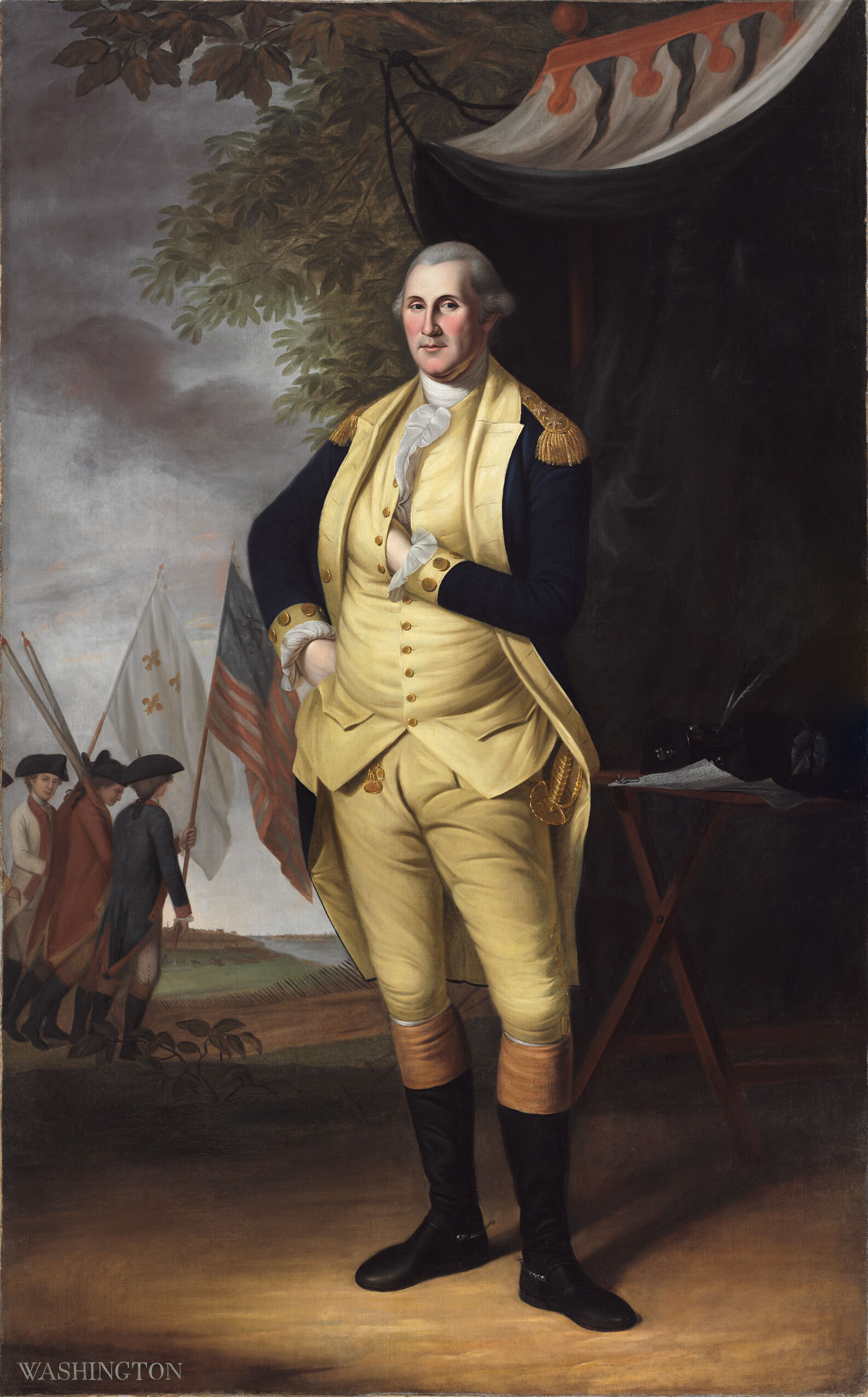
When did color learn to lie? Betrayal often wears a facade of beauty, hiding the tumult beneath. This portrait offers a glimpse into a world where appearances mask deeper truths, inviting an exploration of the man behind the canvas. Focus on the subject's face, where the warm tones of his complexion contrast sharply with the cool blues of his attire. Notice how the light catches his eyes, which appear both inviting and inscrutable.
His expression holds the weight of history, suggesting a life lived in tumultuous times. The careful brushwork and rich color palette evoke a sense of dignity yet underline the tension in his gaze, hinting at the complexities of his character. McKean's posture radiates confidence, yet his somewhat pensive demeanor hints at internal conflict. The juxtaposition of his vibrant clothing against the shadows surrounding him reflects the duality of public persona and private struggle.
Each intricate detail, from the lace at his collar to the texture of the fabric, invites reflection on the burdens of leadership during an era marked by revolution and uncertainty. During the early 1780s, Peale painted this portrait in Philadelphia, a city at the heart of America's struggle for independence. At this time, the artist was navigating his own challenges, balancing his role as a painter with his contributions to the burgeoning natural sciences. The painting captures not just a likeness but the spirit of an age filled with promises and betrayals, echoing the intricacies of human ambition in a rapidly changing world.