Gezicht op een waterweg landinwaarts — History & Analysis
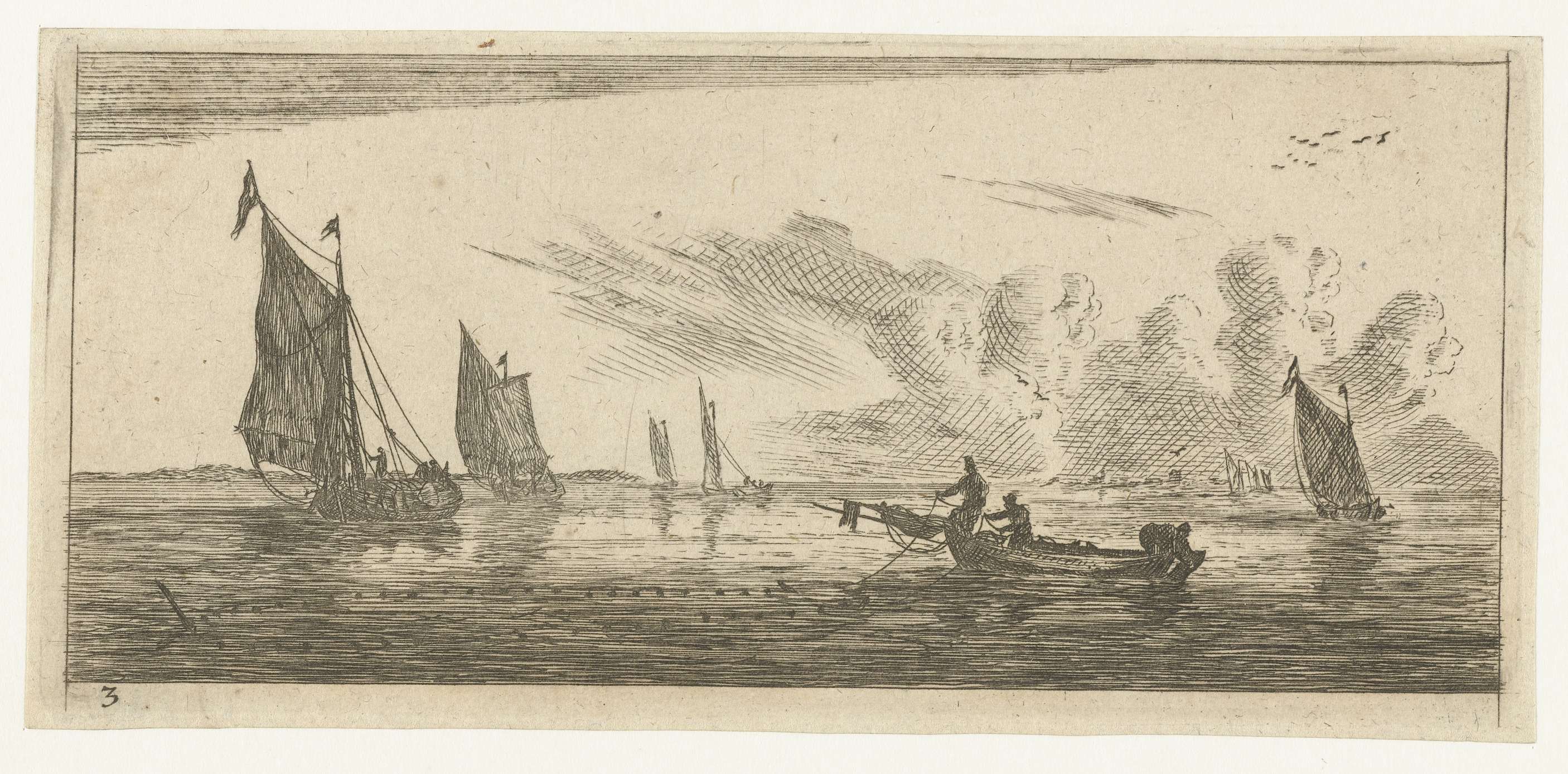
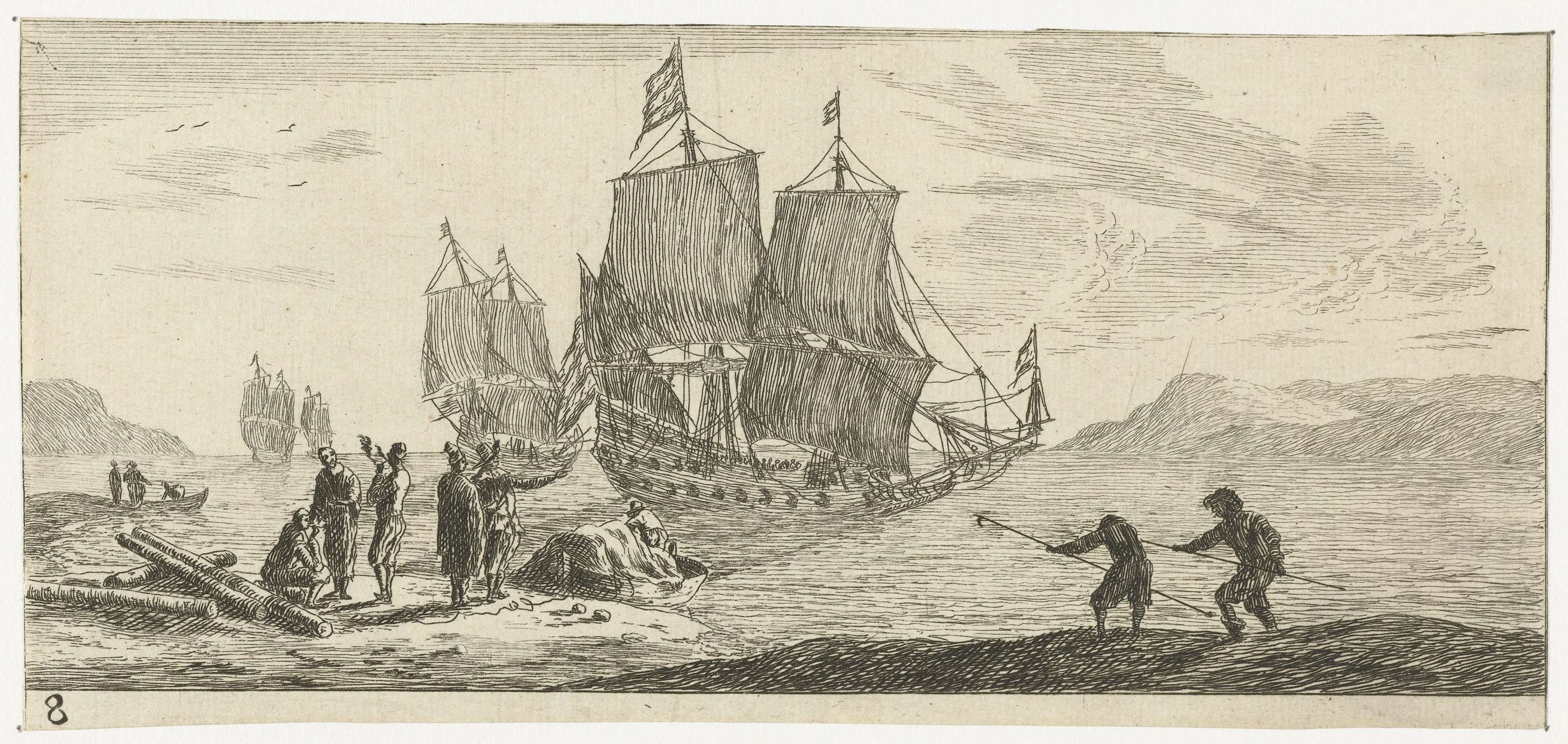
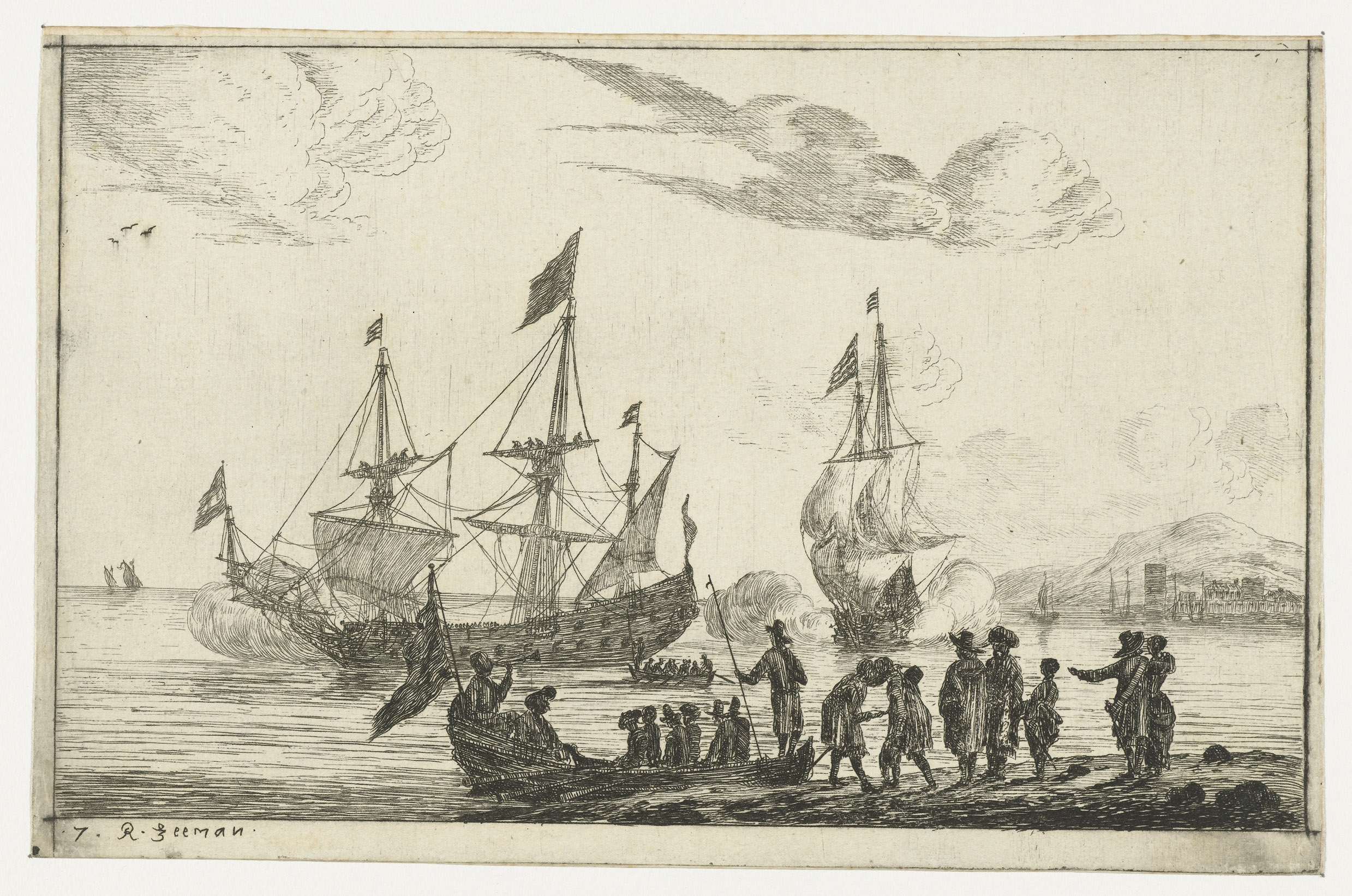
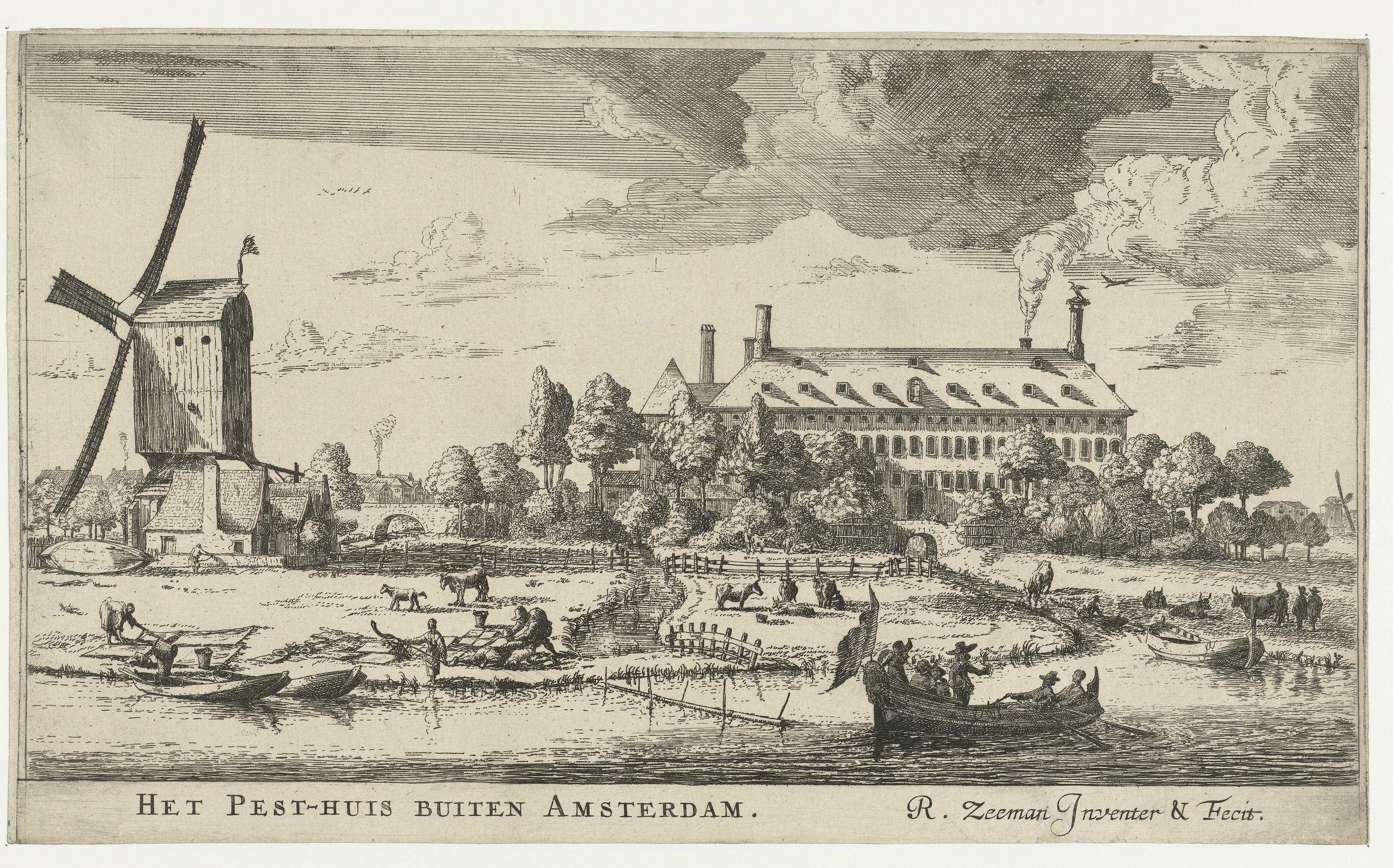
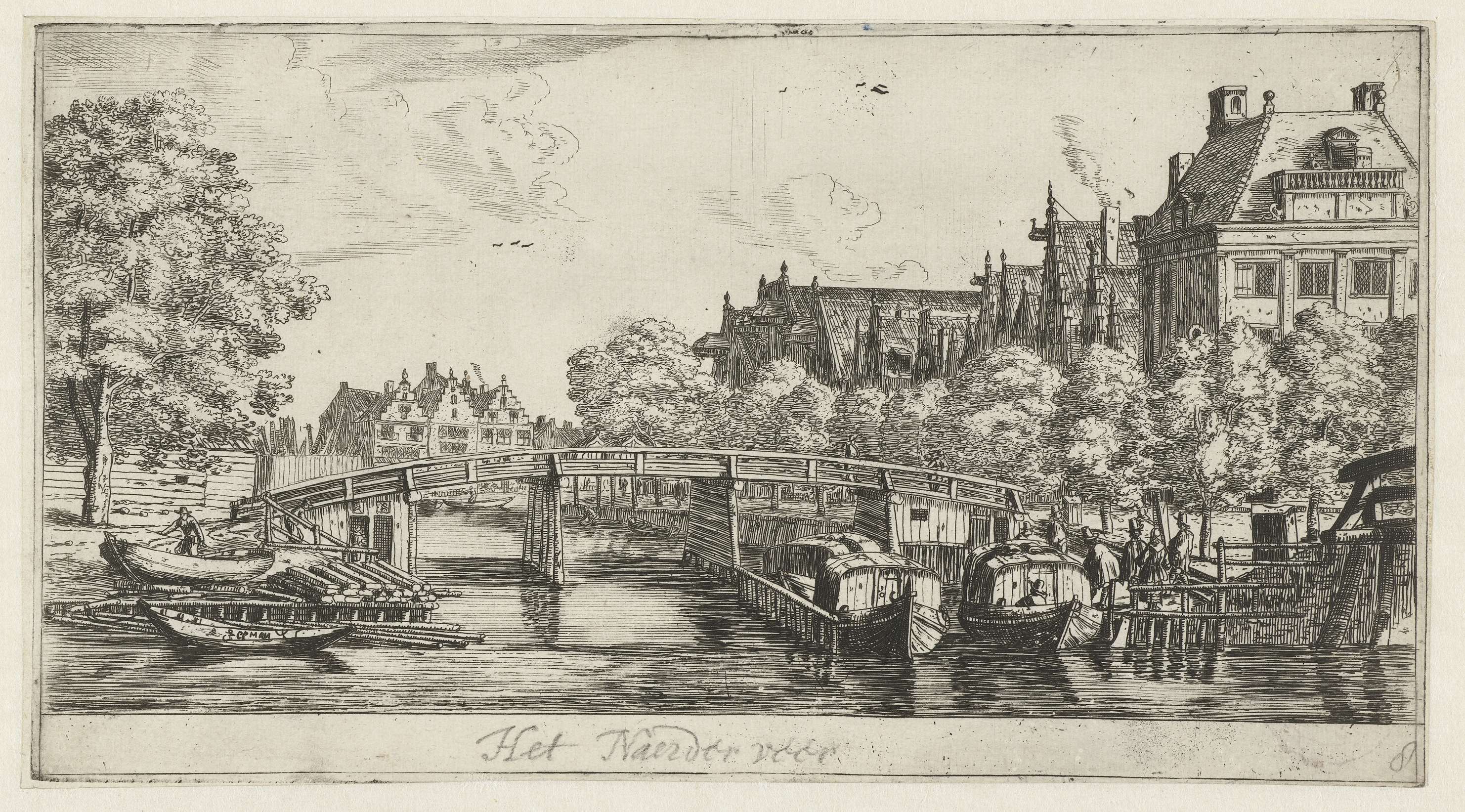
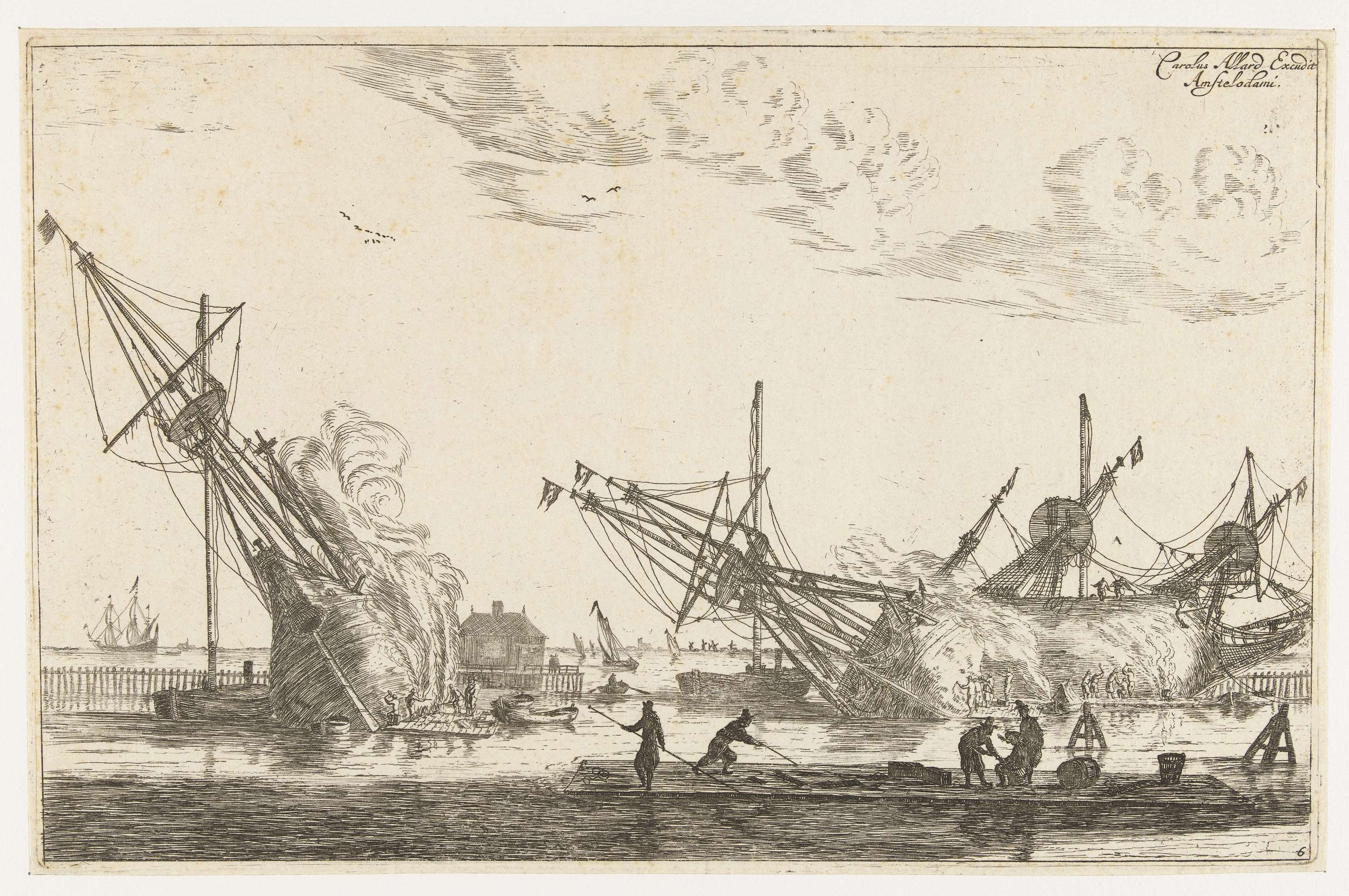
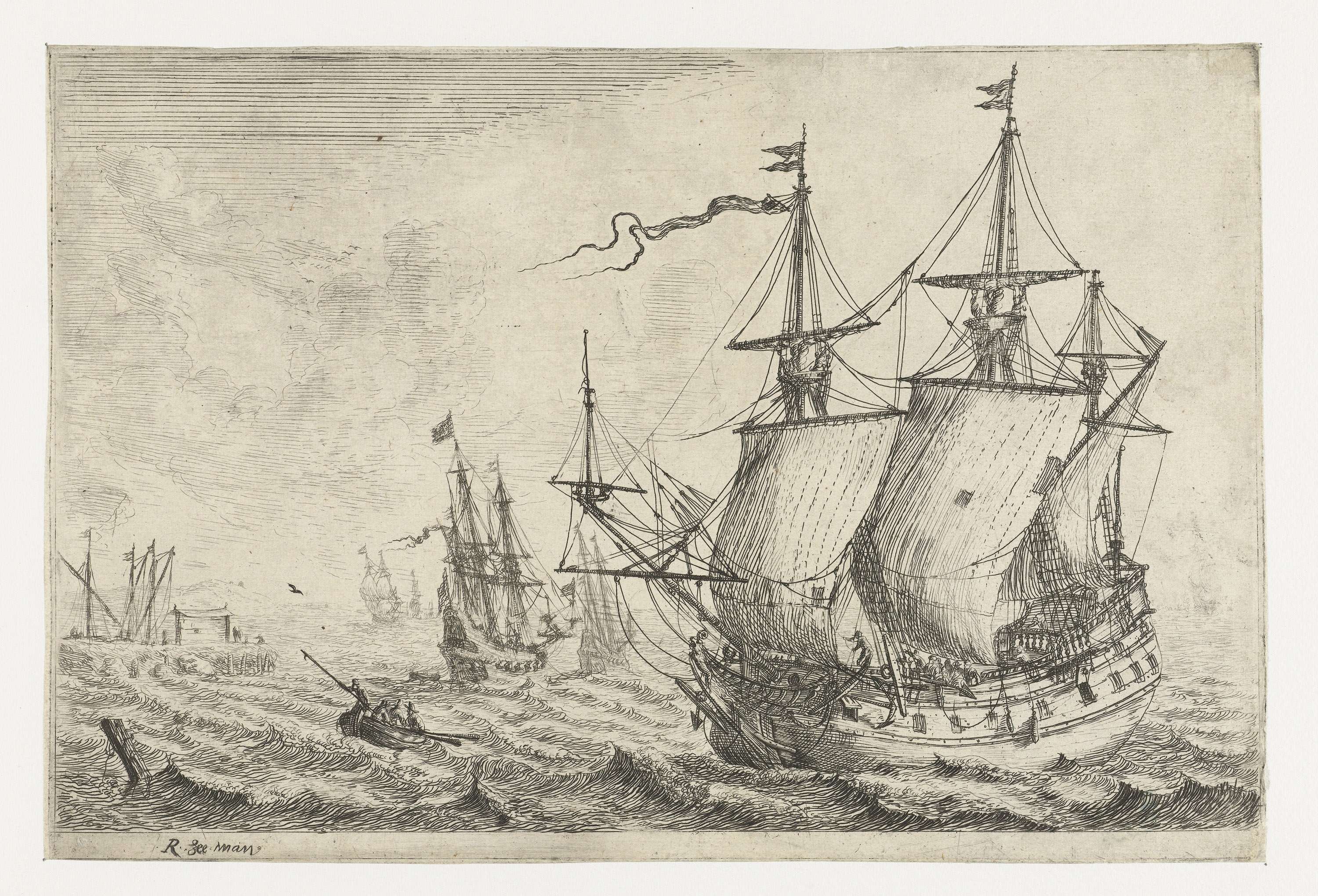
“The canvas doesn’t lie — it simply waits.” In the stillness of a moment captured in time, one can feel the pulse of ecstasy beneath the tranquil surface of the water. This painting invites the viewer into a contemplative space, where the gentle embrace of nature intertwines with the human experience. Look to the left at the vibrant greenery that borders the waterway, the brush strokes almost alive in their vigor. The play of light reflects off the surface of the water, creating a shimmering path that leads the eye deeper into the scene.
Notice how the muted tones of earth and sky harmonize with the lively details of boats lazily drifting, each element carefully composed to evoke a sense of peace and harmony. Within this idyllic portrayal lies a deeper resonance — the juxtaposition of stillness and movement, of nature and man. The boats hint at a life of commerce and camaraderie, yet the surrounding silence suggests solitude and introspection.
Each ripple in the water dances with the possibility of unspoken stories, allowing viewers to project their own narratives onto the serene canvas. During the mid-17th century, Reinier Nooms created this piece amidst a flourishing moment in Dutch painting, where landscapes became a means of escape and reflection. Having transitioned from marine scenes to inland waterways, he sought to evoke a sense of identity and place in a rapidly changing world, capturing both the beauty of nature and the subtleties of human connection within it.