Gezicht op het hoofdgebouw van buitenplaats Hofwijck Hofwijck — History & Analysis
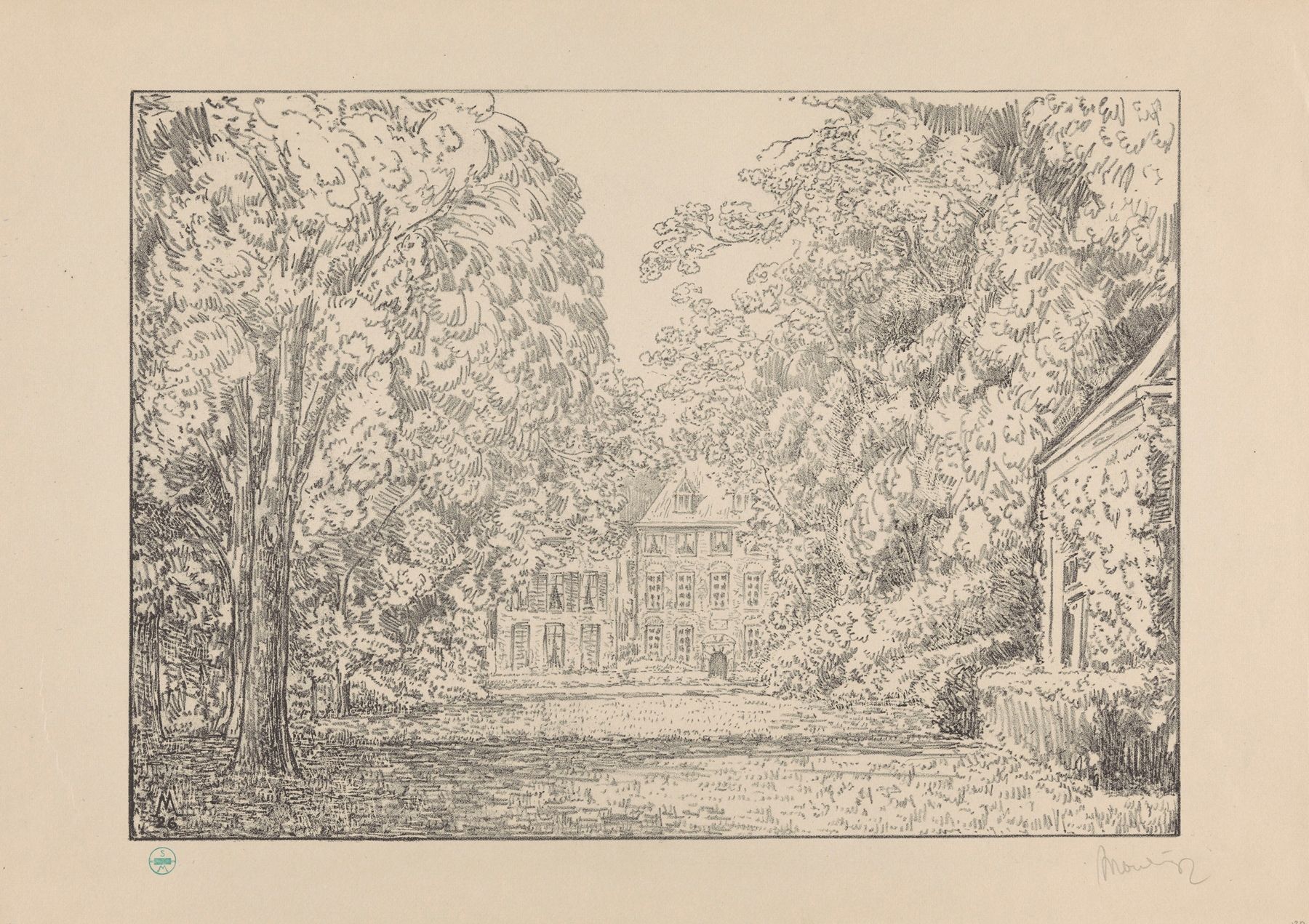
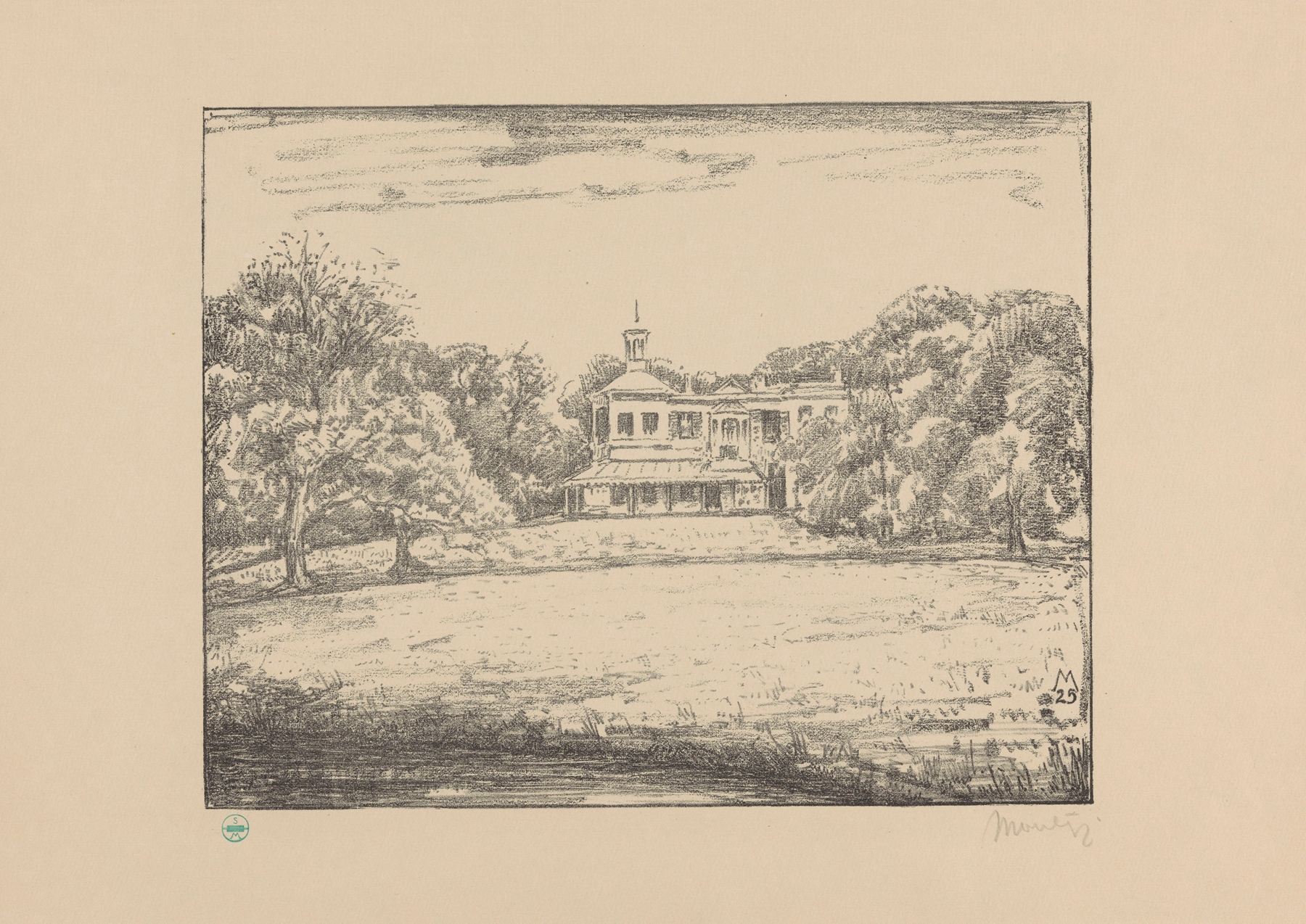
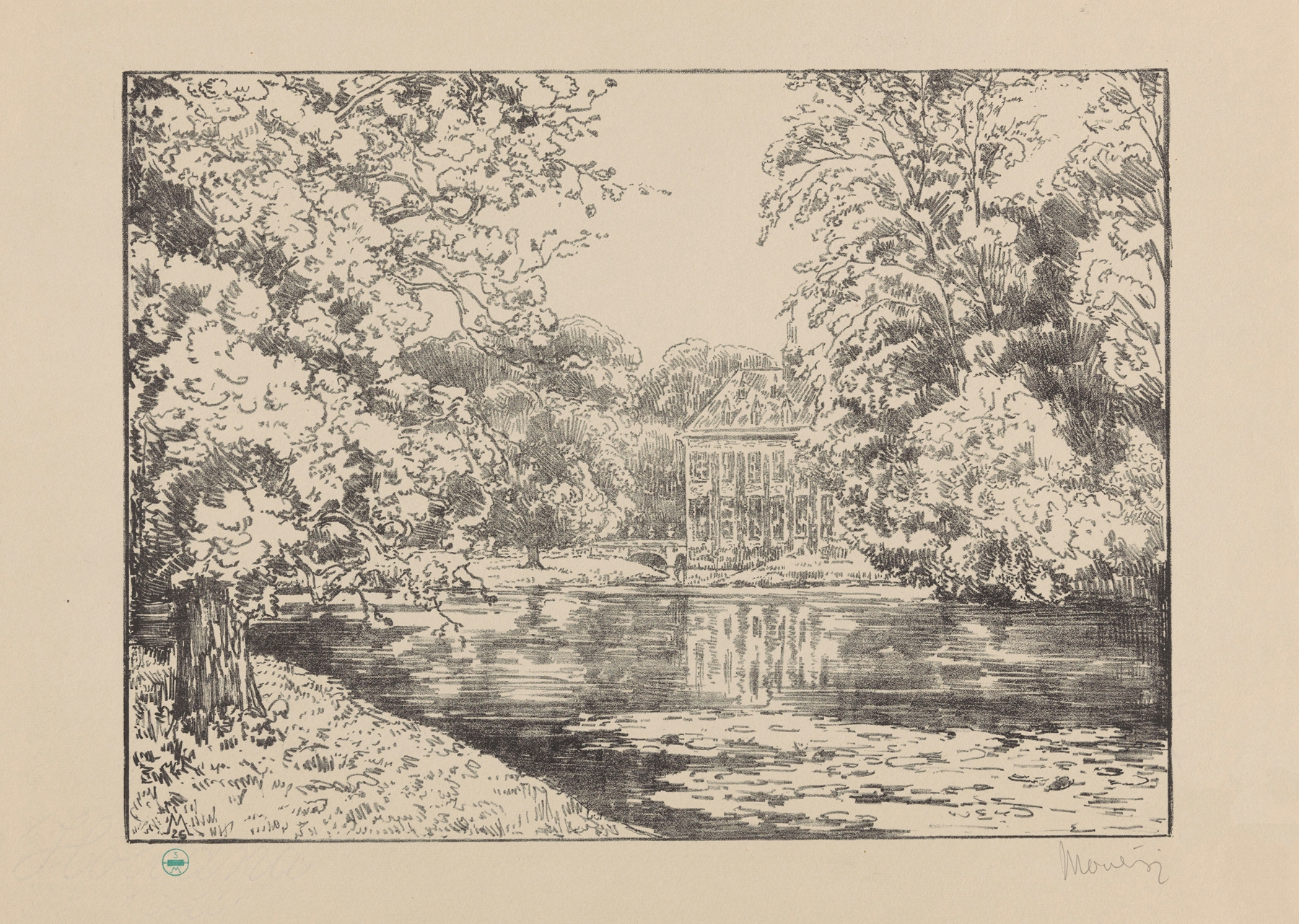
“To paint is to remember what time wants us to forget.” This notion resonates deeply within the canvas, where both time and memory converge in a landscape of transformation. Focus your gaze on the stately façade of the main building, which commands attention at the center. Subtle hues of ochre and muted greens breathe life into the structure, depicting the harmony of architecture with nature. Notice how the play of light casts gentle shadows, revealing intricate details of the windows and doorways, inviting you to imagine the lives that once filled these spaces.
The surrounding trees form a protective embrace, their leaves whispering secrets of change and continuity. As you delve deeper, consider the contrast between the solid, enduring architecture and the ephemeral beauty of nature that surrounds it. Each brushstroke captures a moment suspended in time, suggesting that while the building stands resilient, the garden around it undergoes cycles of rebirth. The interplay of light and shadow reflects the transient nature of life and memory, evoking feelings of nostalgia and a longing for what has passed.
This is not merely a depiction of a building; it is a meditation on the passage of time and the stories etched into its walls. Created in 1929, this work reflects Simon Moulijn's keen observation of the interplay between civilization and nature. At this time, Moulijn was actively exploring themes of transformation in his art, coinciding with the broader movements within Dutch painting that sought to capture contemporary realities. The era was marked by a shift towards modernism, where artists began to embrace new perspectives on familiar subjects, illustrating a complex dialogue between history and the present.