Gezicht op het Klokhuis te Overveen, — History & Analysis
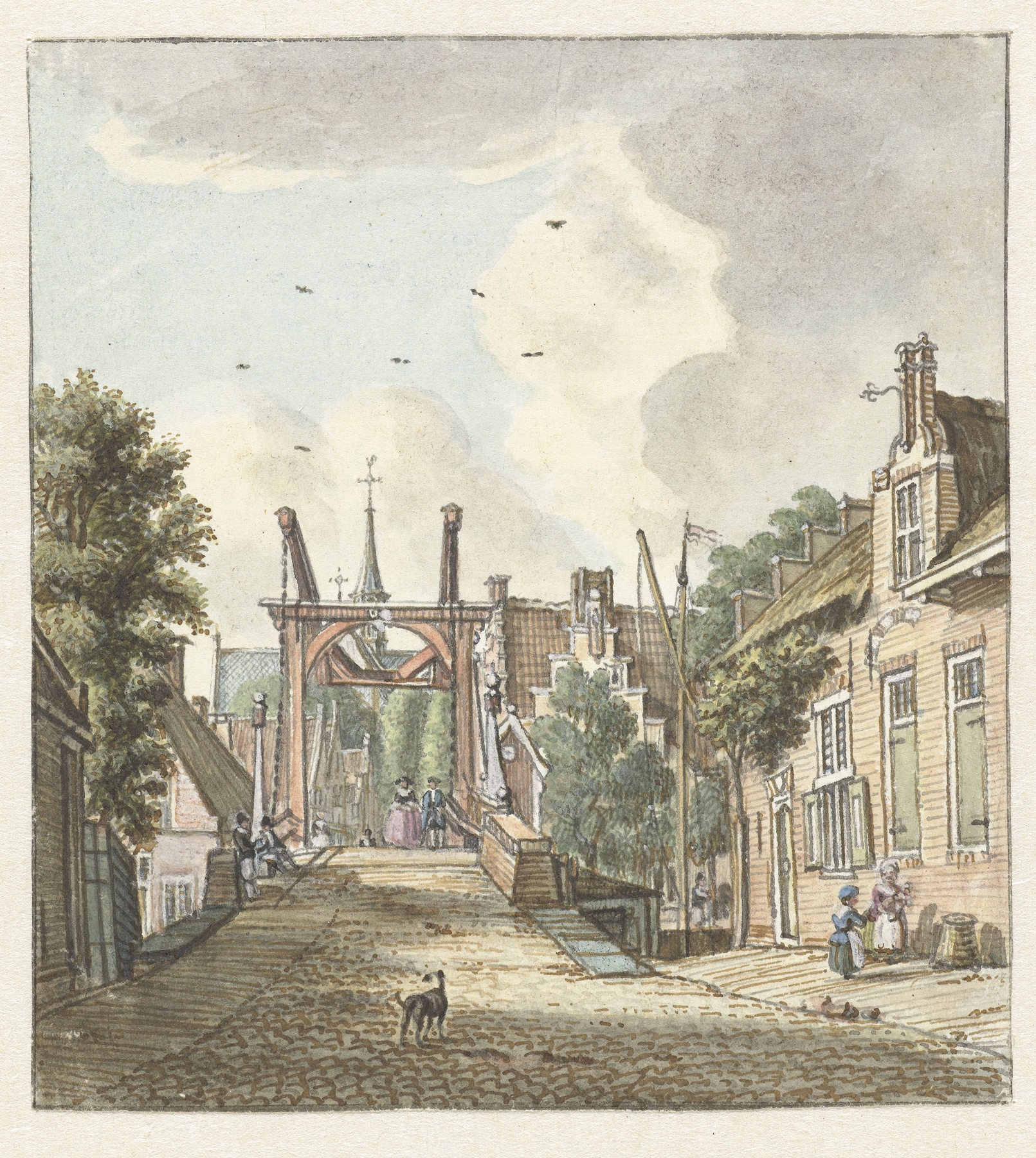
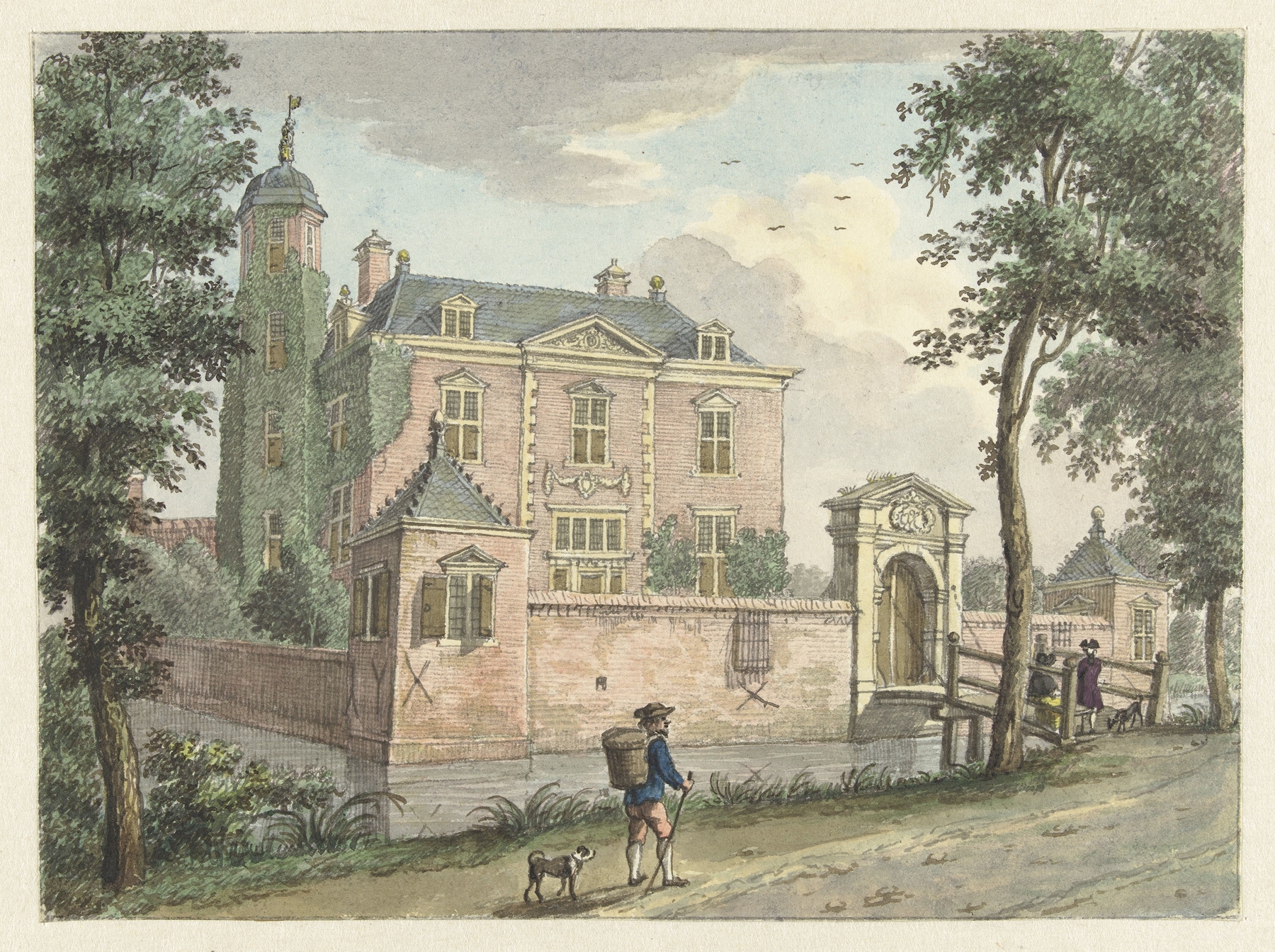
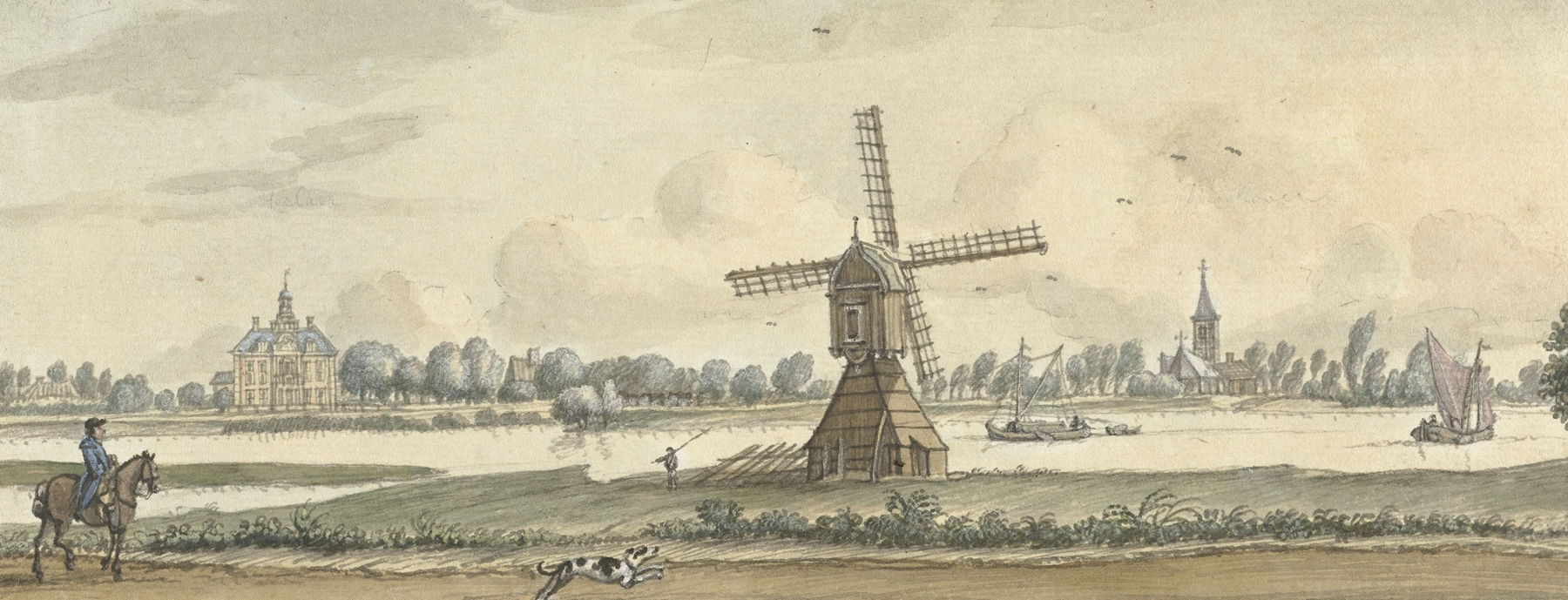
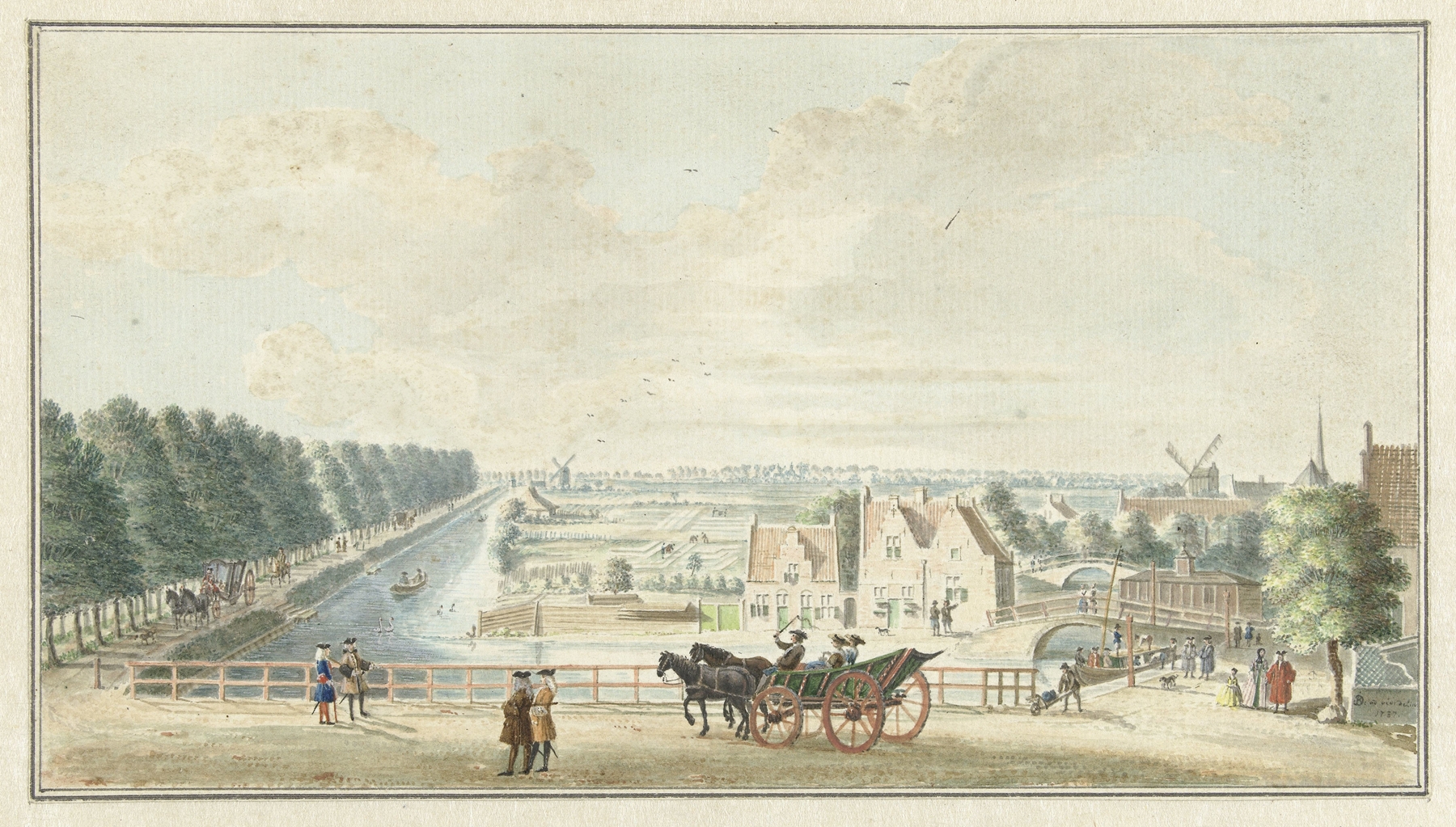
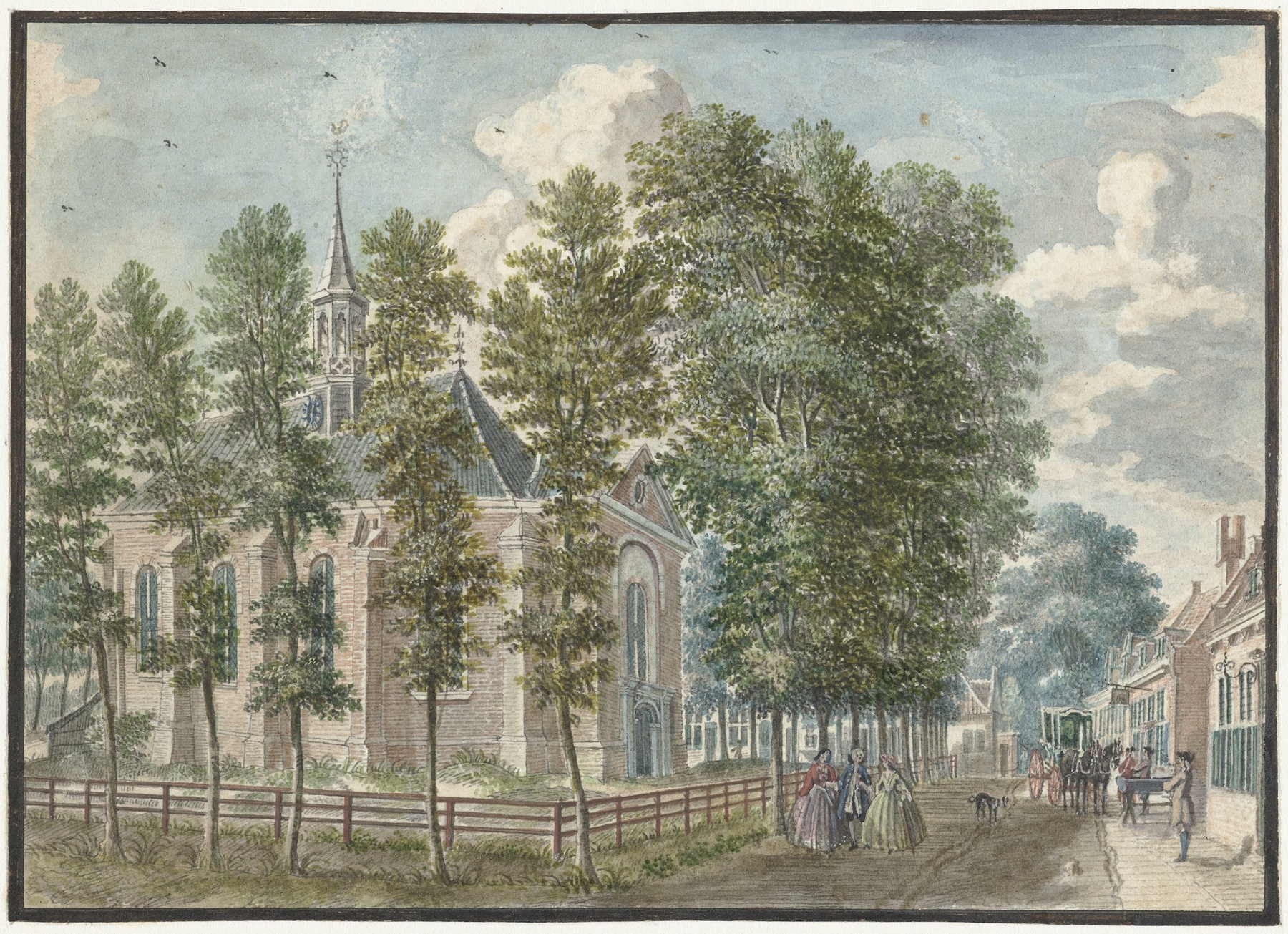
What if silence could speak through light? In the stillness of Gezicht op het Klokhuis te Overveen, the chaos of nature and human existence melds into a serene dialogue, inviting contemplation. Look to the left at the gentle ripples of the water, where soft hues of blue and green dance beneath the light. The sun kisses the landscape, illuminating the charming wooden structure of the Klokhuis, while shadowed trees stand sentinel, their silhouettes contrasting the vibrancy of the scene.
The artist expertly employs a palette of earthy tones, creating a harmonious balance between the rigid lines of architecture and the fluidity of the natural world surrounding it. Upon closer inspection, the painting reveals layers of emotional complexity. The tranquil surface of the water belies the underlying turmoil of chaotic life—each ripple hints at movement just below. Notice the clouds above, painted with a tumultuous energy that suggests a brewing storm or perhaps the memory of past turmoil.
Together, these elements weave a narrative of balance, indicative of the relationship between humanity and nature—a delicate dance of order amidst chaos. Jan de Beijer captured this moment in the 18th century, a time when the Dutch art scene was flourishing, and landscapes began to reflect deeper philosophical inquiries. Working around 1750, he found his voice through detailed observations of his surroundings, expressing both the beauty and tumult of the world. This era witnessed a shift in artistic focus toward the interplay of light and shadow, mirroring the complexity of human experience in an ever-changing landscape.