Gezicht op stadswallen van Naarden Op de wallen — History & Analysis
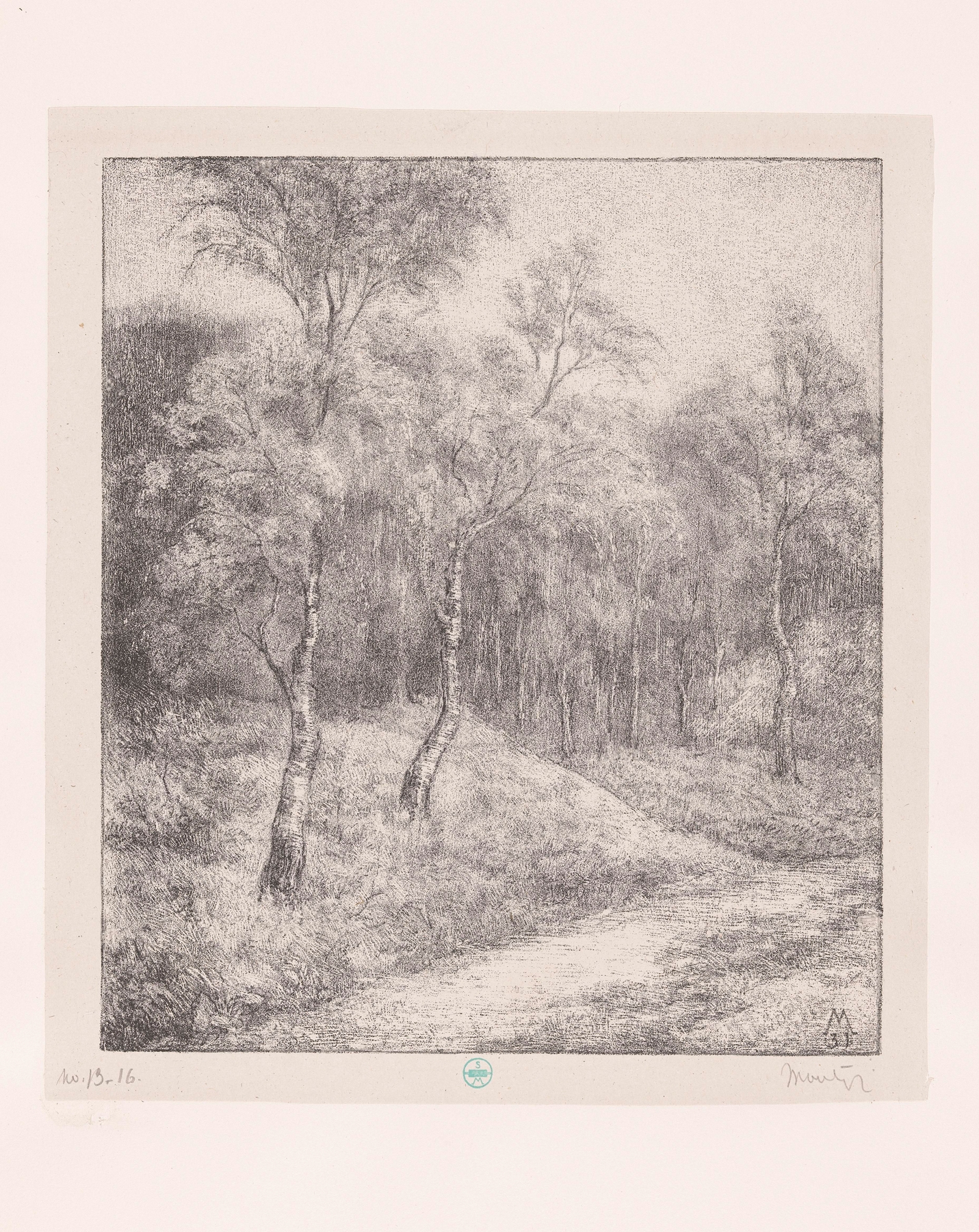
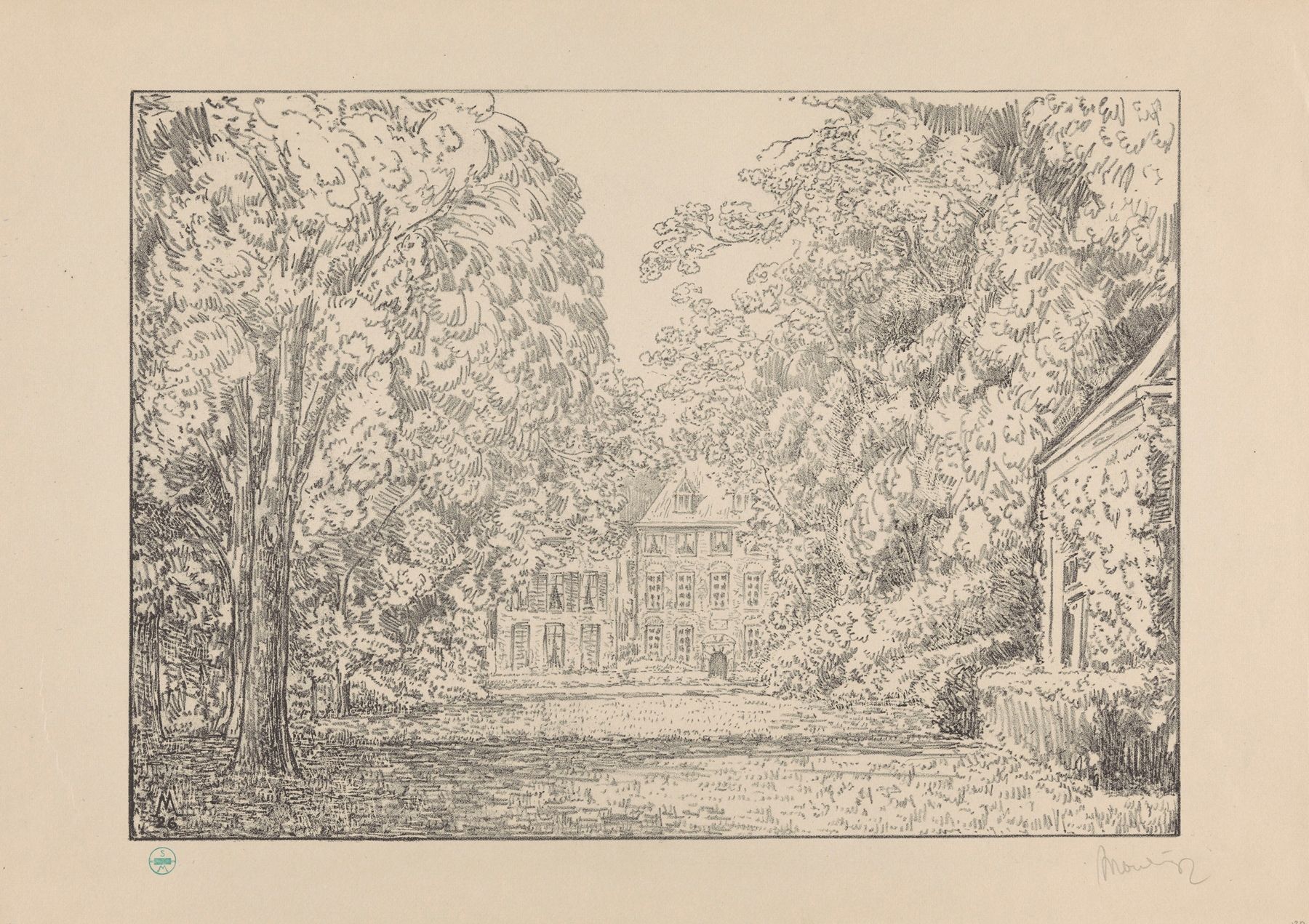
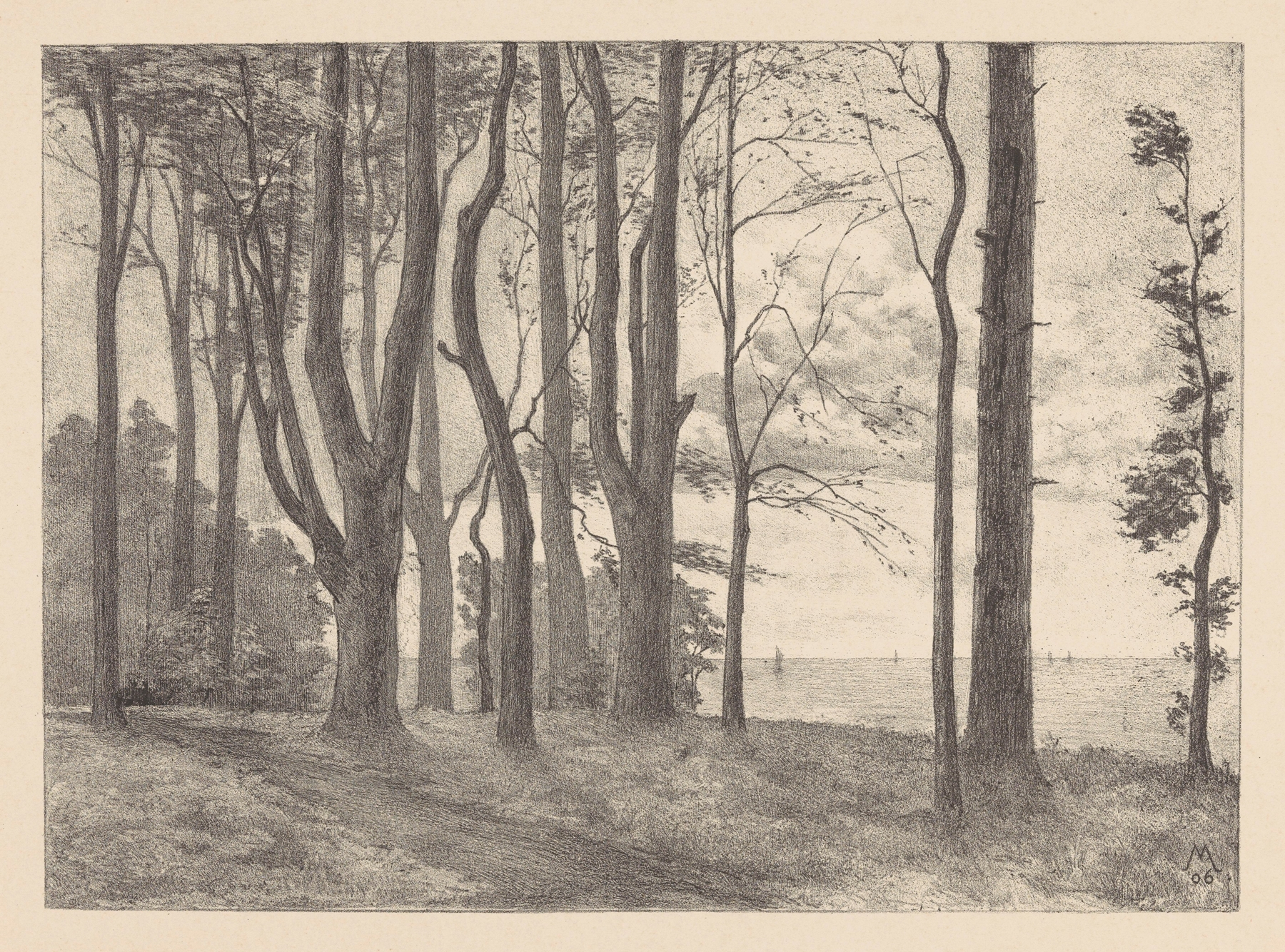
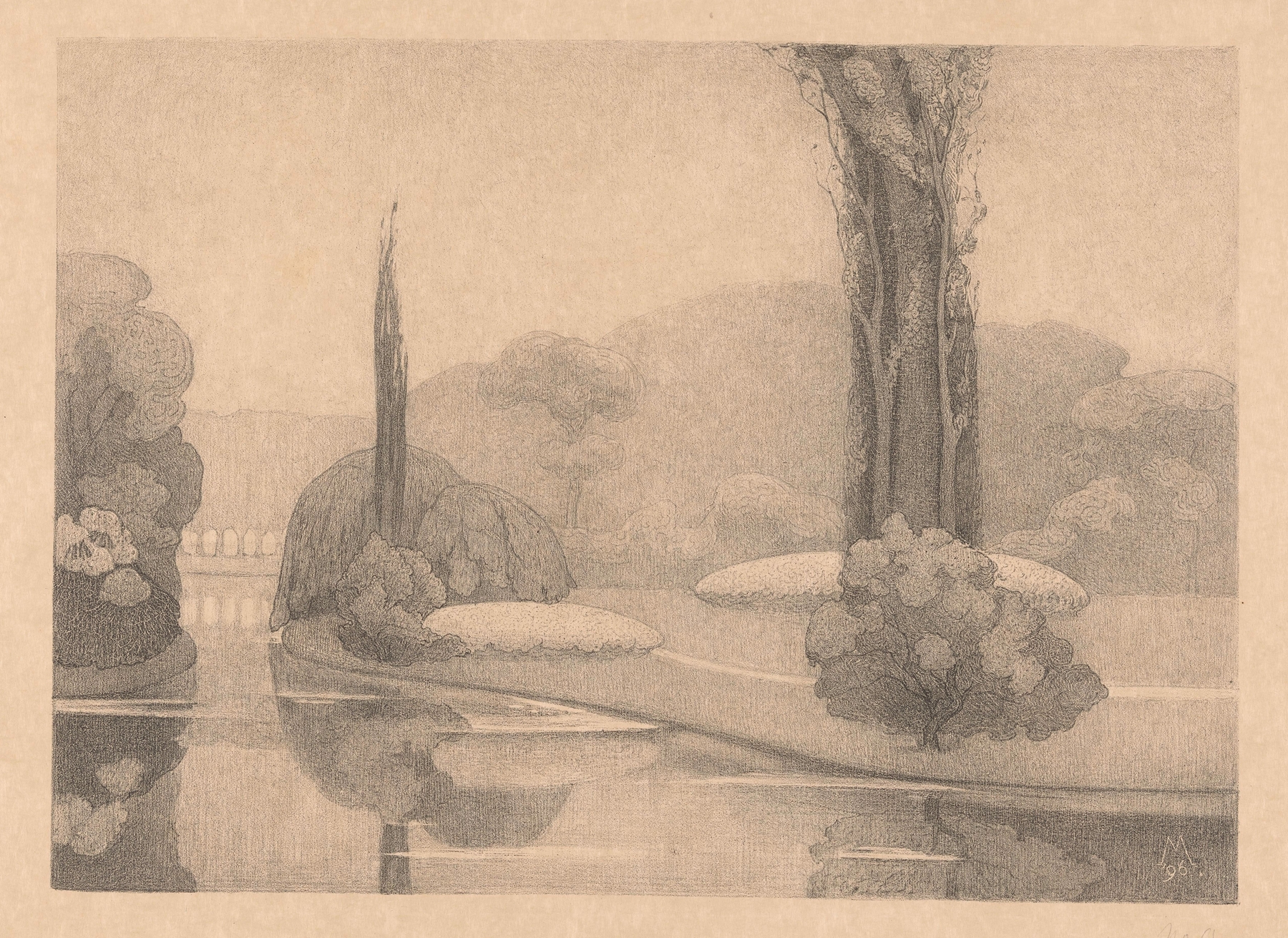
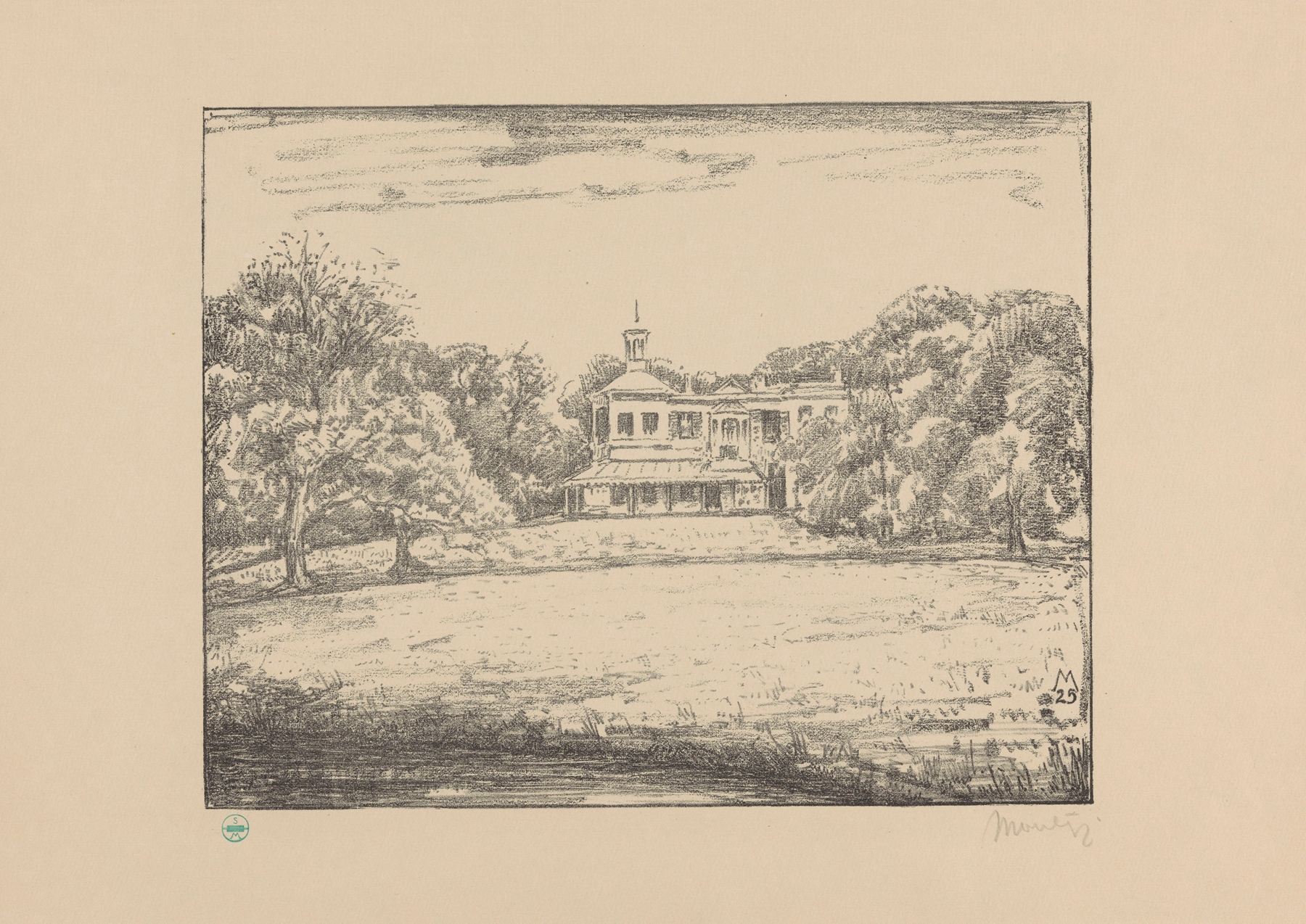
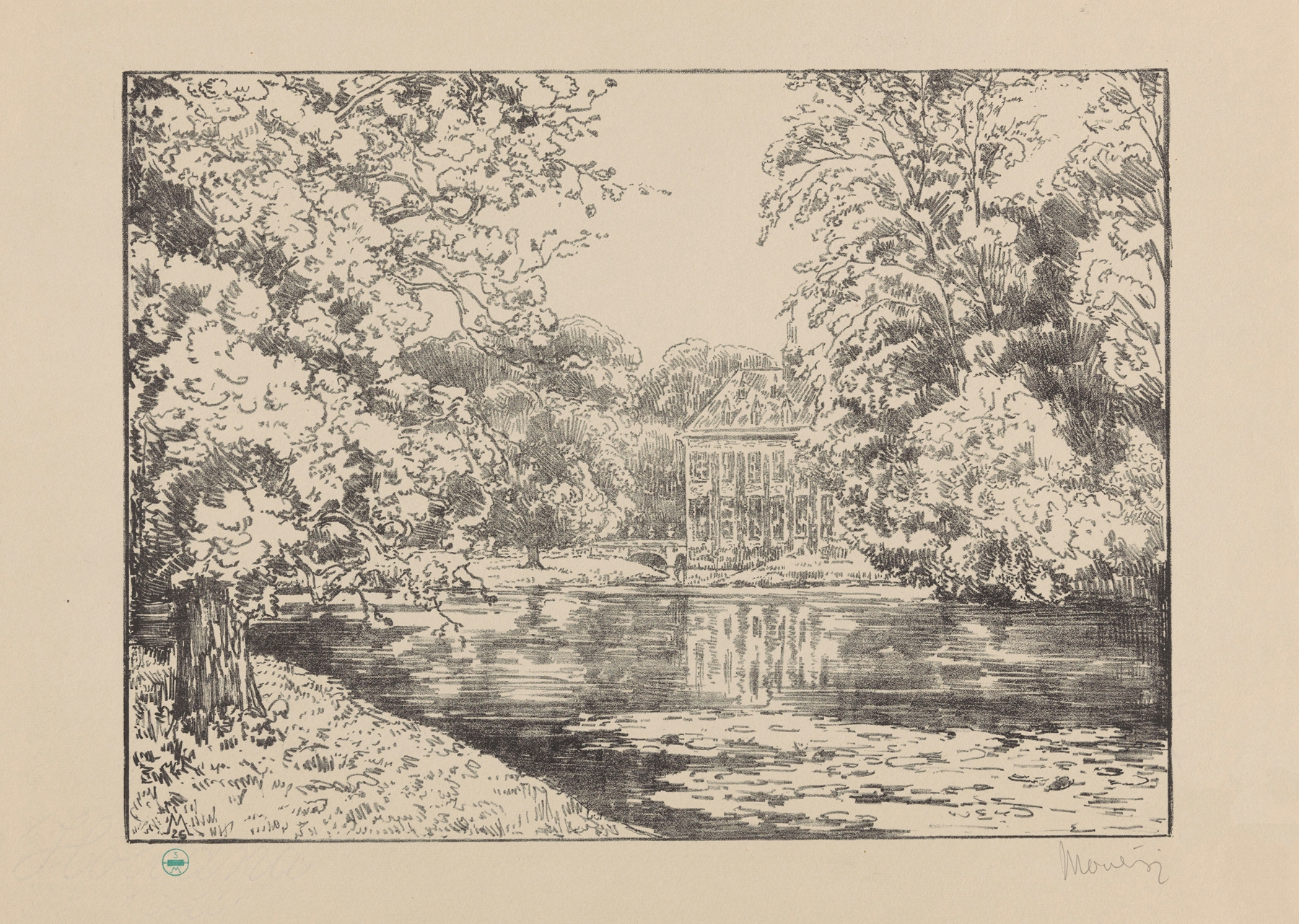
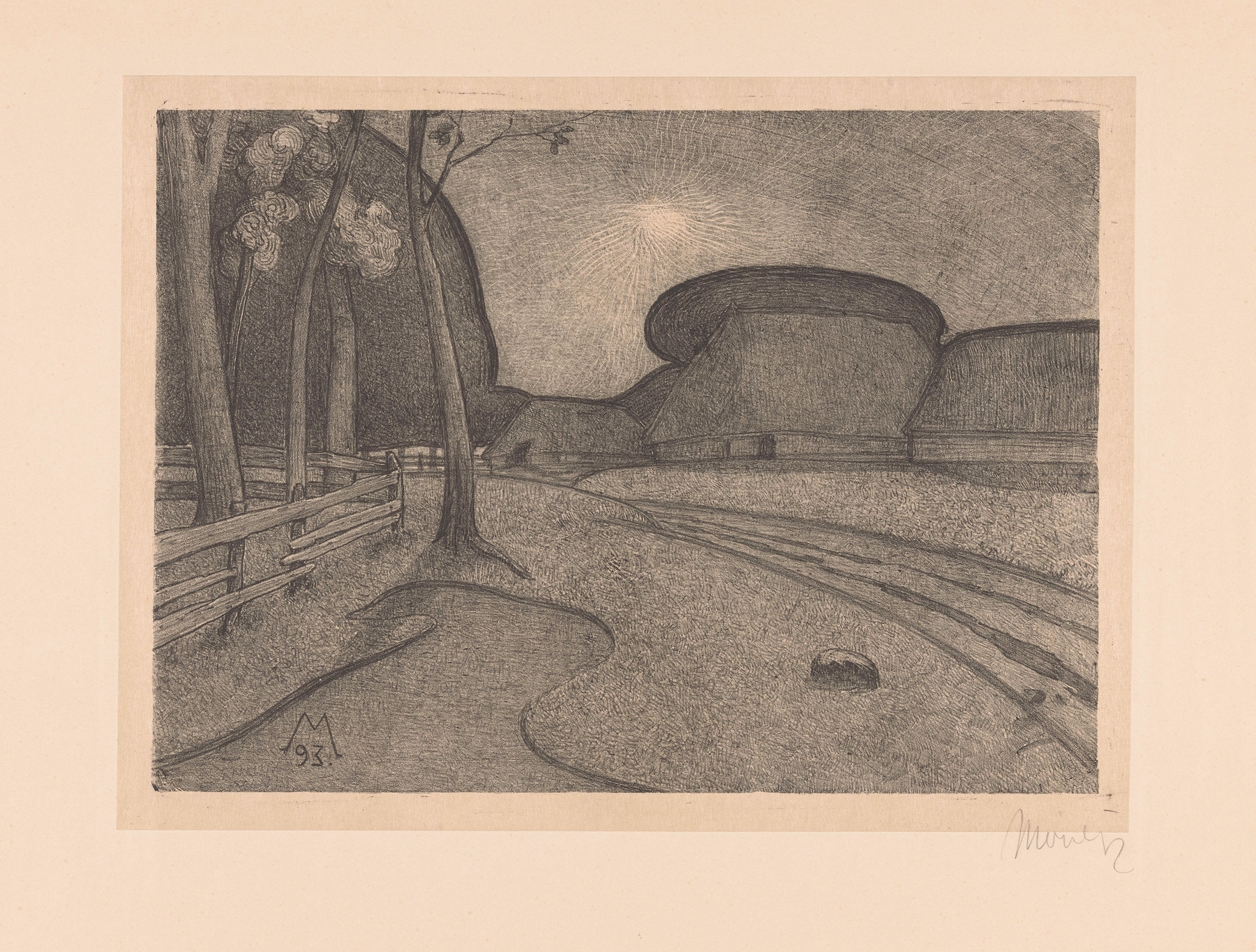
Can paint confess what words never could? In Simon Moulijn’s Gezicht op stadswallen van Naarden Op de wallen, a world emerges that transcends mere representation, inviting the viewer into a dialogue of intimacy and depth. Look to the left at the warm hues of the sunset, casting a golden light over the ancient walls; notice how the play of shadow and light brings texture to each stone, suggesting a history of resilience. The gentle brushwork captures the soft undulations of the landscape, while the tranquil waters reflect a serene and contemplative mood.
The composition is anchored by the walls of Naarden, their formidable presence both welcoming and imposing, creating a delicate balance between nature and manmade structures. Beneath the surface, there lies an emotional tension between permanence and transience. The steadfastness of the city walls contrasts with the fleeting beauty of the sunset, evoking a poignant sense of nostalgia. Each element holds significance: the lush greenery symbolizes life and renewal, while the calm waters speak to introspection.
This interplay of elements suggests a profound conversation about the passage of time and the stories held in silence. In 1933, Moulijn was immersed in the Dutch art scene, a time marked by experimentation and a shift towards realism. Living in the Netherlands, he was influenced by the picturesque landscapes of his homeland, capturing their essence in a style that balanced detail with lyrical beauty. The world was recovering from the aftermath of World War I, and his work reflects a yearning for peace and continuity amidst change.