Gierigheid (Avaritia) — History & Analysis
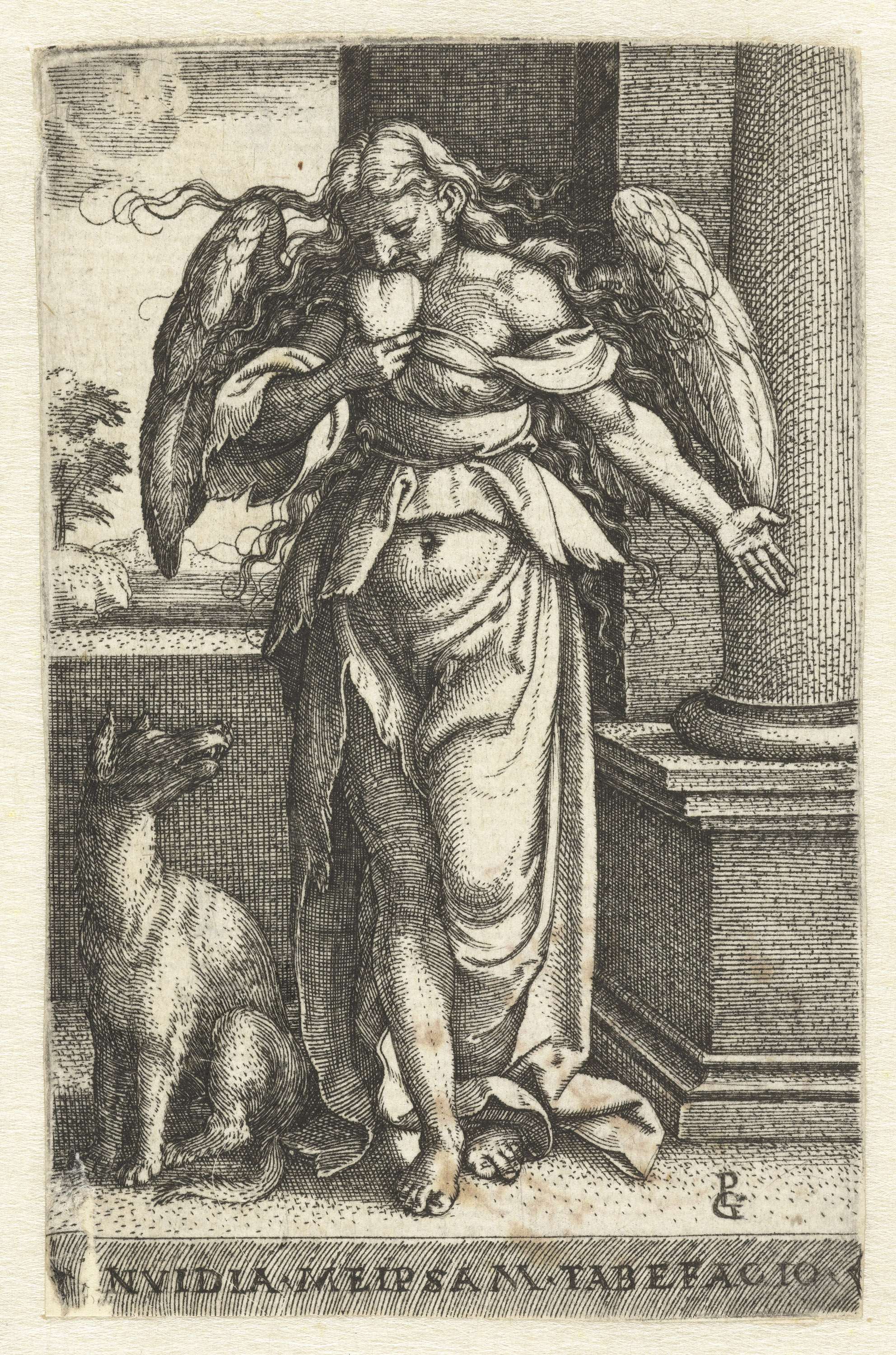
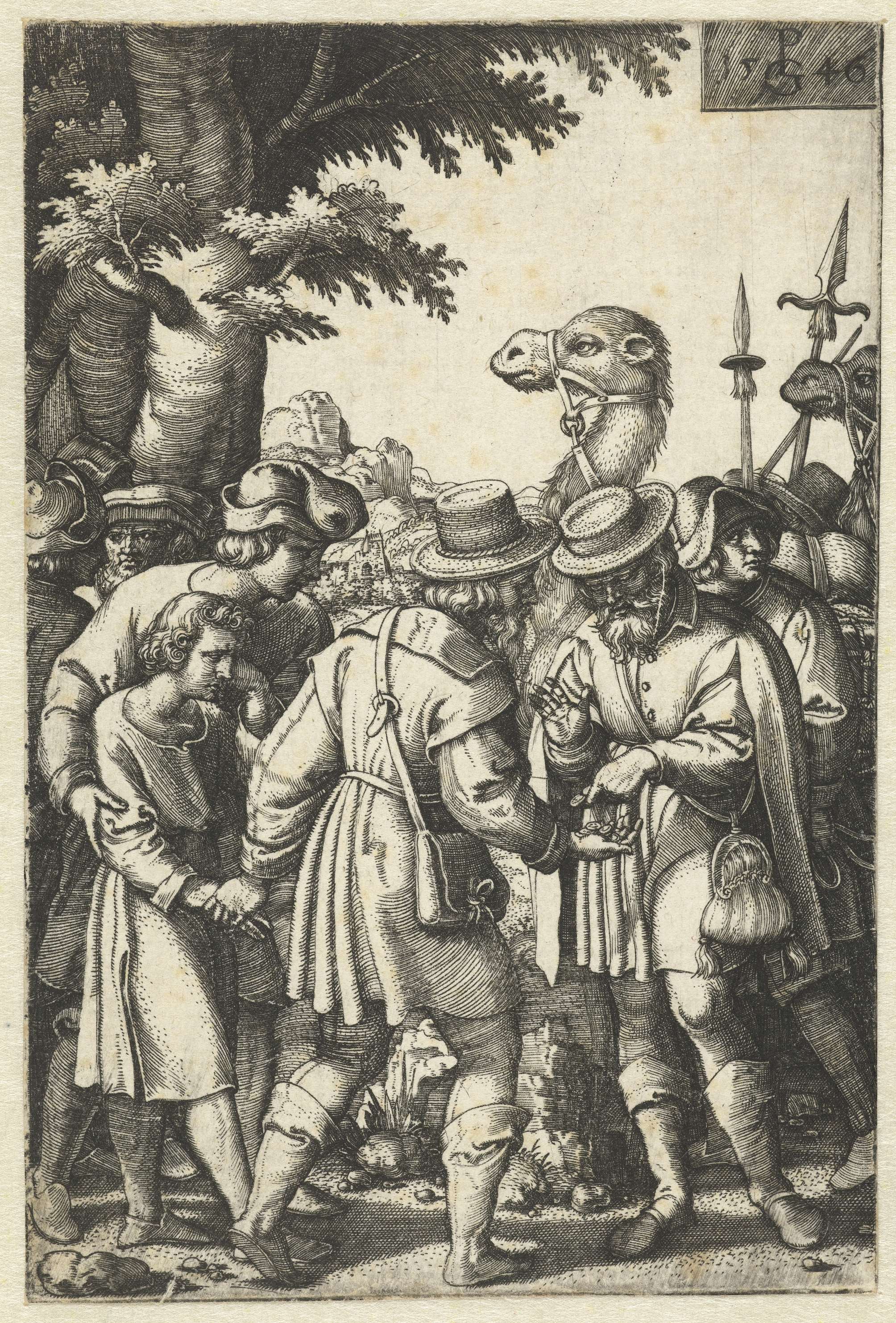
“Every brushstroke is a heartbeat remembered.” In a world where light reveals and conceals, how does one navigate the shadows of desire? Look closely at the gentle gradation of light across the central figure, whose emerald robes shimmer with a gilded richness that hints at both opulence and emptiness. Notice how the artist’s deft hand captures the delicate interplay of shadow and illumination, drawing your gaze toward the avaricious hand grasping the overflowing gold coins—each one a promise and a burden. The meticulous attention to detail evokes a sense of palpable tension, as if the very fabric of greed is woven into the canvas itself.
The contrasting textures of the fabrics and objects create a dialogue between the tangible and the intangible. The figure's averted gaze signals a deeper internal struggle, suggesting a disconnect between desire and fulfillment. Each coin, glistening in the light, reflects not just wealth, but a haunting emptiness—the emotional cost of insatiable greed. In this moment, the viewer is left to ponder the allure and isolation of wealth, a paradox captured in every meticulous brushstroke.
In the years 1539 to 1543, the artist found himself in Nuremberg, immersed in a time of change within the artistic world, transitioning between late Gothic and early Renaissance styles. Though Gierigheid embodies the moral lessons common in Northern Renaissance art, it also reflects Pencz's personal exploration of human emotion and vice. This period was marked by both an abundance of wealth and the burgeoning debates on morality, making this work a poignant commentary on the complexities of human nature.