Gray Day on the Bay — History & Analysis
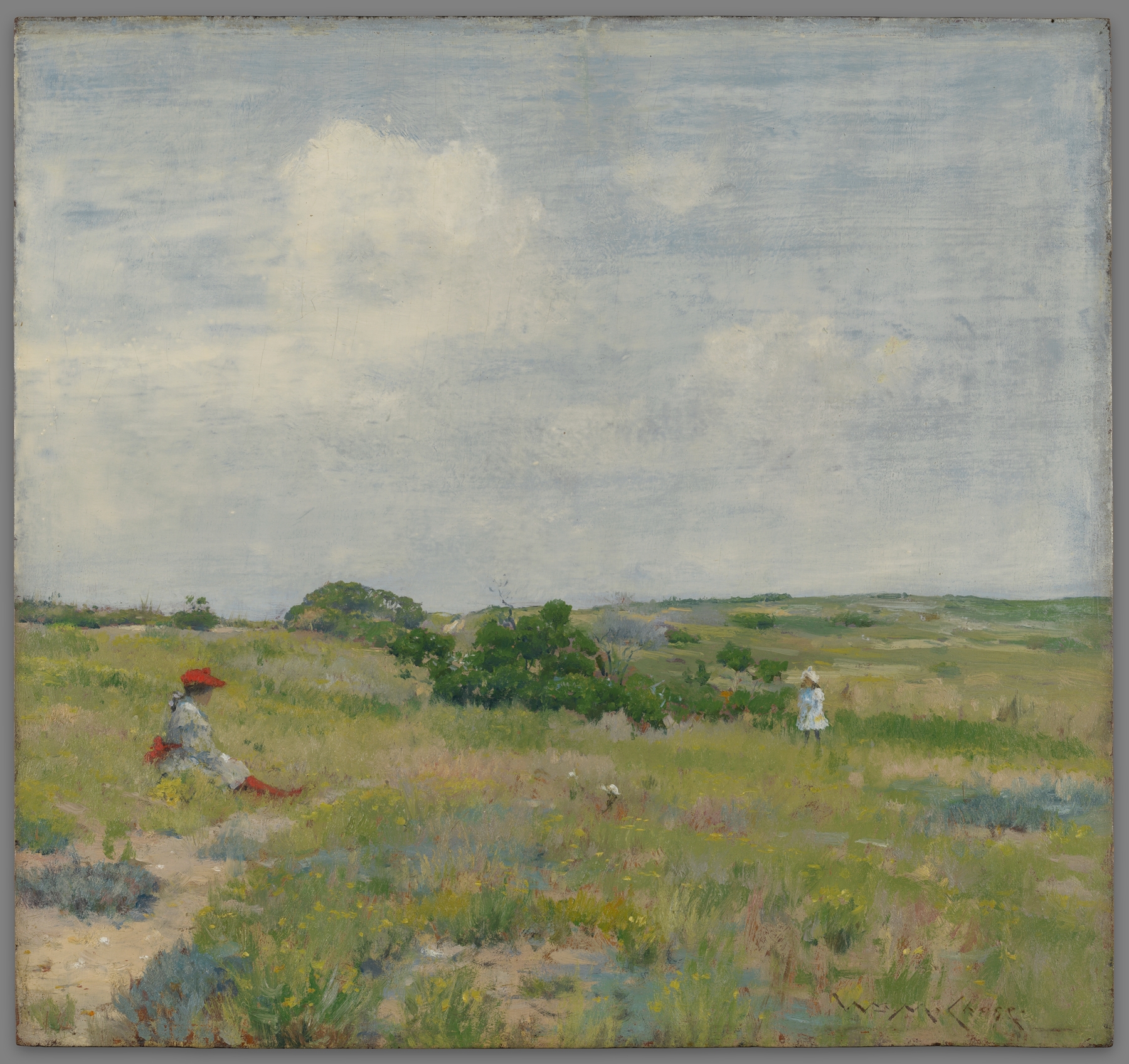
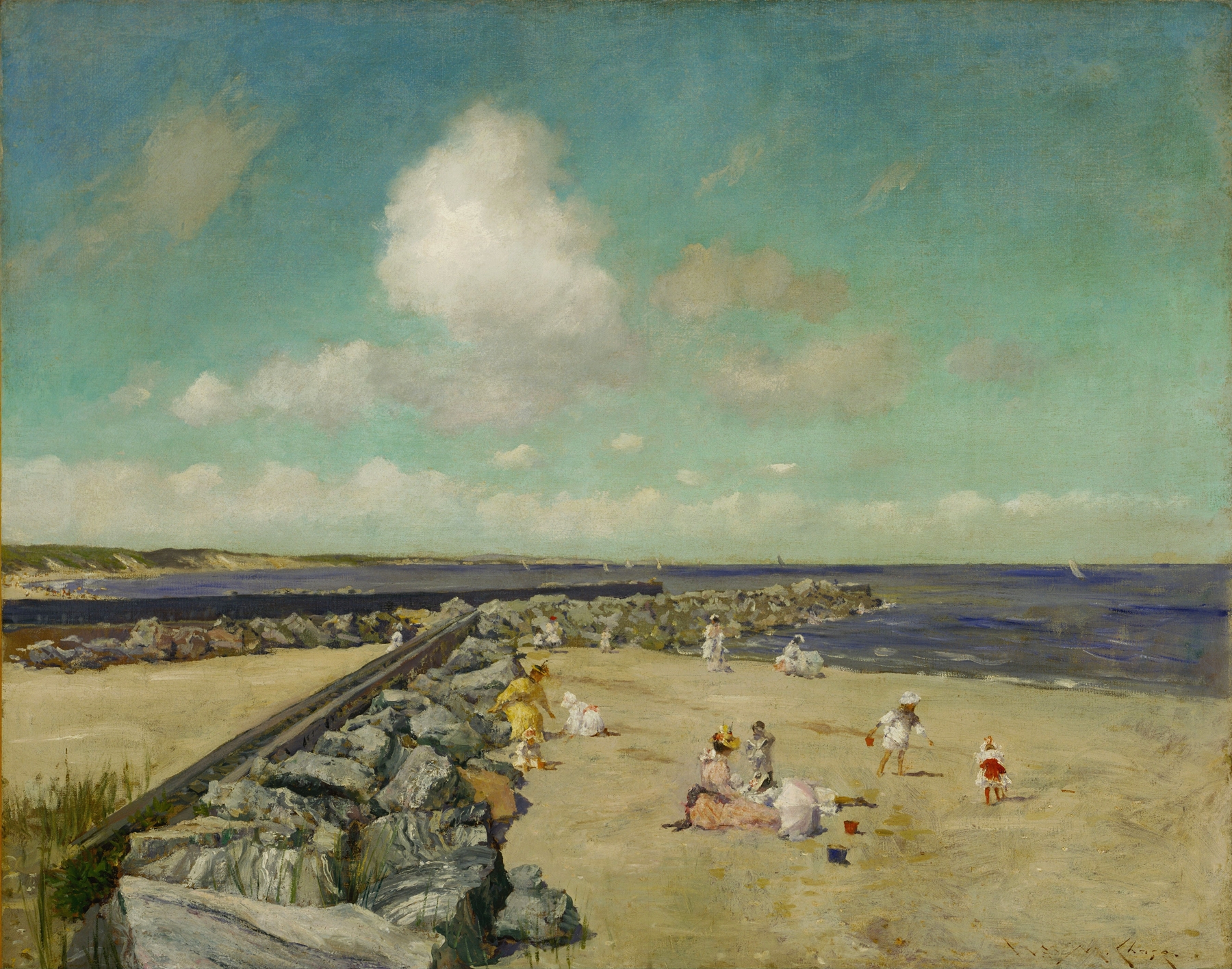
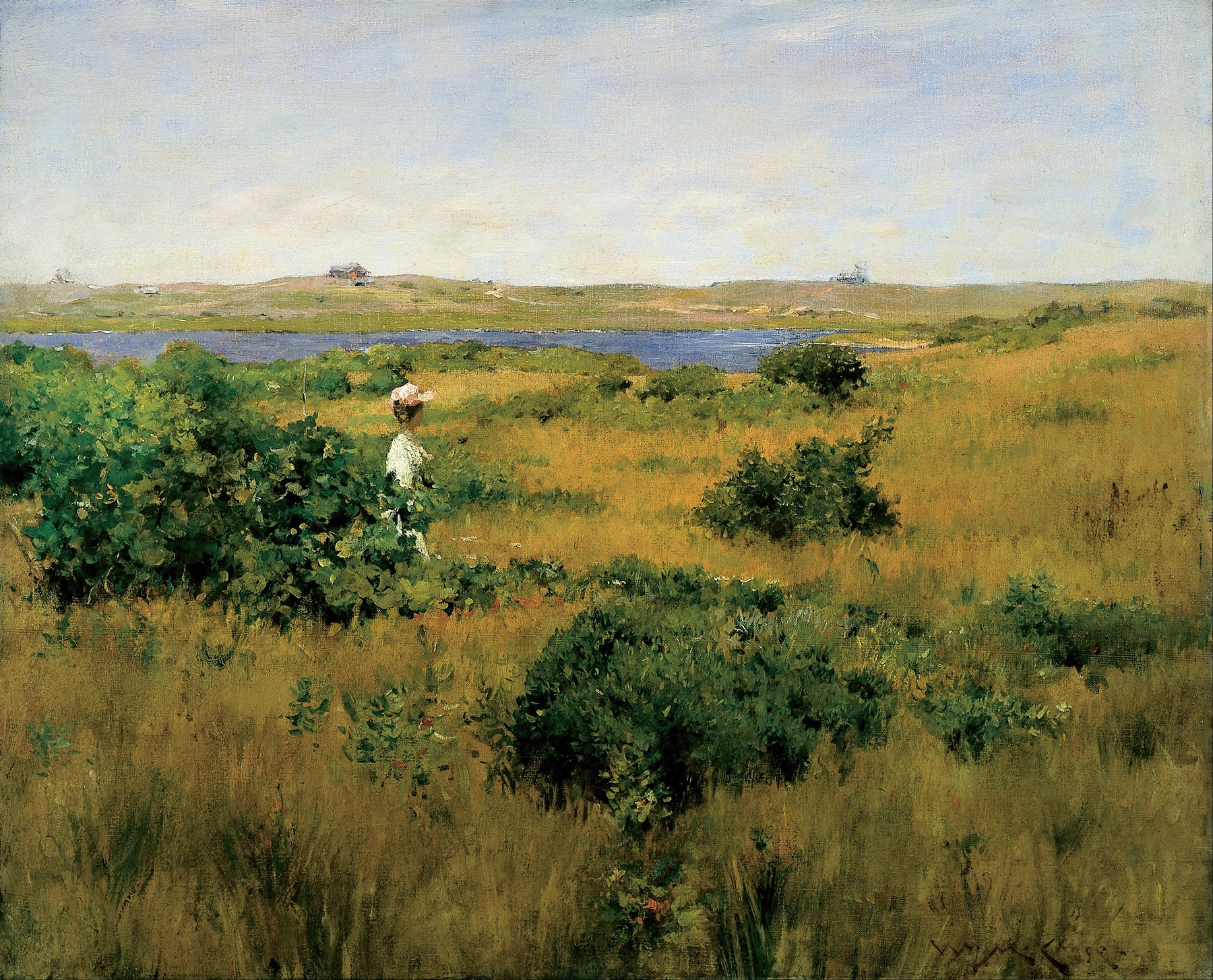
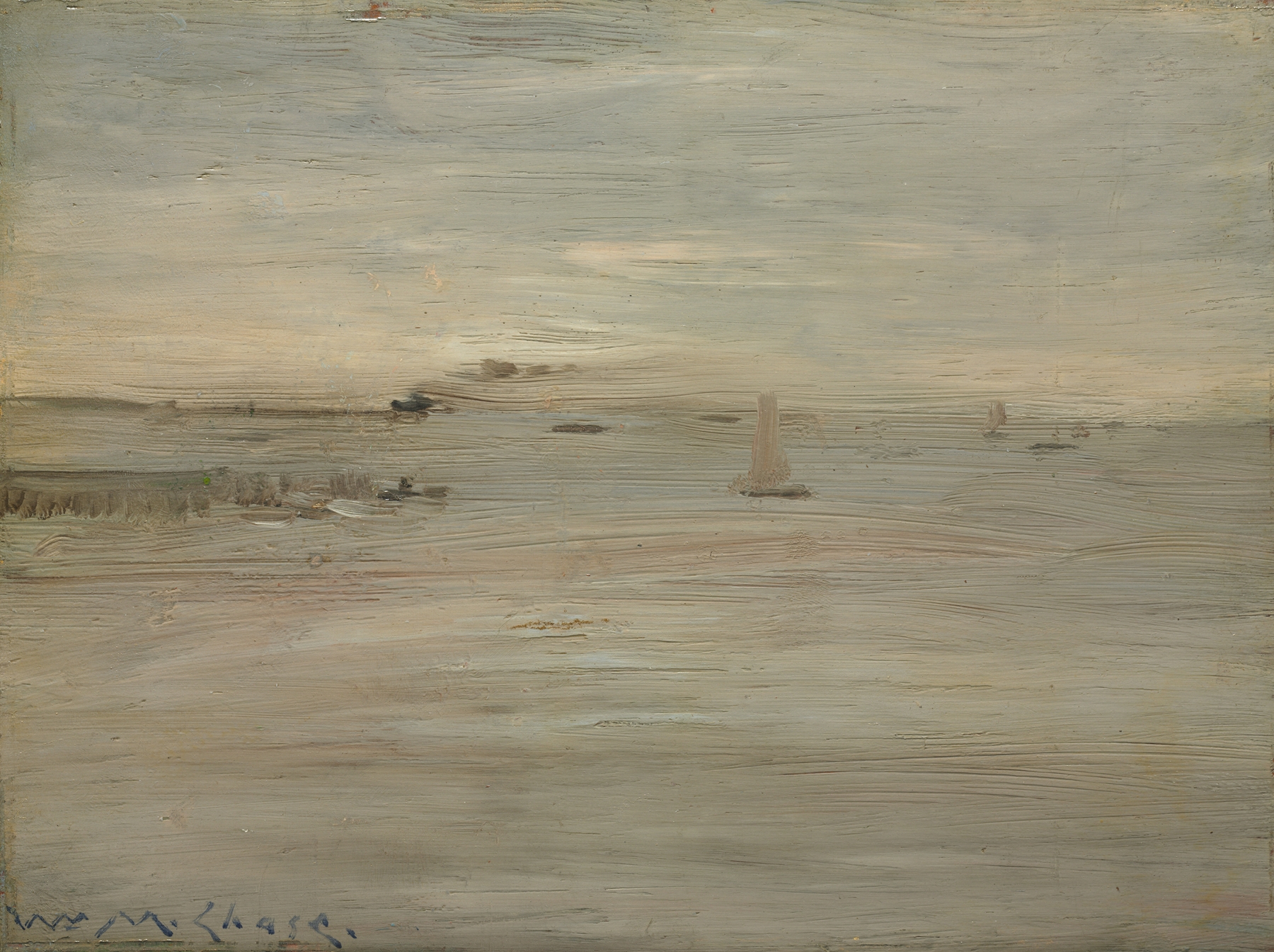
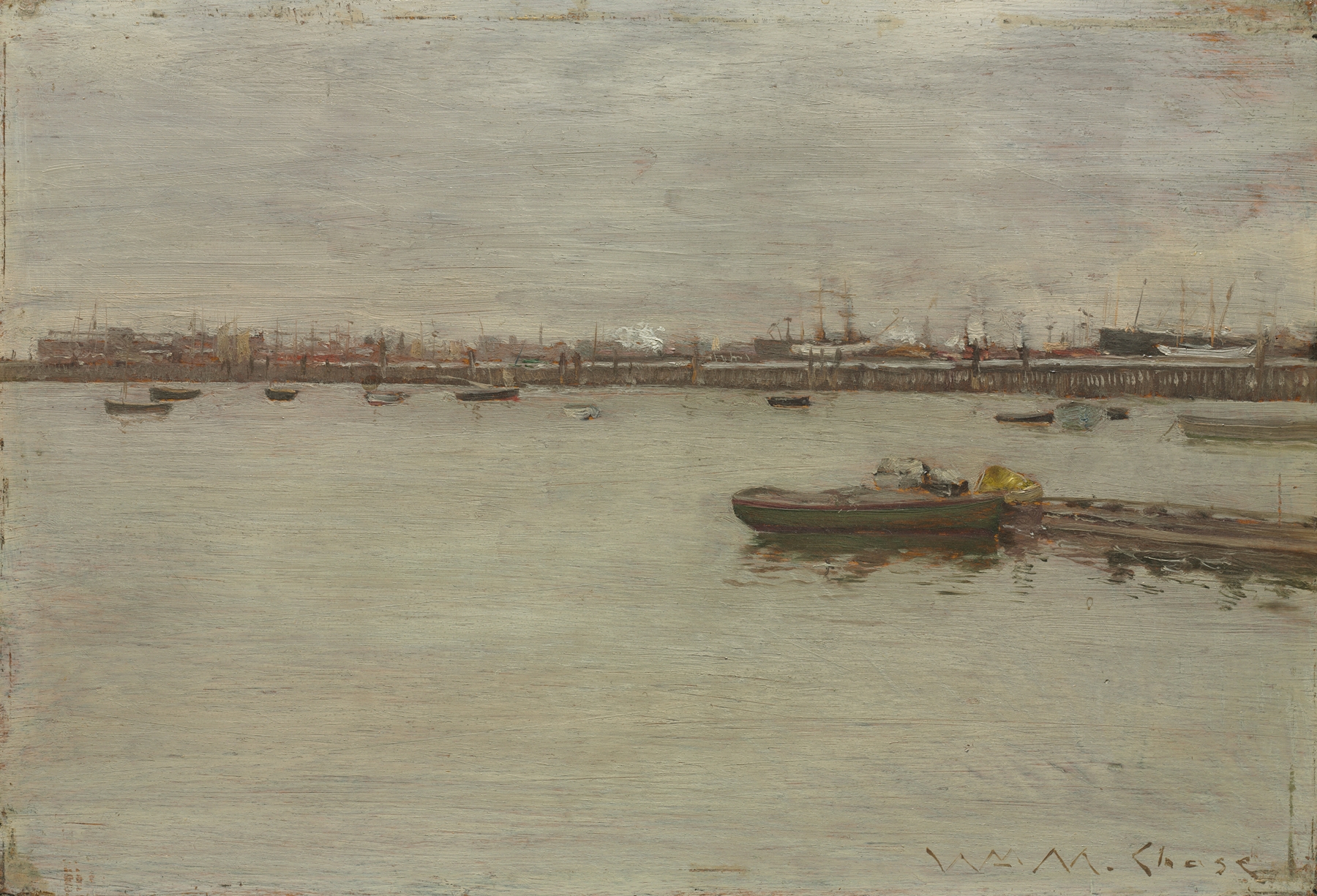
“Sometimes beauty is just pain, disguised in gold.” This reflection resonates deeply within the atmosphere of Gray Day on the Bay, where tranquility dances with an undertone of melancholy. Look closely at the horizon, where muted grays and soft blues meld seamlessly, drawing the eye into the stillness of the water. The delicate play of light upon the waves creates an ethereal shimmer, a fragile beauty that hints at something deeper lurking beneath the surface. Notice how dim clouds loom overhead, their presence heavy yet majestic, framing the scene in a somber embrace that speaks volumes of nature’s mood.
As you explore further, the serene landscape contrasts sharply with the stark absence of human life—an echo of solitude in the vastness. This emptiness elicits a profound emptiness, suggesting a longing for connection that remains just out of reach. The fleeting light across the water and the muted color palette evoke a sense of divinity in nature, where beauty and desolation coexist, inviting the viewer to reflect on the human experience.
William Merritt Chase painted this work around 1886 during a period of transition for the American art scene. As he explored the Impressionist style, he was influenced by his contemporaries while also grappling with the expectations of traditional representation. This painting, crafted during his time in Shinnecock Hills, reflects both his dedication to capturing the fleeting moments of nature and the emotional weight they can carry, resonating with audiences across generations.