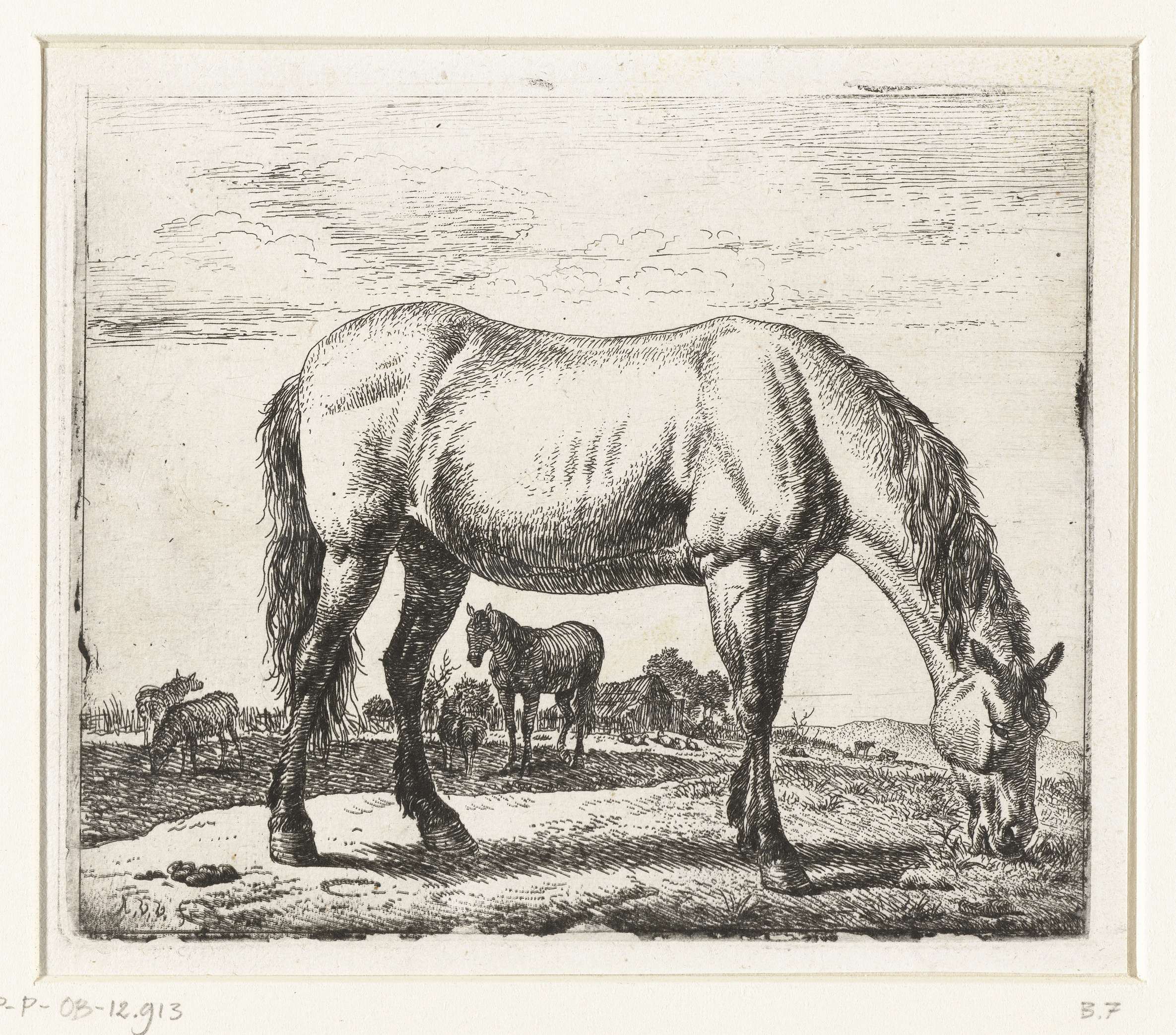
Grazend paard — History & Analysis
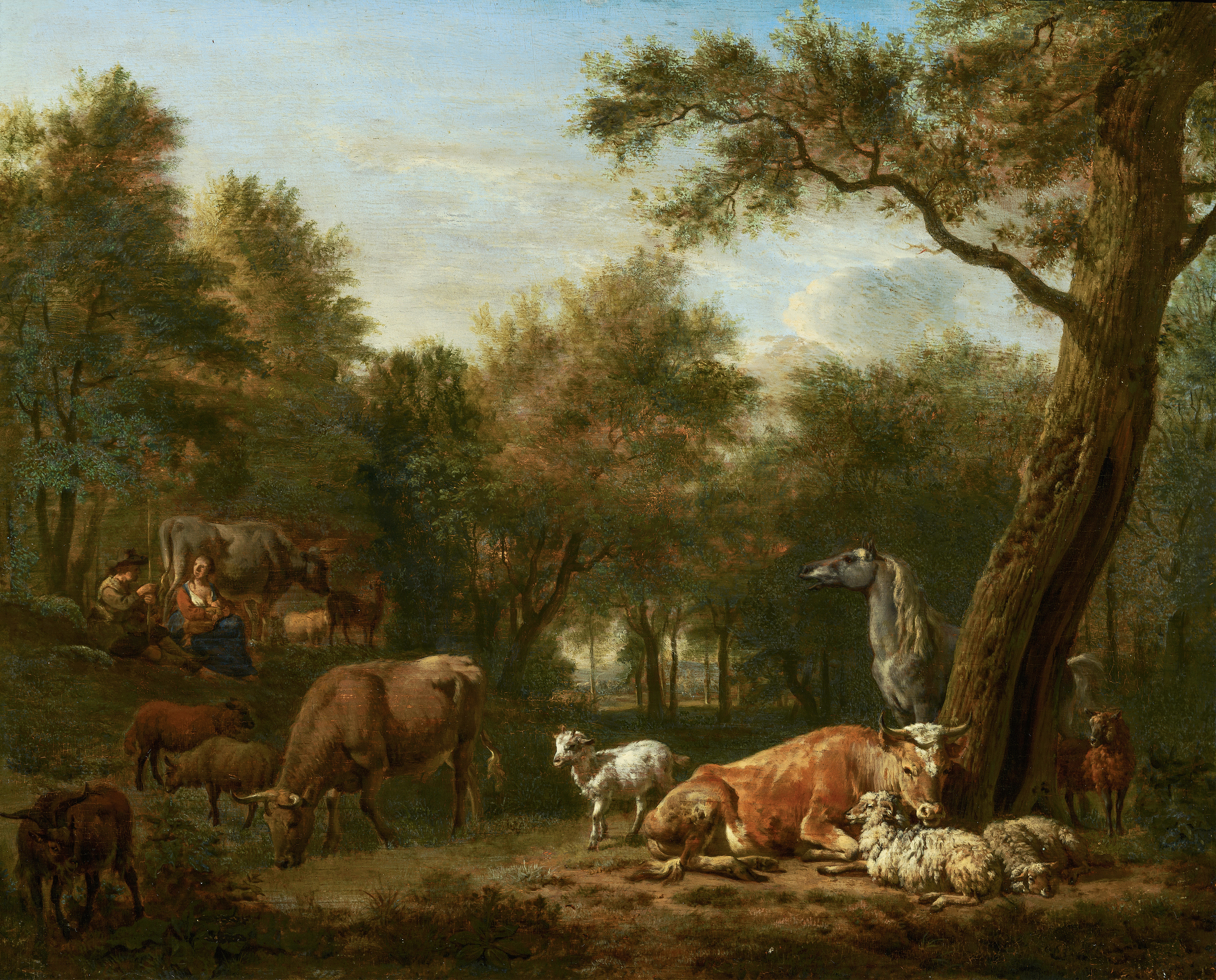
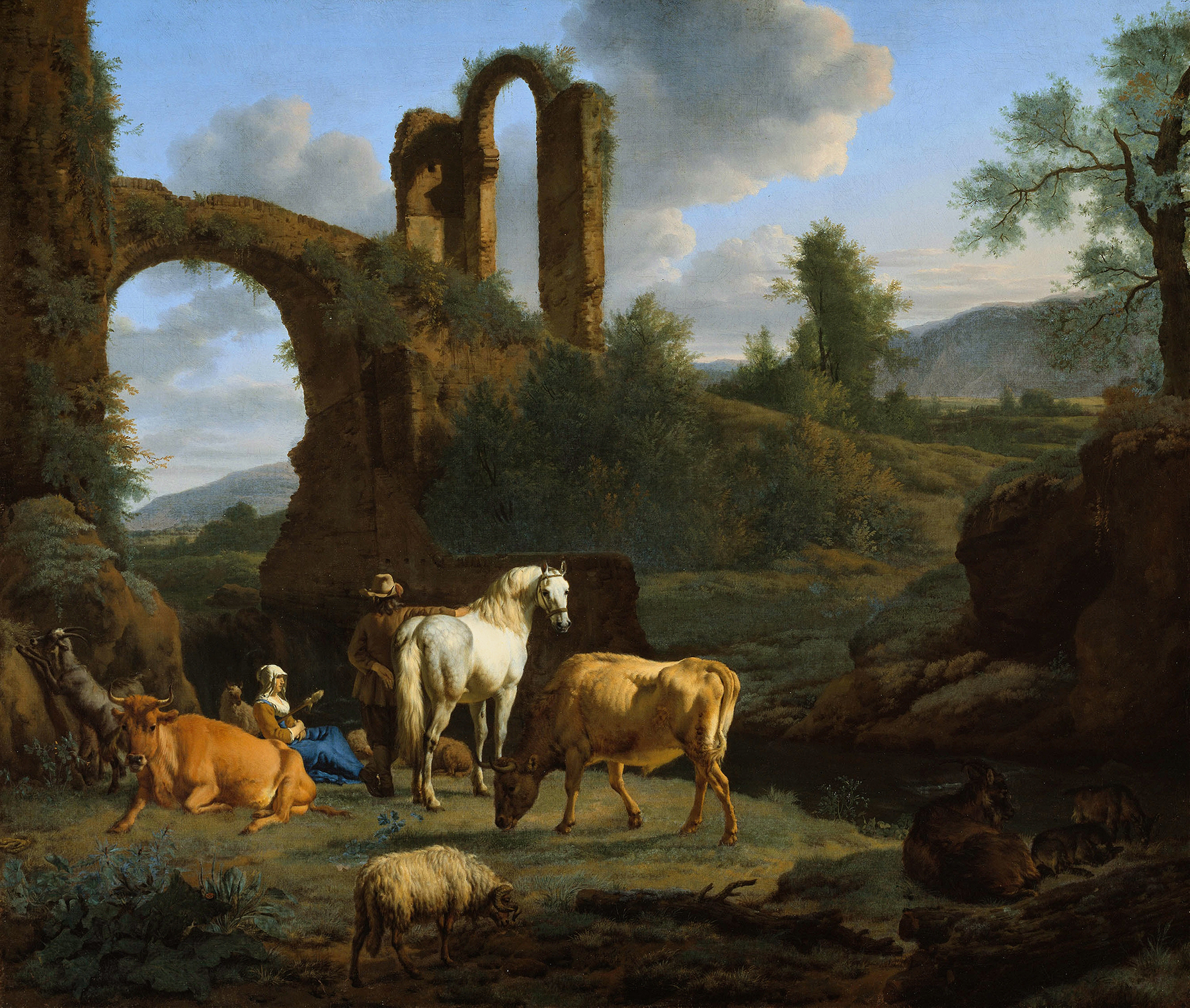
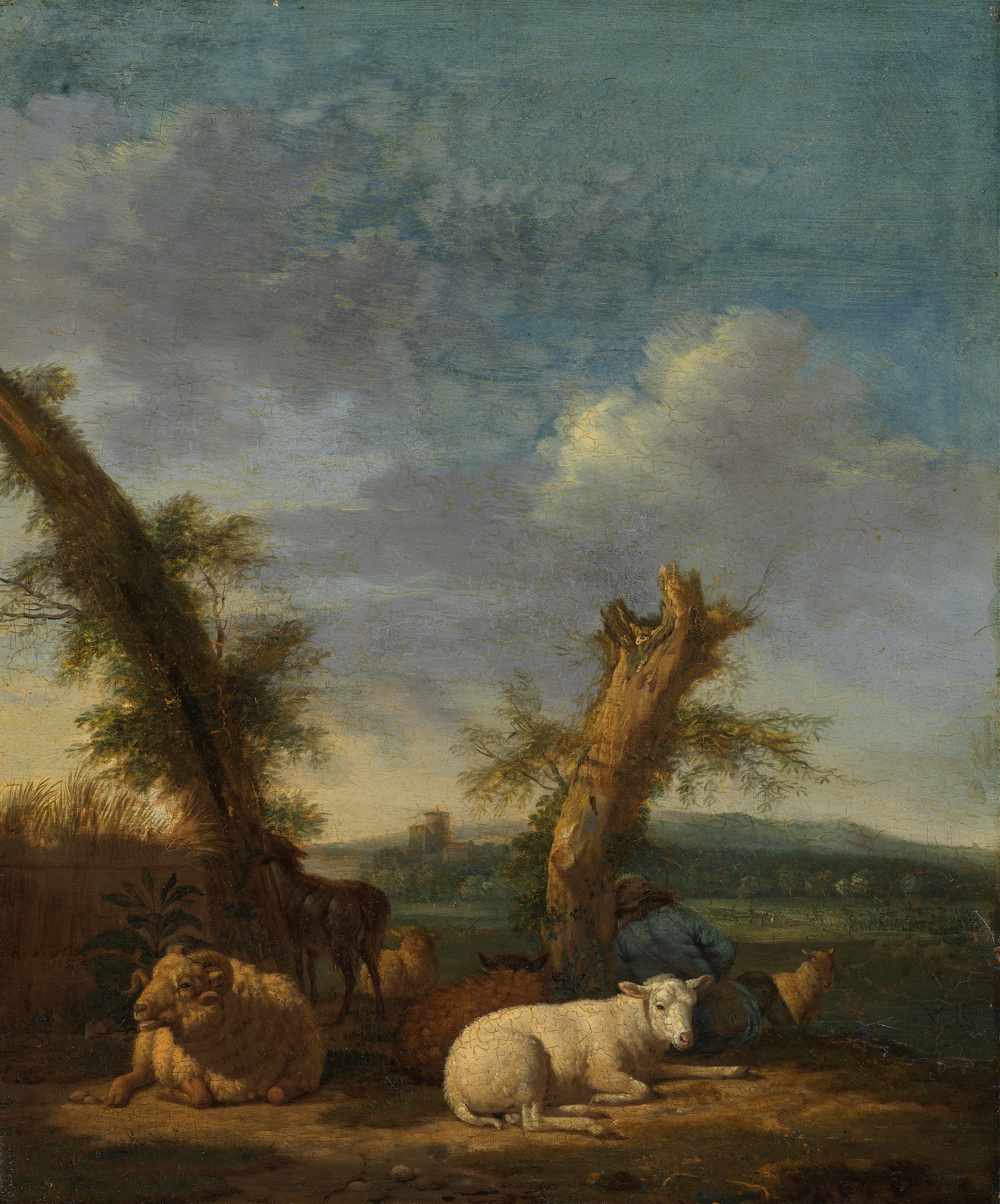
“Art reveals the soul when the world turns away.” In the quiet spaces of life, the essence of solitude emerges, beckoning us to explore the unseen depths within ourselves. Look to the left at the gracefully poised horse, its strong yet gentle form commanding the canvas while bathed in natural light. Notice how the artist meticulously captures the play of shadows across its supple coat, each brushstroke revealing the muscle and sinew beneath. The lush landscape stretches behind, painted in soft greens and browns, creating a serene backdrop that invites contemplation.
The muted palette harmonizes with the subject, evoking a sense of peace and stillness in the viewer. Delve deeper into the subtle contrasts at play; the vitality of the horse contrasts sharply with the placid surroundings, symbolizing the tension between life and tranquility. The absence of human figures amplifies the feeling of isolation within this pastoral scene, suggesting a void that invites reflection on existence. The soft haze lingering in the background hints at a world beyond this serene moment, a reminder of life’s fleeting nature and the quiet beauty found in solitude.
Created between 1657 and 1659, this work emerged during a period of innovation in Dutch painting, where artists sought to convey the harmony of nature with an emotional depth. Van de Velde, known for his landscape and animal depictions, was influenced by a growing appreciation for the natural world, a theme that resonates deeply in this quiet masterpiece. As he painted in the Netherlands, the art scene was evolving, embracing realism and the intimate exploration of everyday life.