Greek Cavalry Men Resting in Forest — History & Analysis
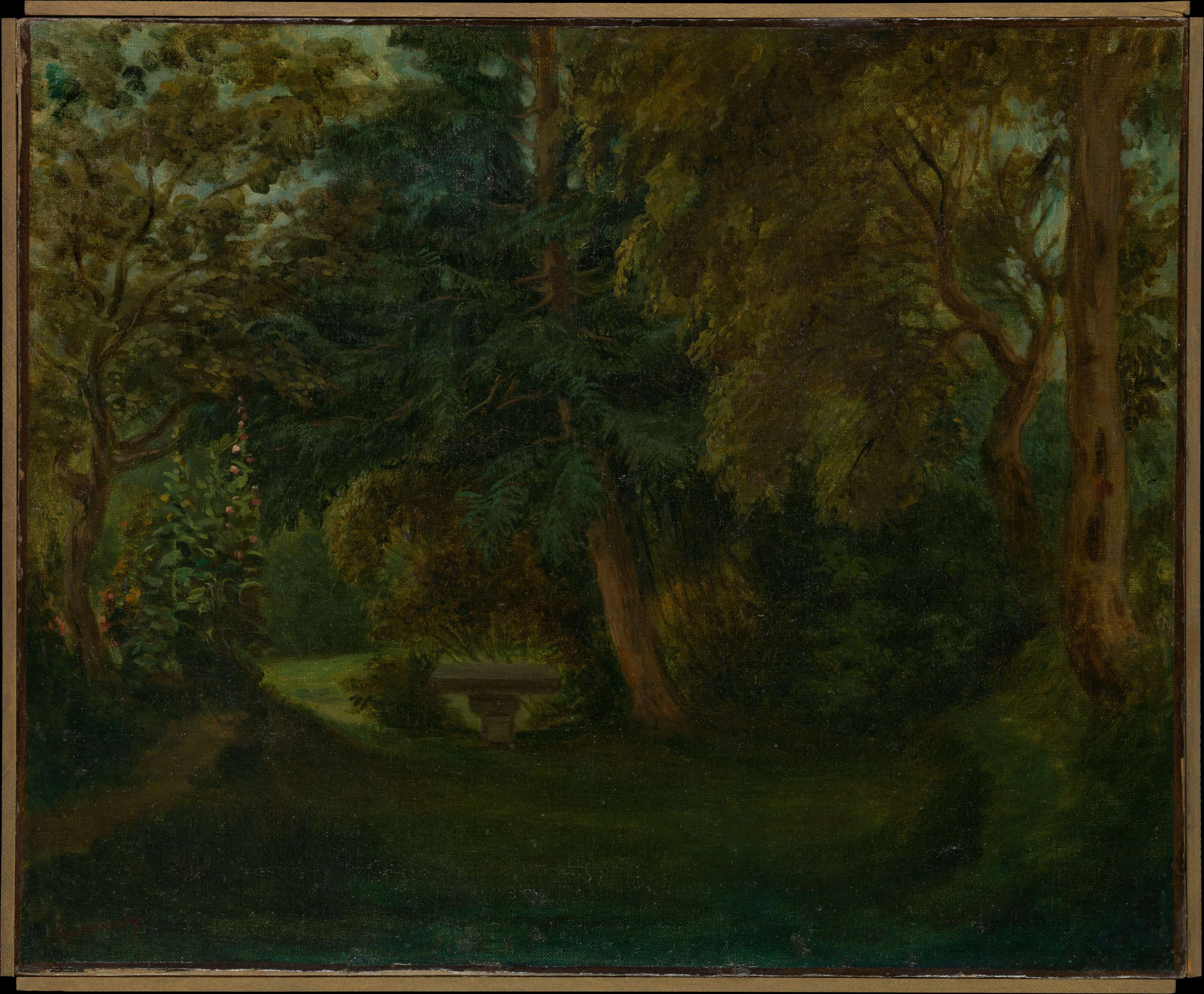
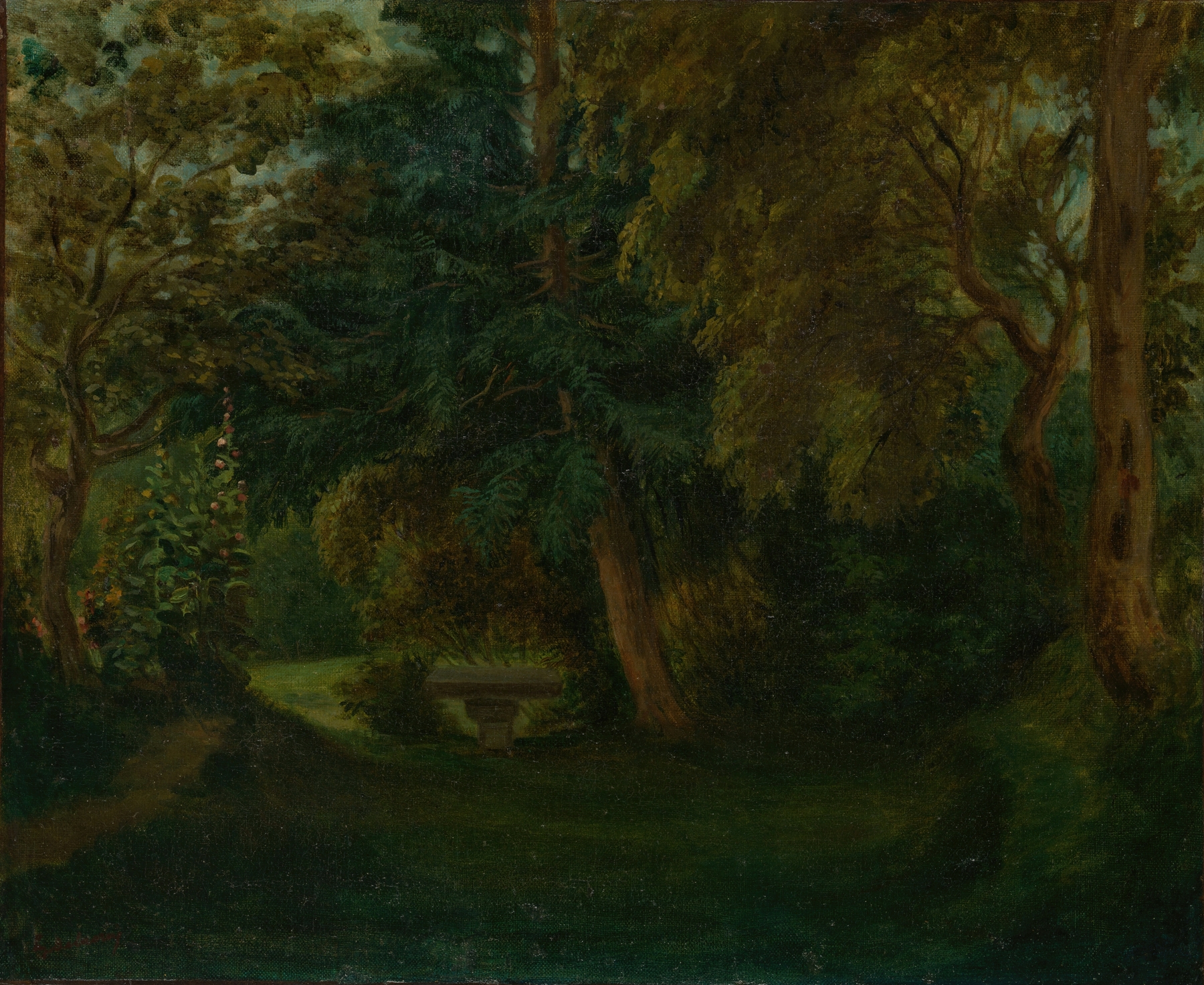
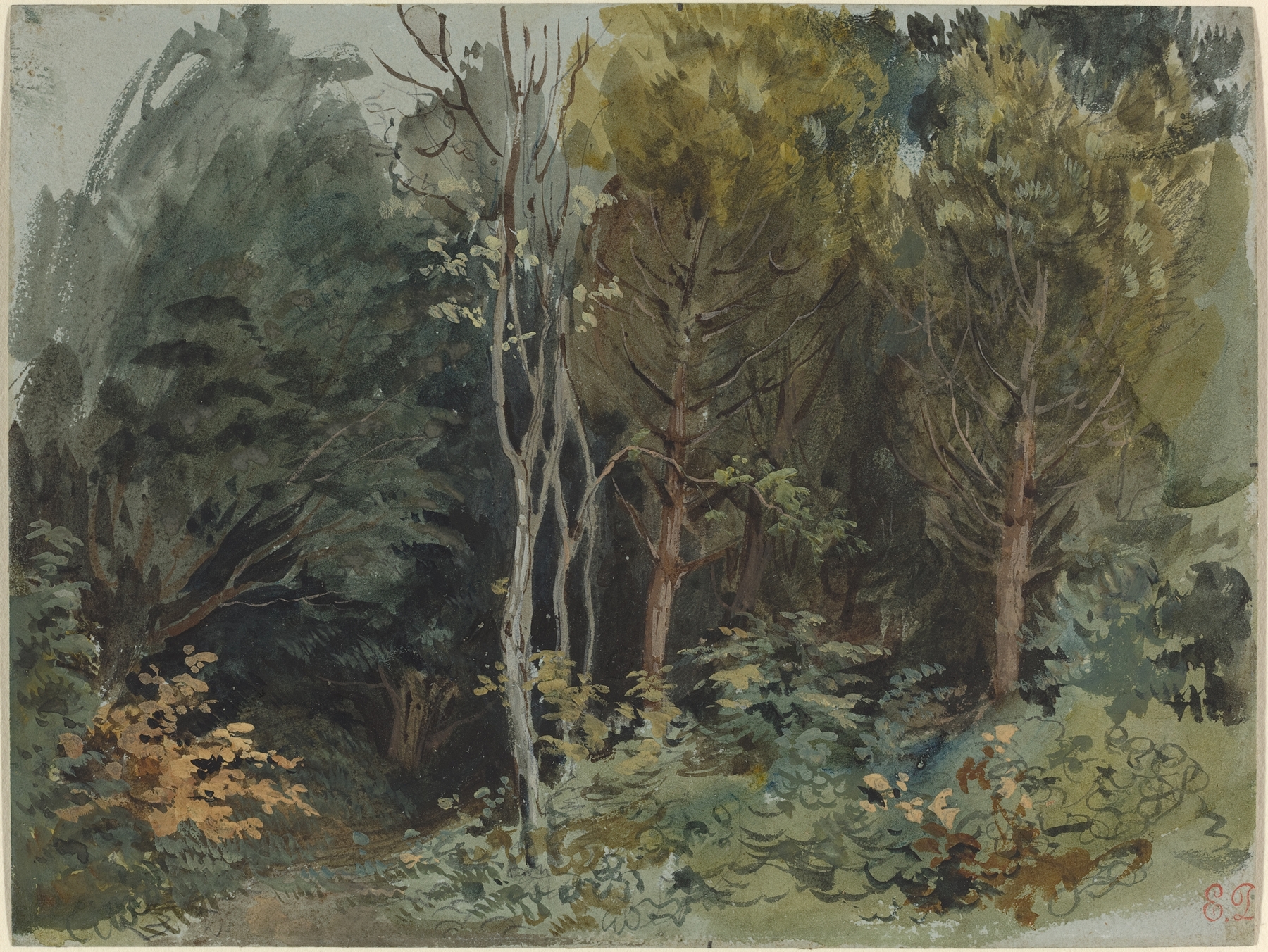
“Sometimes beauty is just pain, disguised in gold.” This idea resonates deeply in the realm of art, where illusion often masks underlying truths. Look to the center of the canvas, where figures of cavalry men recline beneath the dappled sunlight that filters through the trees. Their colorful garments contrast with the earthy tones of the forest, creating a vibrant interplay of light and shadow. Notice how the brushwork captures the shimmering foliage, almost alive, while the stillness of the soldiers evokes a sense of both camaraderie and weariness.
Each detail, from the resting horses to the subtle expressions of the men, invites the viewer to pause and reflect on the moment captured in time. Yet, as we delve deeper, an emotional tension emerges. The serenity of the scene belies the harsh realities of their lives as soldiers; the forest, a temporary refuge from the chaos of war, also hints at the fragility of their existence. The men, seemingly at peace, are caught in an illusion of tranquility, while the forest surrounds them like an impenetrable wall, reminding us of the battles that still await.
The interplay between the lush landscape and the human figures suggests a longing for escape, a brief interlude before the storm. In 1858, Eugène Delacroix painted this work during a period of artistic exploration and upheaval in France. The Romantic movement was flourishing, and Delacroix was at the forefront, experimenting with color and emotion. While he was inspired by classical themes, his focus on the human condition and the complexities of emotion was shaping a new narrative in art, one that would resonate with audiences for generations to come.