Christ Asleep during the Tempest — History & Analysis
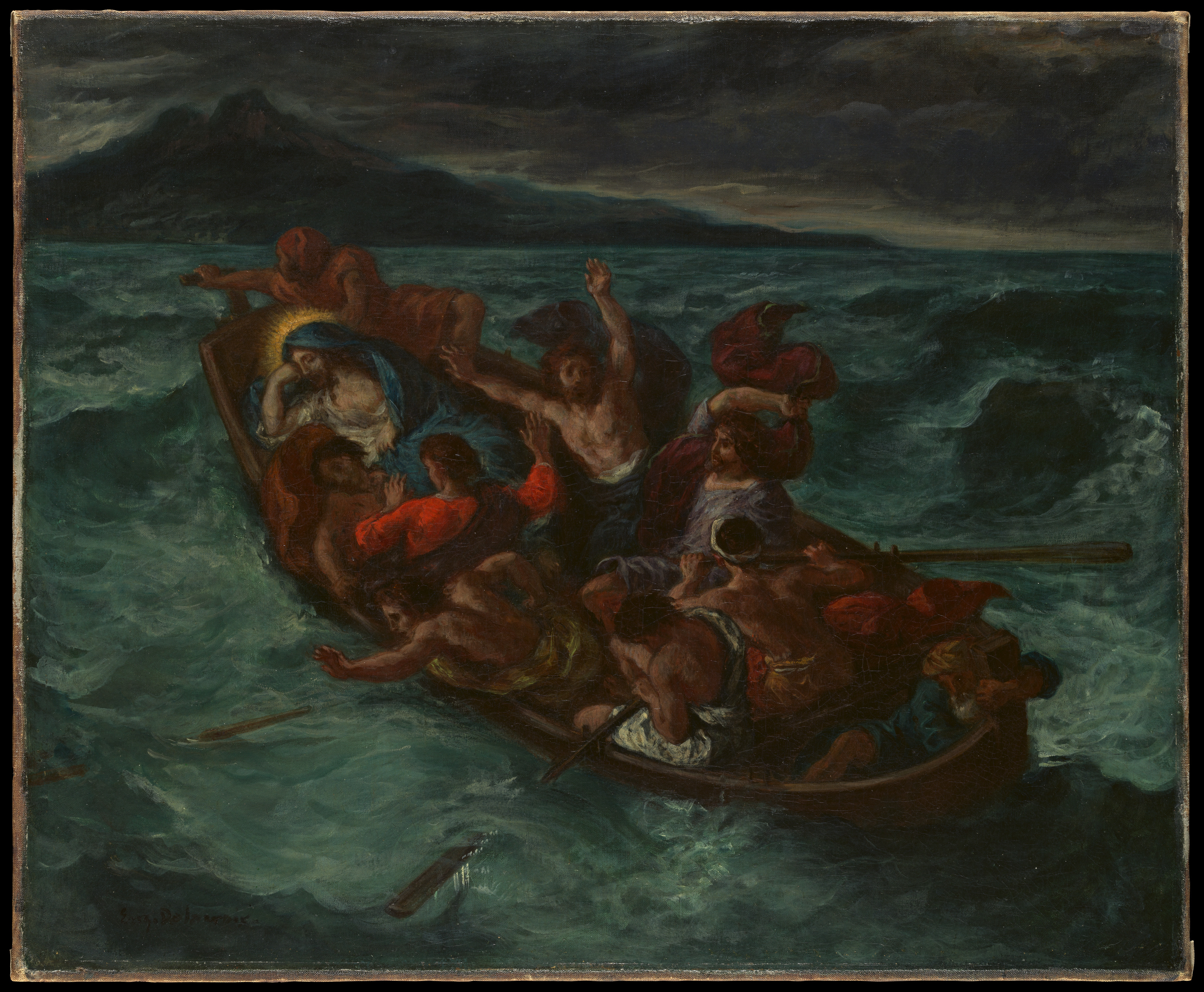
“Between color and silence, truth hides.” In the tumult of the storm, where chaos reigns, lies the unwavering peace of a slumbering figure. This juxtaposition begs the question: what draws one to seek solace amid turmoil, and what does it reveal about the human condition? Look to the center, where the figure of Christ rests, undisturbed and serene, while the tempest rages around Him. The swirling hues of blue and grey contrast sharply with the warm, golden tones of His skin, creating a focal point that draws the eye with the magnetic pull of calm amidst chaos.
The brushwork is expressive and dynamic, mirroring the thrashing waves, while the composition leads the viewer's gaze outward, amplifying the sense of isolation in His repose. Delve deeper into the canvas, and you’ll notice the anguished faces of the disciples, their frantic gestures emphasizing their desperation against the sublime force of nature. Their fear embodies the human struggle against the overwhelming, suggesting a tension between faith and doubt. The contrasting emotions blur the lines of devotion and despair, inviting an exploration of belief in the face of adversity.
Eugène Delacroix painted this piece in 1853 during a time when he was deeply immersed in Romanticism, an era that celebrated intense emotions and dramatic scenes. The artwork reflects not just his personal obsessions with color and light but also a broader narrative in art, as Romantic painters sought to evoke deep psychological states and explore complex themes of existence. This moment in Delacroix's career marks a culmination of his explorations into expressive forms, setting the stage for the legacy he would leave in the world of art.