Gulzigheid (Gula) — History & Analysis
“Between color and silence, truth hides.” In the stillness of Gulzigheid (Gula), the weight of loss permeates every brushstroke, demanding an audience to confront the fleeting nature of desire. Look to the center of the canvas, where an opulent feast sprawls across a richly adorned table. The vivid colors of the fruits and lavish dishes draw you in, yet a sense of emptiness lingers in the air, emphasized by the stark absence of human presence.
Notice how the contrasting shadows and bright highlights interplay, with each morsel appearing both inviting and haunting, a celebration overshadowed by an unspoken void. This painting captures the duality of indulgence and longing. The overflowing abundance evokes a sense of greed, yet the solitary setting suggests an underlying melancholy, as if the joy of consumption is rendered hollow without company.
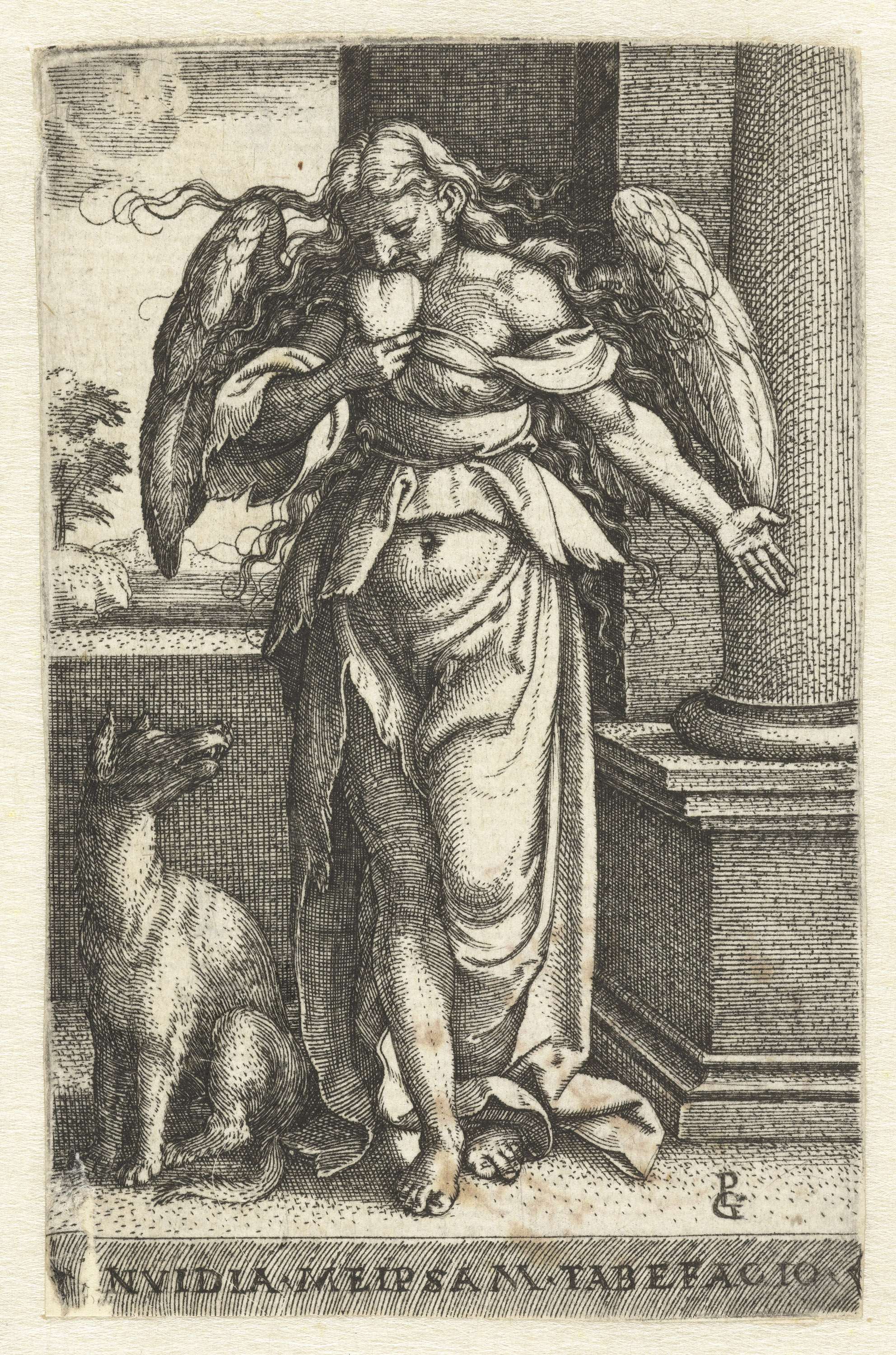
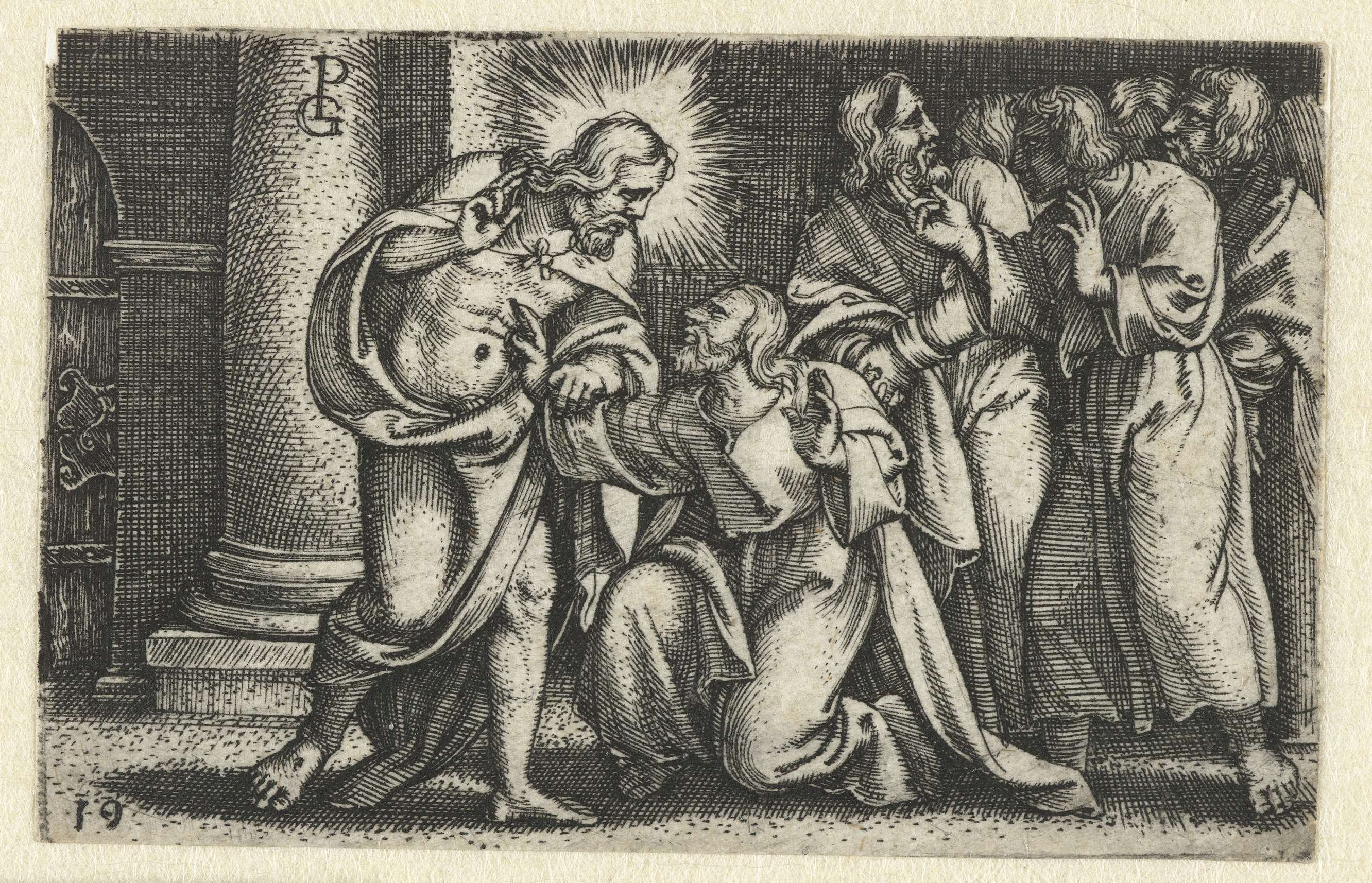
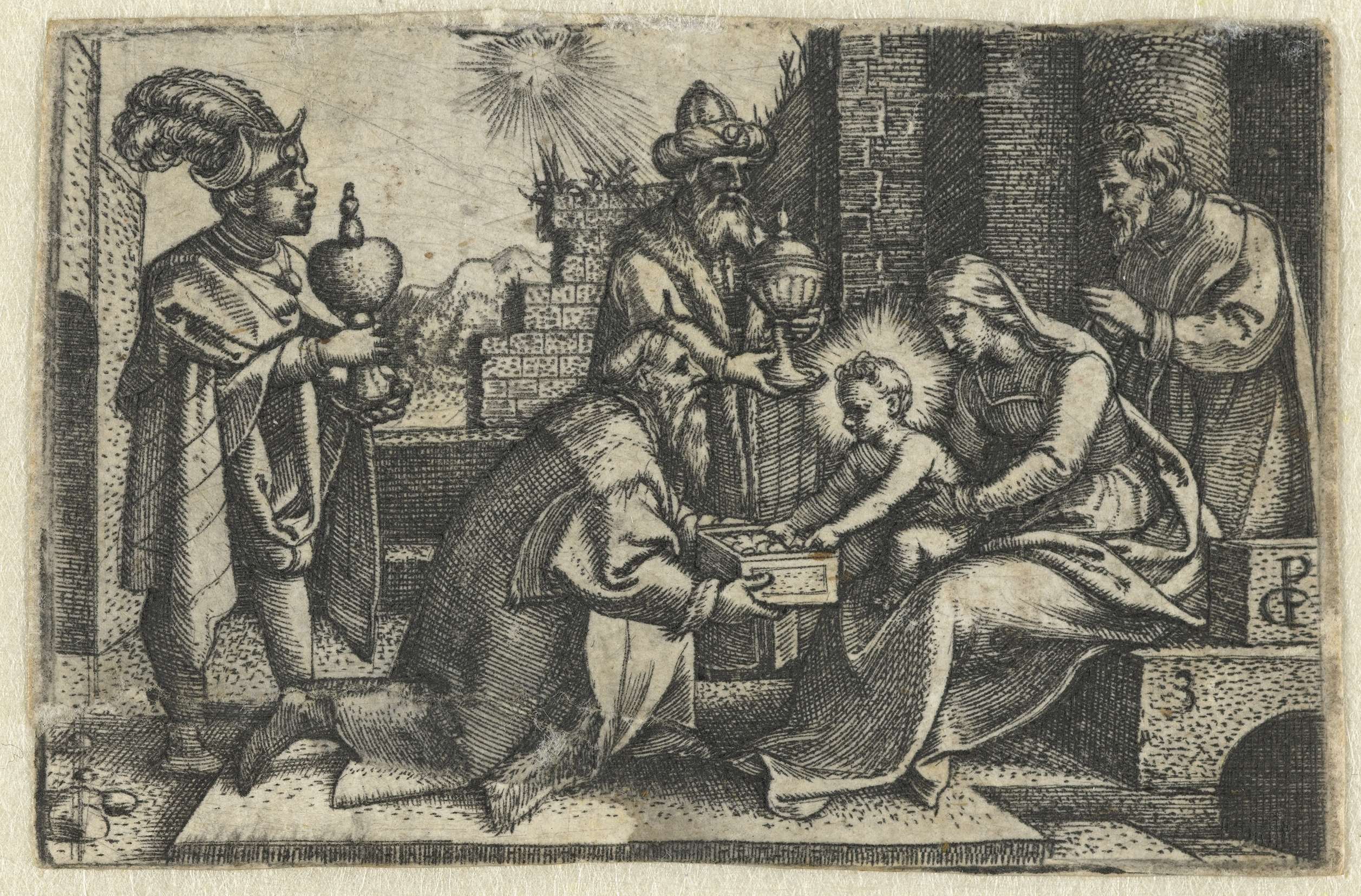
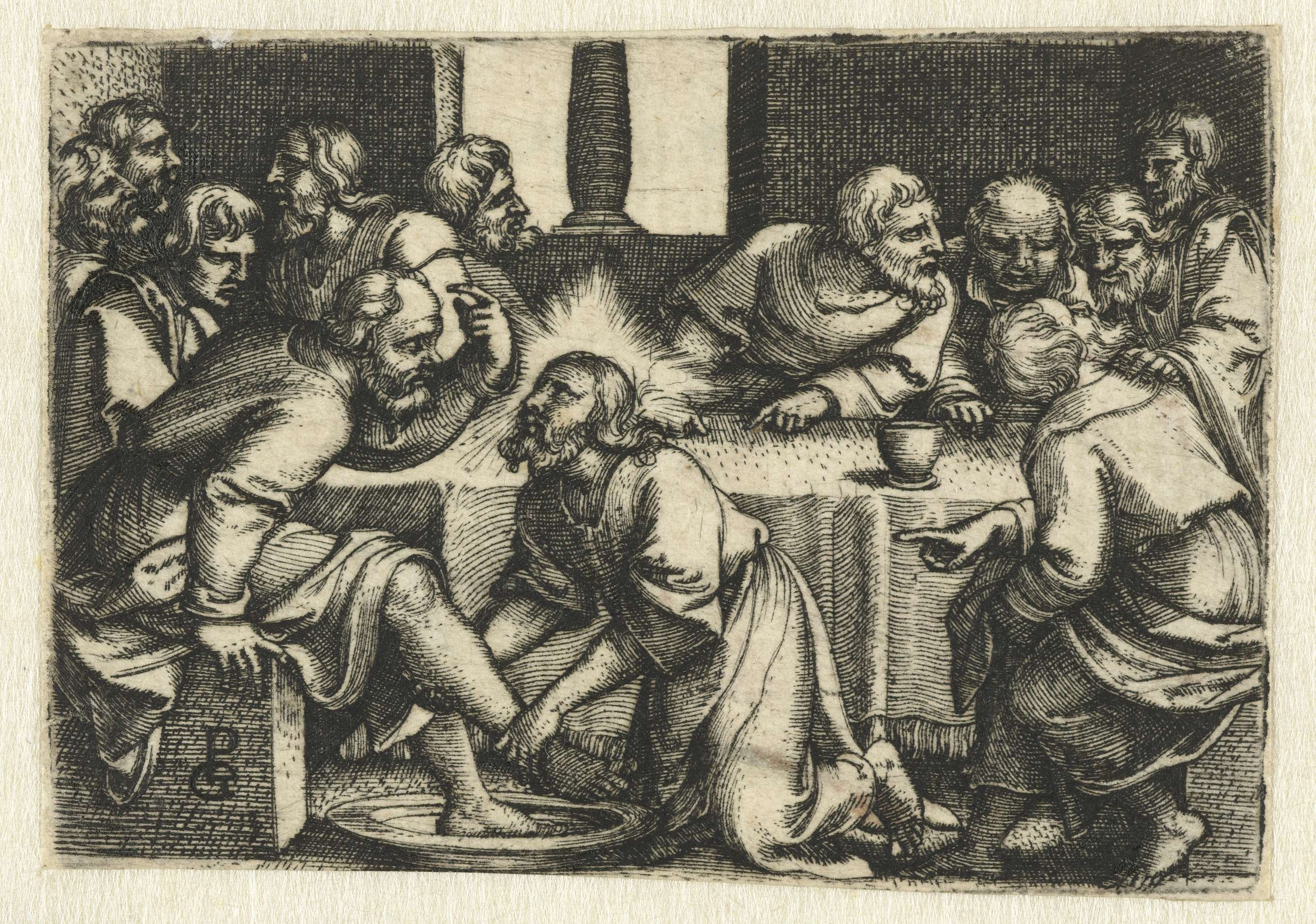
The careful arrangement of objects and the meticulous detailing of textures invite the viewer to ponder the paradox of excess: the more one possesses, the lonelier the experience becomes. Painted between 1539 and 1543, during a period of personal struggle for the artist, these works reflect Georg Pencz’s engagement with themes of morality amidst the turbulent backdrop of the Reformation. As changes swept through Europe, challenging traditional values, his exploration of gluttony in Gulzigheid serves as a poignant commentary on the human experience, caught in the delicate balance between abundance and loss.