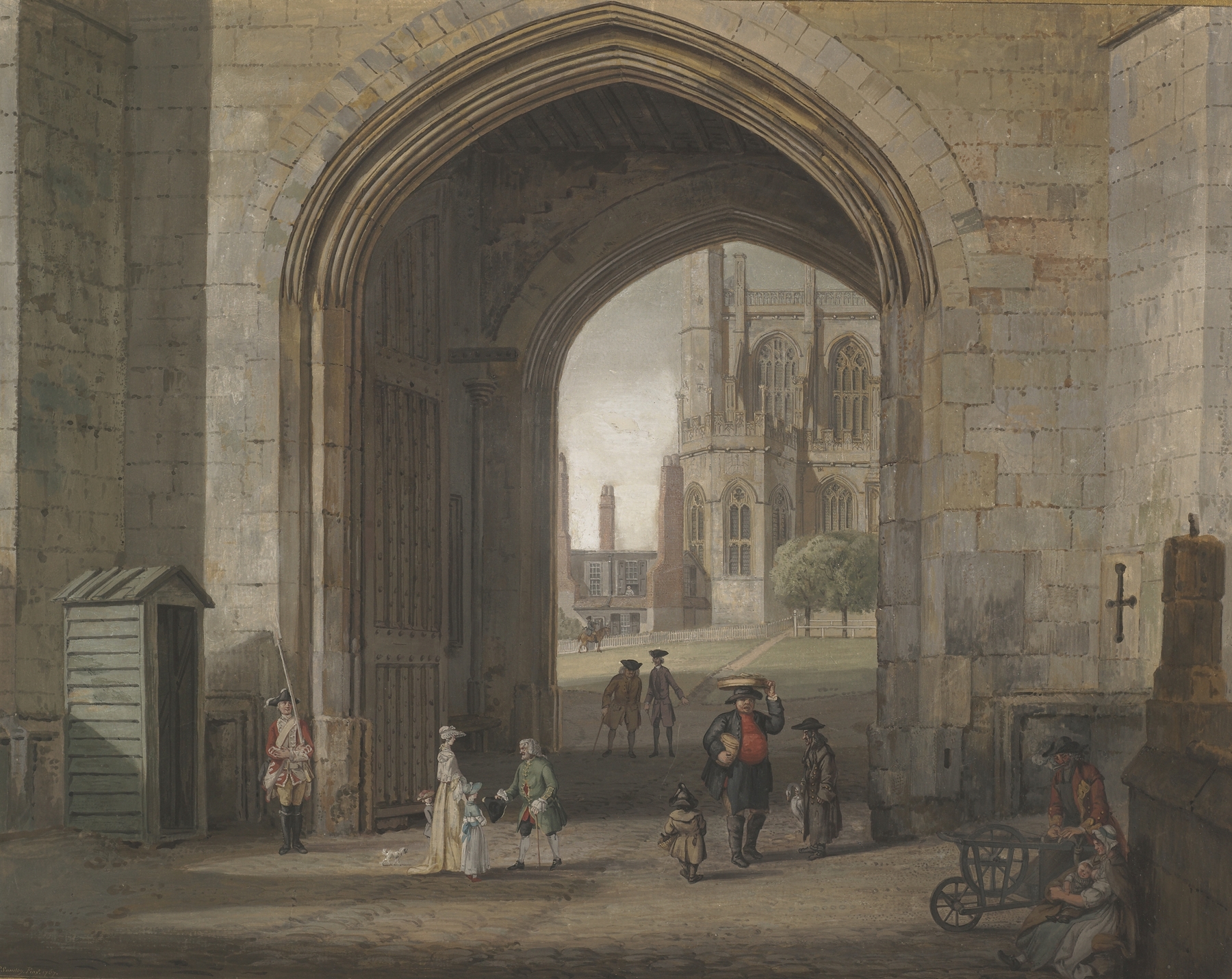
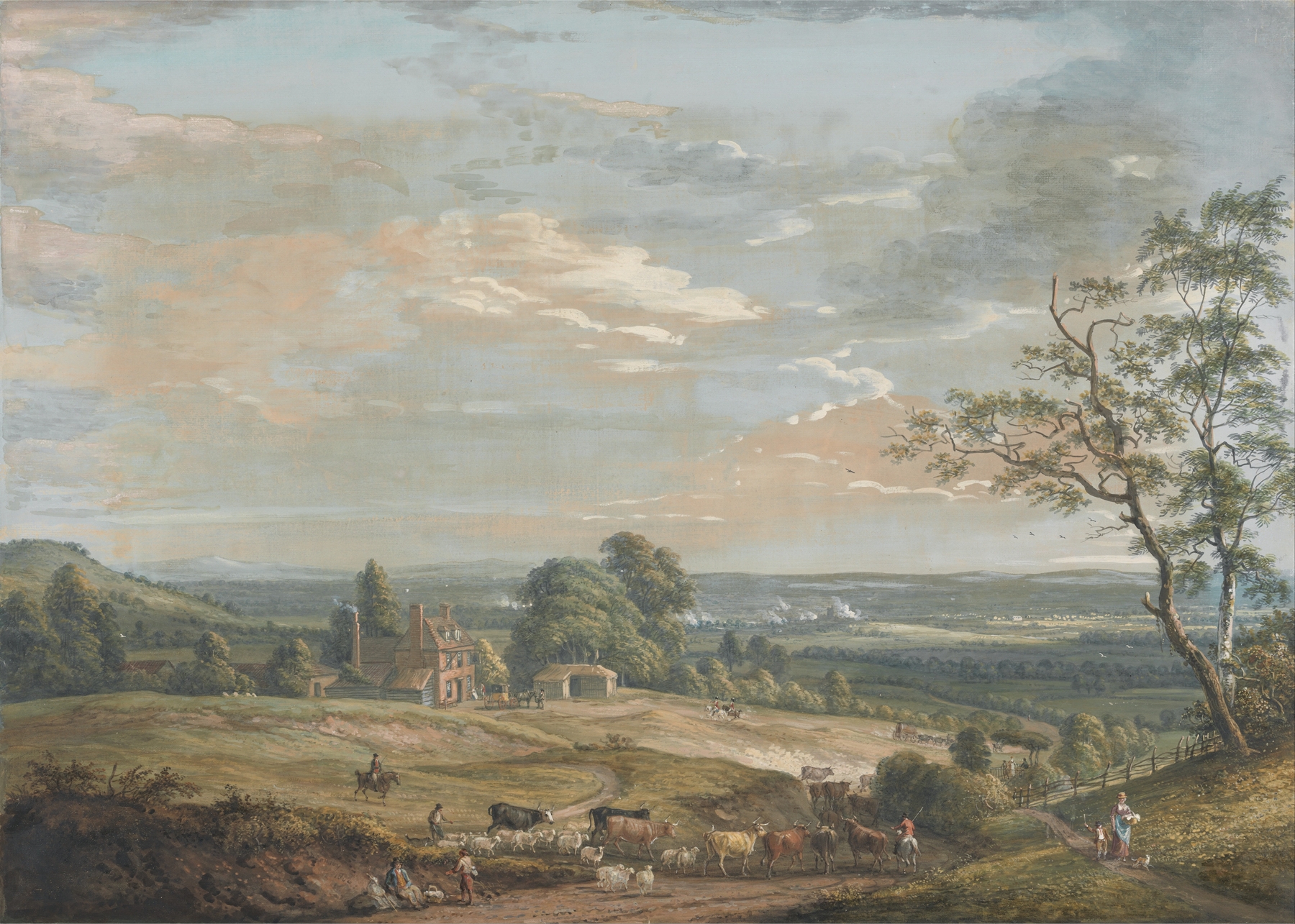
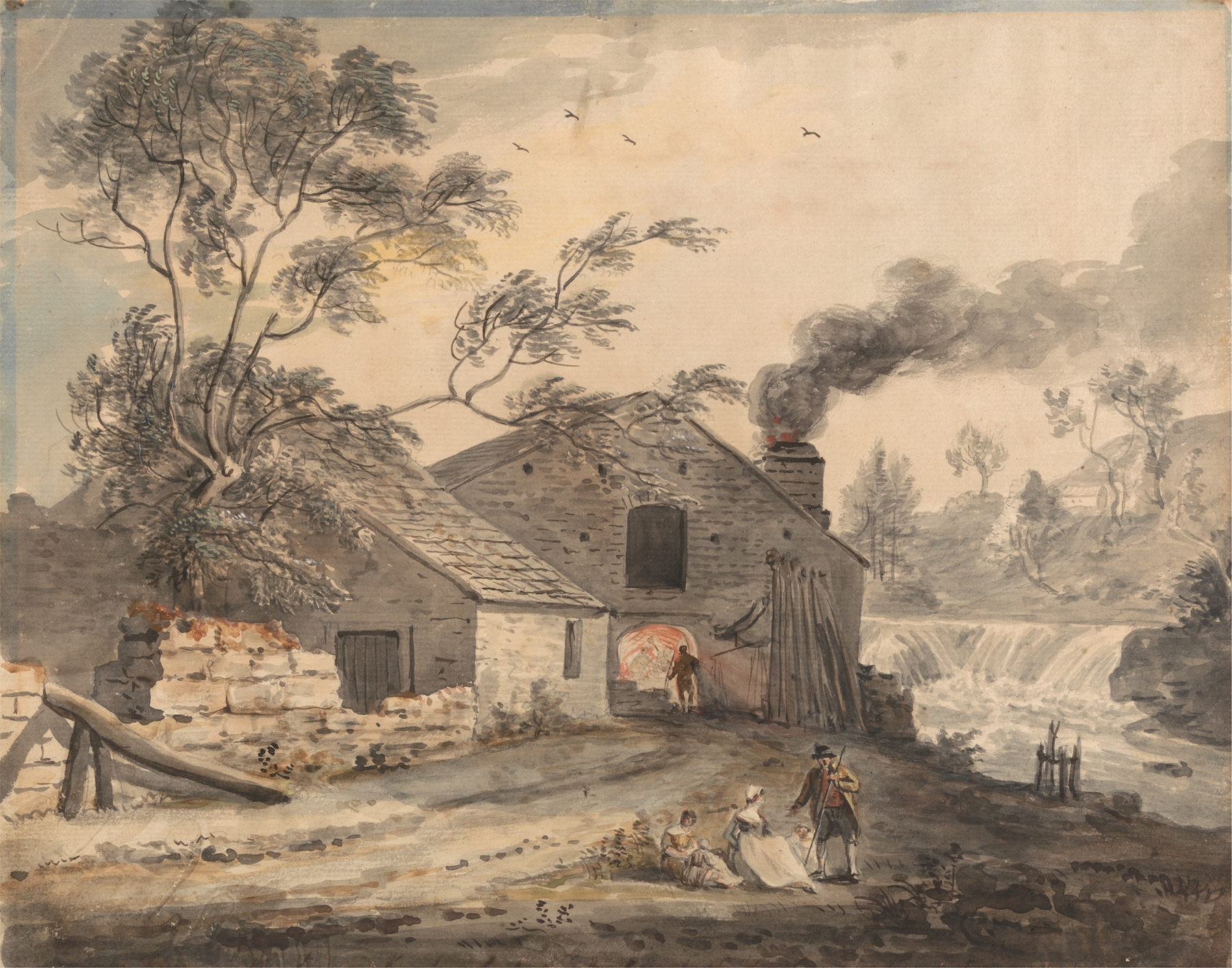
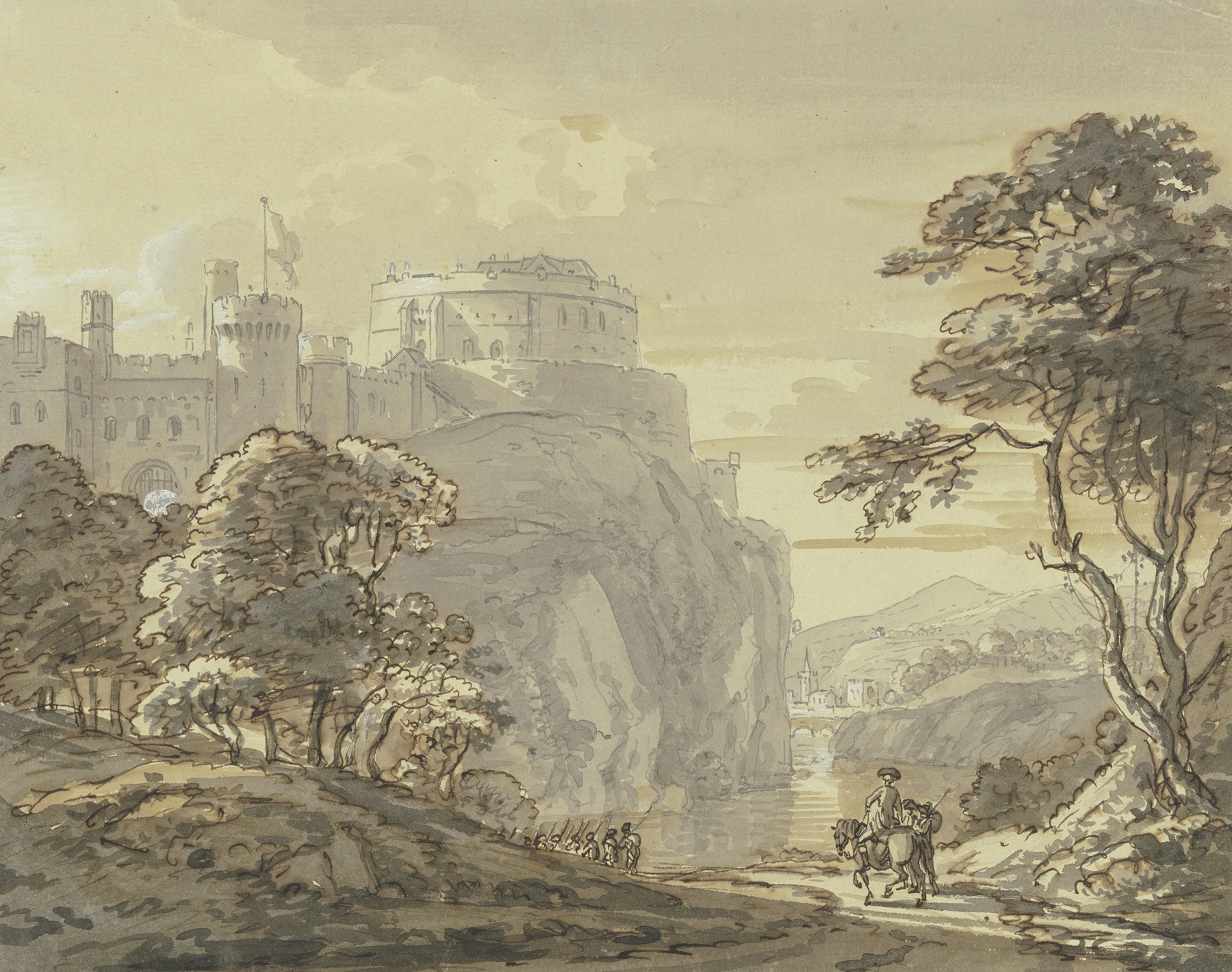
Hackwood Park, Hampshire — History & Analysis
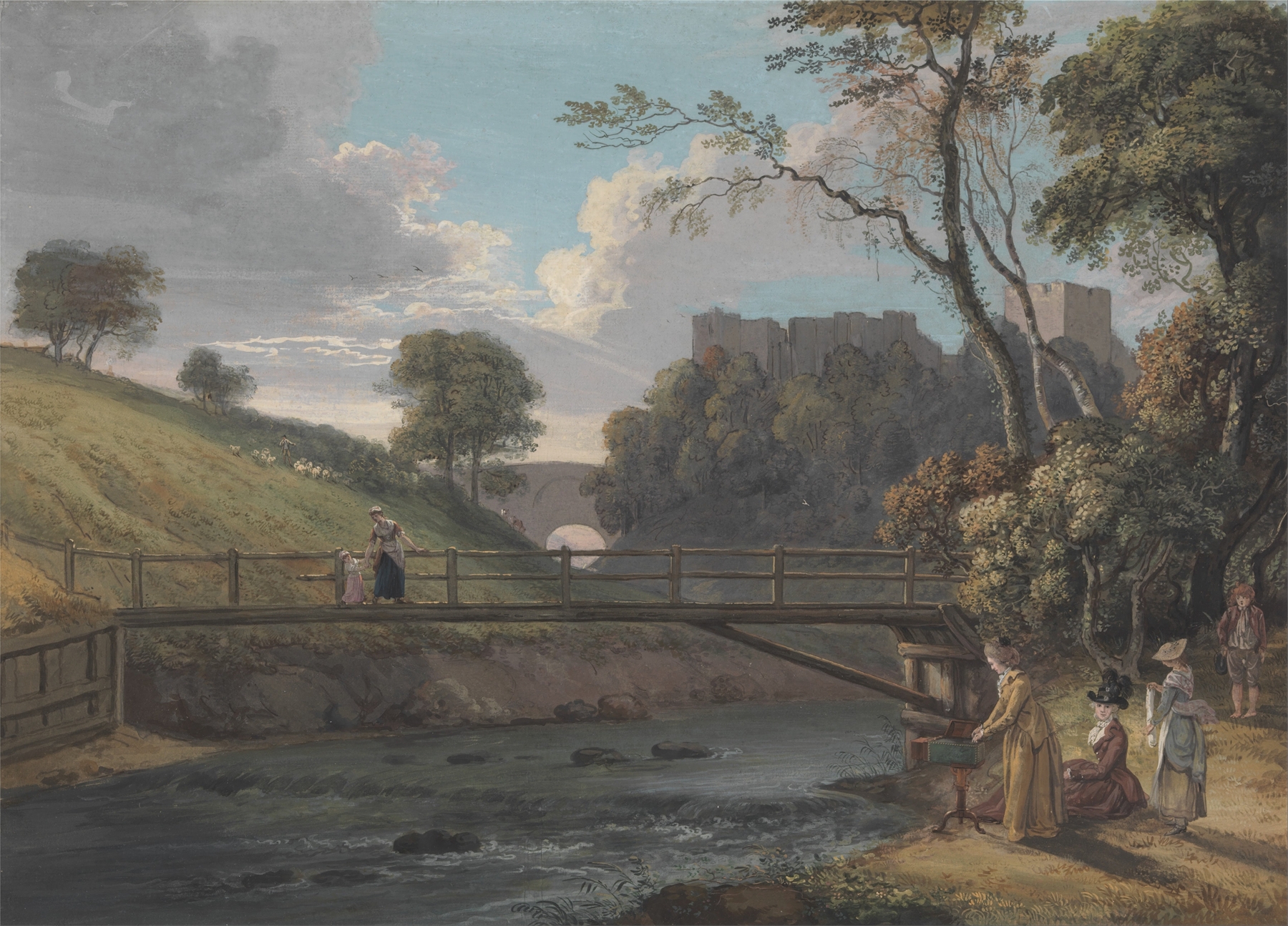
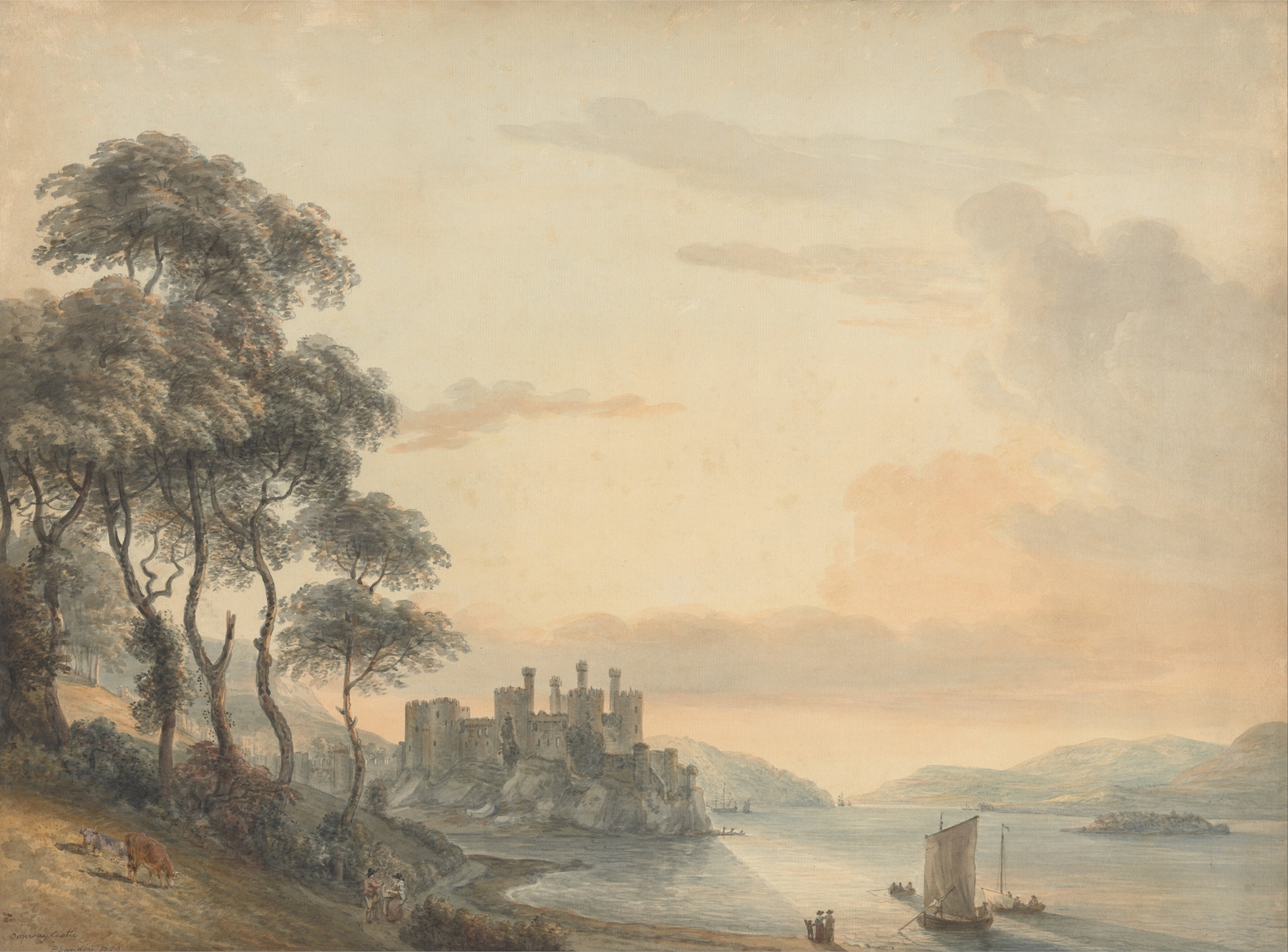
“Under the brush, chaos becomes grace.” In the world of art, obsession finds its purest expression, capturing the essence of a place in ways words cannot. It is this fervent pursuit of beauty that unveils the intricate layers of nature and invites us to lose ourselves within them. Look to the left at the verdant trees, their limbs arching gracefully, as if reaching out to embrace the viewer. Notice how the interplay of greens — deep emeralds and soft, muted limes — creates a vibrant tapestry, drawing the eye deeper into the landscape.
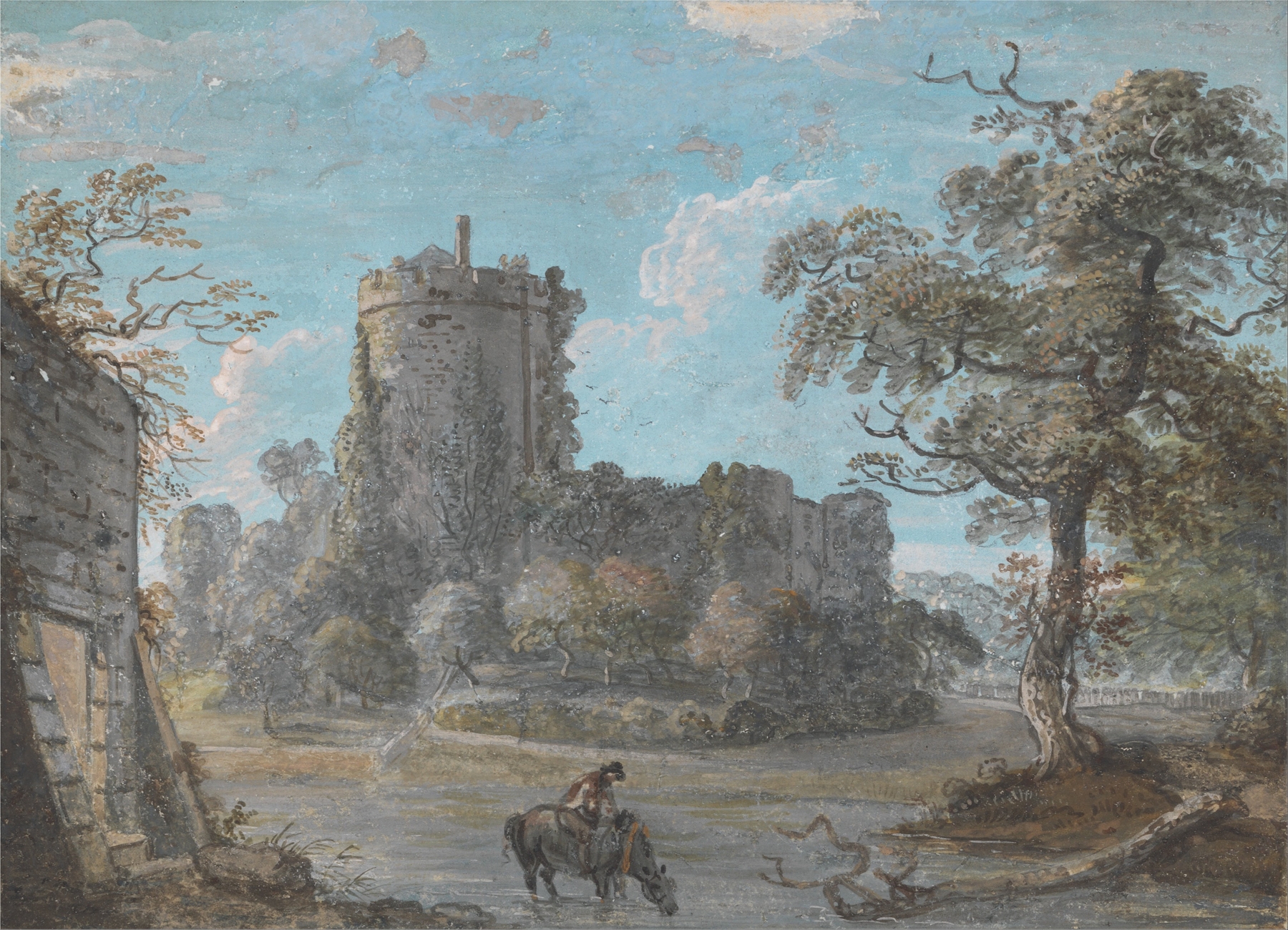
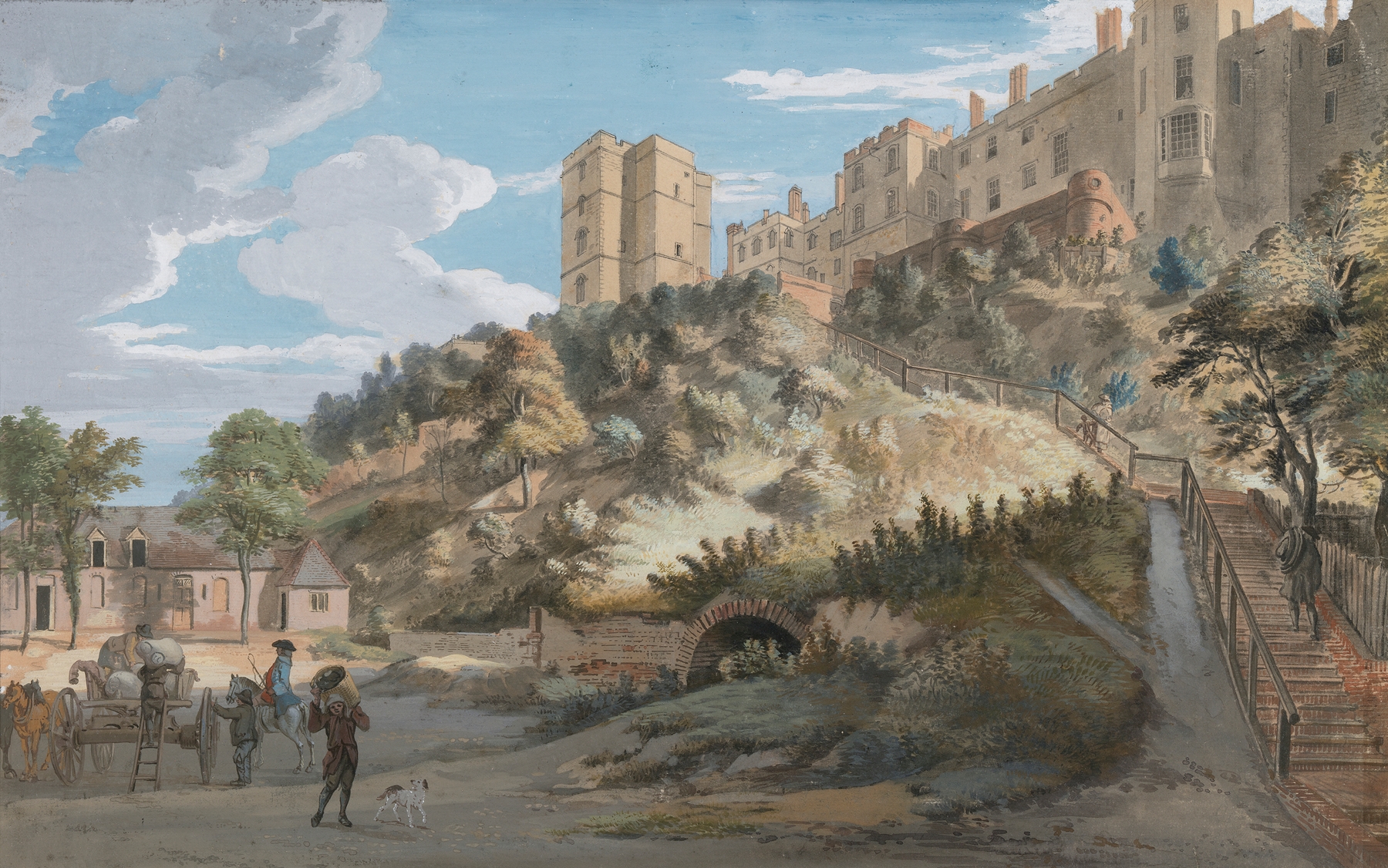
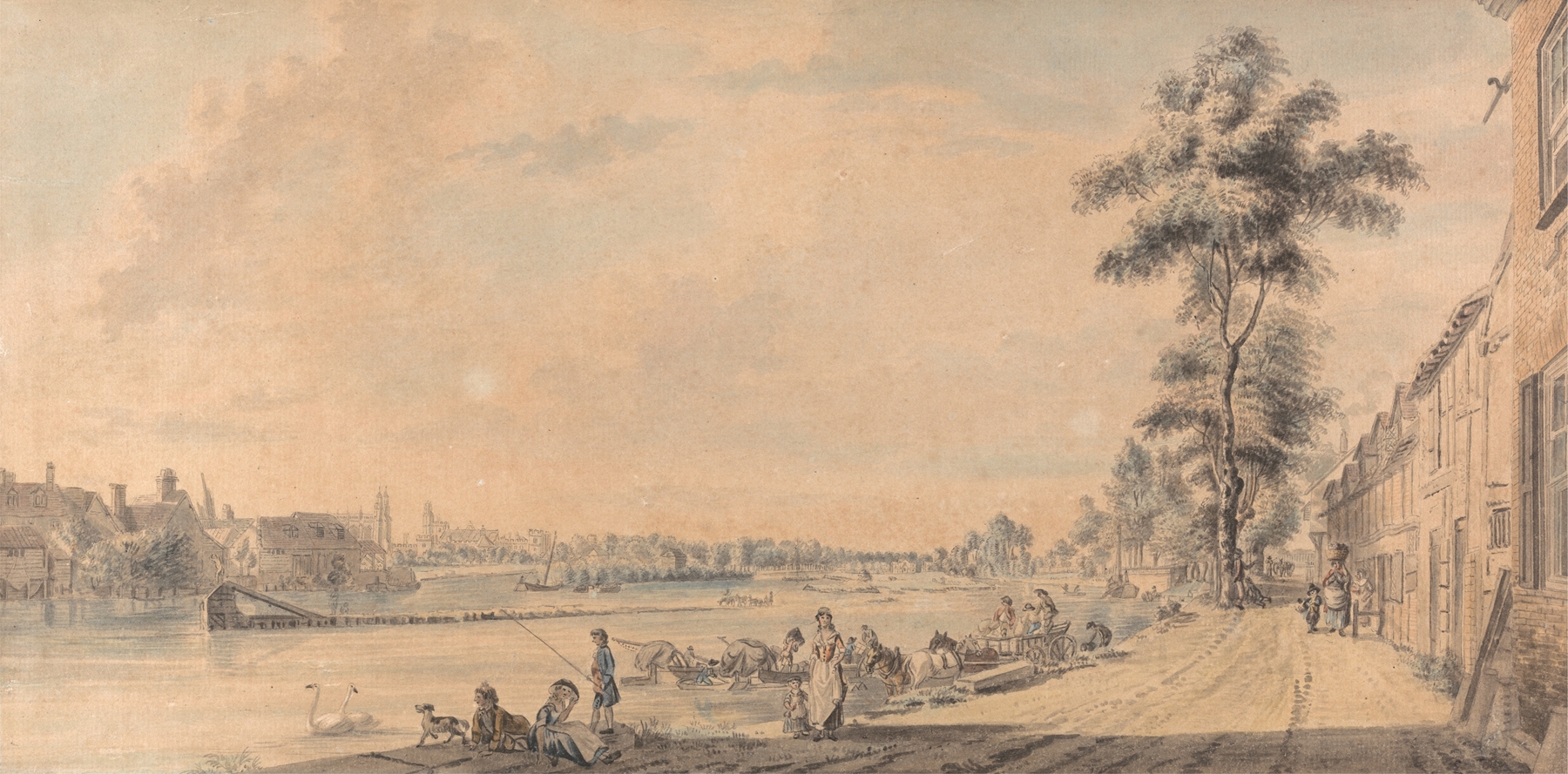
The soft light filtering through the foliage adds a sense of serenity, while the gentle ripples in the water reflect a moment frozen in time. Sandby’s deft brushwork not only conveys the natural beauty of Hackwood Park but also evokes a lingering sense of tranquility. Within the painted scene lies a tension between wildness and order. The meticulous detail of the foreground contrasts with the expansive sky, hinting at the infinite and the ephemeral.
There’s a subtle sense of longing, as if the viewer is drawn into the park’s embrace while simultaneously yearning for a connection to the serene vastness above. Each stroke reveals Sandby’s obsession with capturing nature's quiet beauty, suggesting that amidst chaos, grace can flourish. Active during the late 18th century, the artist created this piece during a time when rural landscapes became a popular subject among artists in England. Sandby, often regarded as a pioneer of English landscape painting, utilized his time in Hampshire to explore the delicate balance of nature, fostering his distinctive style amidst shifts in the art world that emphasized the sublime qualities of the natural environment.