Iron Forge on the River Kent, Westmorland — History & Analysis
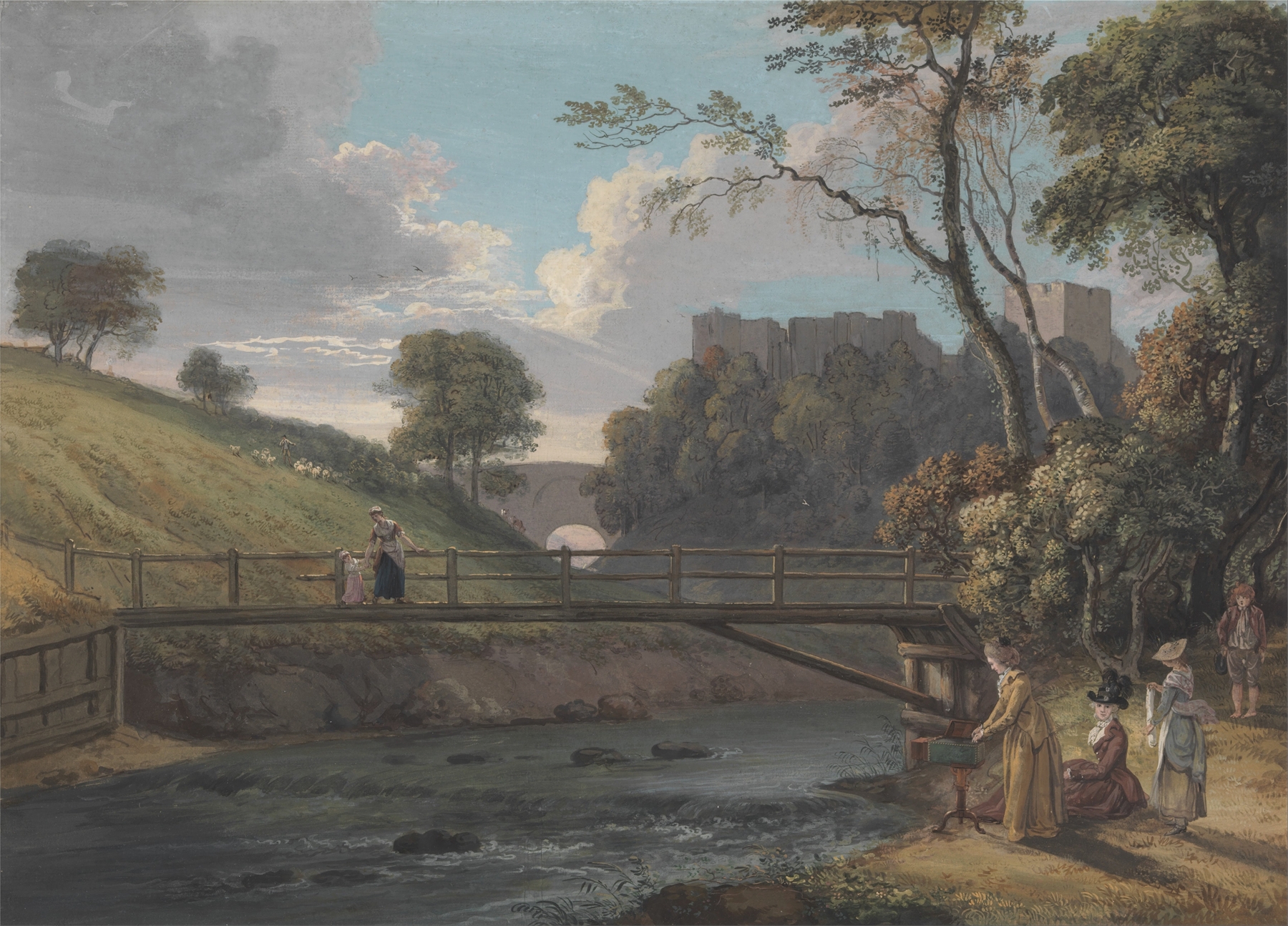
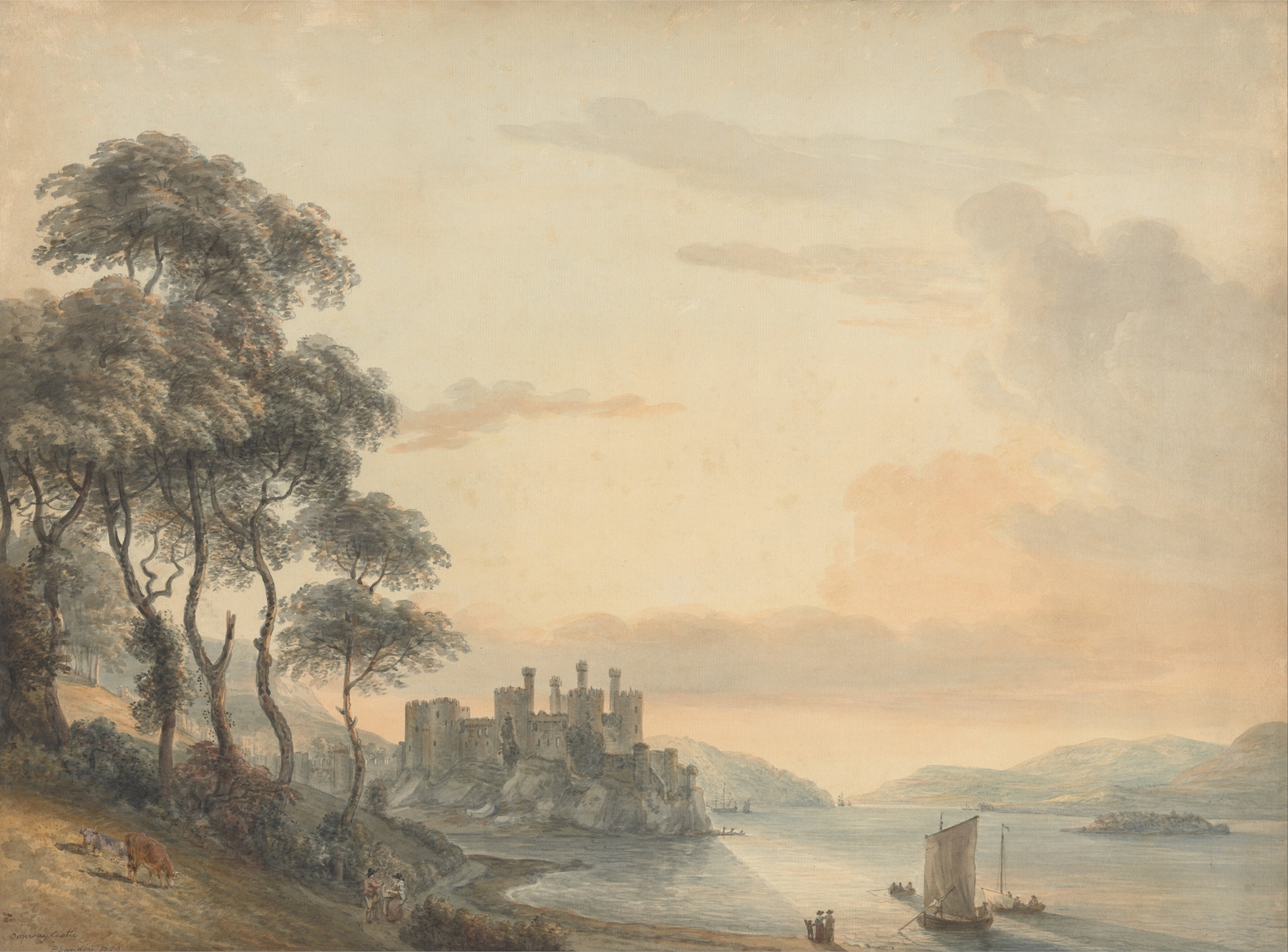
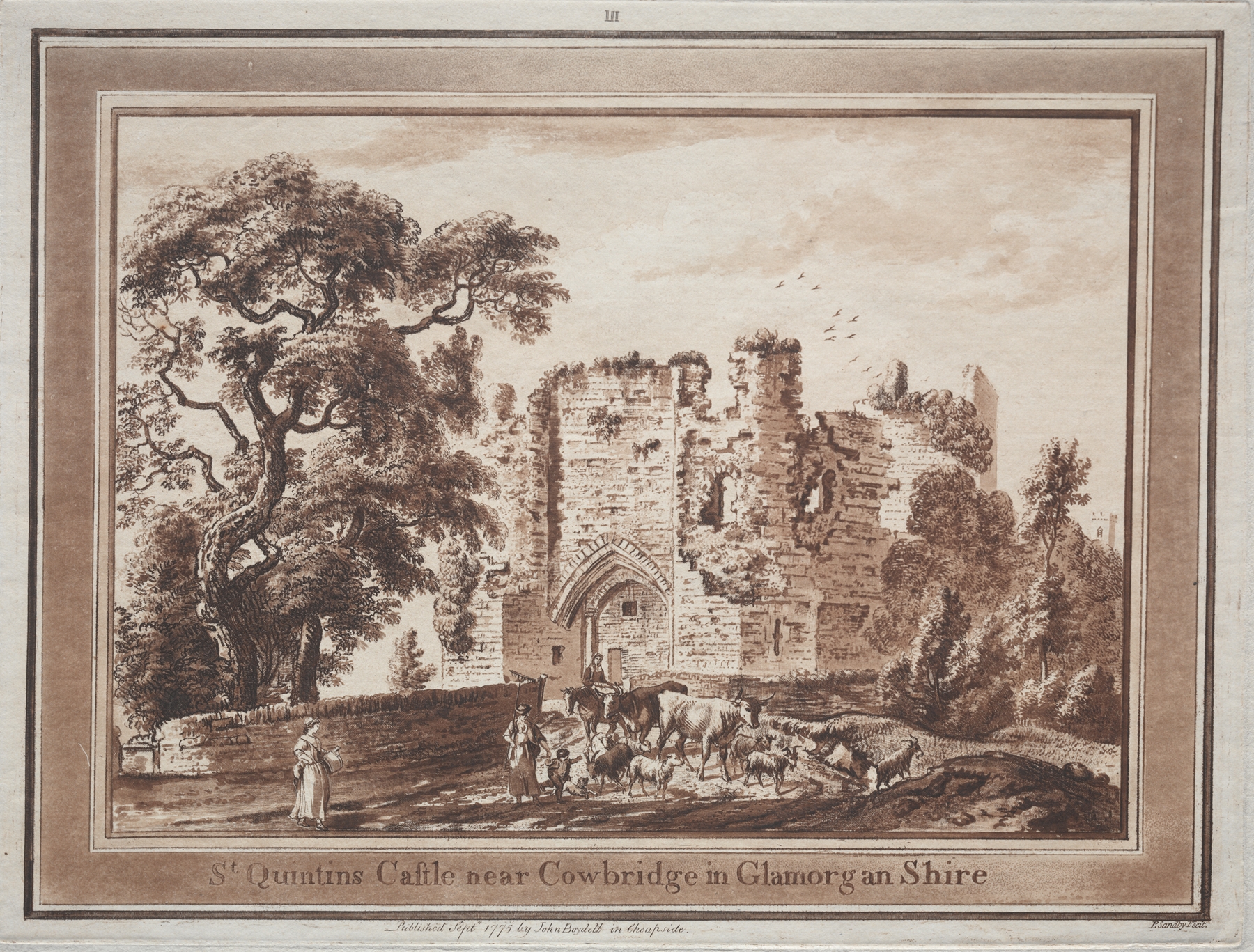
Is this a mirror — or a memory? In the delicate interplay of reflection and reality, one might ponder the faith we place in our perceptions of the past. Look to the right at the gentle curve of the River Kent as it meanders through the landscape, its surface shimmering like a silken thread between banks awash with verdant hues. Notice the earthy textures of the forge itself, rendered with meticulous detail, where the contrasting warmth of the fiery furnace suggests life and labor amid the cool tranquility of the surrounding water.
The sky above, painted in soft blues and grays, invites a contemplative mood, balancing the vibrancy of the scene with an air of stillness. The artwork breathes with tensions between industry and nature, where the forge symbolizes human perseverance, a testament to faith in craftsmanship, while the river represents the undying passage of time and memory. The figures, small against the grandeur of their surroundings, appear caught in momentary pause, reflecting the duality of labor and leisure. Subtle brushstrokes evoke the ambient sounds of clanging metal and flowing water, creating an intimacy that draws the viewer deeper into the narrative.
Paul Sandby created this piece during an era of burgeoning Romanticism, likely in the late 18th century when he was exploring the picturesque landscapes of England. His life was marked by an evolving relationship with nature and a shift away from pure topographic representation to more expressive interpretations. This work reflects not only his personal journey but also the wider cultural movement towards valuing the emotional resonance of the landscape in art.