Roslin Castle, Midlothian — History & Analysis
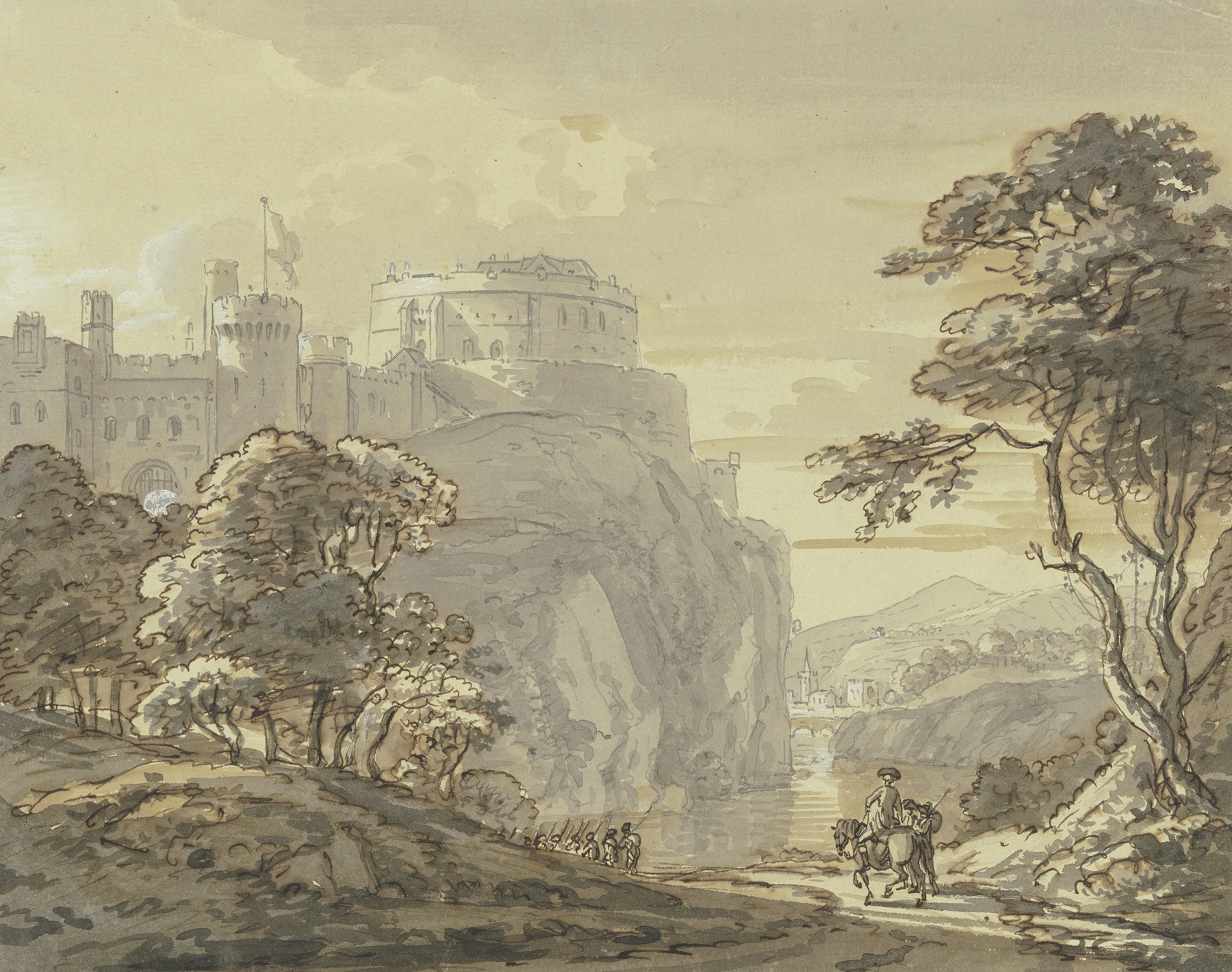
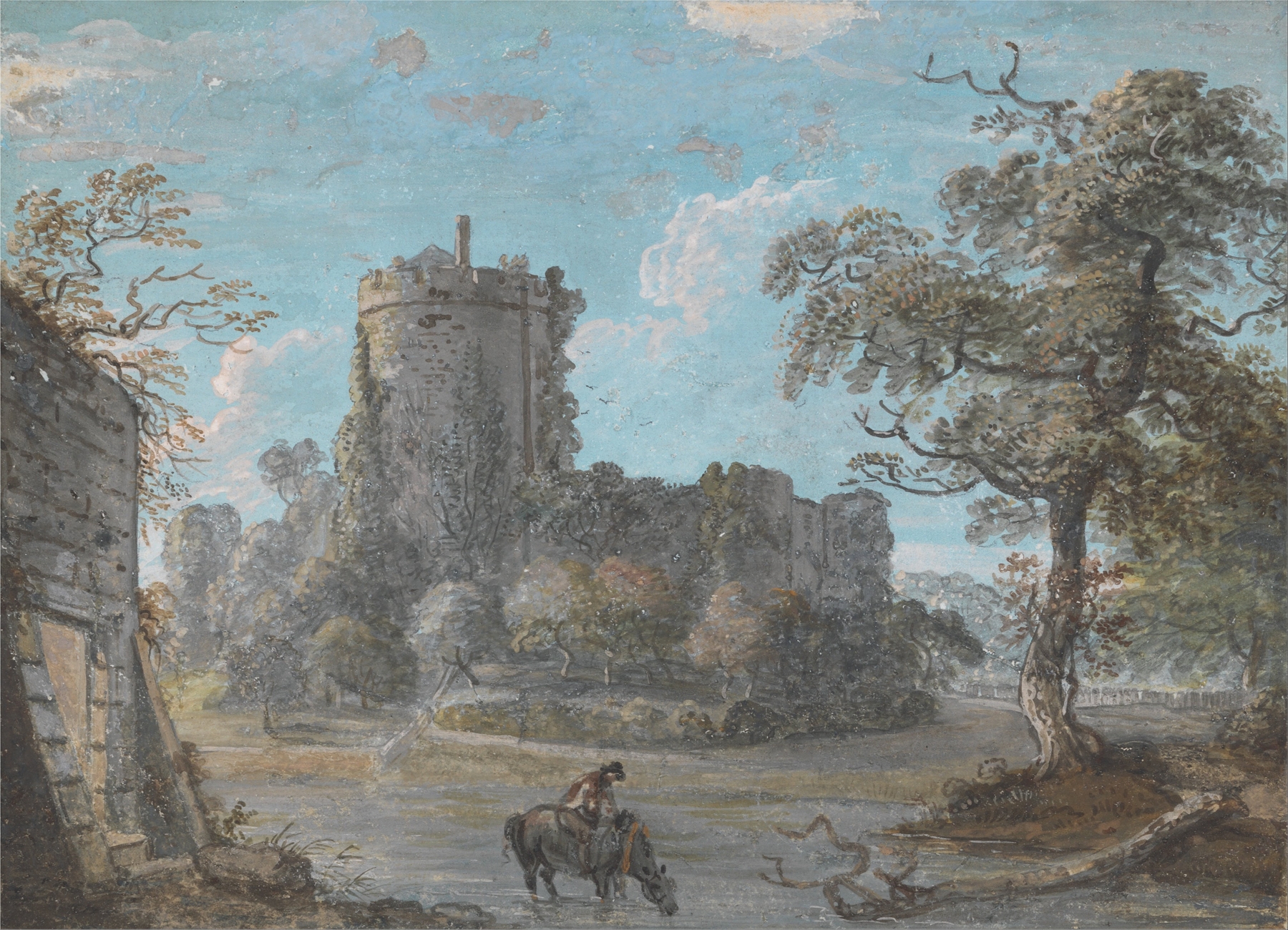
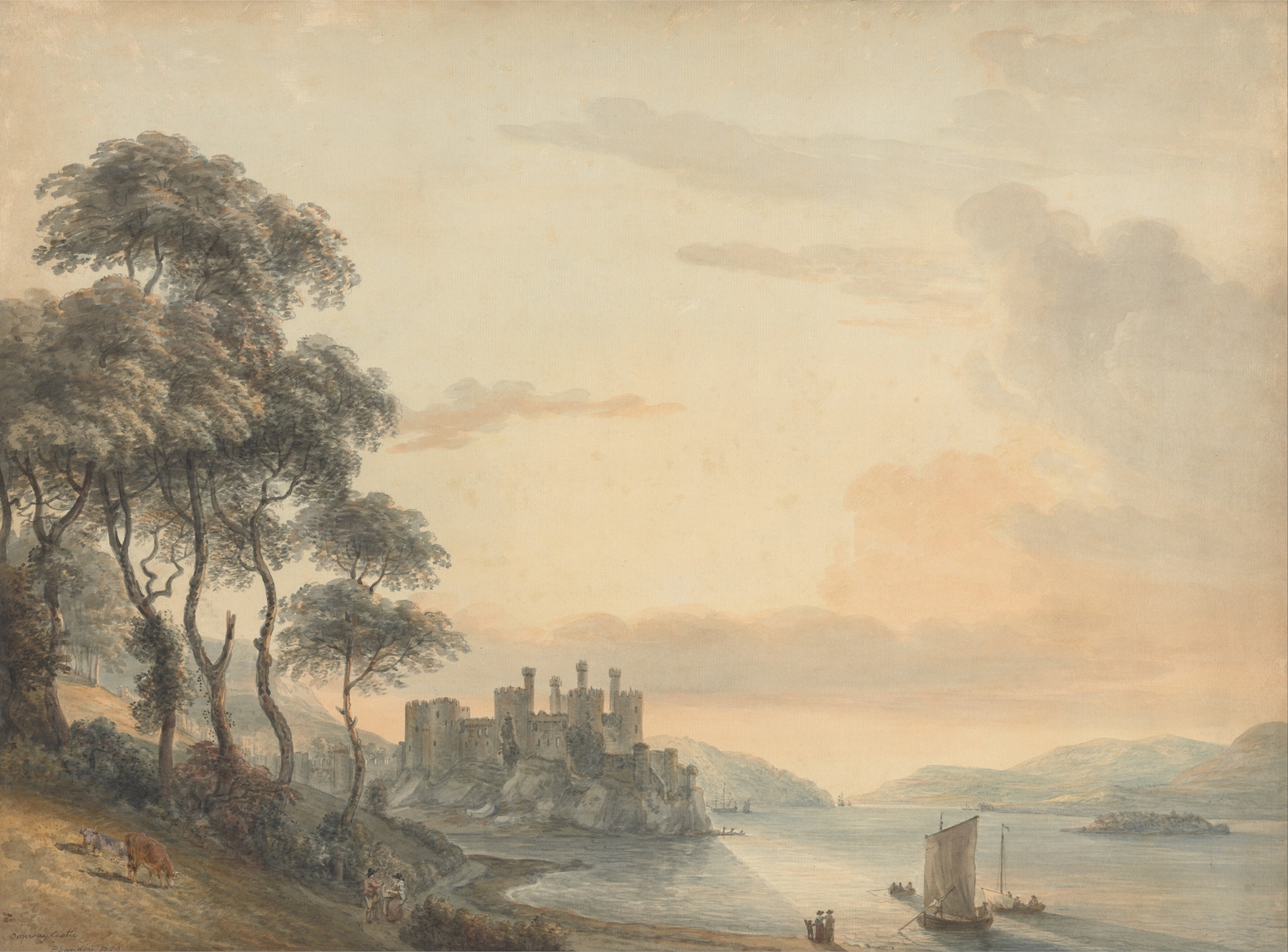
“The canvas doesn’t lie — it simply waits.” In the stillness of a painter’s obsession, landscapes whisper their secrets, inviting us to peer deeper into their heart. Look to the foreground, where dense foliage wraps around the ancient structure, enveloping Roslin Castle in a vibrant embrace. The artist's meticulous brushwork captures the rich hues of greens and browns, creating a tapestry of nature that pulsates with life. The castle rises like a sentinel amidst the verdant backdrop, its weathered stones bathed in dappled sunlight that dances across the surface, revealing the passage of time etched into its walls.
Yet, beyond the beauty lies a hidden tension. The interplay between light and shadow serves not only to illuminate but also to obscure, suggesting the castle's storied past and the secrets it guards. The commanding presence of the fortress contrasts sharply with the gentle curves of the surrounding landscape, embodying the struggle between man-made permanence and the ever-shifting elements of nature. In this tension, one can sense the artist's obsession with capturing both the grandeur and the fragility of existence.
Paul Sandby painted Roslin Castle during the late 18th century, a period marked by a growing fascination with the sublime in nature. Working in England and influenced by the Romantic movement, he aimed to celebrate the dramatic beauty of the British landscape. This era in art saw a shift towards personal expression and emotional resonance, a fitting backdrop for Sandby’s deepening relationship with the enchanting Scottish scenery.