St. Quintin’s Castle near Cowbridge in Glamorganshire — History & Analysis
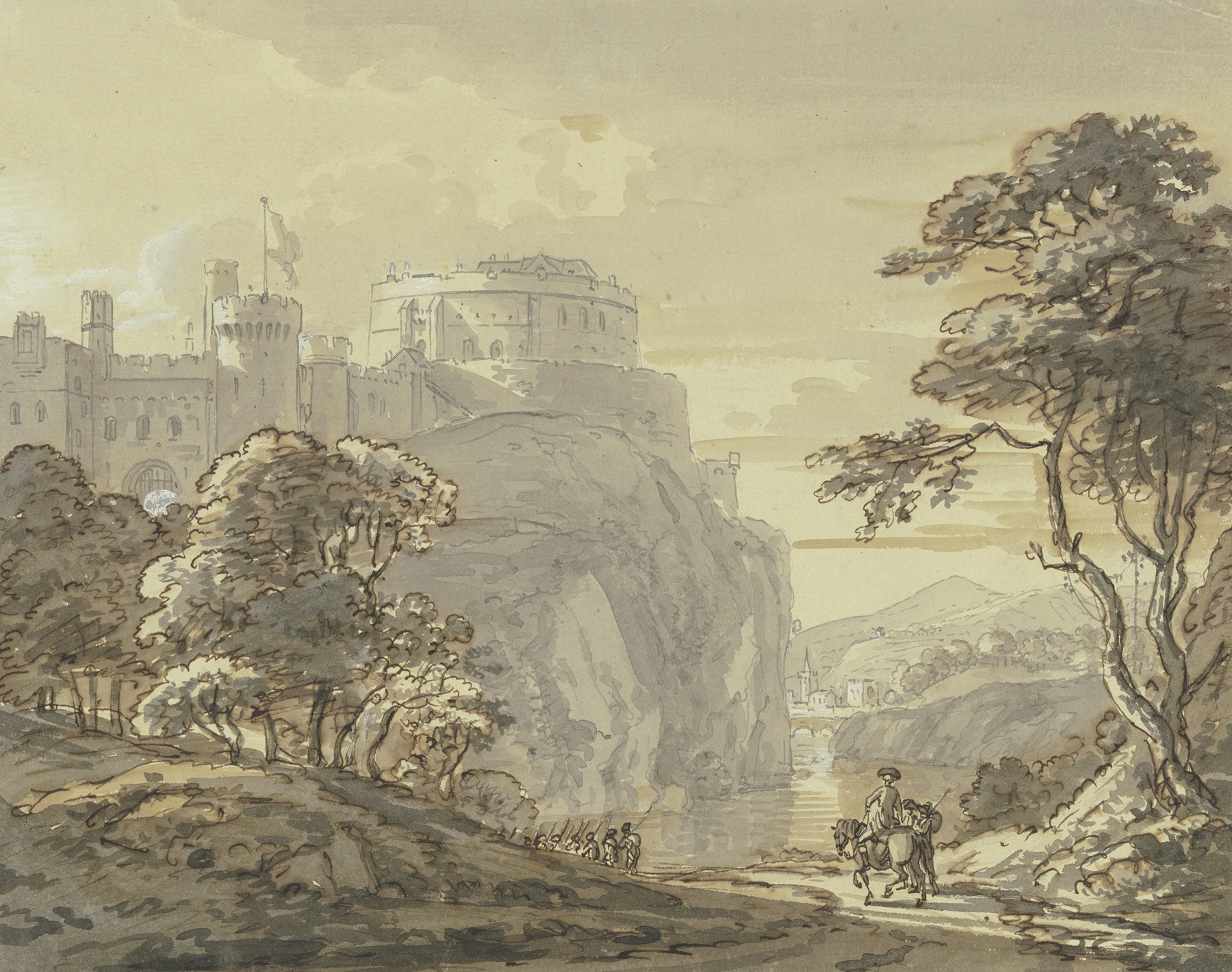
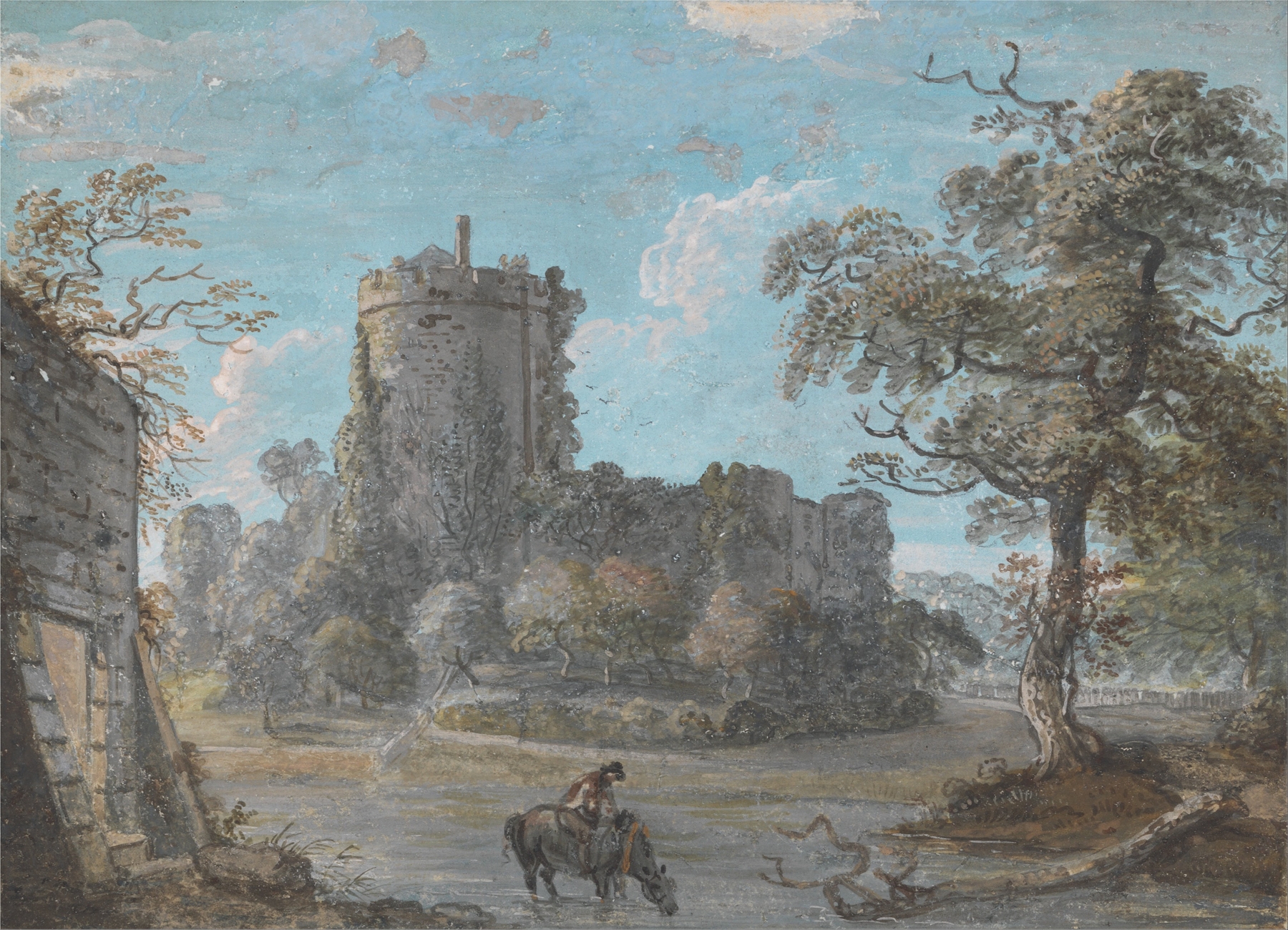
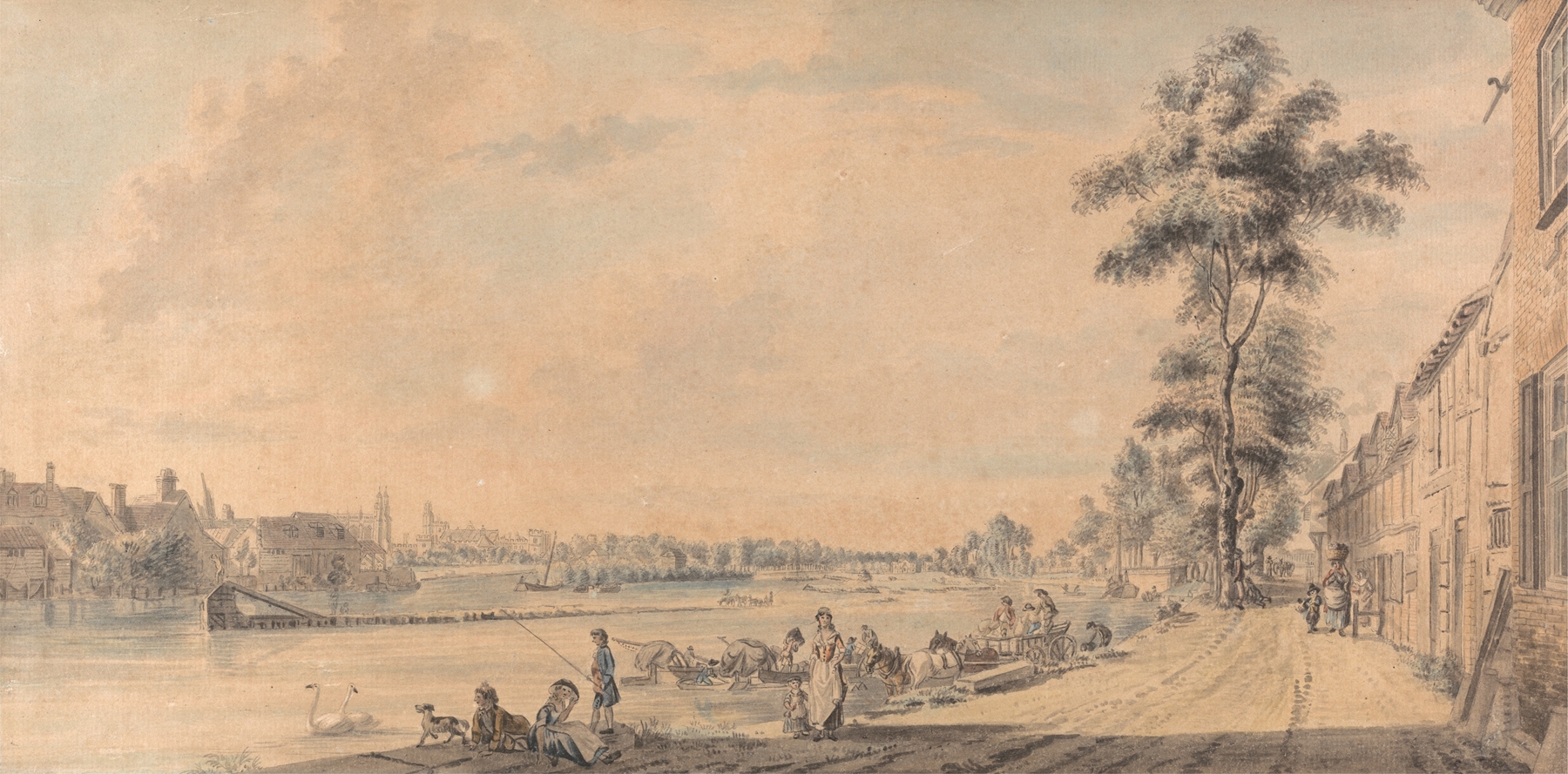
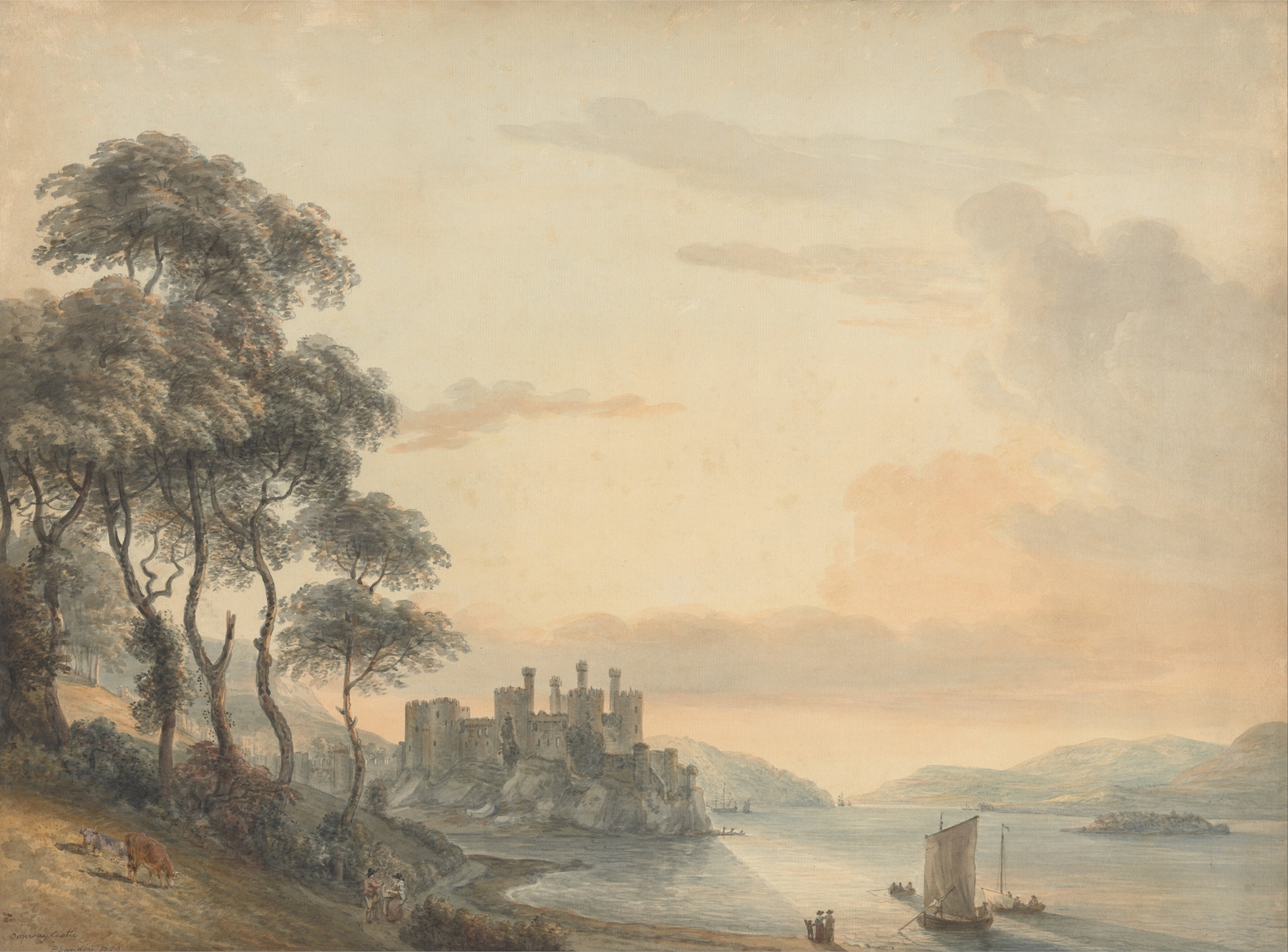
“Every silence here is a confession.” The stillness of a landscape can echo with the whispers of forgotten tales, inviting contemplation of the madness that lurks beneath tranquil surfaces. Look to the foreground, where the sweeping green lawn unfurls like a delicate tapestry, bordered by the ruins of St. Quintin’s Castle. Notice how the artist masterfully captures the interplay of light and shadow—the sunlight kisses the castle stones, illuminating their weathered texture, while dappled shade retreats into the recesses, hinting at secrets long concealed.
The distant hills meld into a soft blue haze, inviting the viewer's gaze to wander, yet the structure stands resolute, both a monument and a memory. Within this serene vista lies a tension between beauty and decay. The castle, once a bastion of power, now crumbles, serving as a reminder of time’s relentless march. The juxtaposition of lush, life-giving nature against the stark remnants of human endeavor suggests a poignant madness—the inevitability of ruin.
Each brushstroke carries a weight, as if Sandby was aware that beauty and despair exist in a fragile balance, echoing the complexities of human experience. Paul Sandby painted this landscape in 1775, while in England, the Romantic movement began to take root, celebrating nature’s power and human emotion. As a pioneer of watercolors, Sandby’s work emerged as a reflection of both personal journey and societal change, facing the turbulence of his time. His depictions of landscapes, particularly in Wales, reveal a deep connection to the land, even as the shadows of history loom overhead.