The Tower Gate at Windsor Castle — History & Analysis
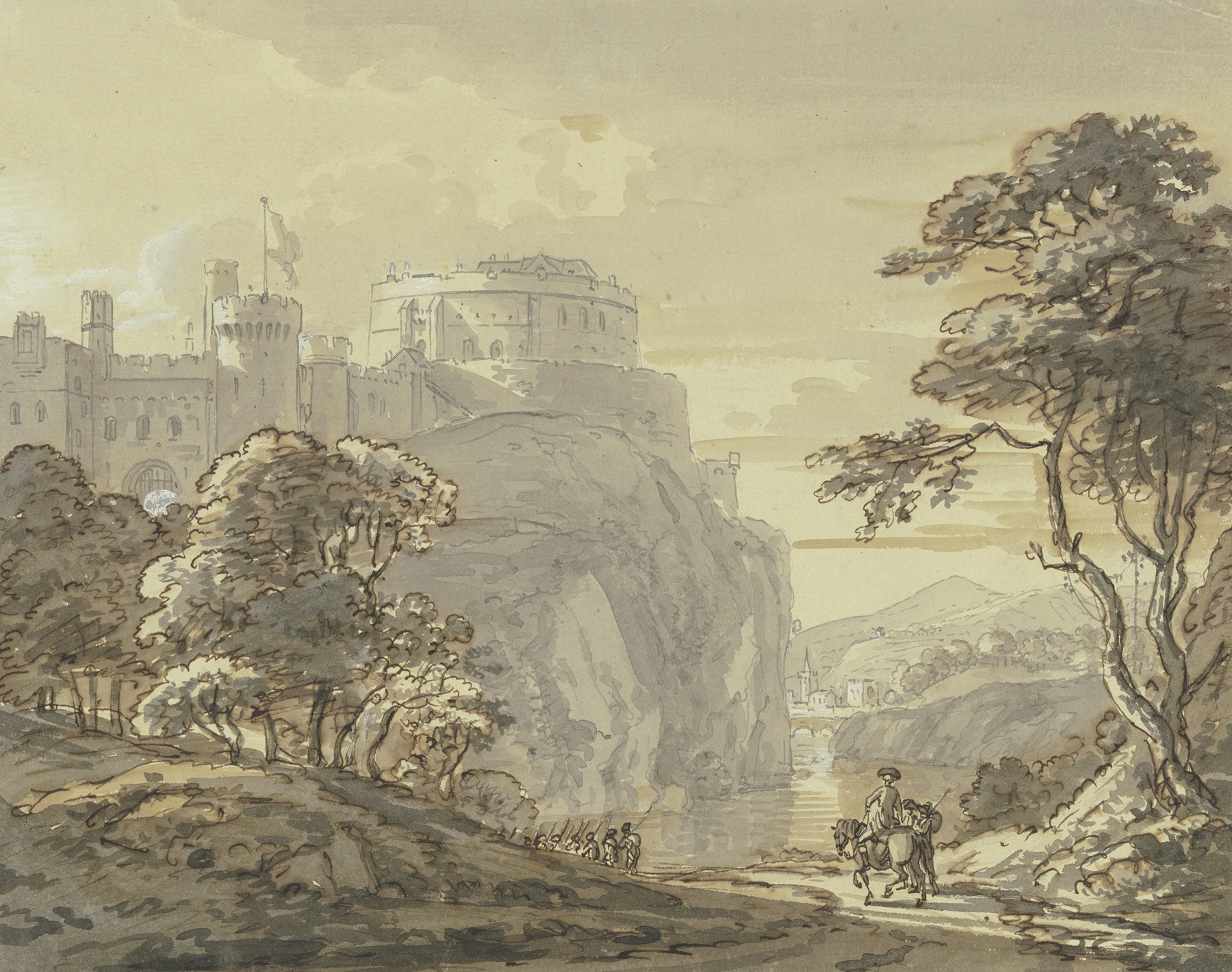
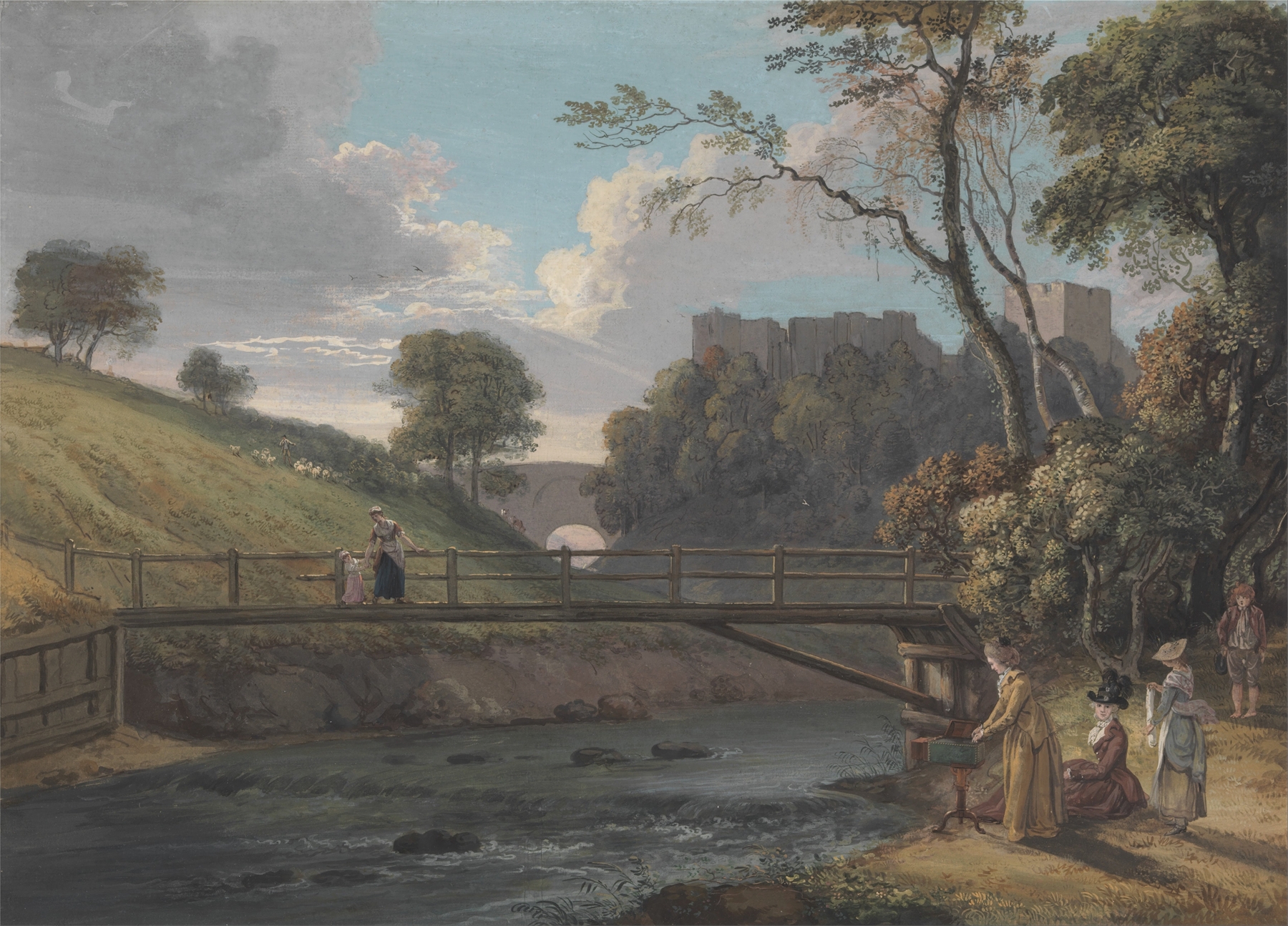
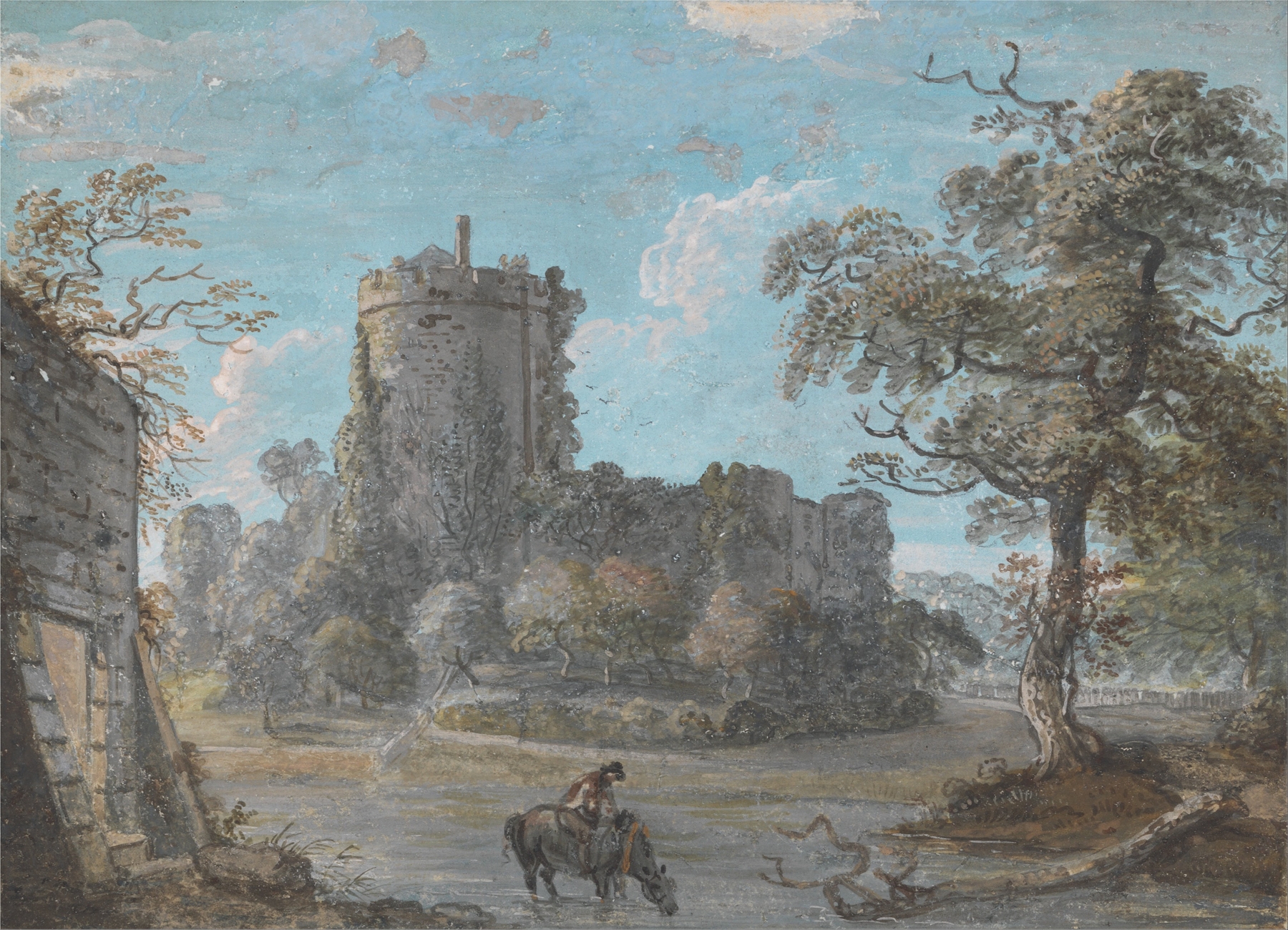
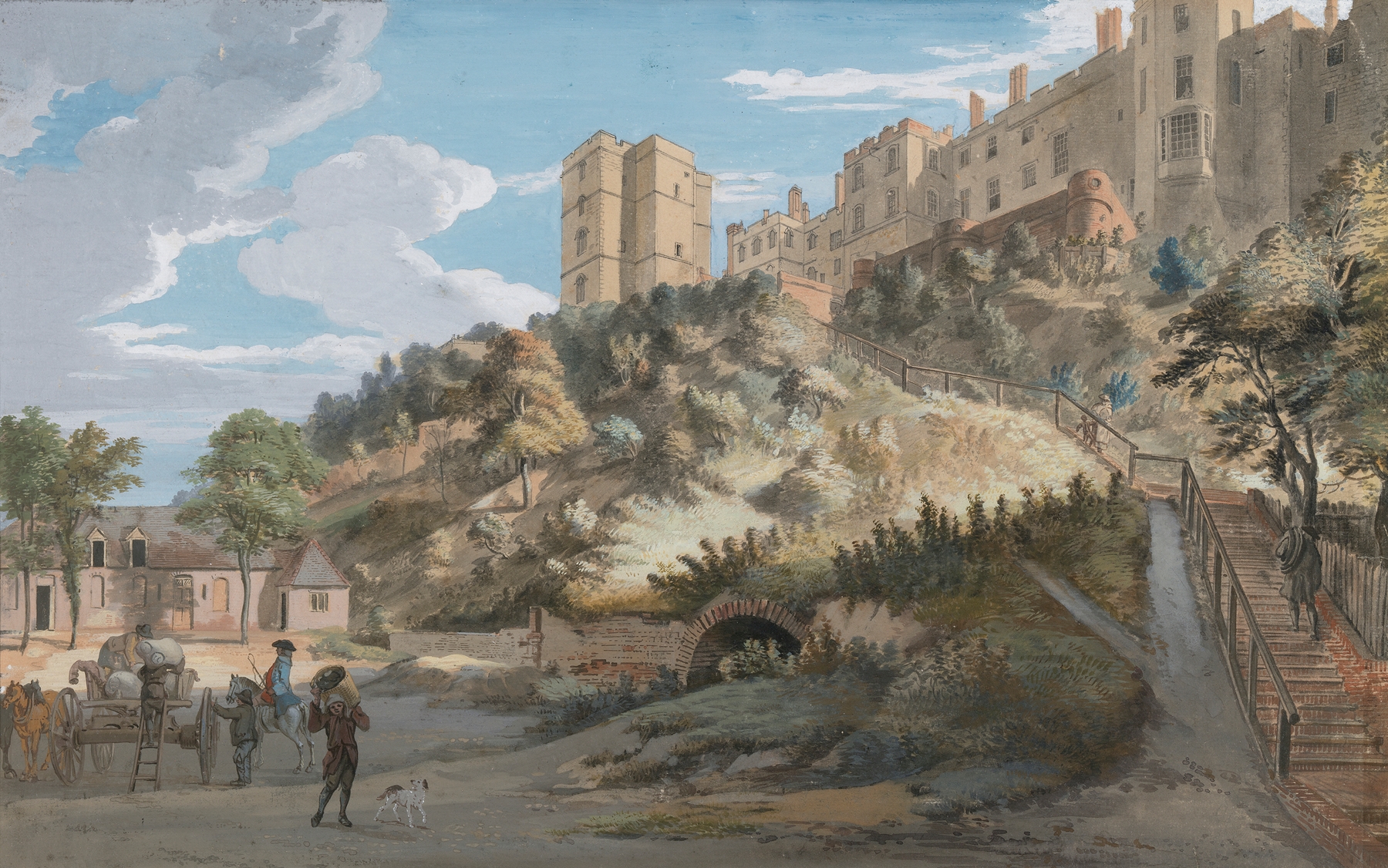
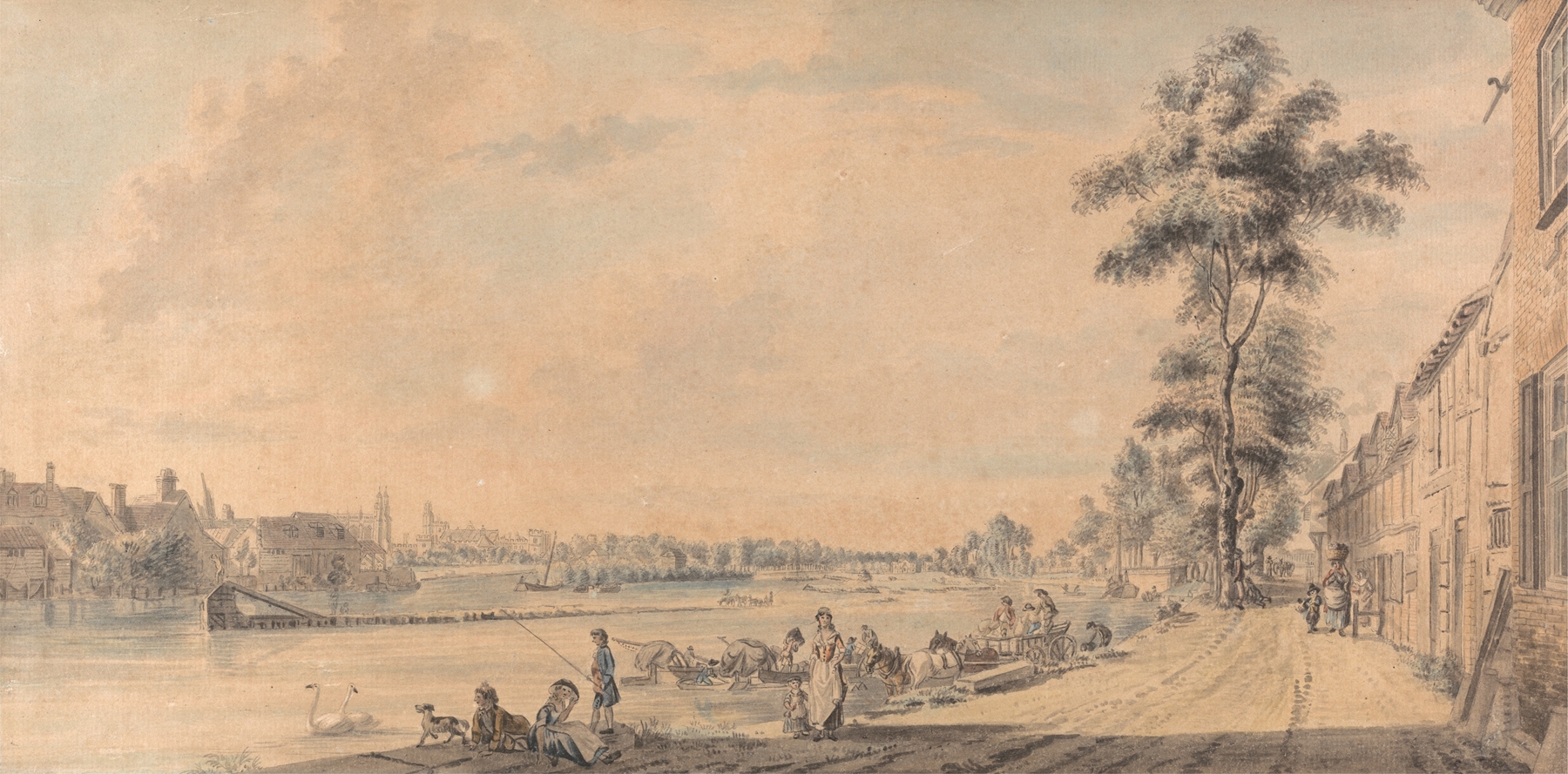
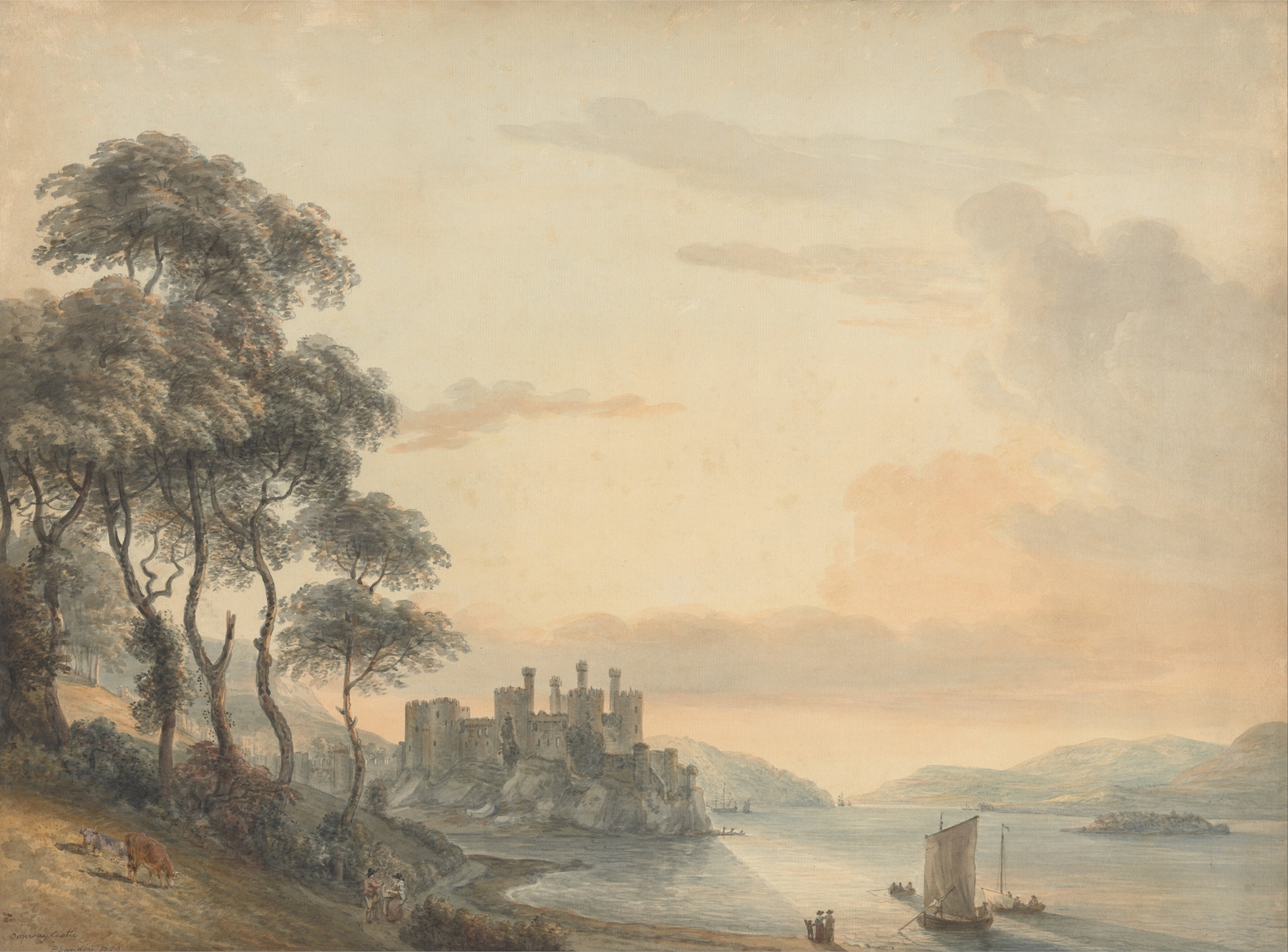
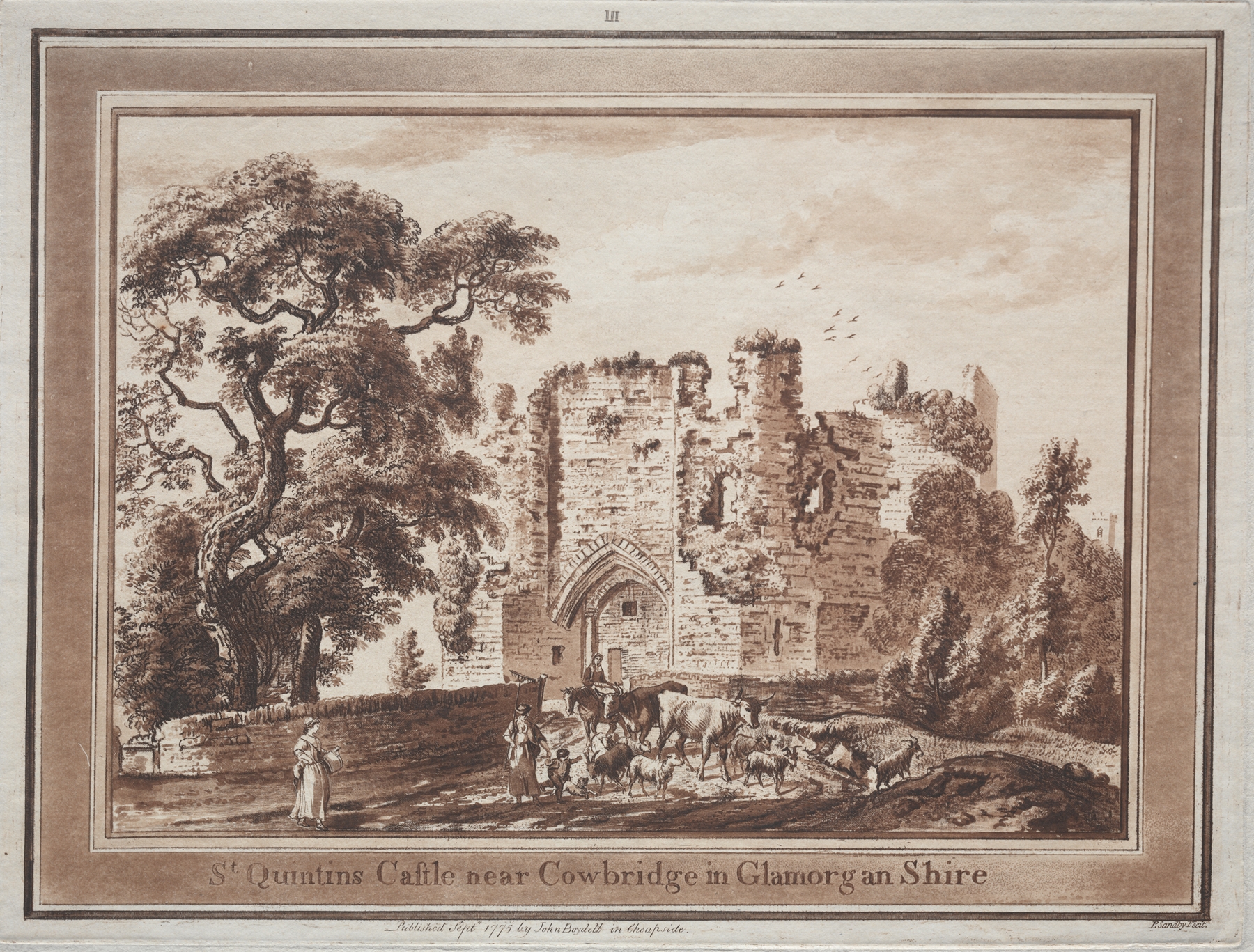
When did color learn to lie? The silence of a moment captured in hues delicately balances truth and illusion, whispering secrets of time to the beholder. Start by looking at the imposing structure on the left, where the Tower Gate rises majestically against the sky. Notice how the gentle strokes of blue and gray mimic the soft transition of evening light, creating an ethereal atmosphere.
The way Sandby layers the colors evokes not just the stone’s texture, but also the quiet grandeur of history. Your gaze should drift toward the soft edges of the trees, which frame the gate, grounding the scene in nature while simultaneously suggesting an inviting path toward the past. Beneath the surface lies a rich dialogue between permanence and transience. The meticulous detailing of the gate stands in stark contrast to the fluid brushwork of the clouds above, suggesting the inevitability of change, even in the steadfastness of architecture.
The absence of human presence amplifies the emotional resonance, allowing the viewer to contemplate the weight of history, the echoes of stories untold, and the silent watch of time over the landscape. In 1767, the artist created this piece during a pivotal moment in British art, at a time when the picturesque style was gaining popularity. Sandby, often referred to as the father of English watercolor painting, was exploring new techniques and subject matter that shifted away from the formalism of his predecessors. The world around him was burgeoning with change, and in Windsor Castle, he found a symbol of continuity amidst the evolving cultural landscape.