The Entrance to Chepstow Castle — History & Analysis
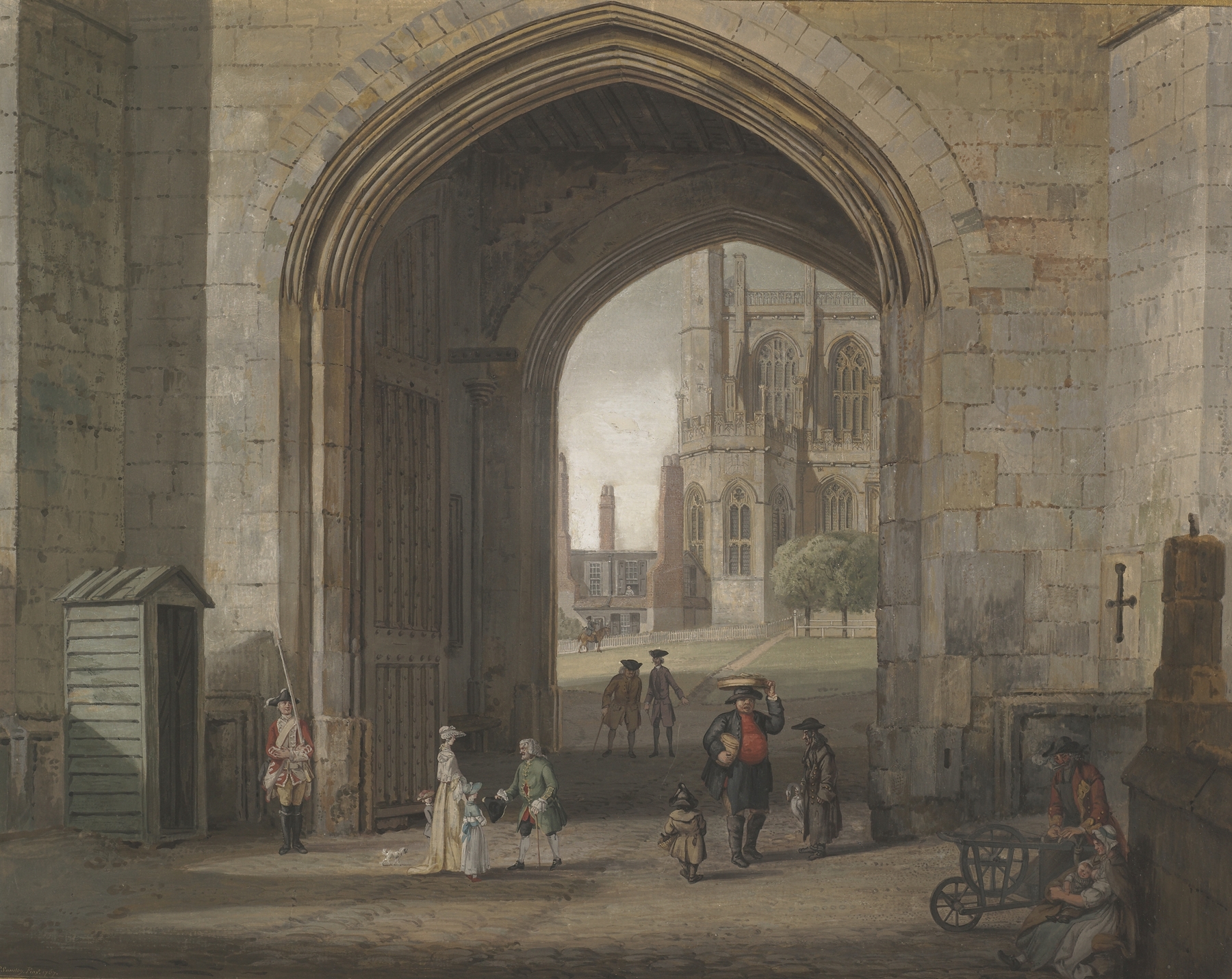
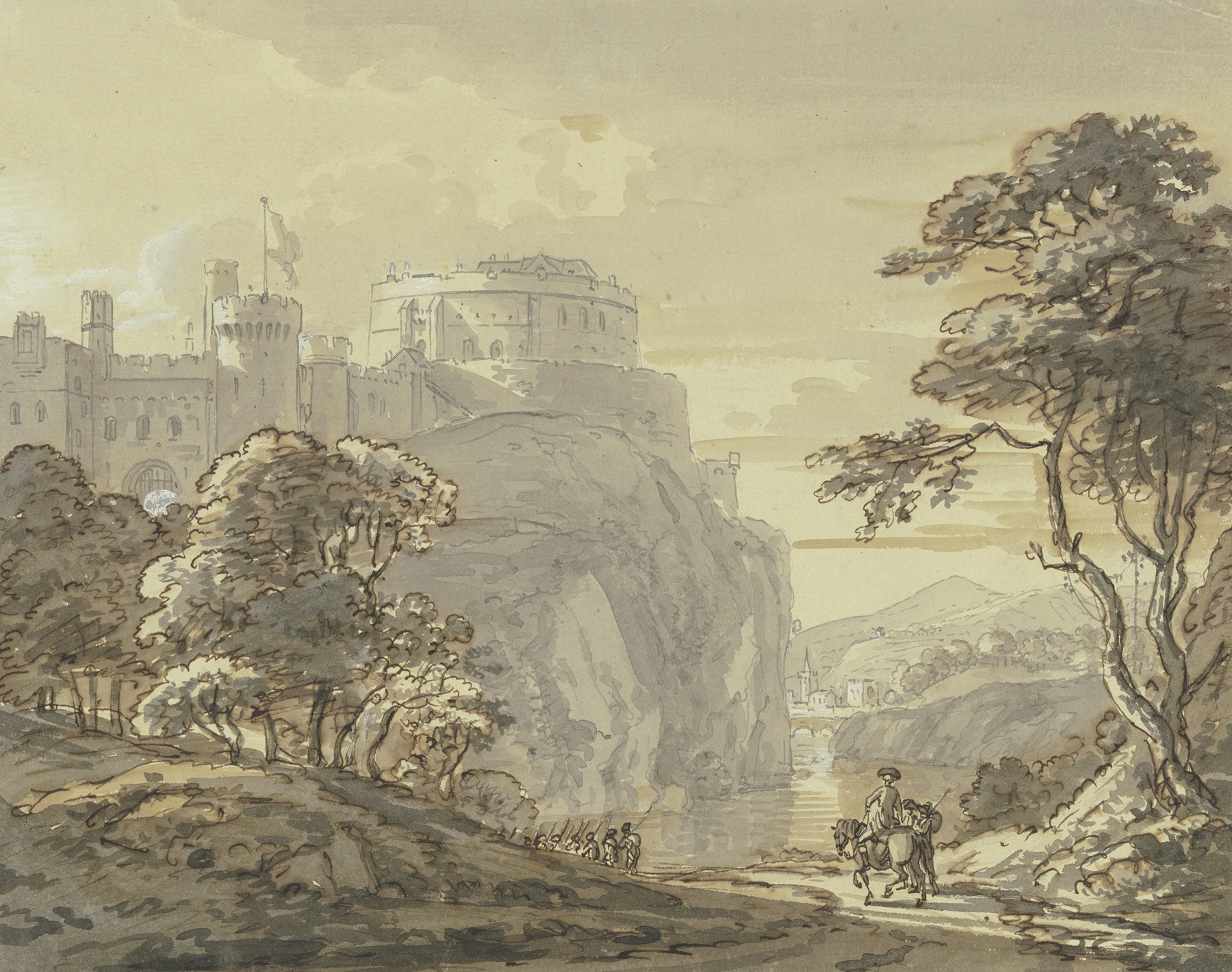
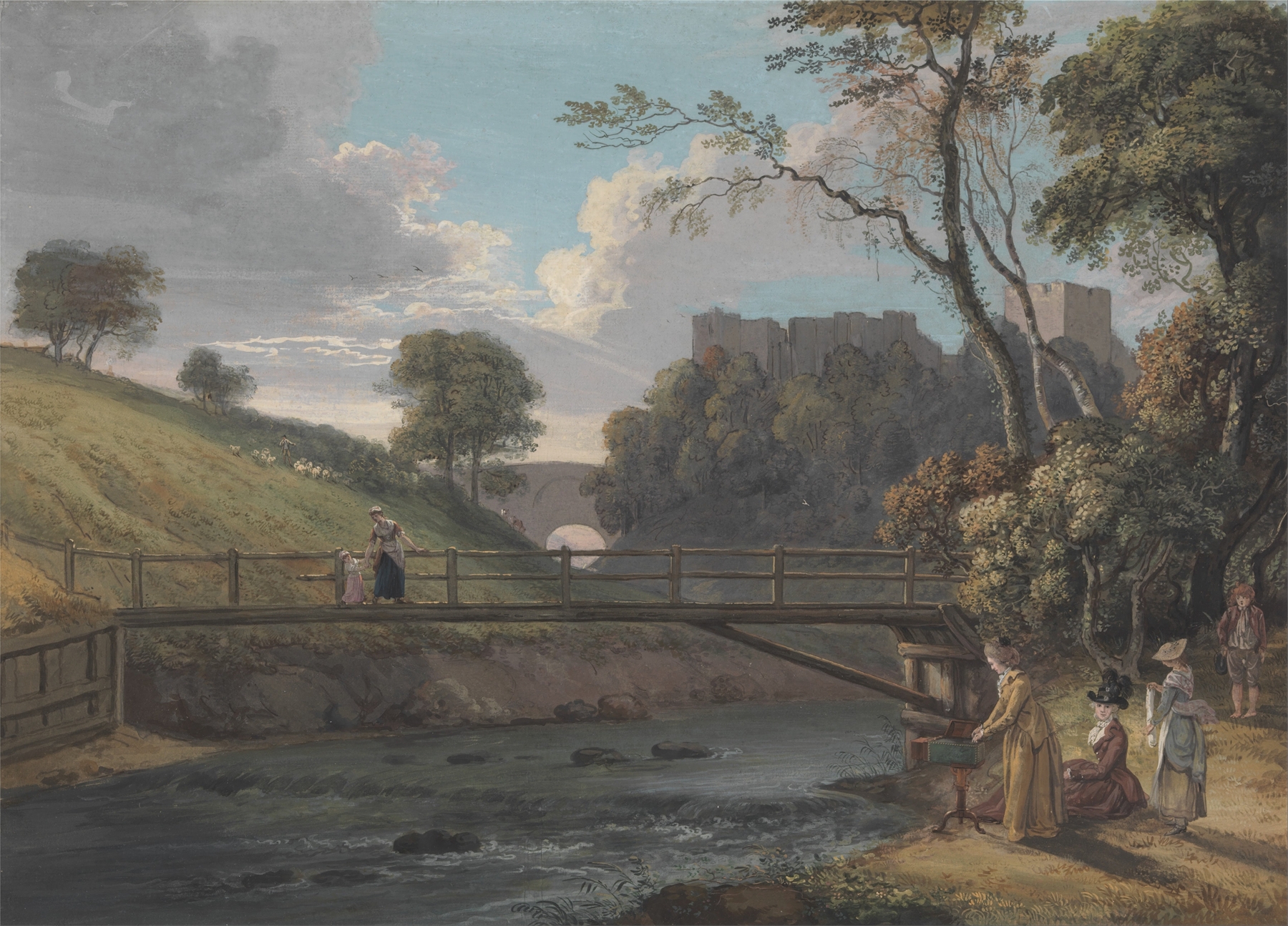
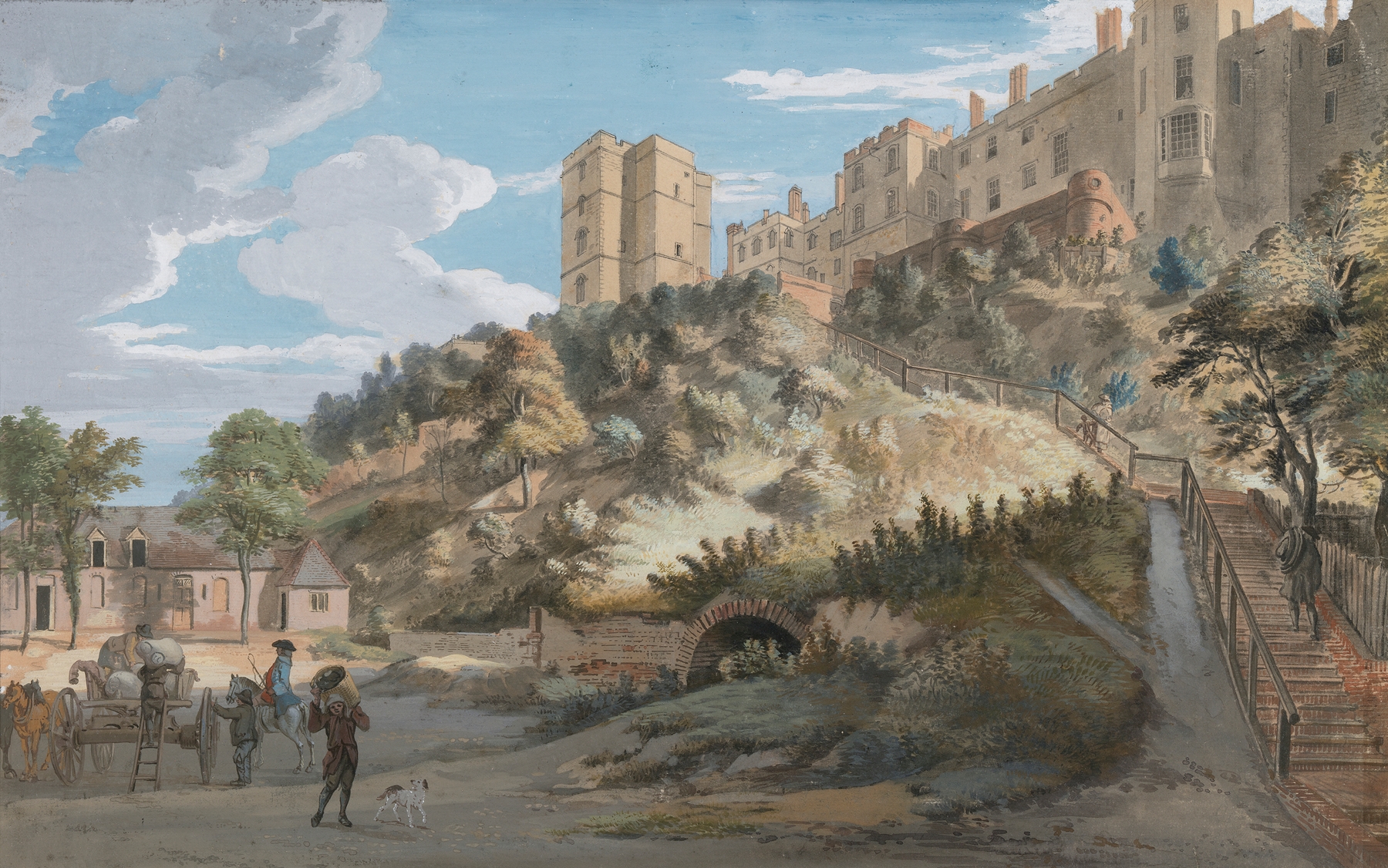
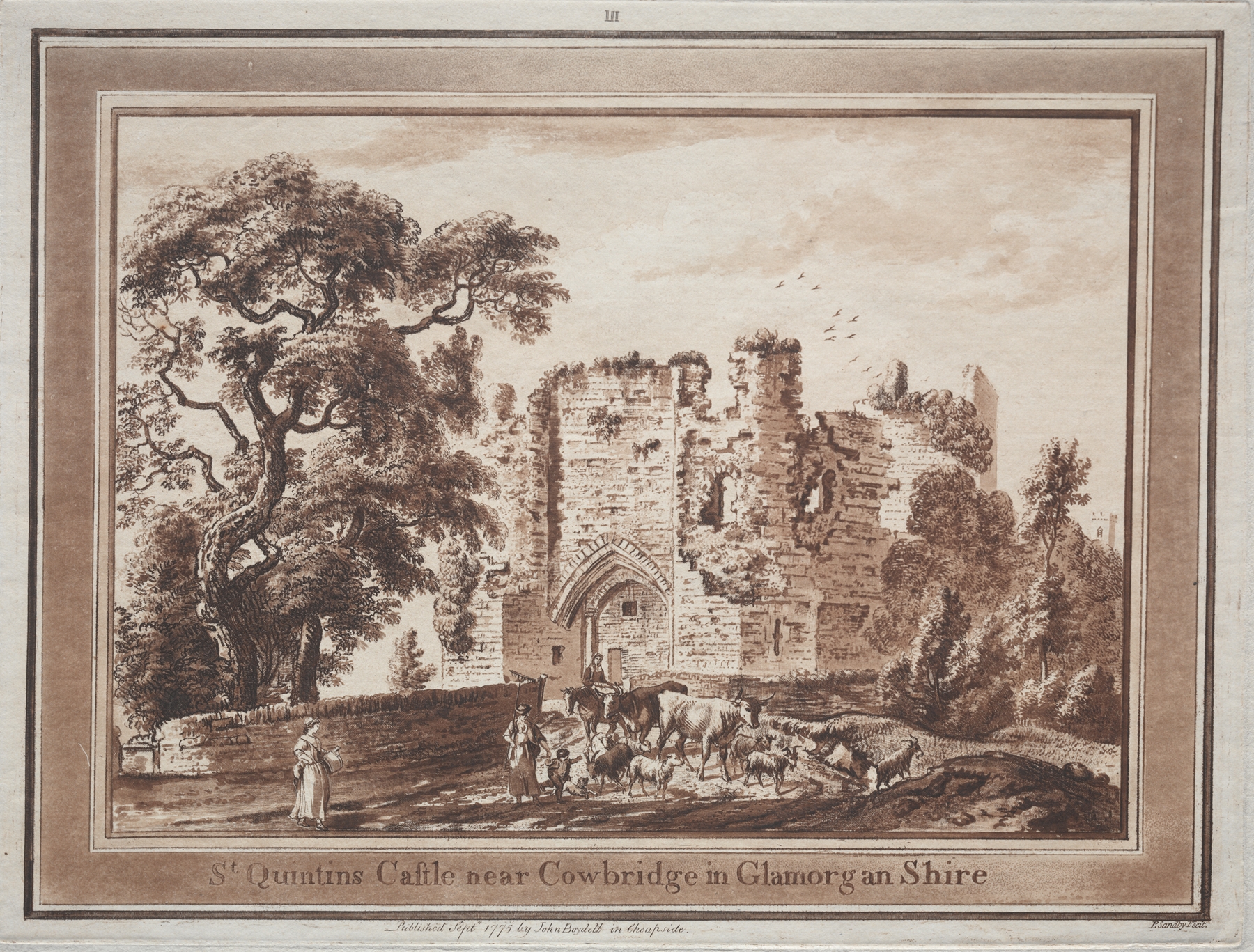
Can beauty exist without sorrow? Paul Sandby’s The Entrance to Chepstow Castle envelops viewers in a nostalgic embrace, urging them to ponder the weight of memory entwined with time’s passage. Look to the left at the mossy stones that frame the archway; their weathered texture tells tales of centuries past. Notice how the soft morning light bathes the scene, casting gentle shadows that dance across the landscape, evoking a sense of calm.
The artist’s meticulous brushwork brings forth the delicate foliage surrounding the castle’s entrance, while the subtle hues of green harmonize with the earthy browns, creating a serene yet haunting atmosphere. Beneath the surface lies a contrast between strength and fragility. The imposing architecture of the castle stands sentinel against the lush greenery, symbolizing both resilience and decay. The play of light suggests transience; as daylight shifts, inviting both visitors and specters of the past, one can feel a bittersweet longing for what once was.
Each element—the towering stones, the encroaching vines—reflects a longing for connection, underscoring the ephemeral beauty of existence. Paul Sandby painted this work during the late 18th century, a period marked by a burgeoning interest in the picturesque and the romantic. As a prominent figure in the English landscape movement, he sought to blend reality with imagination, capturing the essence of the British countryside. In this time of artistic exploration, Sandby’s work reflects not only the physical landscape but also a deep engagement with history, nostalgia, and the passage of time within the realm of art.