Hampstead Heath, with a Bonfire — History & Analysis
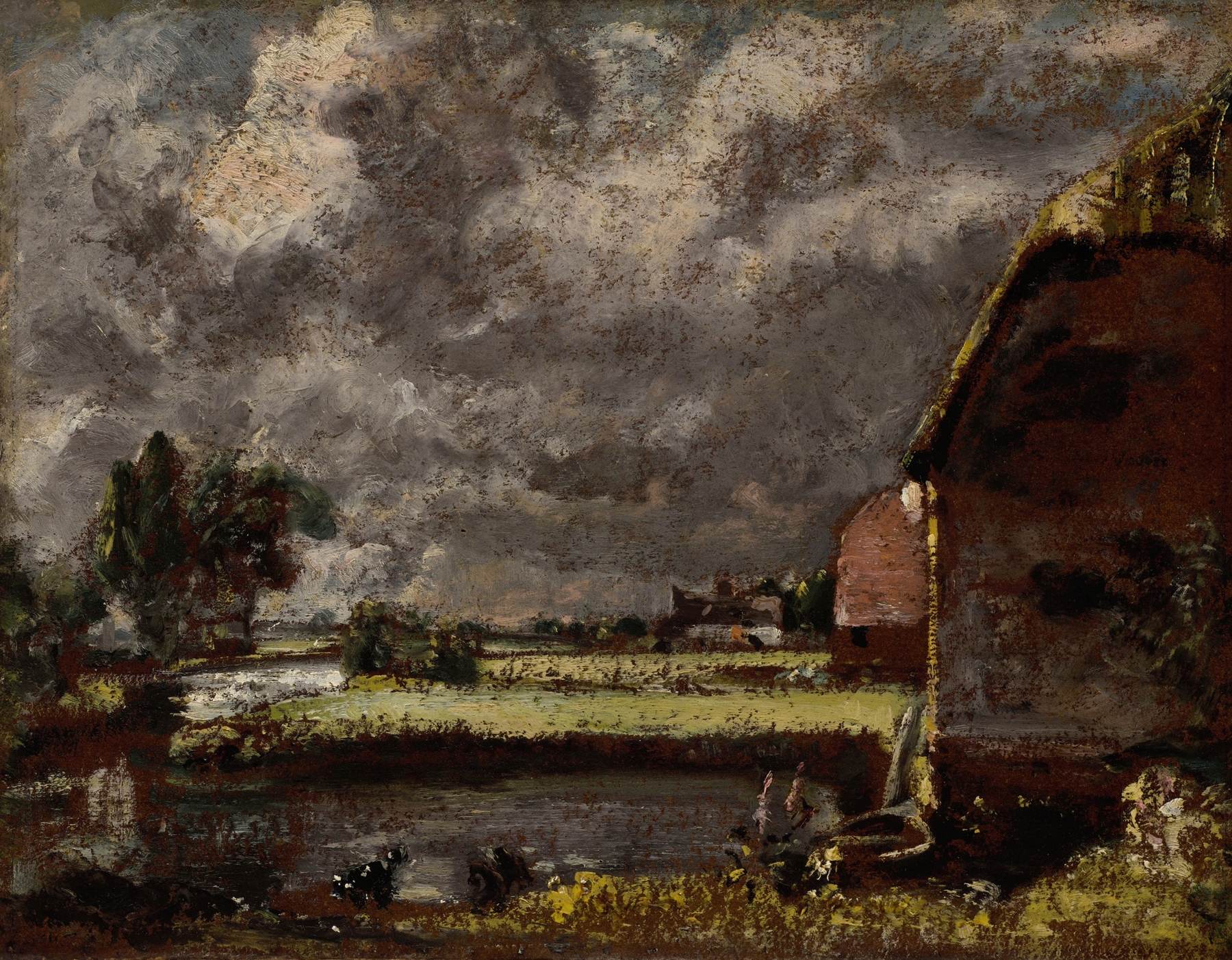
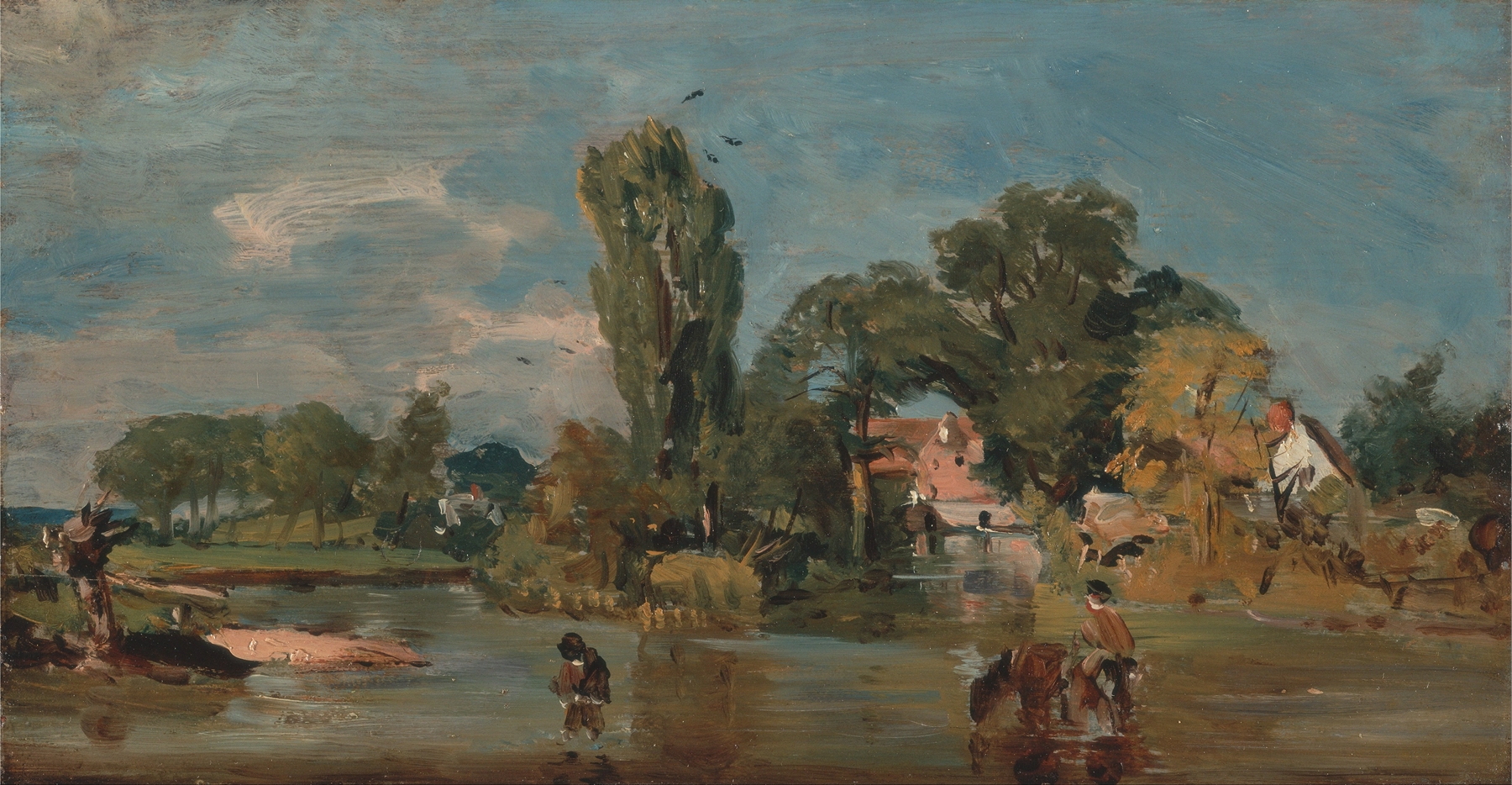
Who listens when art speaks of silence? In Hampstead Heath, with a Bonfire, the weight of the moment reverberates through the flickering glow and the stillness of the surrounding landscape, awakening the viewer to a world not just seen but felt. Look to the right at the bright bonfire, its warm hues erupting against the cool, muted greens and blues of the heath. The luminescence dances, drawing your eye and creating a focal point that anchors the otherwise tranquil scene.
The delicate brushwork captures the rustling grass and the whisper of the trees, while the soaring clouds overhead usher in an impending twilight, a transition marked by the interplay of light and shadow. This contrast elevates the emotional landscape, suggesting both a celebration and a quiet reflection. Beneath the surface, the bonfire becomes a metaphor for transience—its flames symbolize fleeting moments of joy, while the vast sky hints at the eternal. The presence of figures gathered around it evokes a sense of community, yet their indistinct shapes create a feeling of isolation, suggesting that even together, one can feel profoundly alone.
The composition balances the dynamism of the fire with the calmness of nature, inviting contemplation on life's ephemeral and enduring aspects. Created in 1822, this piece emerged during a prolific period for its artist, who was grappling with both personal loss and the shifting tides of Romanticism. Working in the English countryside, he sought to capture the sublime beauty of nature while navigating the complexities of his own emotional landscape. Amidst societal changes, his work began to reflect a deeper connection to the environment, culminating in this evocative portrayal of a moment suspended in time.