Hansen kiri (Sailing boats, mist) — History & Analysis
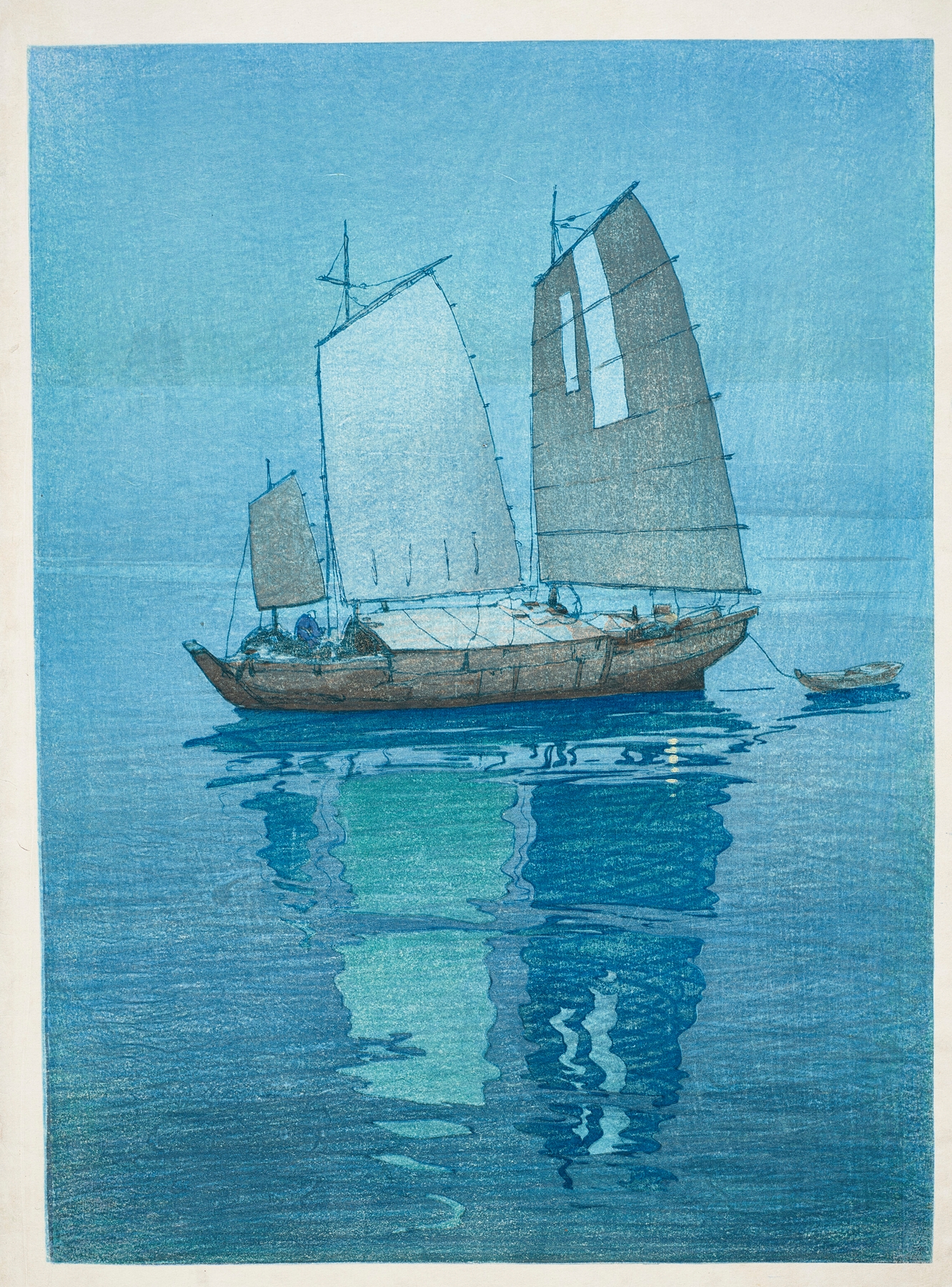
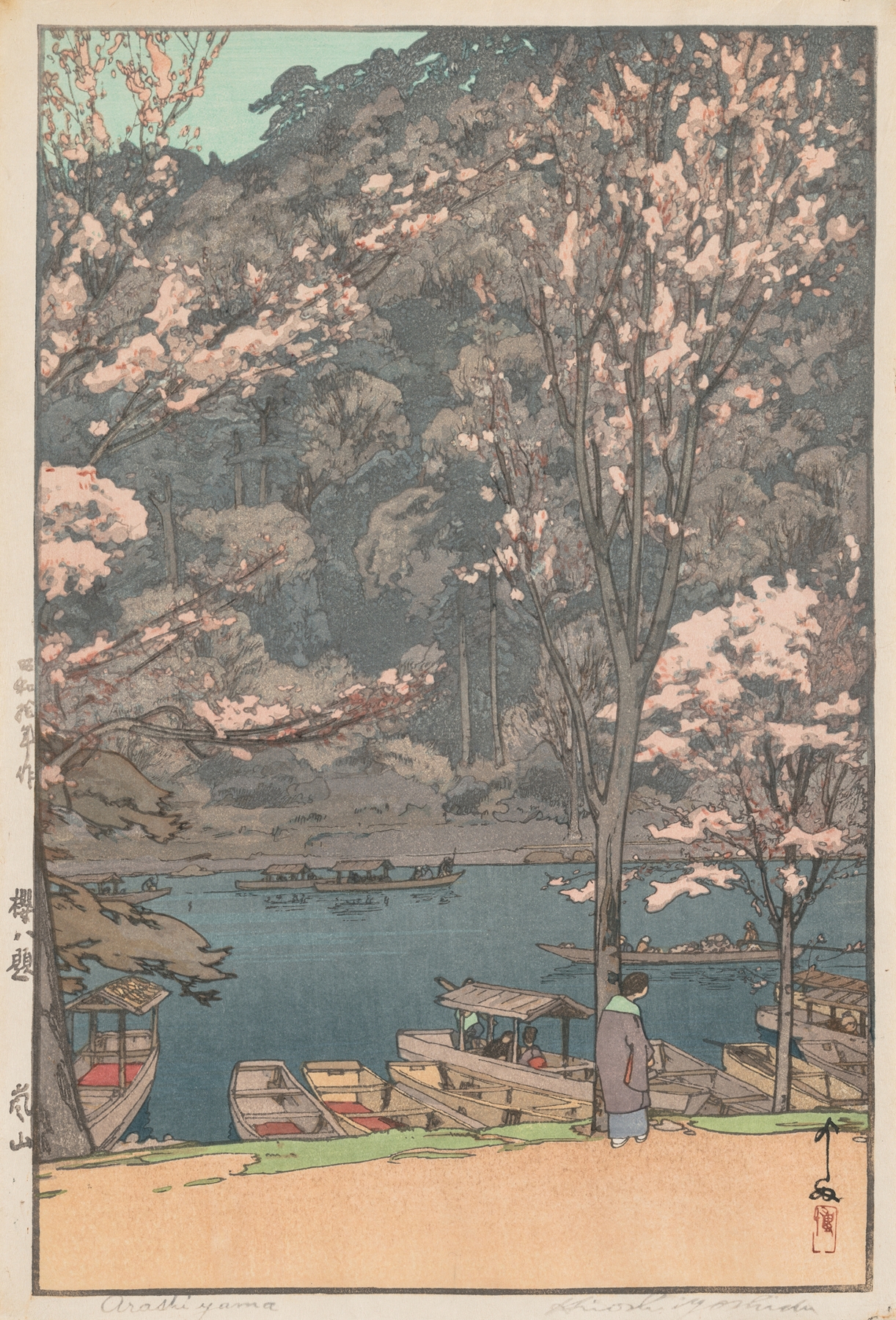
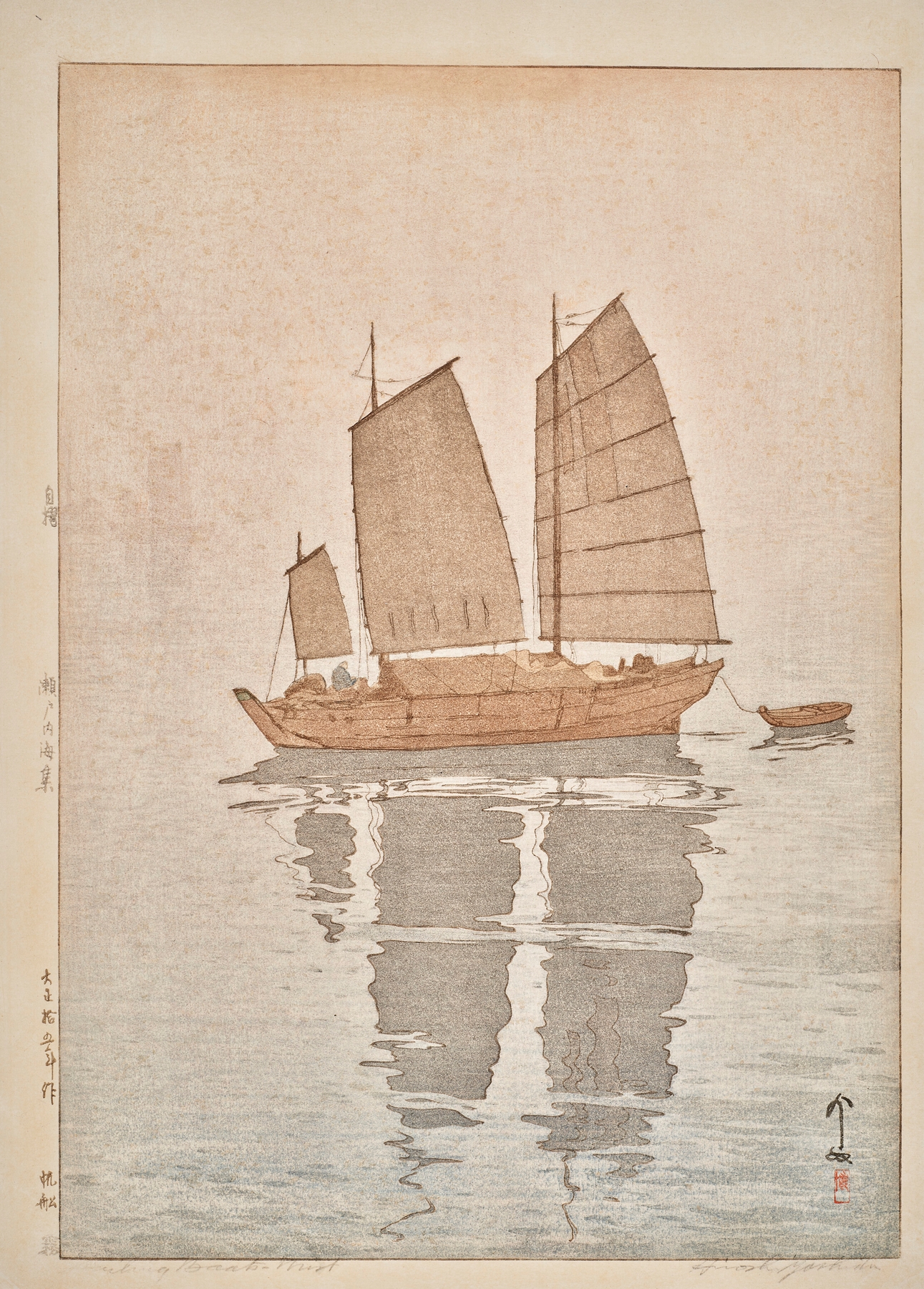
“The canvas doesn’t lie — it simply waits.” It beckons us to confront the fleeting nature of existence, reflected in the tranquil embrace of mist and water. Look closely at the foreground, where the delicate silhouettes of sailing boats emerge softly from the enveloping fog. The muted palette of blues and greens captures the essence of tranquility, while the subtle strokes evoke a sense of movement, suggesting that these vessels are in a dance with the unseen currents of time. The mist blurs the line between reality and illusion, drawing the viewer into a contemplative space where the familiar becomes ethereal.
Hidden within this serene landscape lies a poignant commentary on mortality. The boats, while they carry the promise of adventure, also symbolize the inevitable passage of time — their forms gradually receding into the obscurity of fog. The artist's choice to shroud them in mist suggests not just uncertainty, but also a tender acceptance of life's transience. Moreover, the interplay between light and shadow evokes a silent dialogue about the struggles we face in embracing the unknown.
In 1926, during a period of profound transformation in Japan, Hansen kiri emerged from the brush of Yoshida Hiroshi, a master printmaker and painter. At this juncture in his career, he was exploring new artistic techniques while navigating the cultural shifts following the Meiji Restoration. His work reflected both a close connection to traditional Japanese aesthetics and an engagement with Western influences, as he sought to capture the delicate interplay of nature and human emotion on canvas.