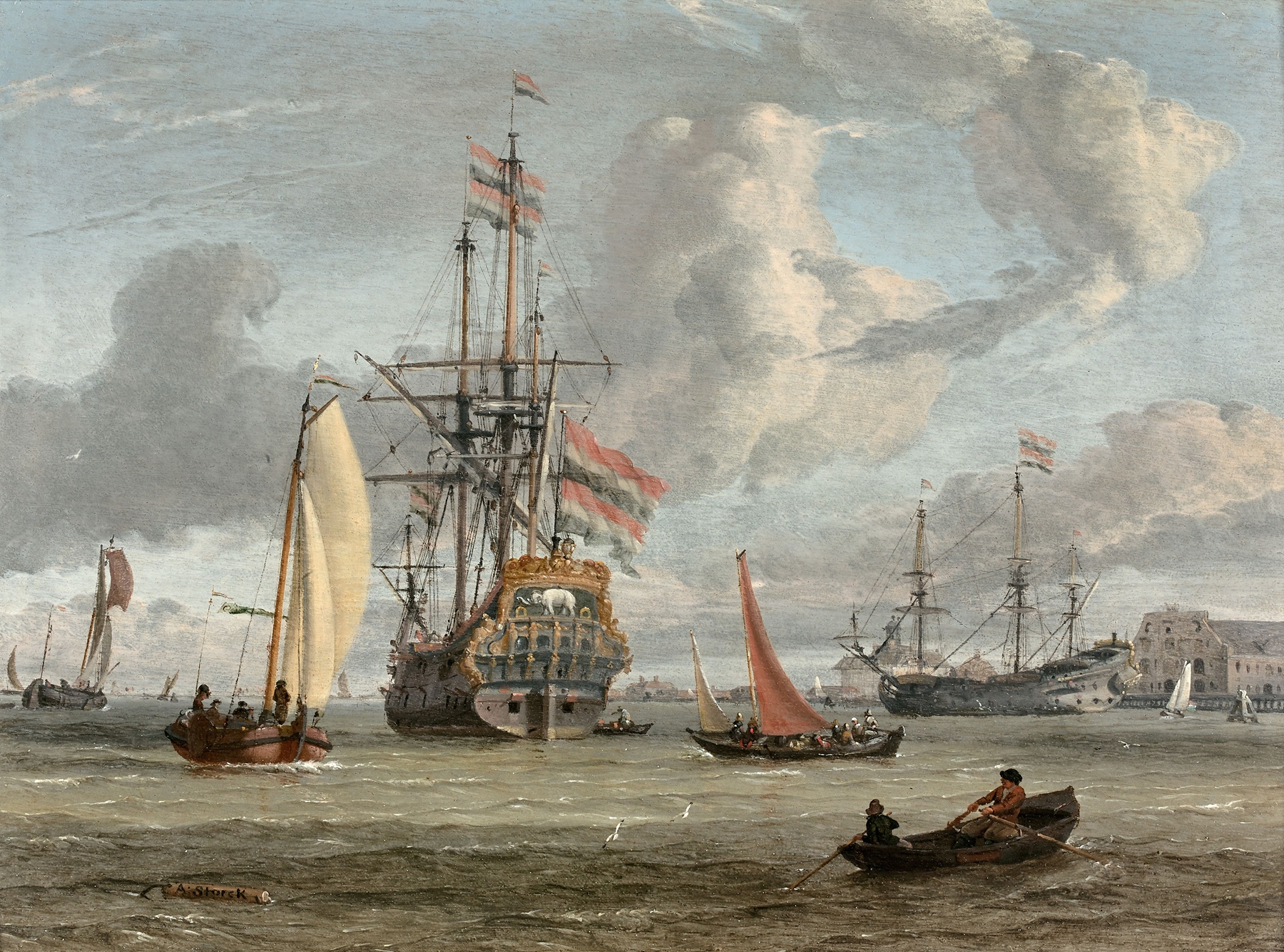
Harbour scene with ancient ruins — History & Analysis
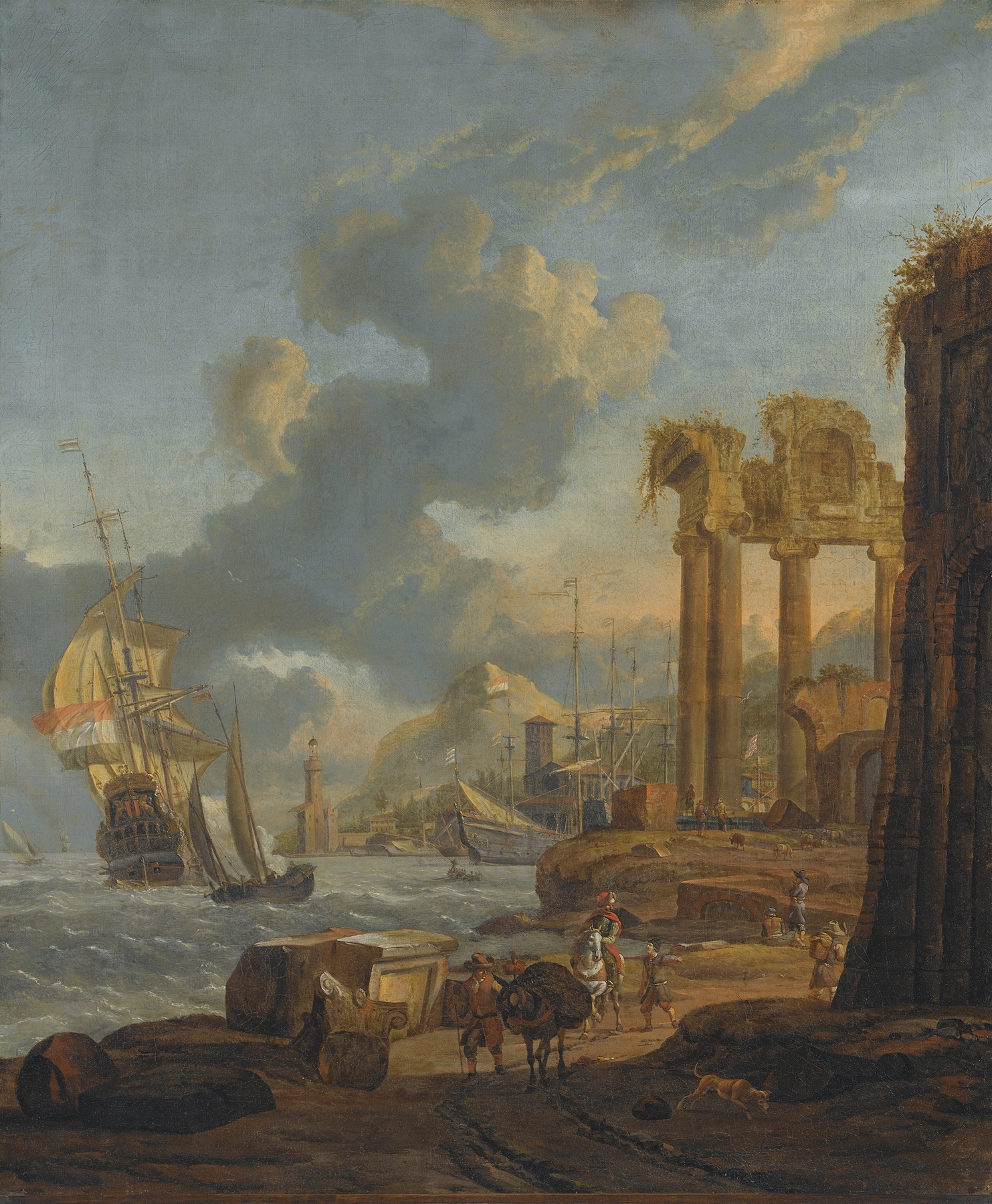
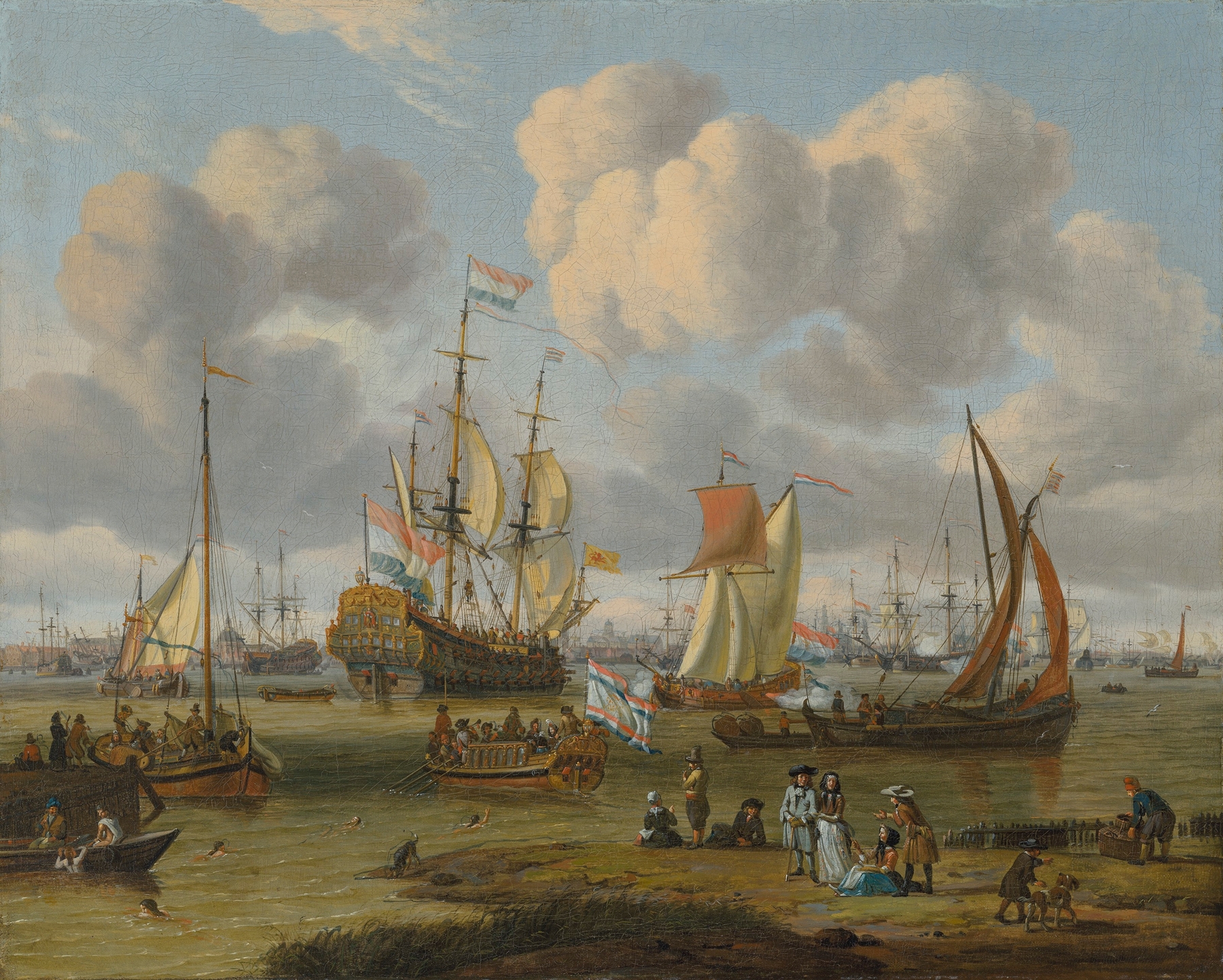
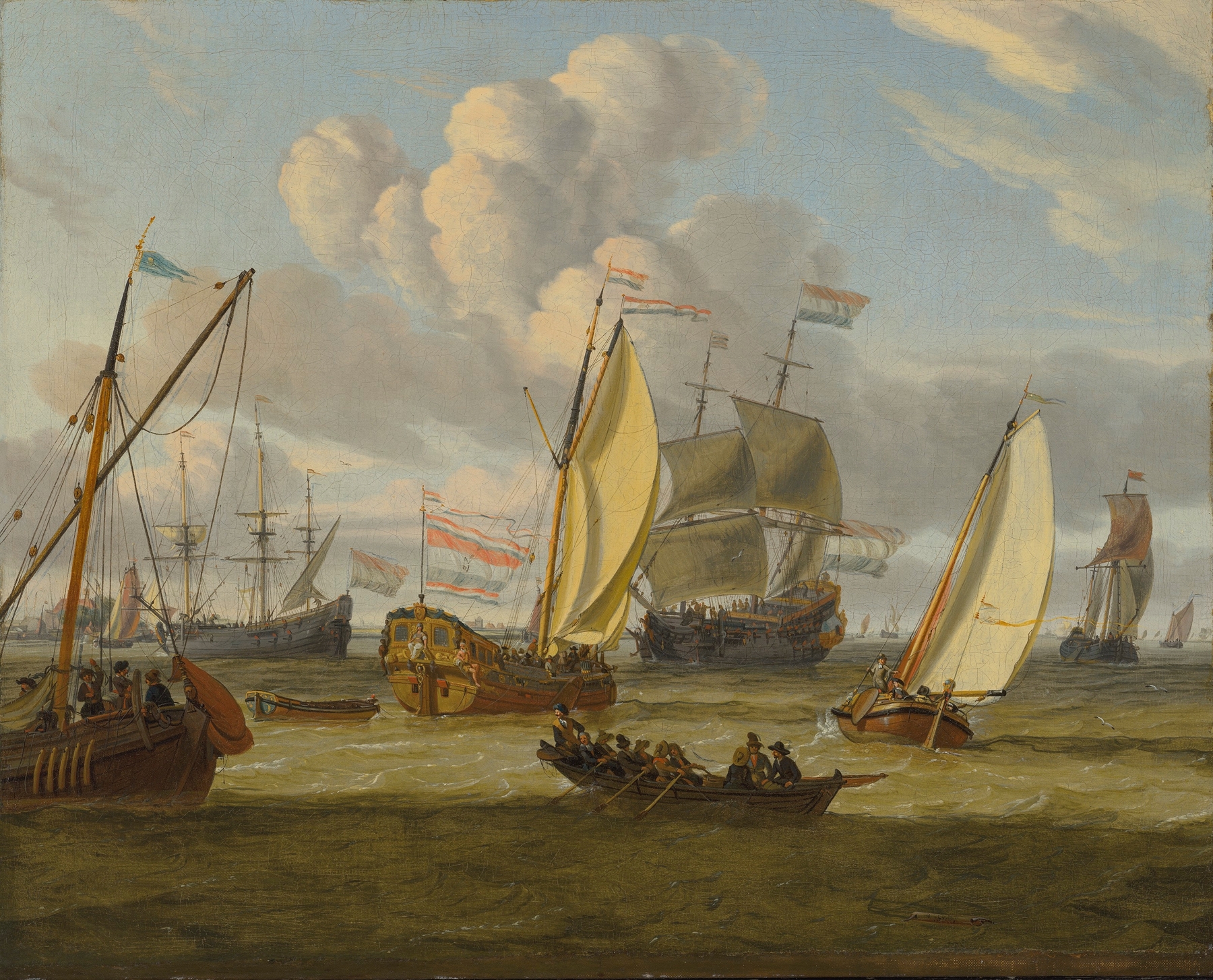
When did color learn to lie? In the hushed embrace of time, memories blend, blurring the lines between reality and illusion. Focus on the tranquil waters in the foreground, where shimmering reflections dance upon the surface, beckoning your gaze. The ancient ruins rise majestically in the background, their crumbling forms softened by the gentle caress of fading daylight. Notice how the palette shifts from earthy browns and greens to the vibrant blues and golds of dusk, creating a sense of nostalgia that envelops the viewer.
Each brushstroke captures not just a scene but an echo of a forgotten past, inviting contemplation. The interplay of light and shadow reveals deeper narratives hidden among the structures. The ruins stand resilient yet melancholic, whispering tales of grandeur long gone, while the sailboats bob gently, suggesting movement amid stillness. This contrast between the enduring stone and the transient sea evokes a poignant reflection on the passage of time.
The scene feels like a collective memory, a reminder of what once was, tinged with the bittersweet ache of loss. In 1666, during a period marked by both artistic flourishing and societal change, the painter captured this vision while based in Amsterdam. Storck was deeply influenced by the maritime culture of the Dutch Golden Age, a time when seafaring and trade opened doors to new perspectives and artistic expression. His works often conveyed a sense of harmony between human endeavors and nature, underpinning the significance of memory in shaping our understanding of the past.