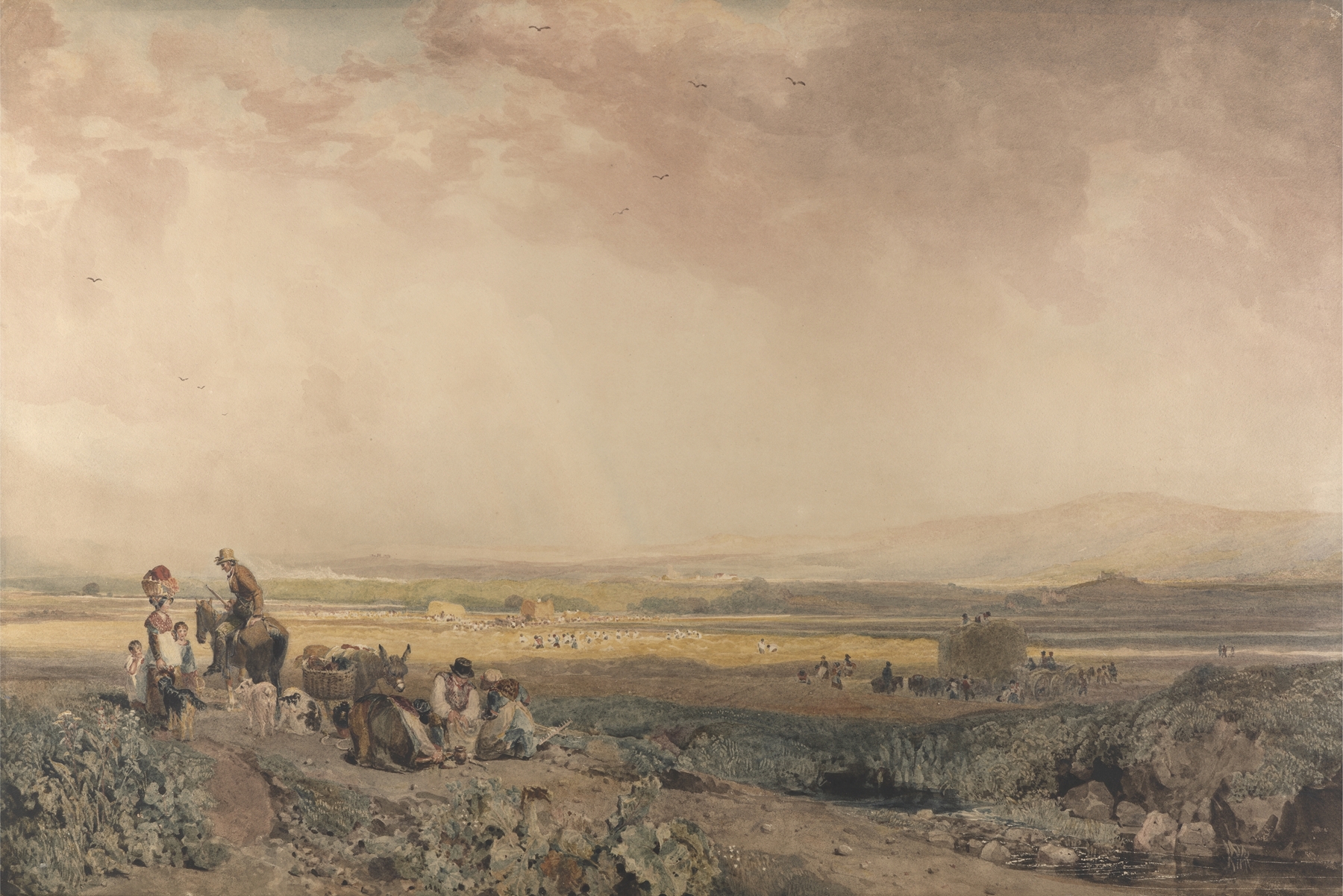
Harvest Time- Cumberland — History & Analysis
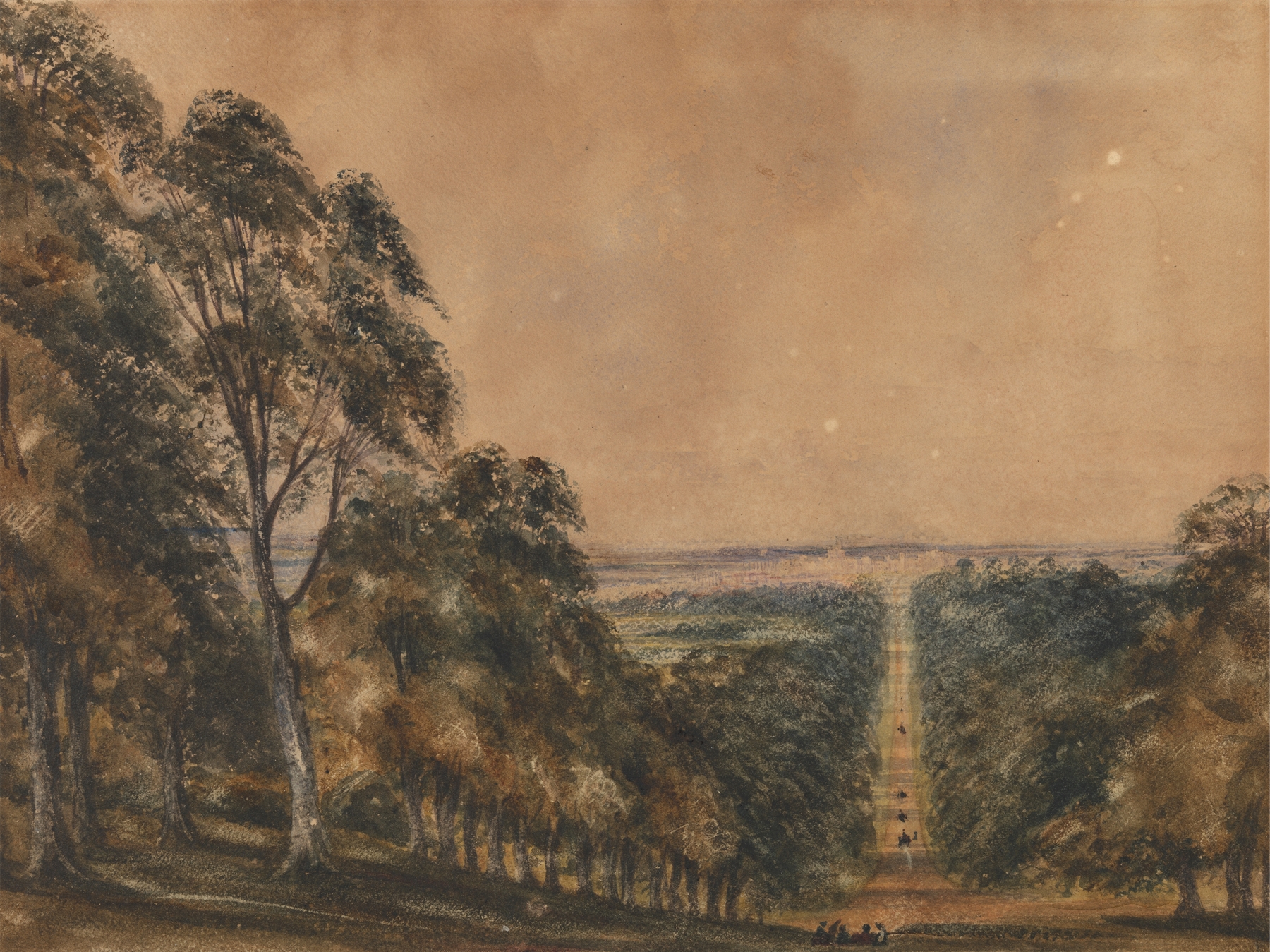
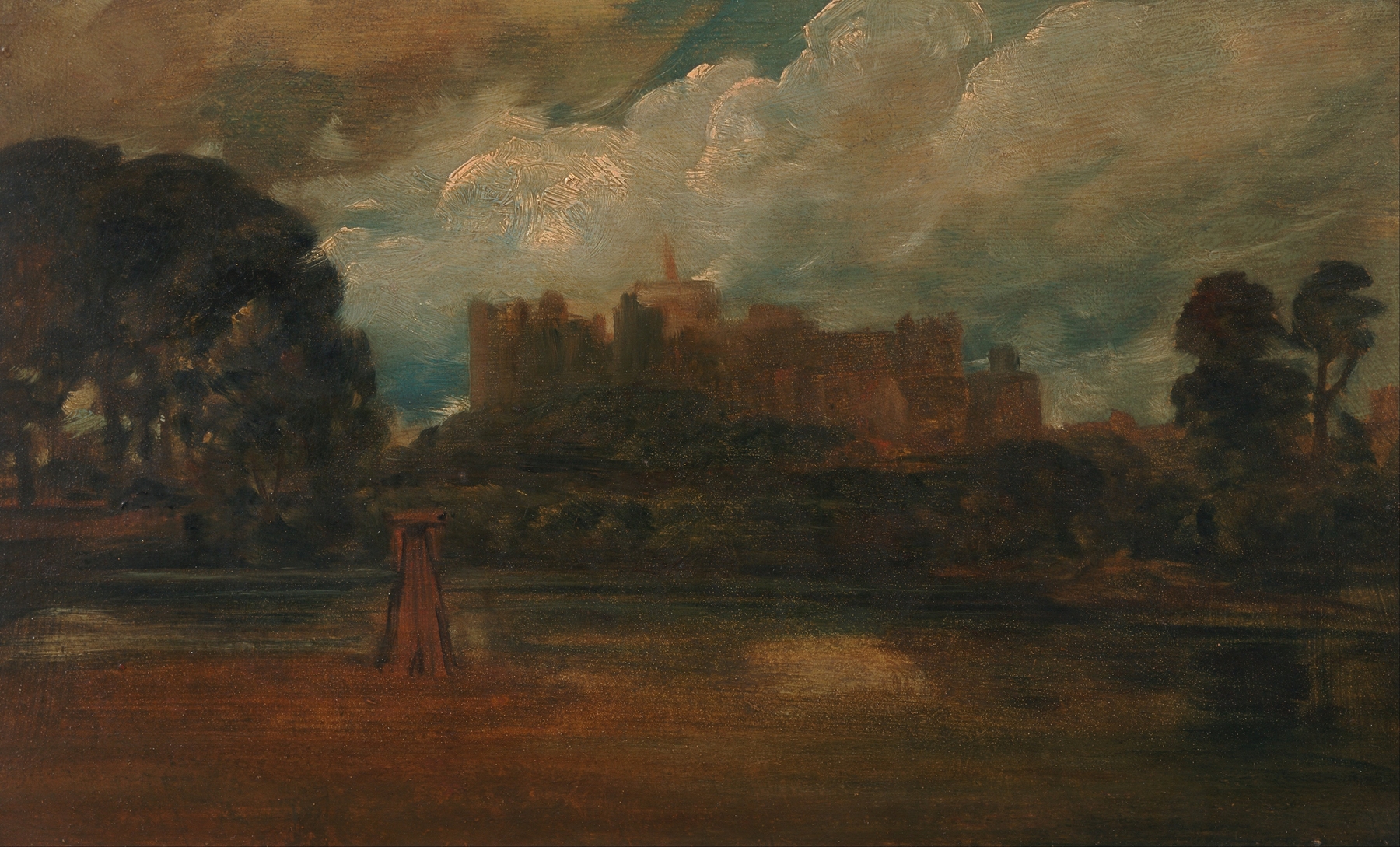
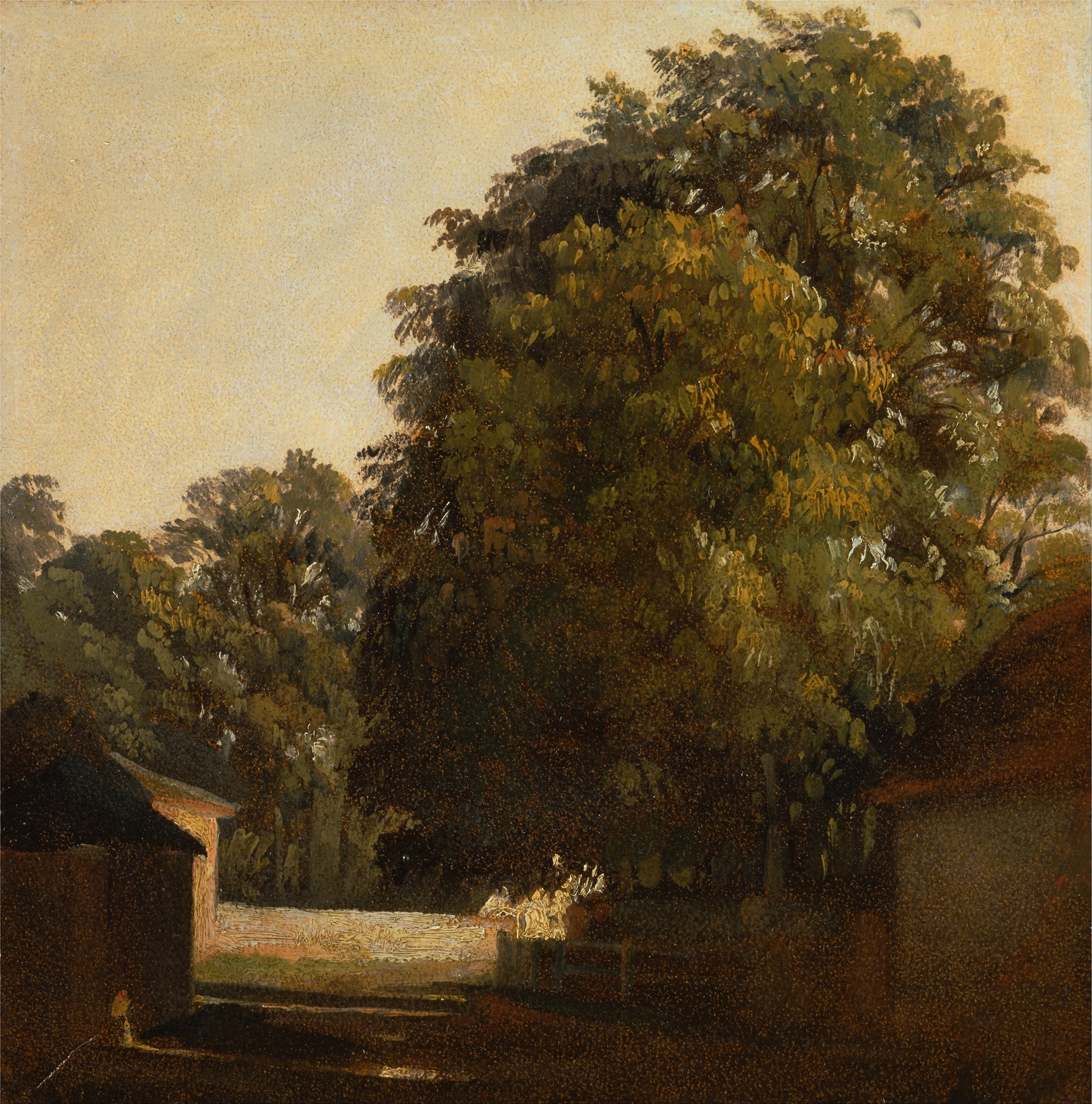
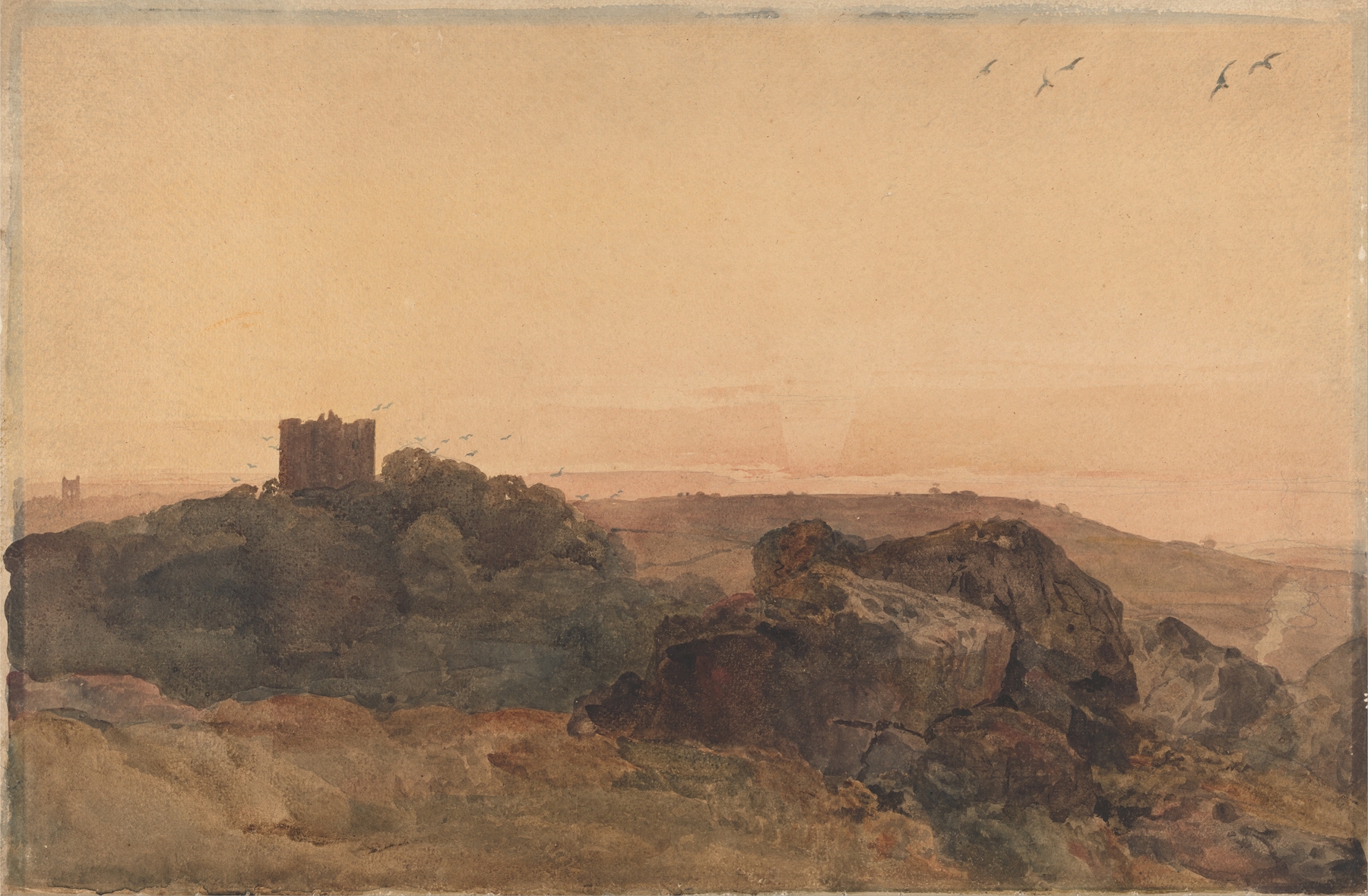
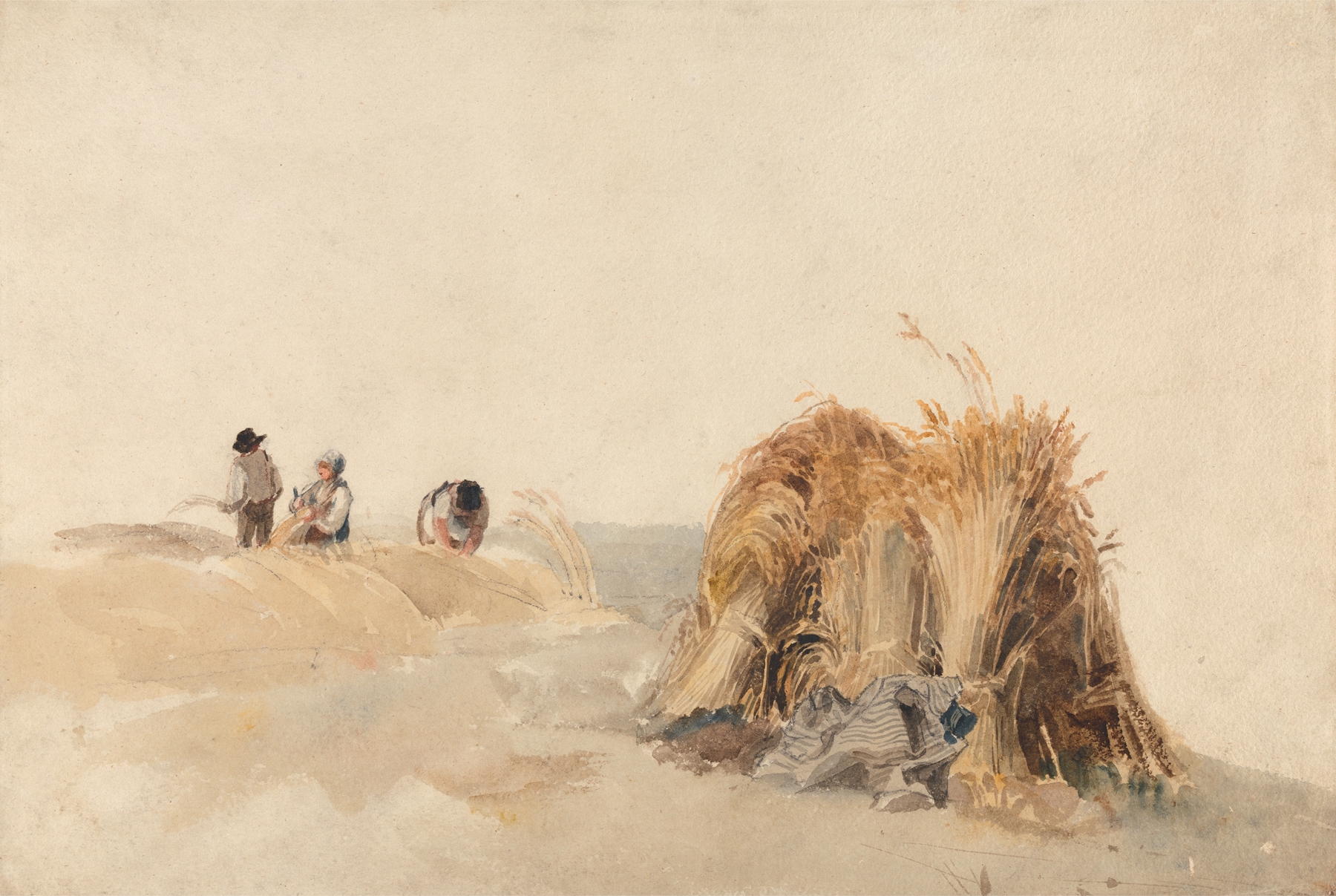
“The canvas doesn’t lie — it simply waits.” In a world brimming with activity, how often do we pause and confront the stillness that lingers just beneath the surface of our lives? This essence of loneliness is palpable in the empty fields and distant hills, where the echoes of labor whisper tales of solitude and time. Look to the foreground where the golden wheat bends gently under the weight of an unseen breeze, its warm tones contrasting with the cool blues of the sky above. The composition draws the eye towards the horizon, where soft, rolling hills melt into the distance, suggesting both promise and isolation.
The delicate brushwork and muted palette invite contemplation, making the viewer feel the quietness of the landscape envelop them, almost as if they too are standing in that vast expanse. The emotional tension lies in the juxtaposition of abundance and absence; the ripe harvest represents a bounty that exists in a space devoid of humanity. The fields, though full of potential, evoke a profound sense of longing — a reminder that nature itself can feel achingly lonely. Each stroke of paint tells a story of labor uncelebrated, of a moment frozen before the bustle of harvest gives way to silence once more.
During an undetermined period in his career, the artist worked on this piece, capturing the essence of the English countryside. At this time, DeWint was immersed in the Romantic ideals of nature and landscape, reflecting the broader art movements that sought to evoke emotion through the sublime beauty of the world. The interplay of light and shadow in his work speaks to a deep admiration for the landscape, even as it hints at the isolation that often accompanies agricultural life.