Haven met zeilschepen en zeelieden op de kade — History & Analysis
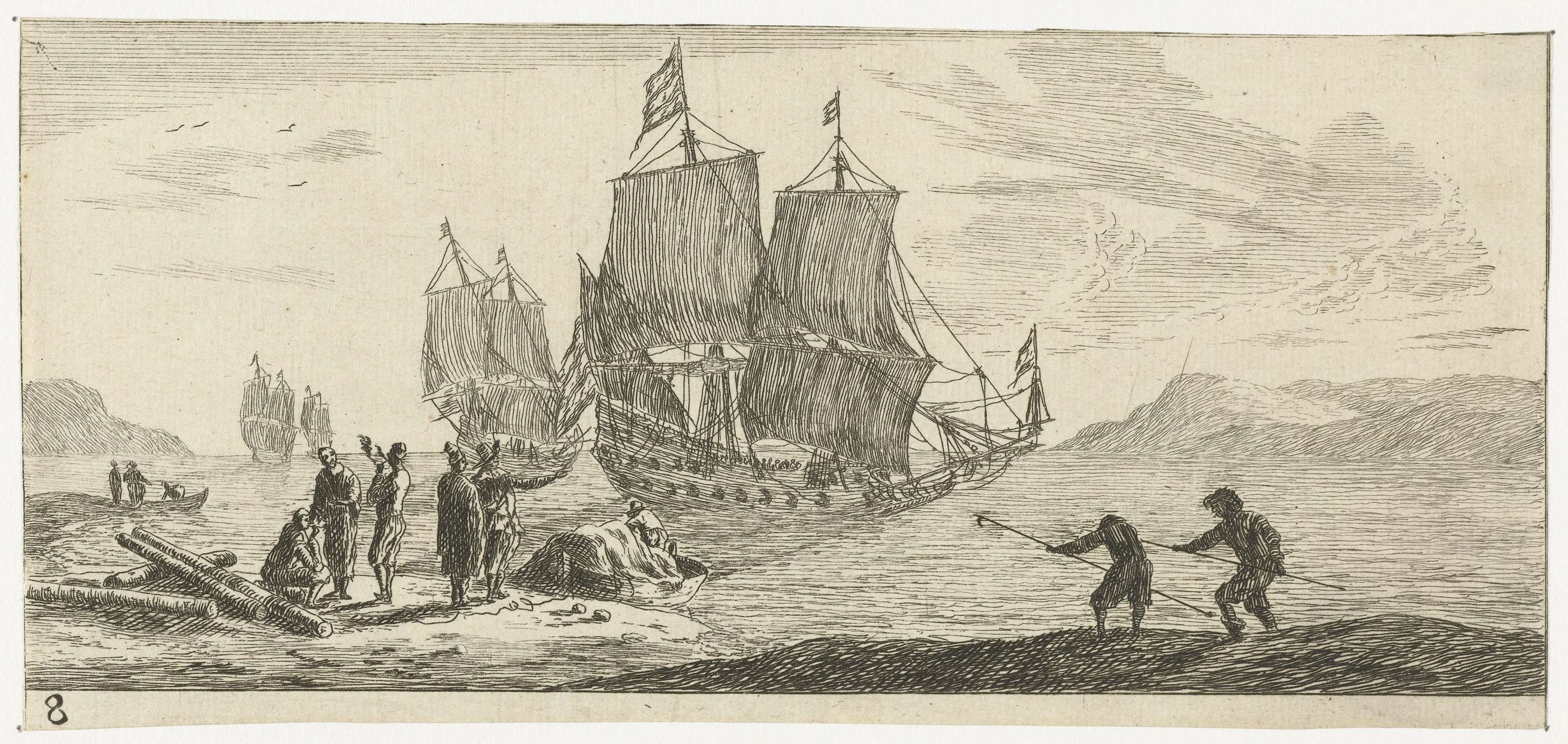
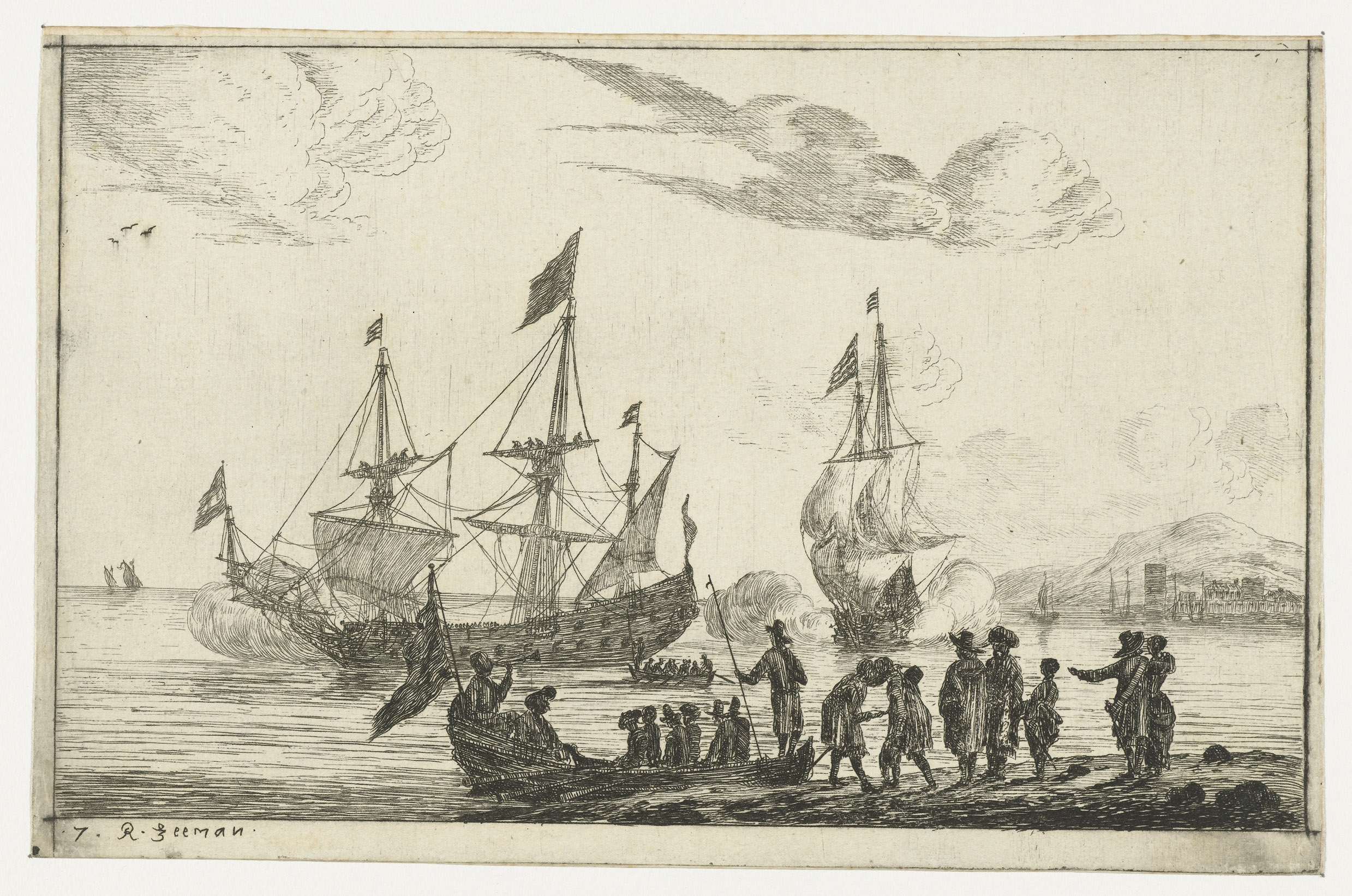
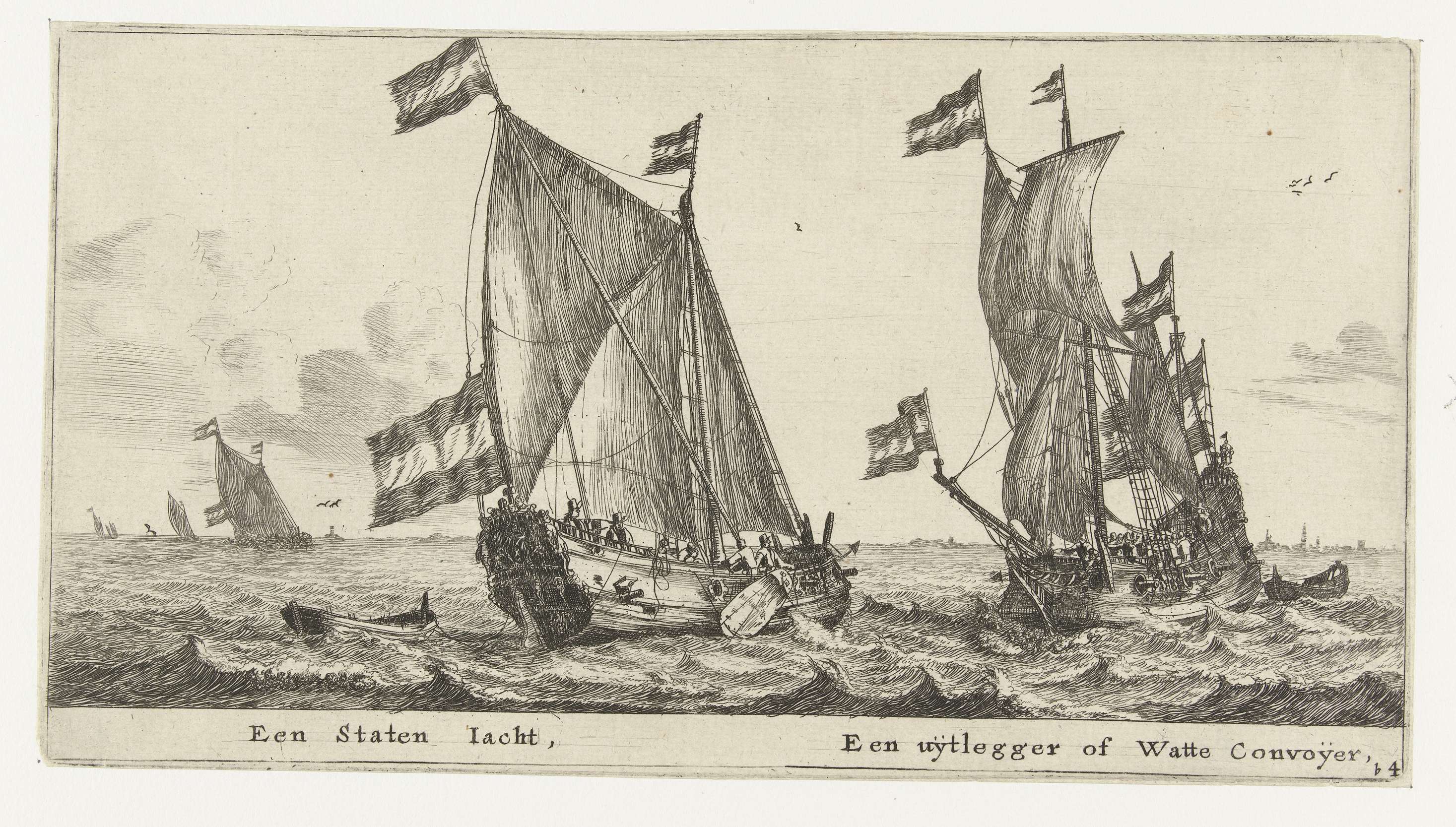
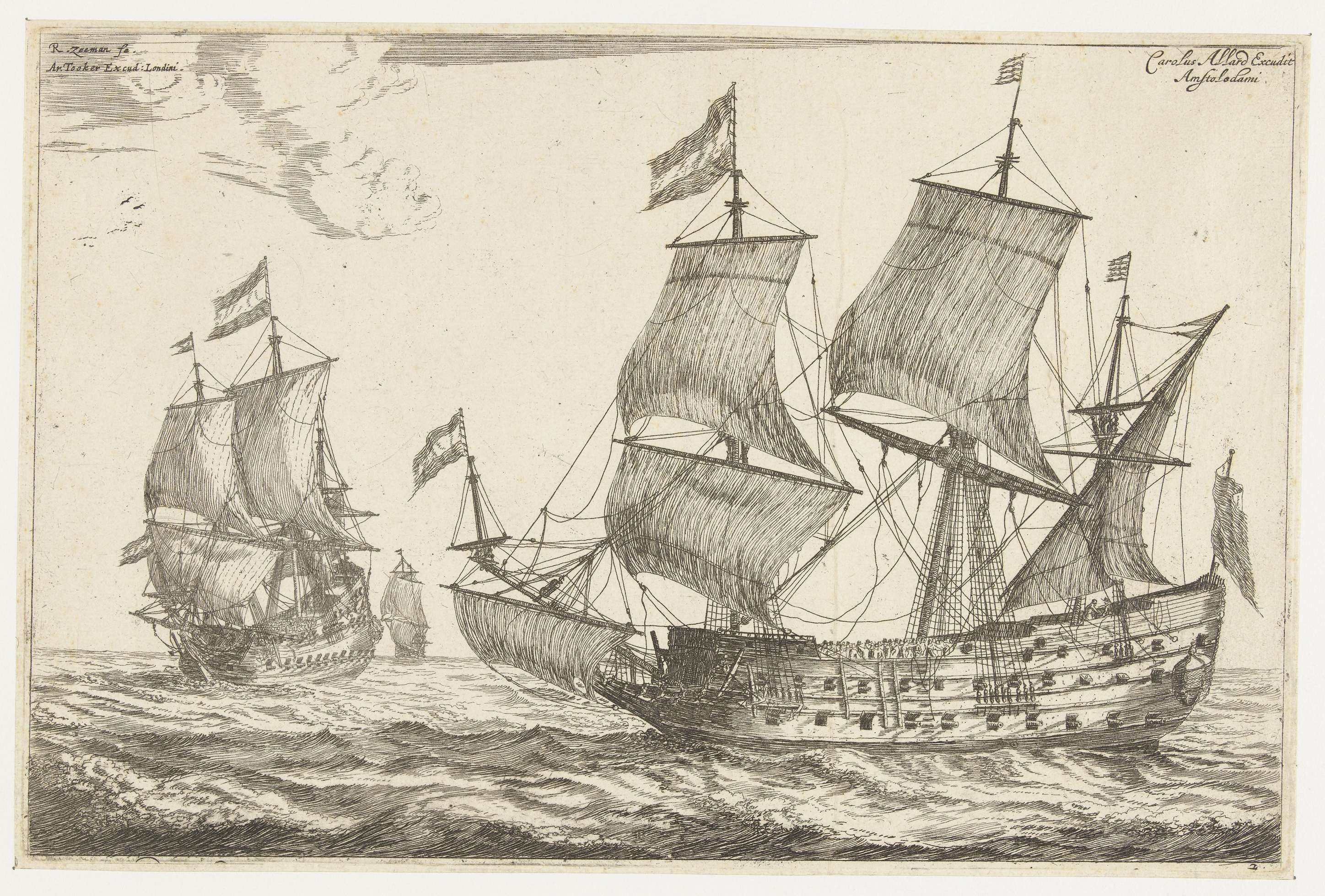
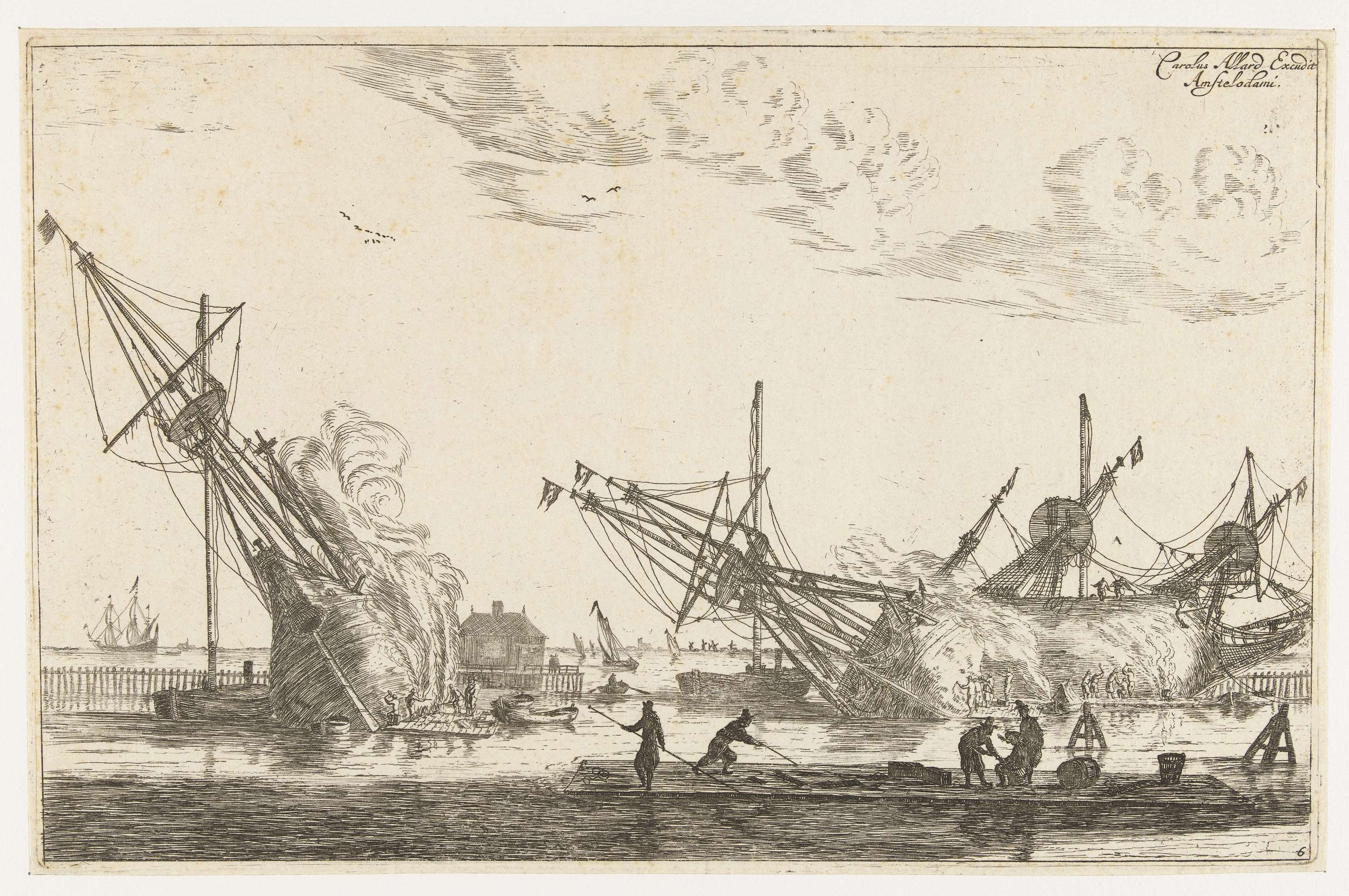
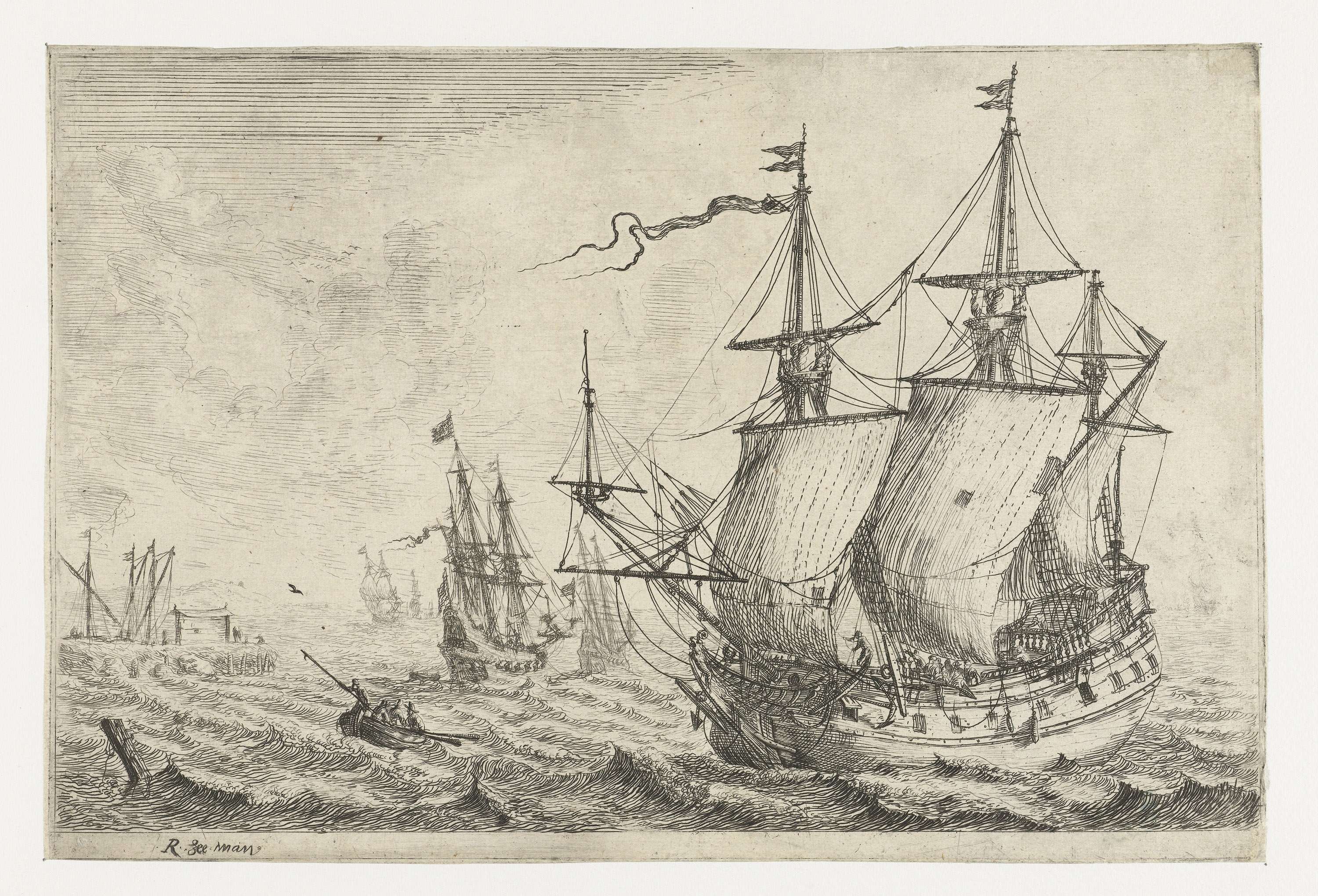
What if beauty was never meant to be finished? In the stillness of a bustling harbor, the echo of footsteps and the distant call of gulls feel suspended in time, leaving only an air of unfulfilled stories and unfinished journeys lingering over the canvas. Look to the left at the towering masts, their rigging a complex web reaching toward the sky, embodying both aspiration and stagnation. The figures of sailors, captured mid-gesture, suggest urgency yet also a profound emptiness, as if their lives are eternally bound to the water’s edge. Notice how the muted palette of blues and grays contrasts with the warm strokes of the sun-kissed quay, creating a dialogue between the vibrancy of life and the solemnity of existence.
This tension draws you in, compelling you to explore the dichotomy of bustling activity tinged with solitude. Within this harbor scene lies a deeper commentary on the human condition. The ships, though majestic, seem grounded by the weight of expectation, mirroring the sailors who stand uncertain, perhaps waiting for a journey that may never come. The open space in the foreground evokes a sense of longing and potential, filled with both promise and the haunting specter of what it means to be adrift.
Each brushstroke whispers of aspirations unrealized, nestled in the quiet recesses of shared ambition and silent despair. Painted in 1656, Haven met zeilschepen en zeelieden op de kade reflects Reinier Nooms's life during a period of artistic transition in the Dutch Golden Age. Emerging as a keen observer of maritime life, he captured the essence of bustling port cities in a time when trade flourished but personal destinies often lingered in indecision. This work embodies both the vibrancy of the present and the haunting echo of futures left unexplored, a testament to the artist's acute sensitivity to the interweaving of beauty and emptiness.