Head of Yellowstone River — History & Analysis
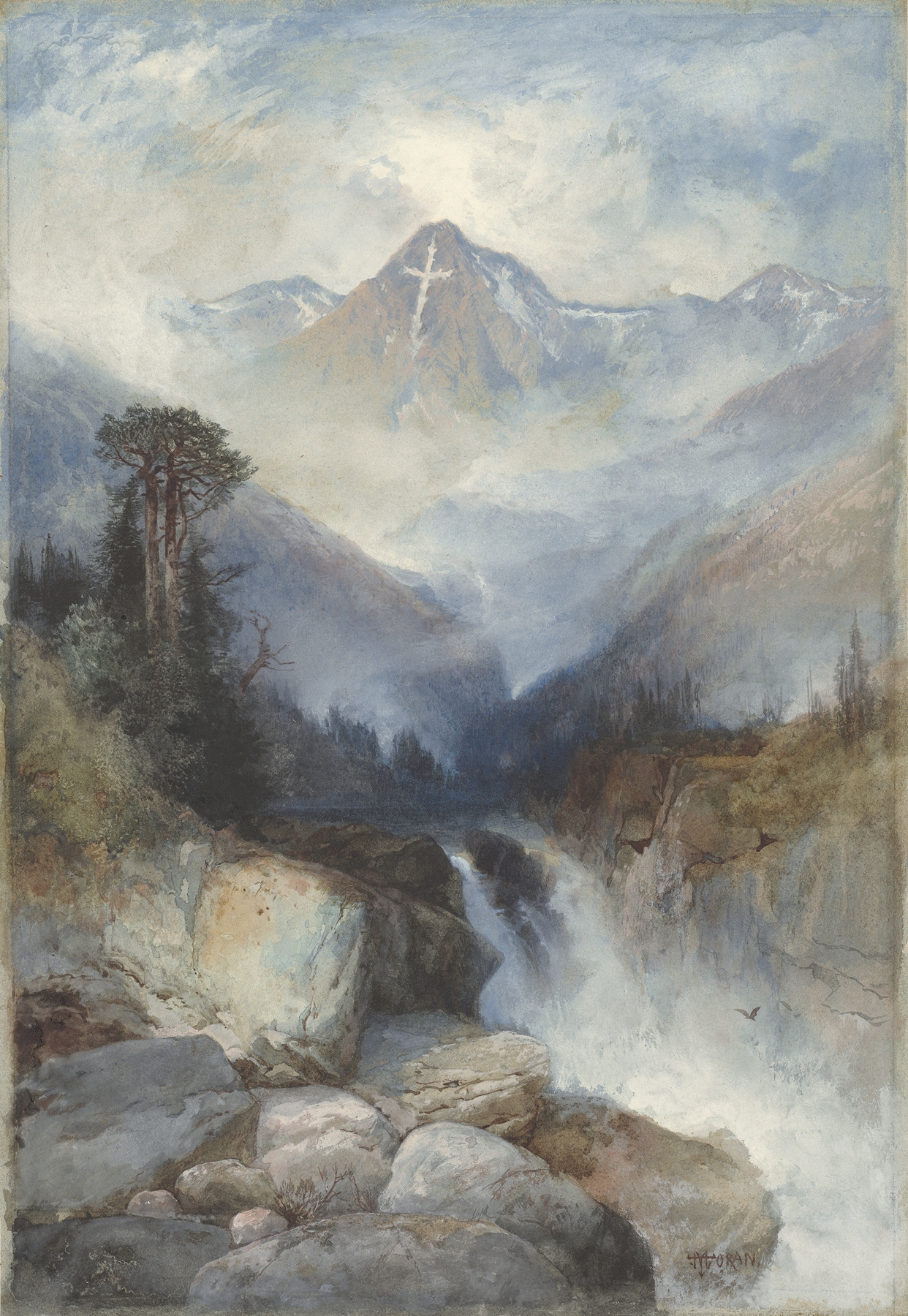
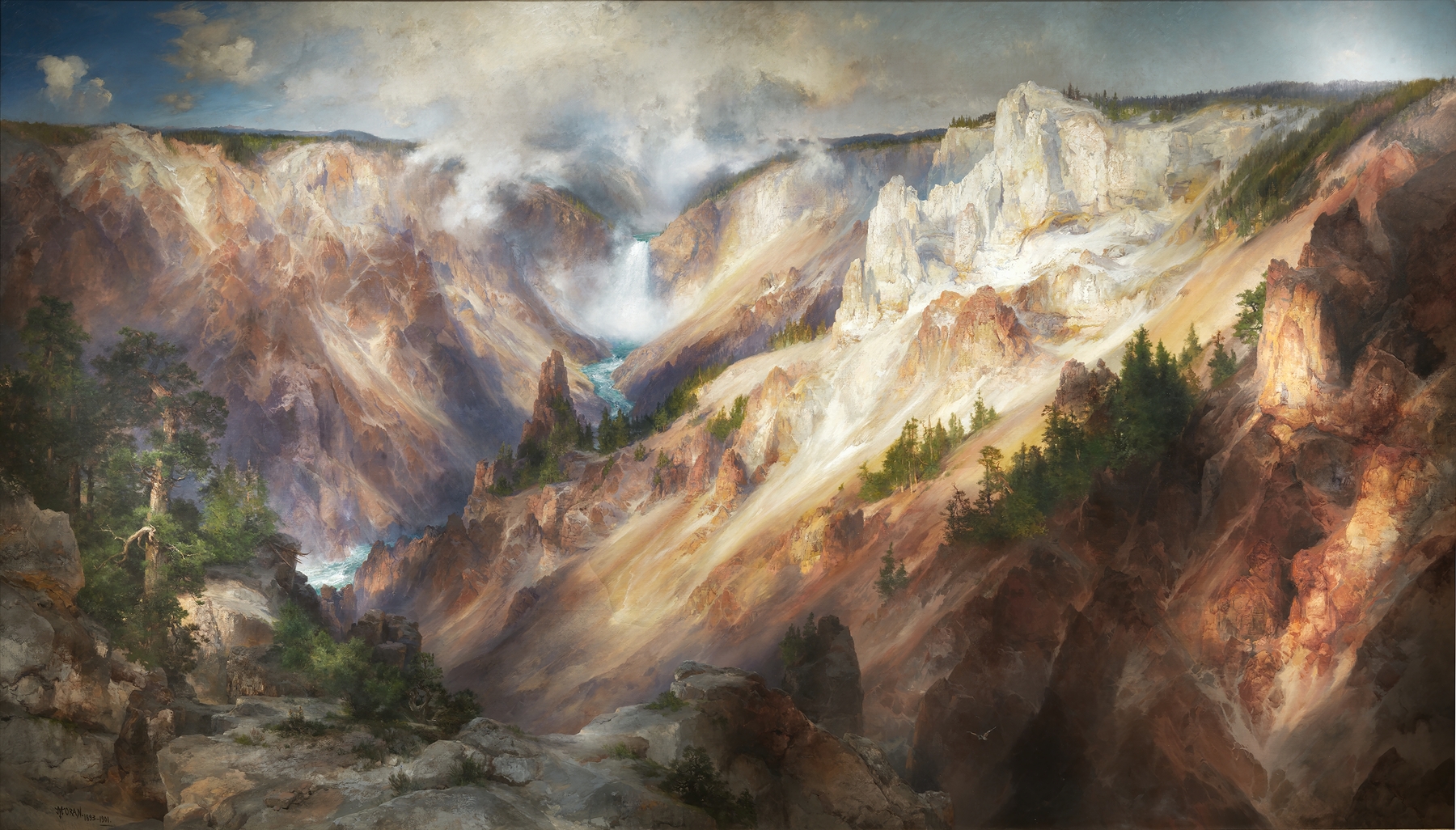
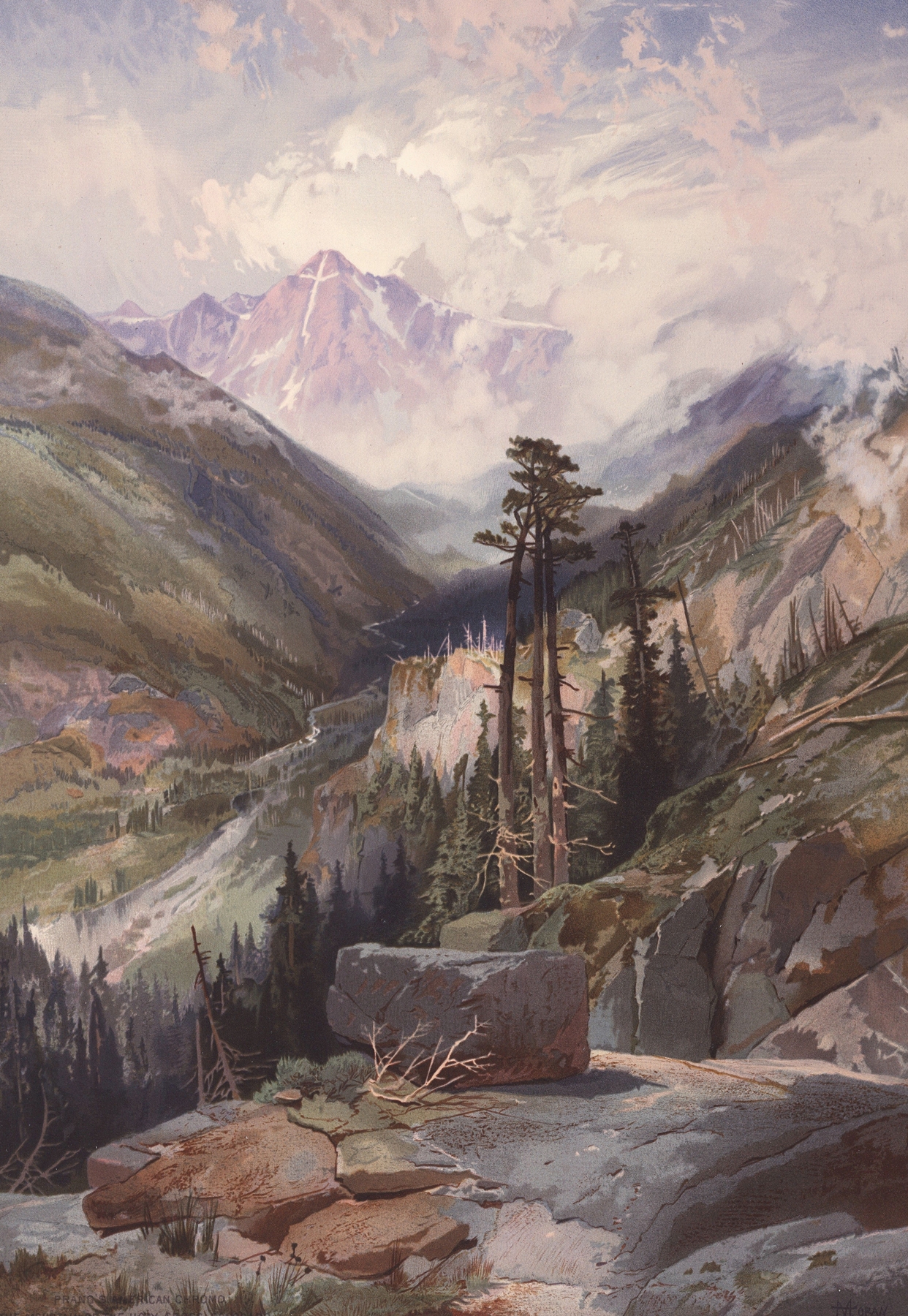
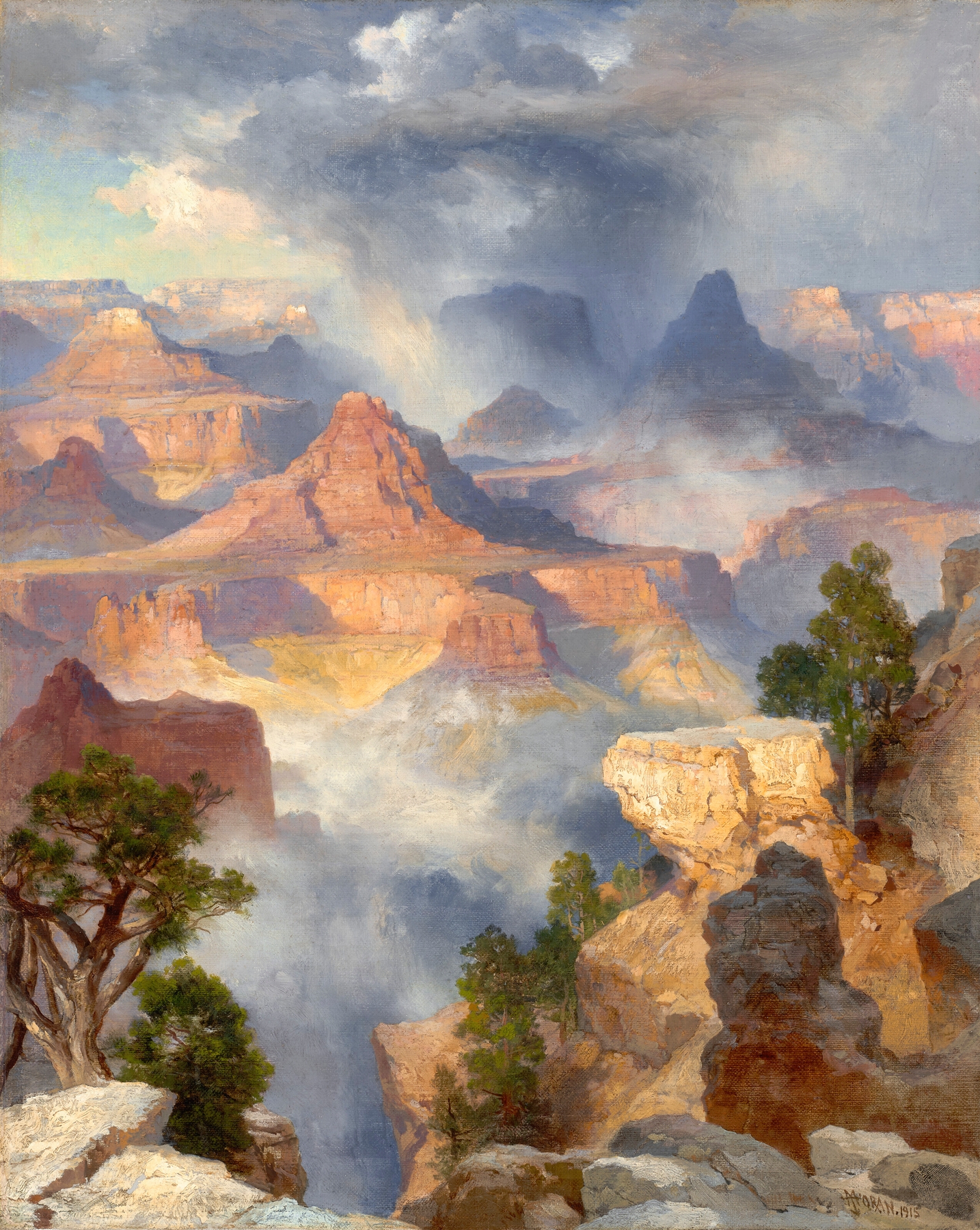
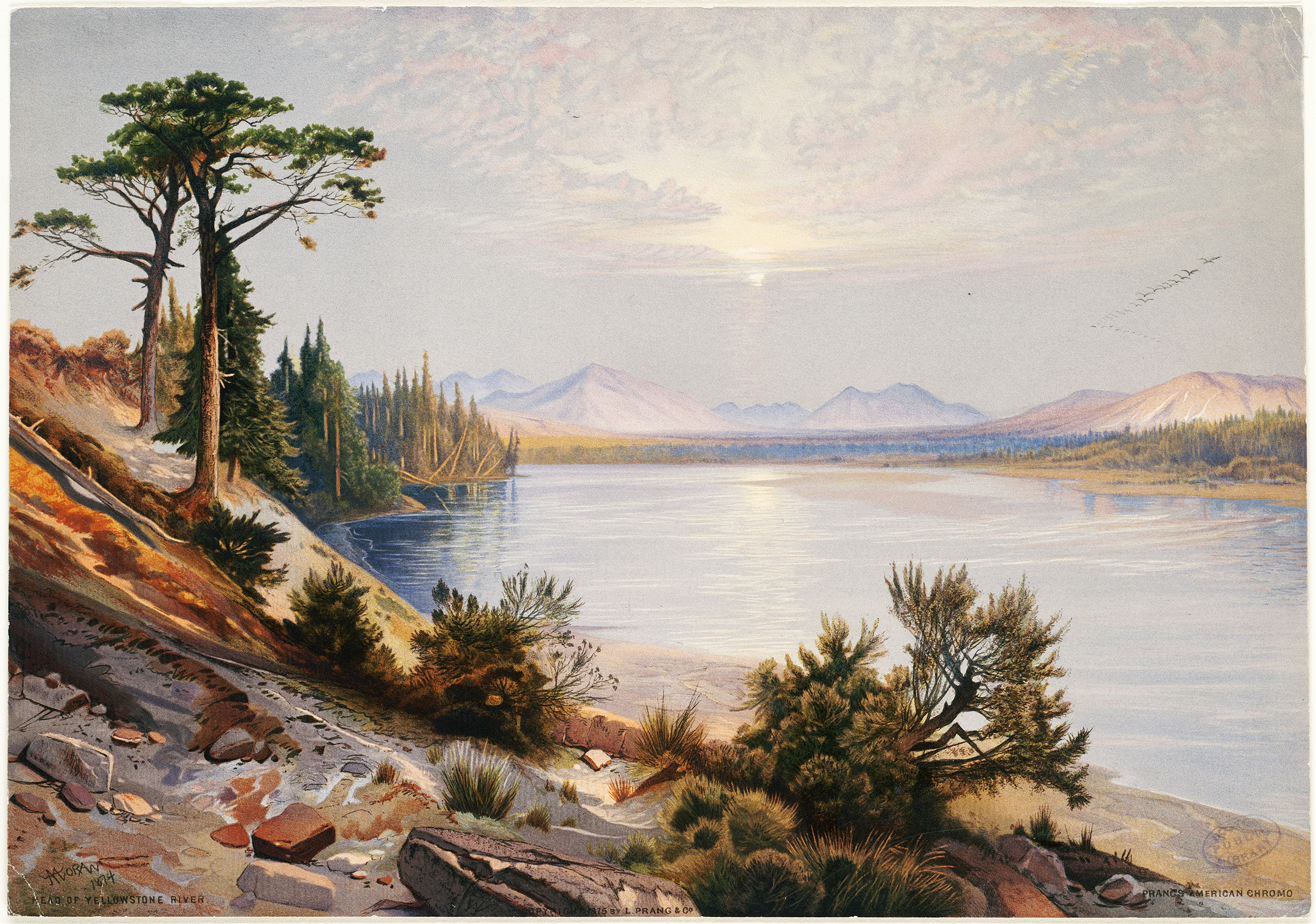
Could beauty survive in a century of chaos? In a world rife with transformation, the yearning for untouched landscapes evokes a deep and visceral longing within us. Look to the sweeping curves of the river that dominate the foreground, its gentle flow inviting your gaze as it meanders toward the horizon. Notice how the vibrant greens of the trees contrast against the rich blues and soft whites of the sky, a palette meticulously crafted to highlight both serenity and dynamism.
The composition draws you into the scene, with luminous light cascading across the natural elements, illuminating the intricacies of the foliage and inviting you to explore every detail. Yet, beneath this serene surface lies a tension between nature and encroachment. The river, a lifeblood of the landscape, symbolizes both freedom and the potential for disruption in an era of industrial growth. The distant mountains, both majestic and imposing, hint at the isolation that often accompanies beauty, while the delicate brushwork reveals a desire to capture something fleeting—moments of purity in a changing world.
This duality of peace and unease captures the essence of human emotion, resonating deeply with our innate desire to protect what we hold dear. In 1875, the artist found himself at a crossroads; having traveled through the American West, he was captivated by its raw natural beauty. This period marked a significant shift in art, as the exploration of the American landscape began to burgeon in response to a growing national identity. As the world around him rapidly evolved, his work reflected both admiration for this pristine wilderness and a profound concern for its preservation amidst an inexorable tide of change.