Head of Yellowstone River — History & Analysis
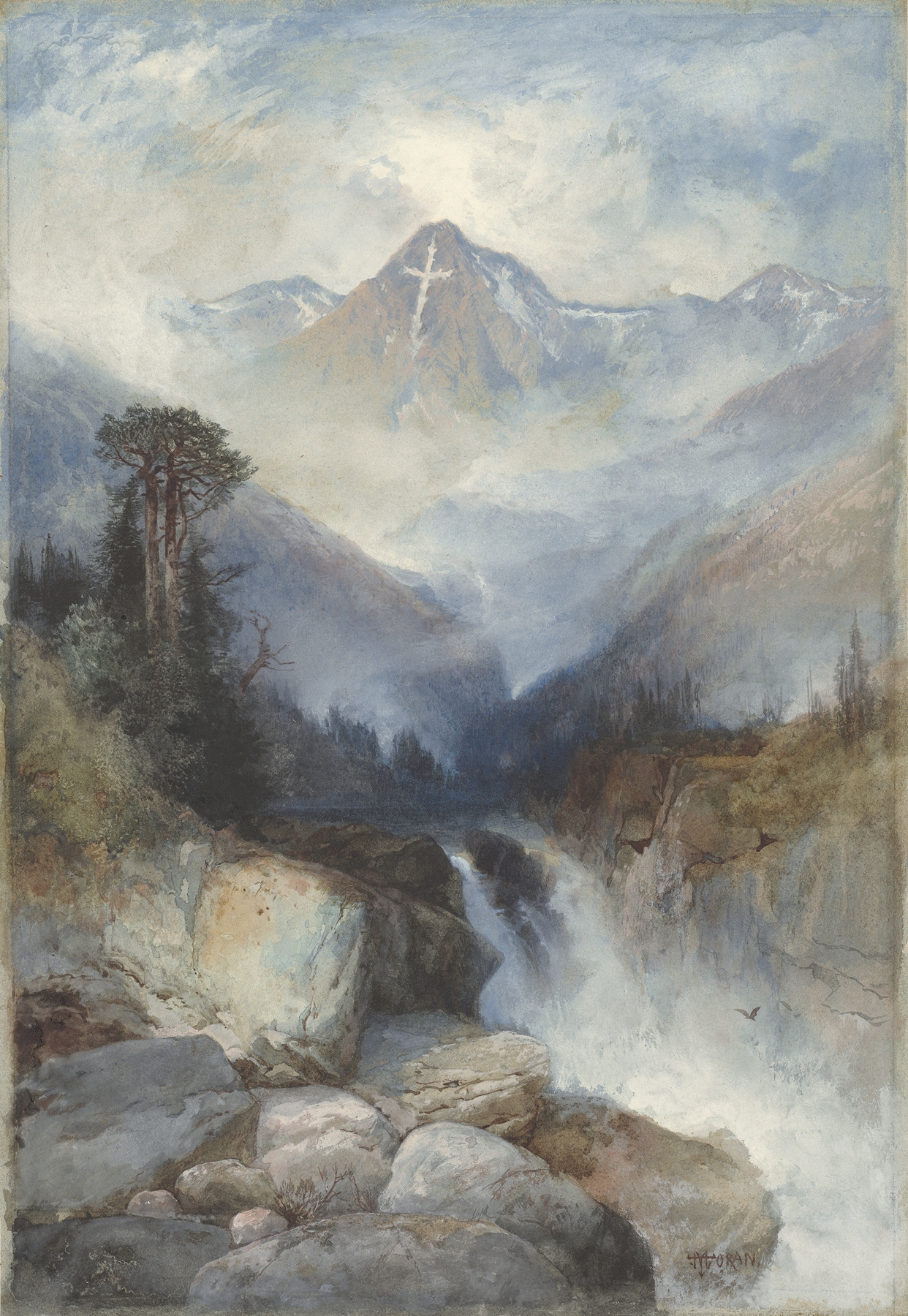
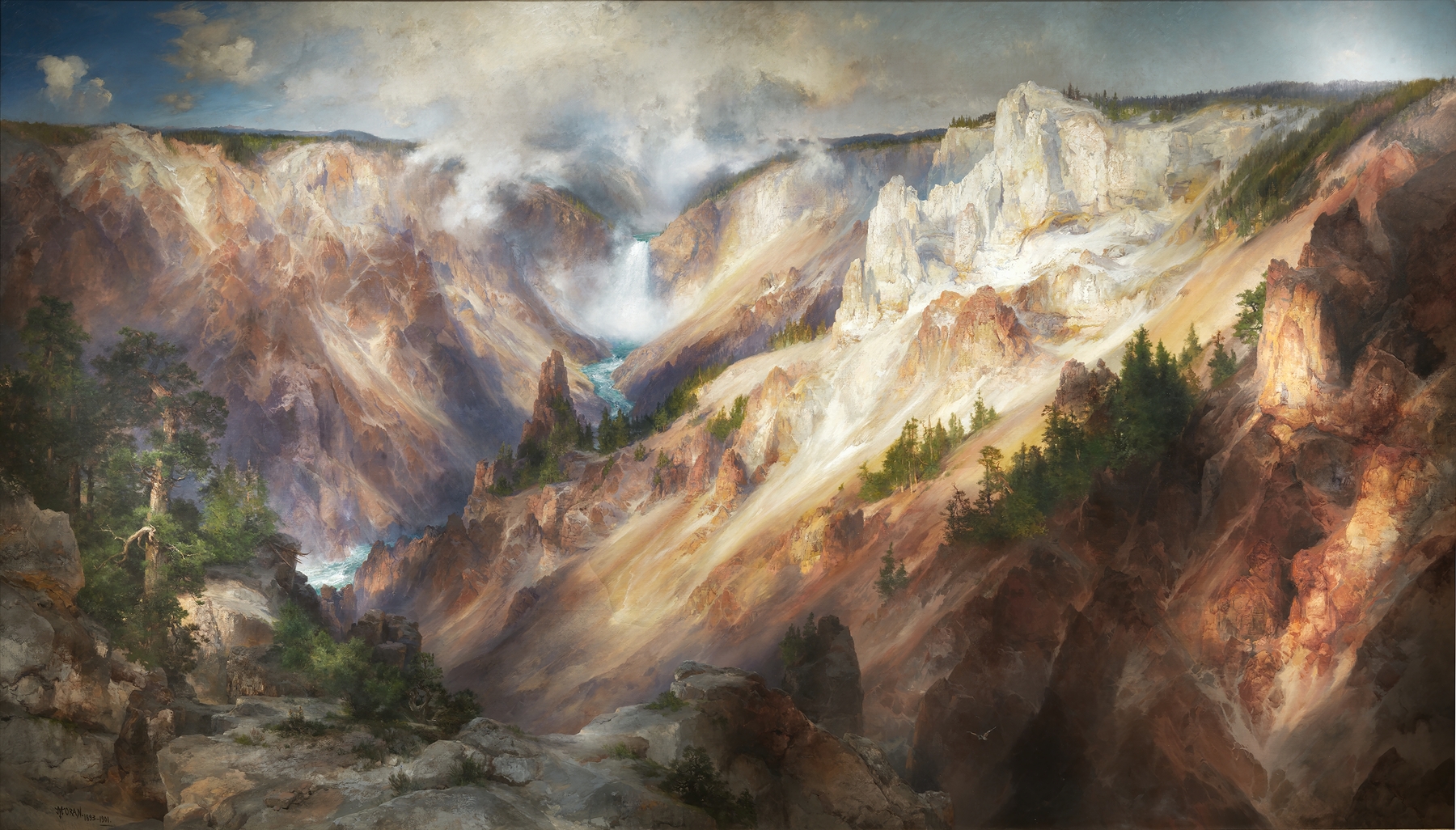
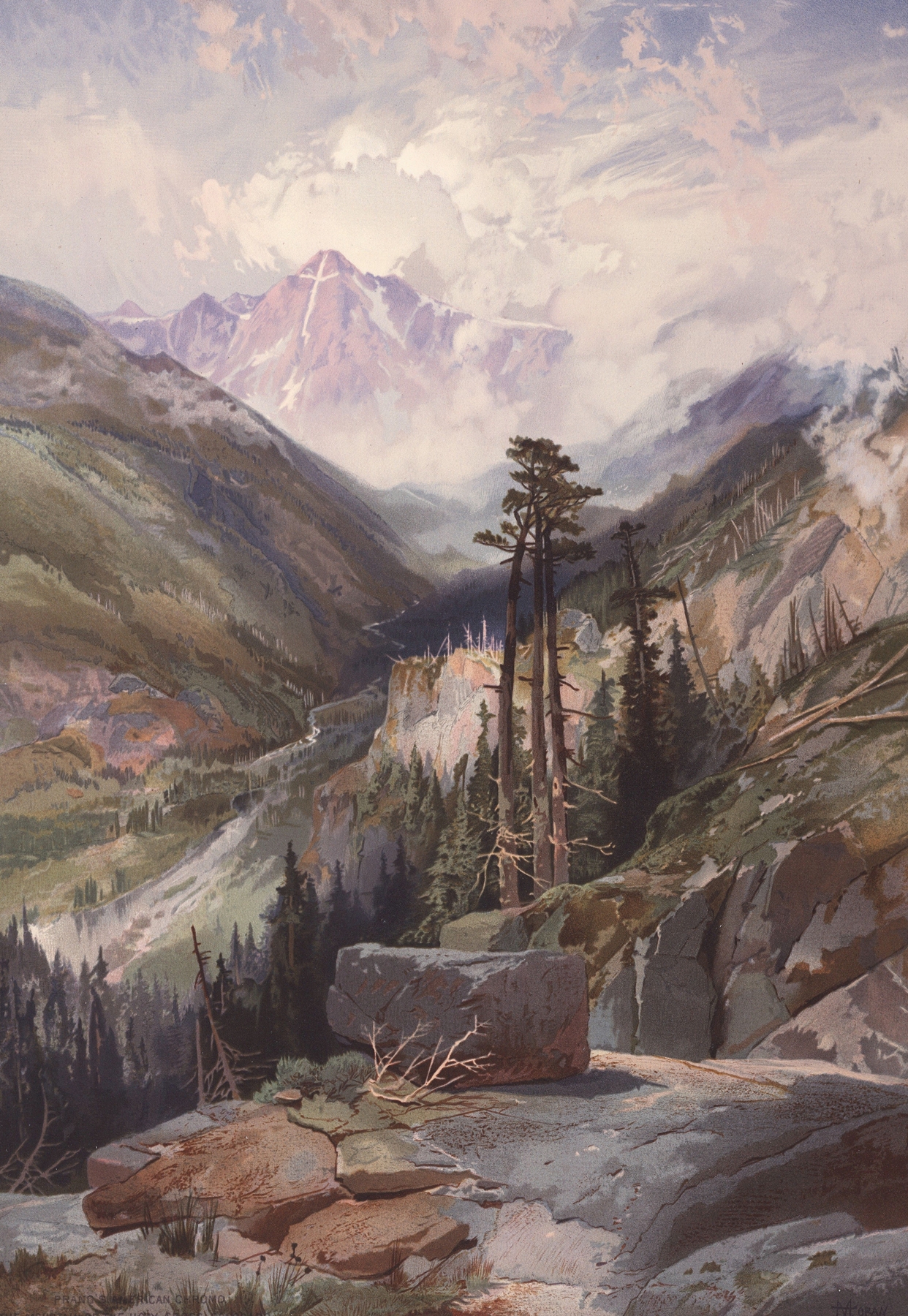
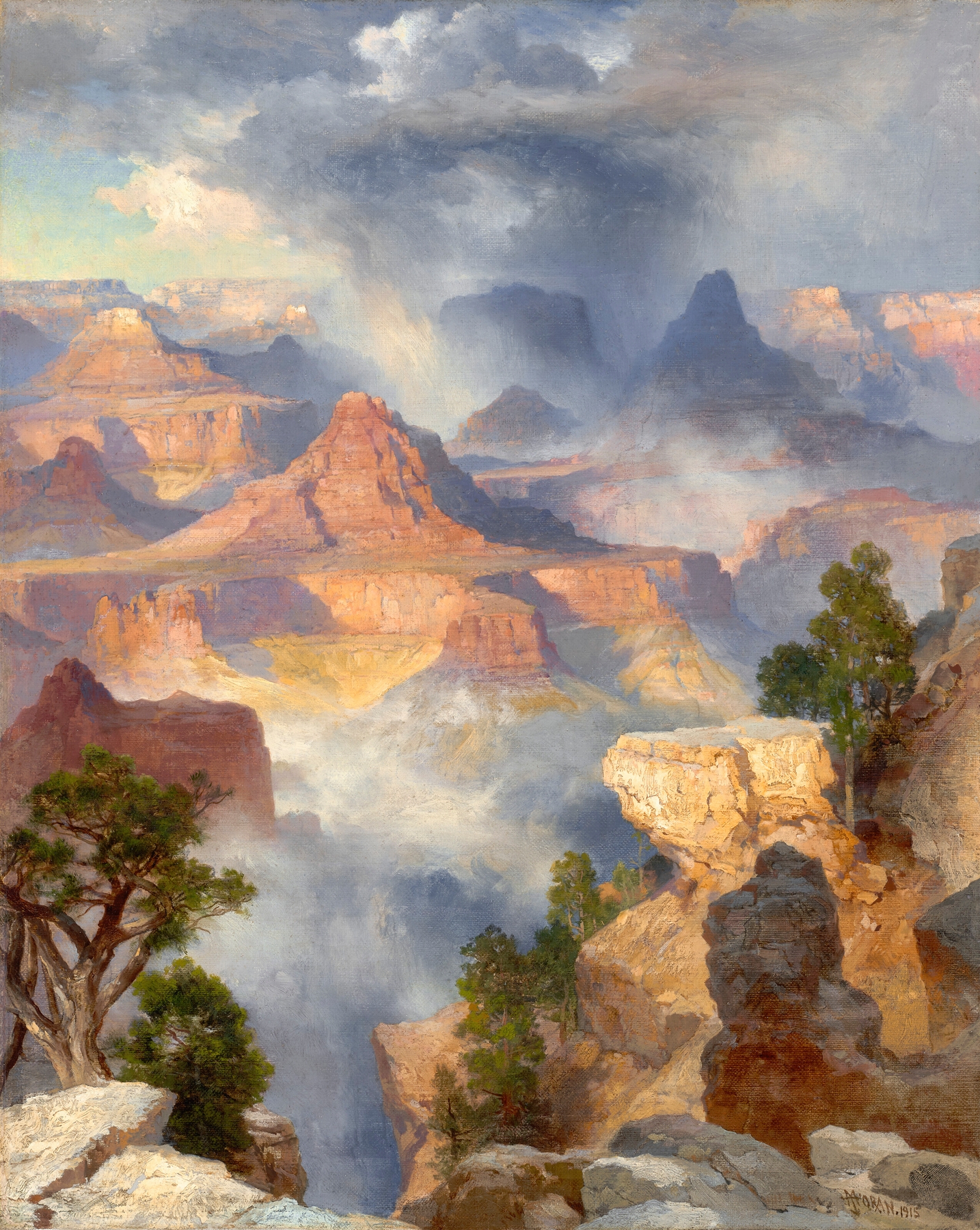
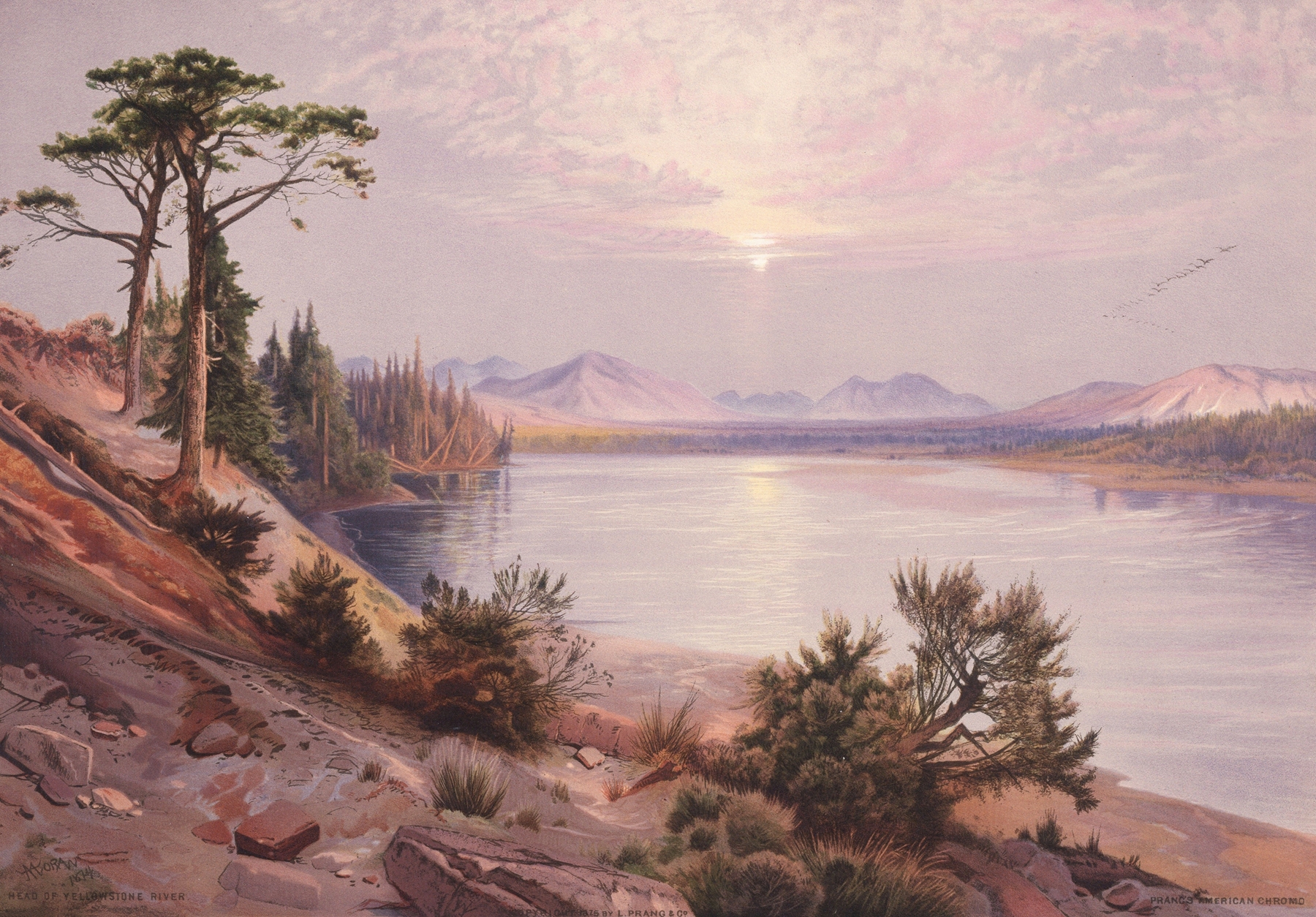
Is this a mirror — or a memory? Thomas Moran’s Head of Yellowstone River invites us to ponder the delicate interplay between nature's ephemeral beauty and our own longing for connection to the natural world. Focus on the sweeping horizon, where the river winds like a shimmering ribbon through the verdant landscape. The vibrant greens of the foliage contrast sharply with the striking blues and soft whites of the sky, drawing the viewer's eye upward into the boundless expanse.
Notice how the soft light diffuses across the scene, illuminating the undulating hills and casting gentle shadows that enhance the fluidity of the water's surface. This masterful use of color and light creates a sense of depth, pulling us into a tranquil yet dynamic moment in time. Amidst the tranquility, there exists an undercurrent of yearning, a desire to grasp the fleeting beauty captured on canvas. The interplay of the river and the land speaks to the connection between humanity and nature, evoking a nostalgic longing for places we have yet to explore.
The scene’s composition suggests a journey, not just through the physical landscape but within ourselves, highlighting themes of exploration and the passage of time. In 1875, when this piece was created, Moran was deeply involved in the American West’s artistic representation, fueling the burgeoning national consciousness around the beauty of its landscapes. During this period, the United States was experiencing a fascination with nature, spurred by the rise of the conservation movement and the establishment of national parks. Moran’s work serves as a bridge between the splendor of the natural world and the emerging ethos of environmental appreciation that would resonate for generations to come.