Herten nagejaagd door jachthonden — History & Analysis
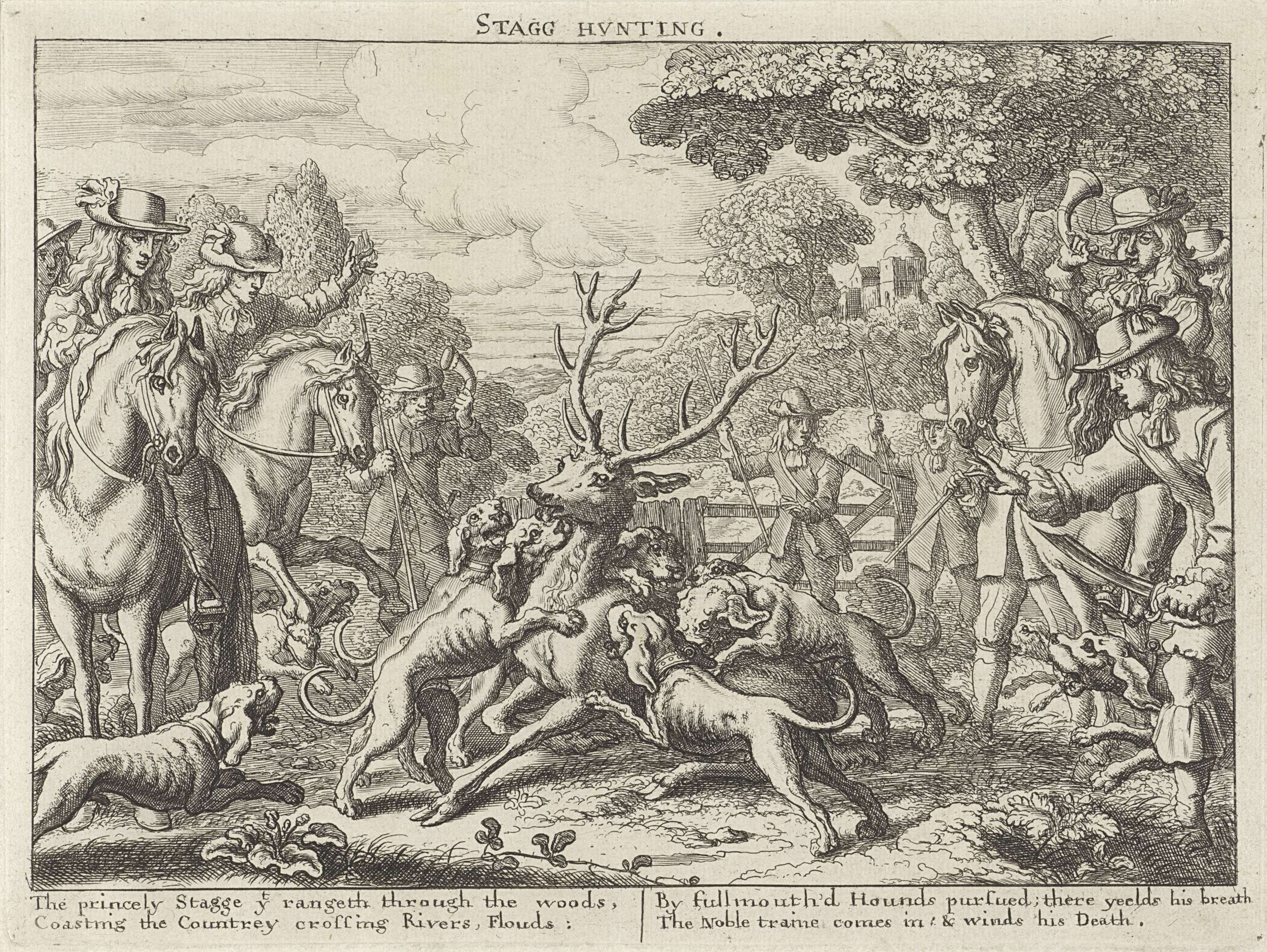
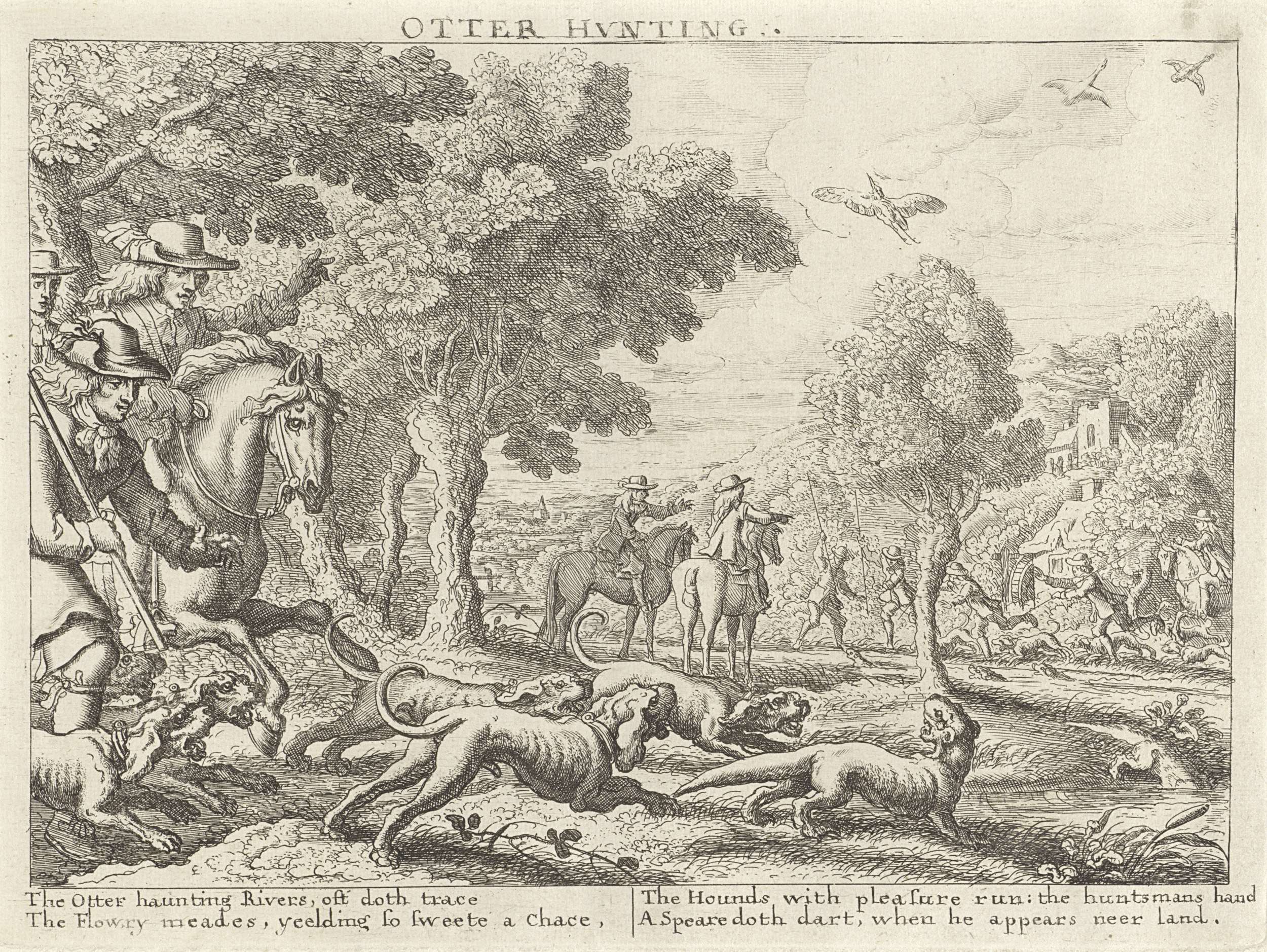
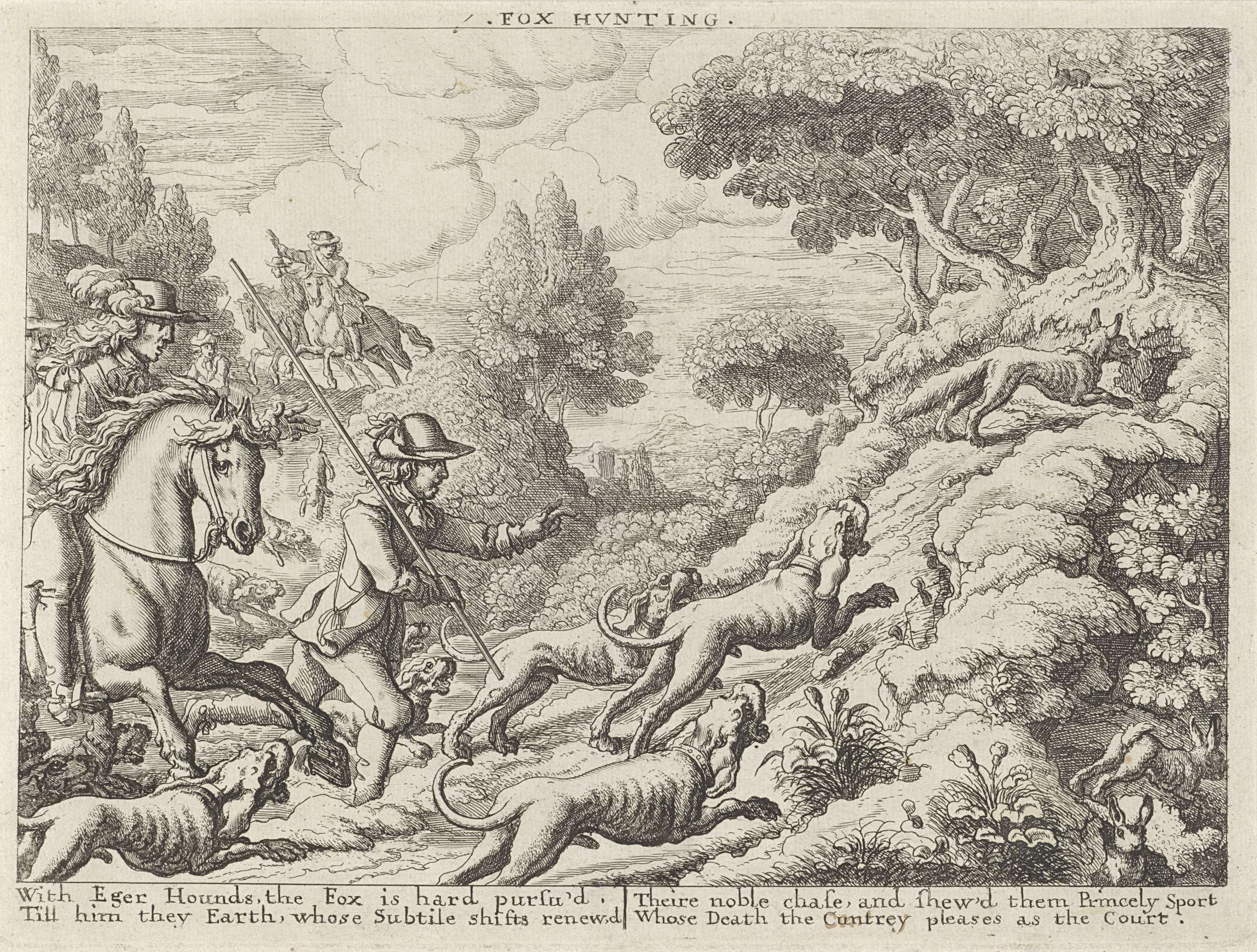
Can paint confess what words never could? In Herten nagejaagd door jachthonden, the visceral tension of a hunt unravels a raw grief that echoes in every brushstroke. Look to the left at the fleeing deer, their bodies taut with panic, muscles rippling beneath a coat of soft browns and tans. The artist employs a vibrant palette, contrasting the golden hues of the grass with the dark, menacing forms of the hunting dogs, their fangs bared and eyes fixed on their quarry. The dynamic composition draws the eye diagonally across the canvas, emphasizing the urgency of the chase.
Notice how the dappled light filtering through the trees casts fleeting shadows upon the ground, enhancing the sense of movement and the fleeting nature of life itself. Beneath the surface, this scene is laden with emotional complexity. The interplay of predator and prey encapsulates a primal struggle, while the surrounding flora evokes both a sense of freedom and entrapment. The frantic energy of the chase is tempered by a poignant stillness in the background, reminding us of the inevitable consequences of such a pursuit.
This duality of action and contemplation reflects the artist's meditation on loss, capturing a moment that is both exhilarating and profoundly sorrowful. Richard Gaywood created this evocative piece in 1671, during a time when the Baroque period was flourishing. Working in the Netherlands, he was influenced by the vibrant naturalism of his contemporaries, yet his personal style veered towards a more dramatic interpretation of nature’s laws. The painting emerges from an era focused on the dualities of existence—life and death, beauty and brutality—making it a poignant commentary on the human condition.