Valkenjacht op fazanten — History & Analysis
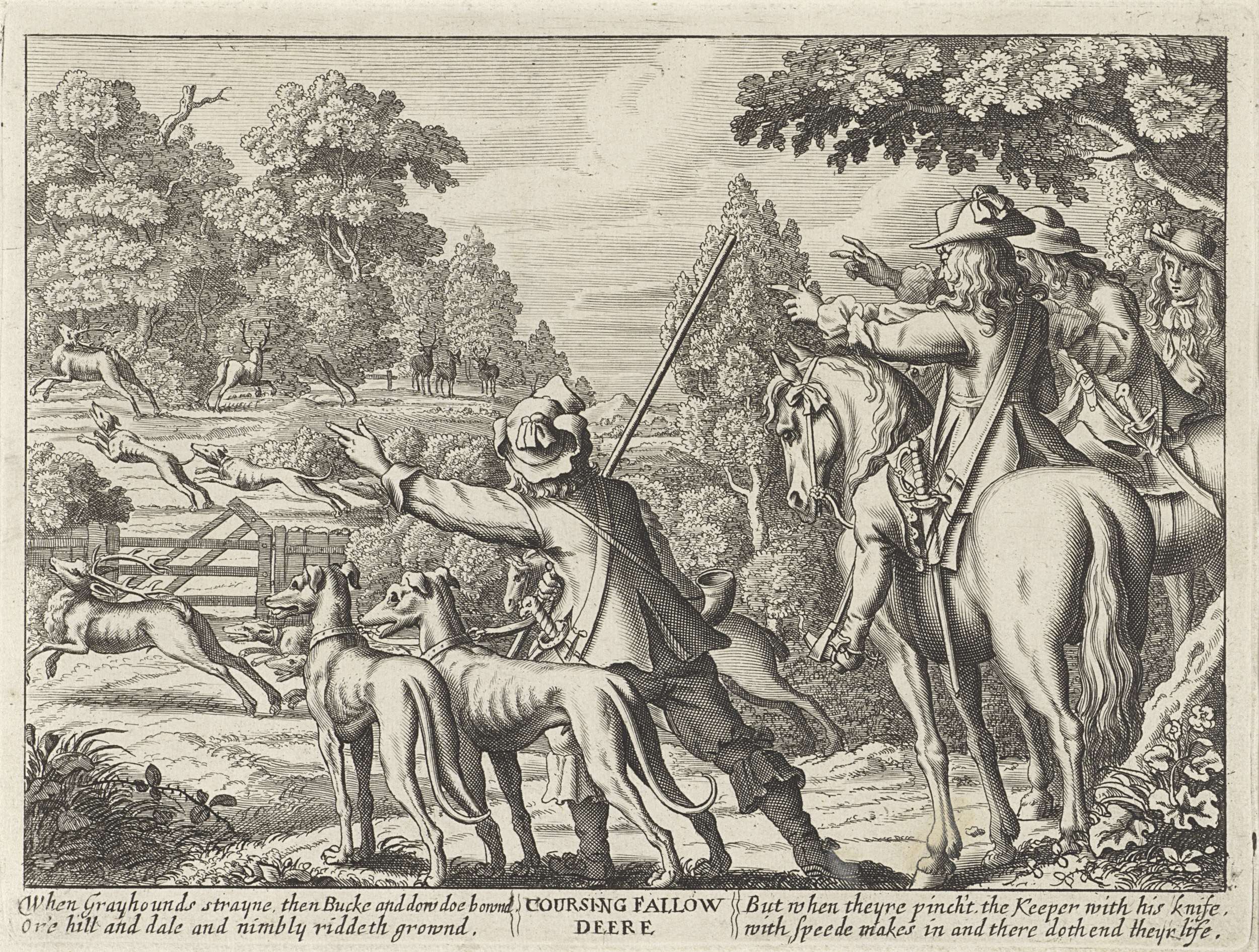
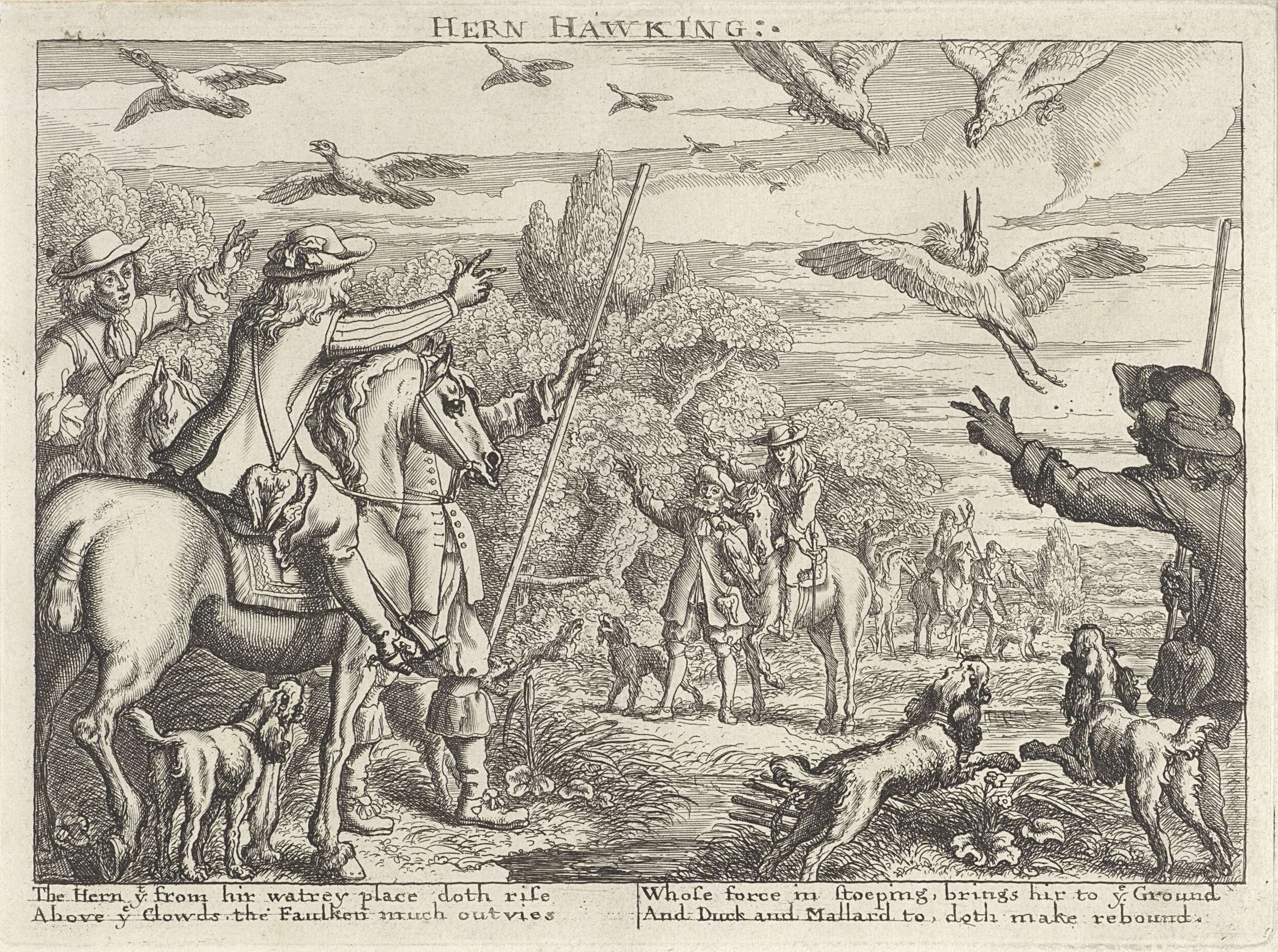
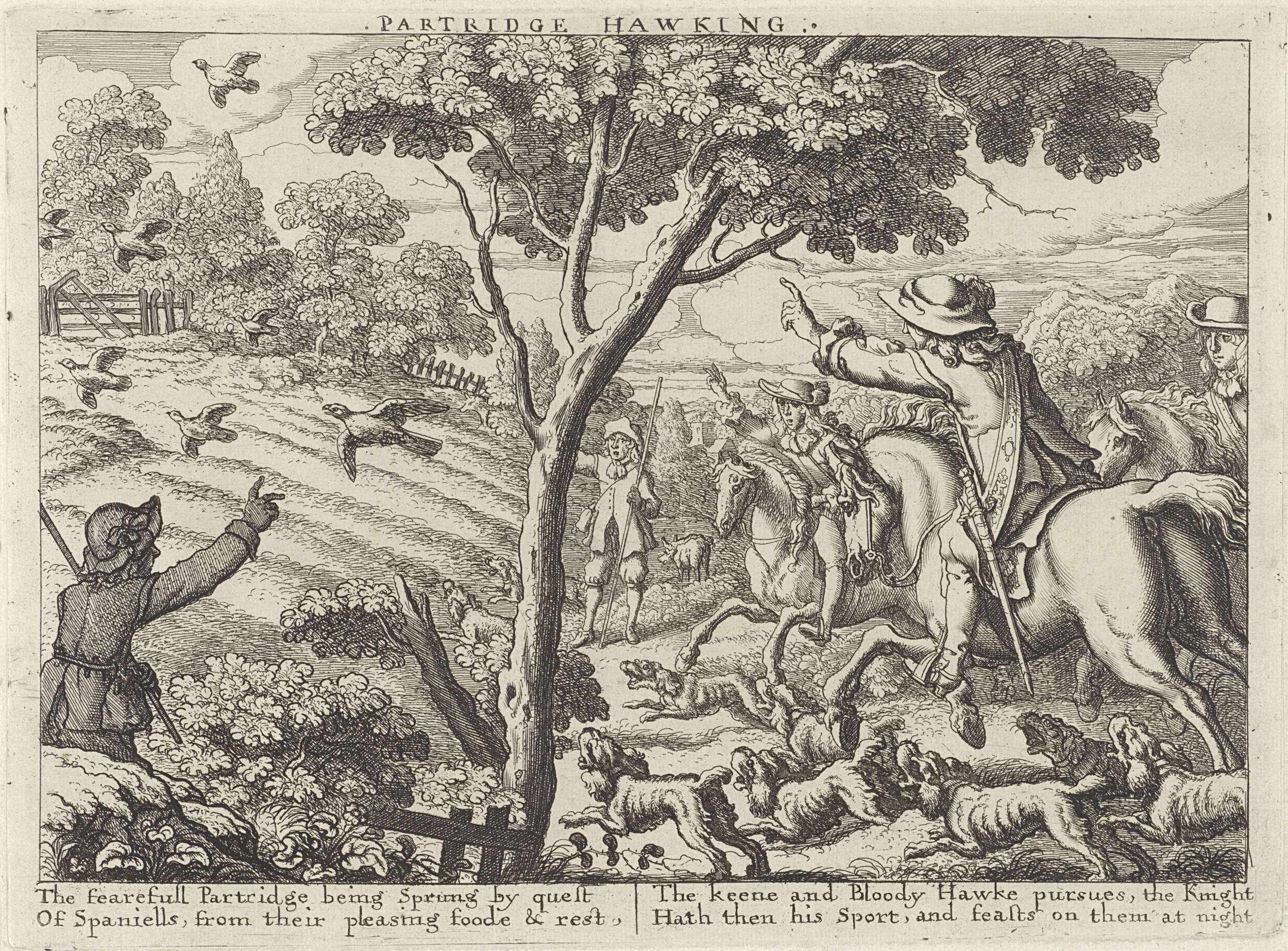
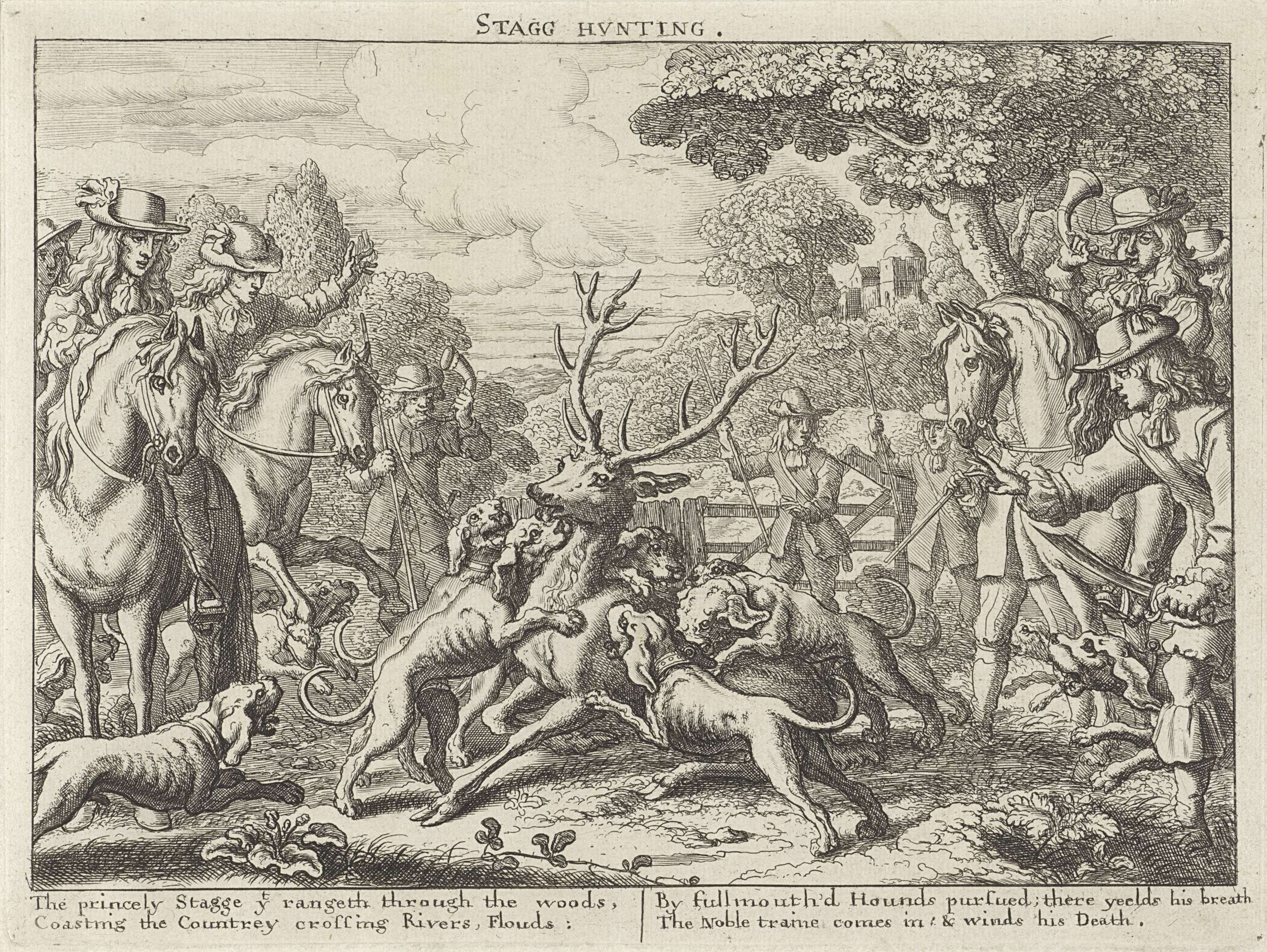
“The canvas doesn’t lie — it simply waits.” Within the stillness of Valkenjacht op fazanten, the anticipation of a hunt hangs palpably in the air, whispering of both triumph and trepidation. Look to the left, where the falconer stands poised, his figure exuding quiet confidence. The rich, earthy colors of the landscape are alive with the golden hues of autumn, contrasting sharply against the cool blues of the sky. Notice how the falcon, wings extended, captures the light in a breathtaking show of power and grace, its sharp gaze fixed on the pheasant below.
The composition draws the eye from the falconer’s steady hand to the vibrancy of nature, each stroke revealing the artist's meticulous attention to detail. Delve deeper into this scene and uncover the juxtaposition of life and death. The falcon represents a fierce hope, a symbol of mastery over nature, while the pheasant embodies vulnerability. This delicate balance between predator and prey speaks to humanity's complex relationship with the world around us—caught in the endless cycle of aspiration and fear.
The tension of the moment is palpable, inviting viewers to reflect on their own pursuits and the sacrifices they entail. Richard Gaywood painted Valkenjacht op fazanten in 1671 during a time when the Dutch Golden Age was flourishing, a period marked by a profound appreciation for nature and the domestic world. As a skilled artist and renowned member of the Utrecht school, Gaywood found inspiration in the blending of everyday life with rich symbolism, capturing both the elegance and the harsh realities of existence on canvas.