Konijnenjacht — History & Analysis
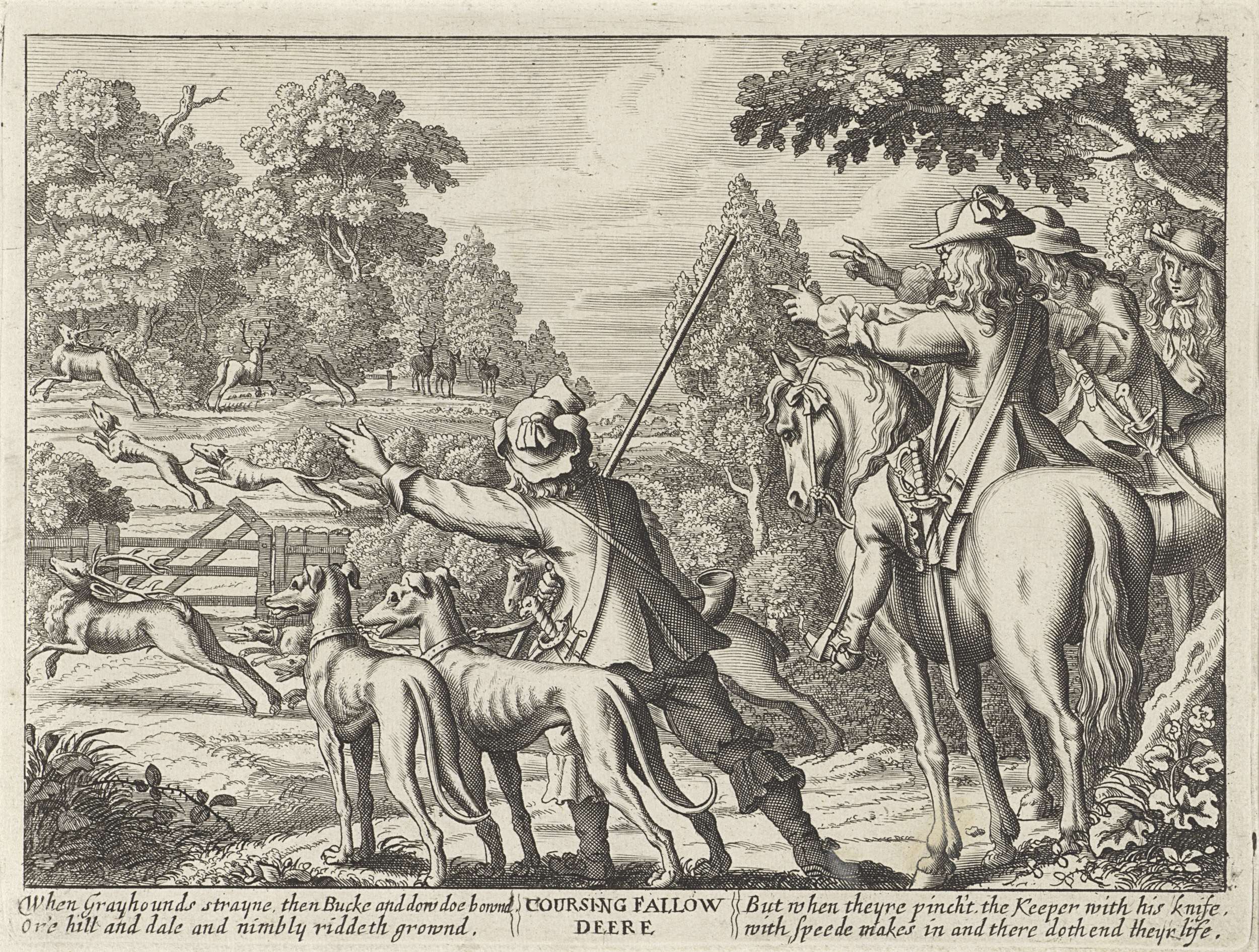
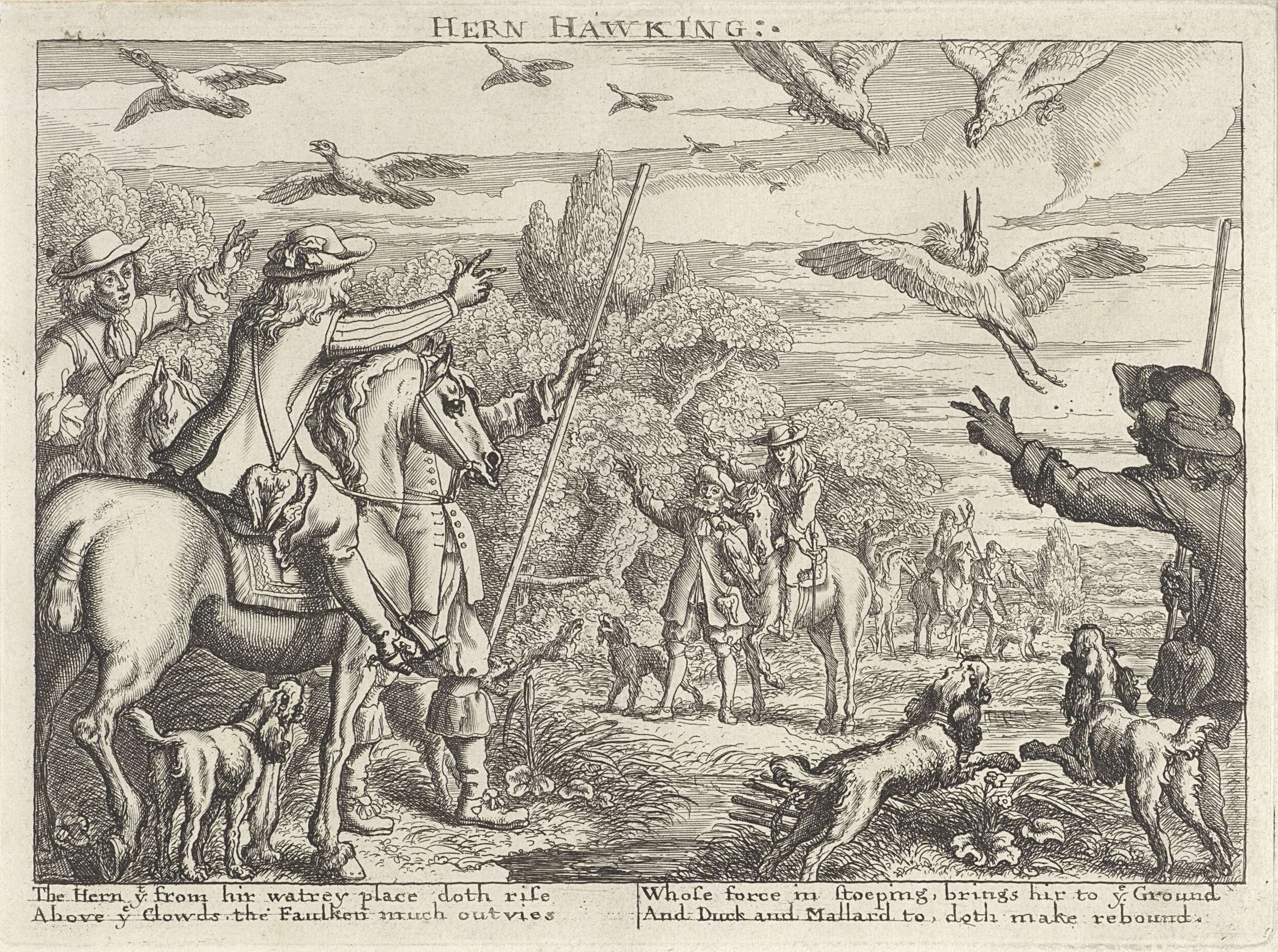
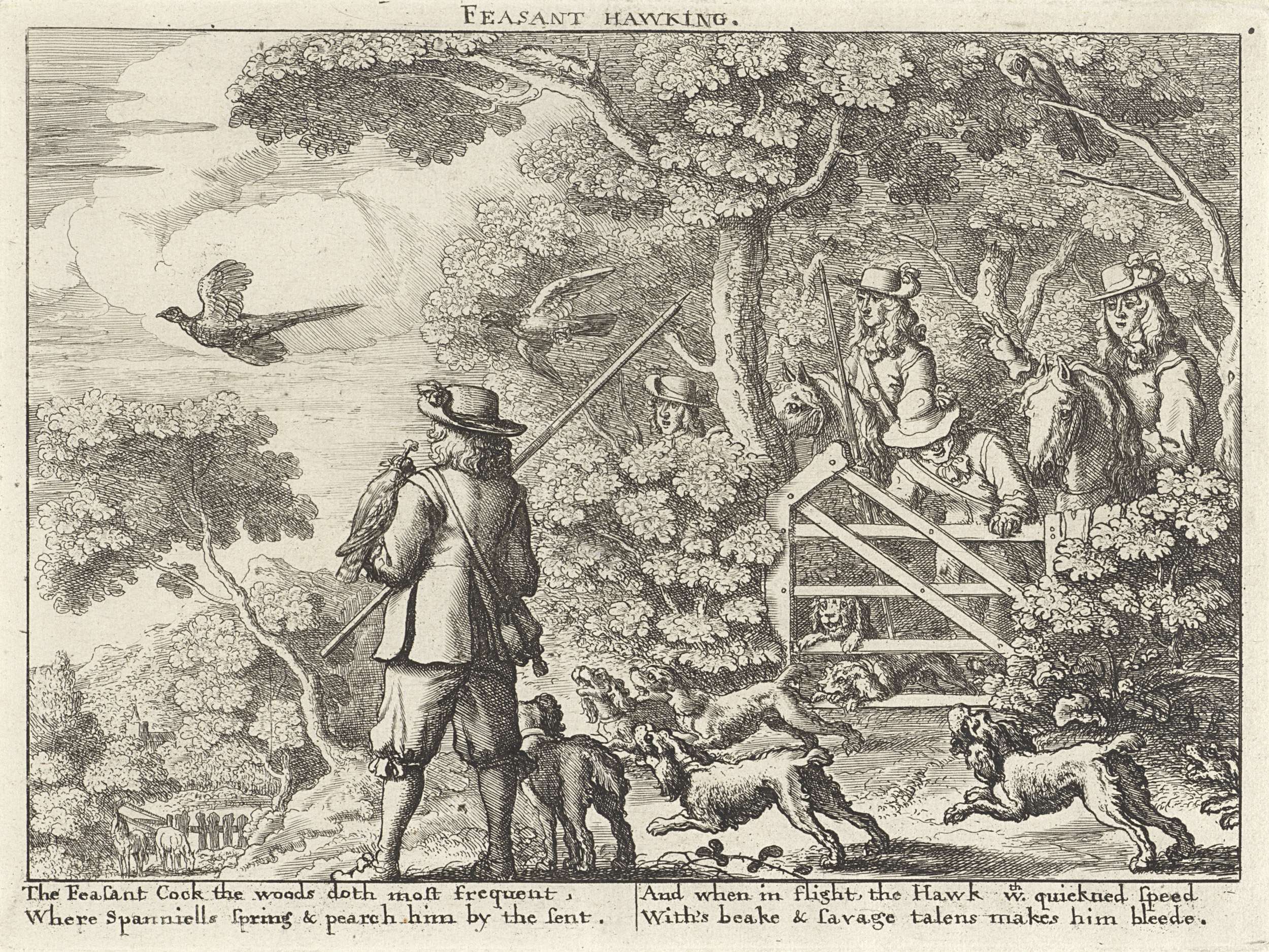
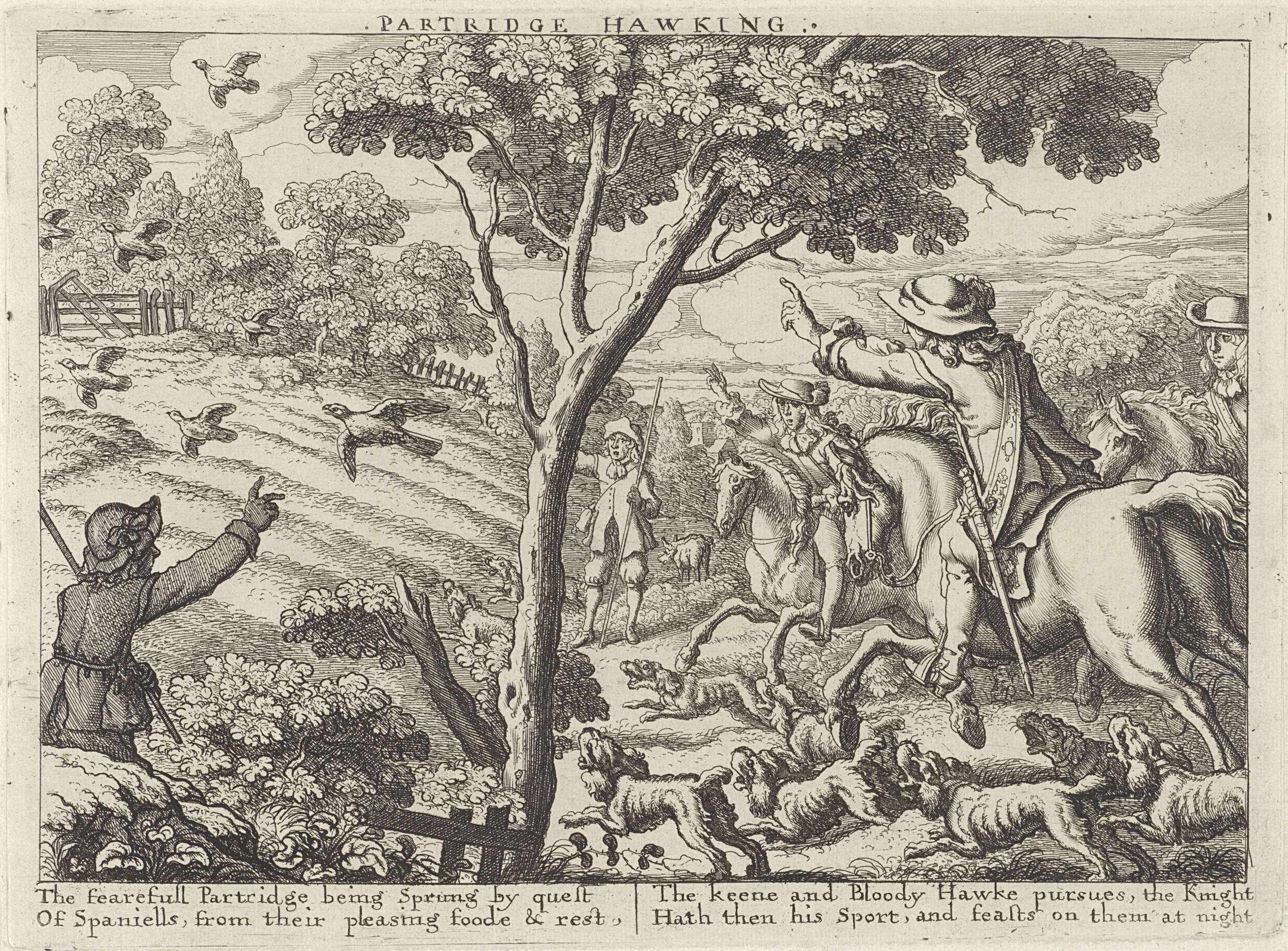
“Under the brush, chaos becomes grace.” In the delicate balance of life and loss, one can find a profound melancholy hidden in the brushstrokes of the past. This artwork speaks of more than mere hunting; it reverberates with the echoes of nature's fragility and the bittersweet dance between predator and prey. Focus on the vivid yet muted colors that draw the viewer's eye at first glance. Notice how the rich greens of the landscape cradle the figures in a harmonious embrace, while the subtle shadows hint at the tension beneath the surface.
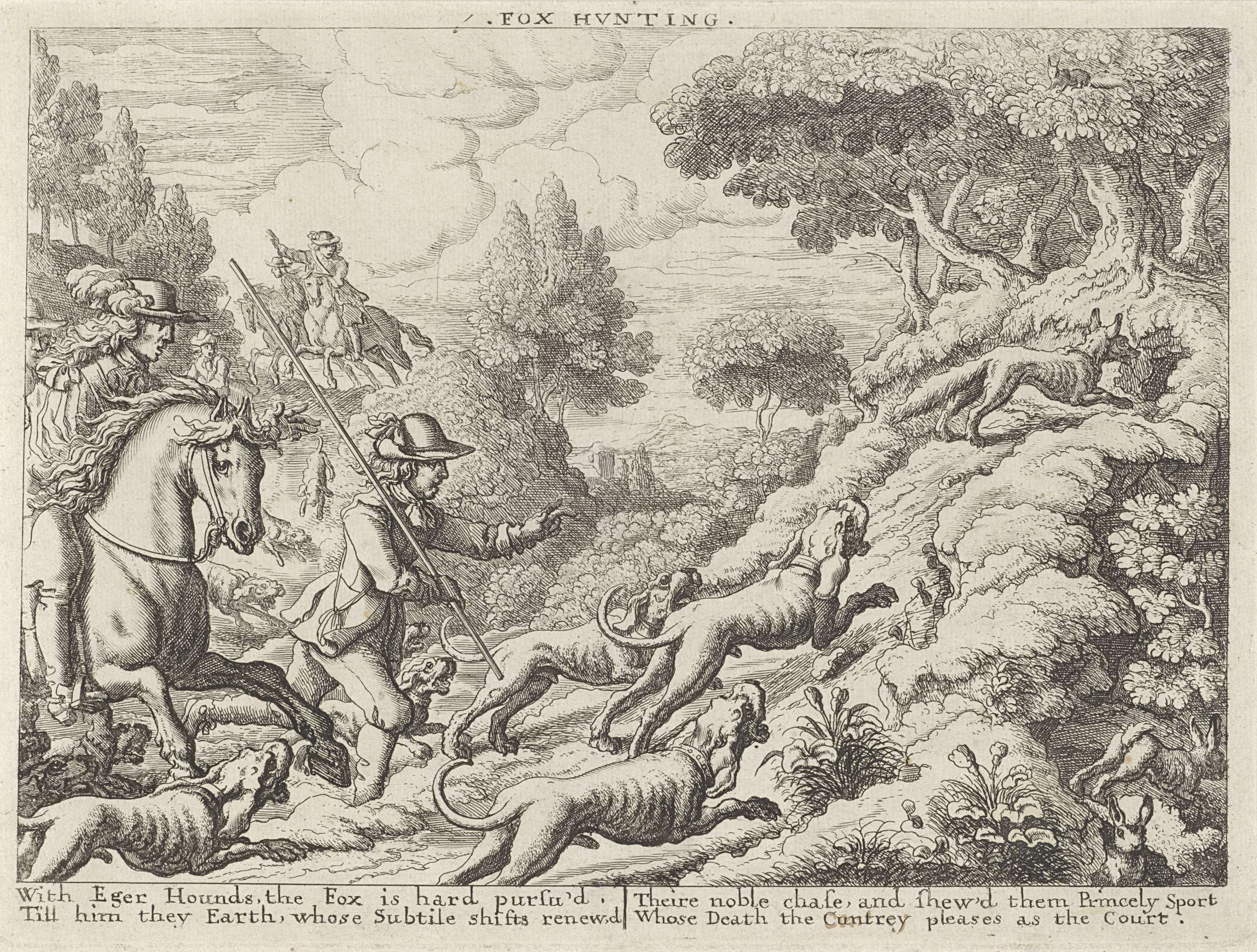
The detailed rendering of the rabbits, their fur seemingly alive, contrasts with the somber expressions on the hunters’ faces, suggesting an acknowledgment of their actions against the backdrop of a serene yet foreboding wilderness. The emotional undercurrents ripple through the canvas, revealing the intimate relationship between the hunters and their quarry. Each subtle gesture, from the tightly gripped weapons to the rabbits' wide eyes, portrays a moment of decisive action laced with sorrow. There is a poignant reminder of nature's cycle—life taken, yet interwoven with the melancholy beauty of the setting.
This complex interplay invites reflection on the cost of survival and the delicate web of existence. In 1671, Richard Gaywood created Konijnenjacht amid the artistic flourishing of the Dutch Golden Age. Working in Amsterdam during a period rich with exploration and trade, he embraced the naturalistic approach that defined this era. The painting reflects not only his skill but also the cultural context of a society grappling with the ethical implications of its relationship with nature, encapsulating the essence of his time through striking imagery and emotional depth.