Valkenjacht op reigers en eenden — History & Analysis
Did the painter know this moment would outlive them? The fleeting nature of light captures a pause in time, where the mundane becomes extraordinary and the transient appears eternal. Focus first on the luminous haze that envelops the landscape, drawing your eye toward the gentle interplay of golds and greens. Notice how the light spills across the water, creating shimmering reflections that dance with the movement of the wind.
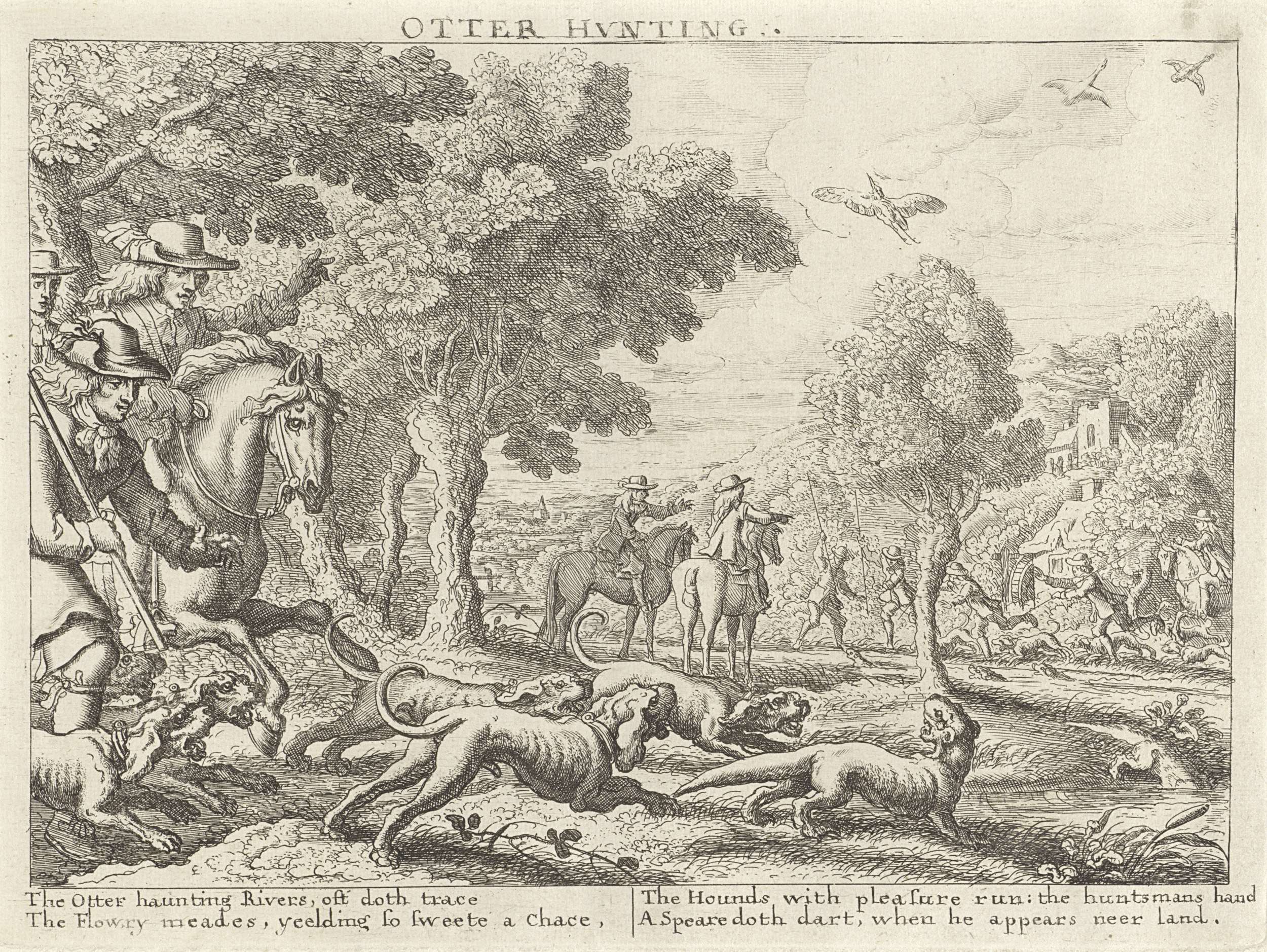
Each brushstroke seems deliberate, guiding you to the hunters in their small boat, poised with anticipation. Their quiet confidence stands in stark contrast to the vibrant activity of the surrounding wildlife, enhancing the sense of tension and uncertainty. Delve deeper into the composition, where the intricate details of flora and fauna evoke a rich narrative. The stillness of the water reflects not just the physical realm but also the underlying tension of pursuit, as every element whispers of life and death.
The juxtaposition of the hunters' stillness against the frenetic movement of the birds emphasizes the delicate balance between nature and human intervention, hinting at themes of survival and the instinctual drive that binds all living things. In 1671, Richard Gaywood painted this work during a period rich with the exploration of natural themes in art. Living in Holland, a nation defined by waterways and agriculture, he was part of an artistic milieu that celebrated the beauty of the natural world alongside the growing importance of landscape painting. The meticulous attention to light and detail reflects not only his personal skill but also the broader artistic movements of his time, making this piece a significant statement in the evolution of 17th-century Dutch art.