Jacht op patrijsvogels — History & Analysis
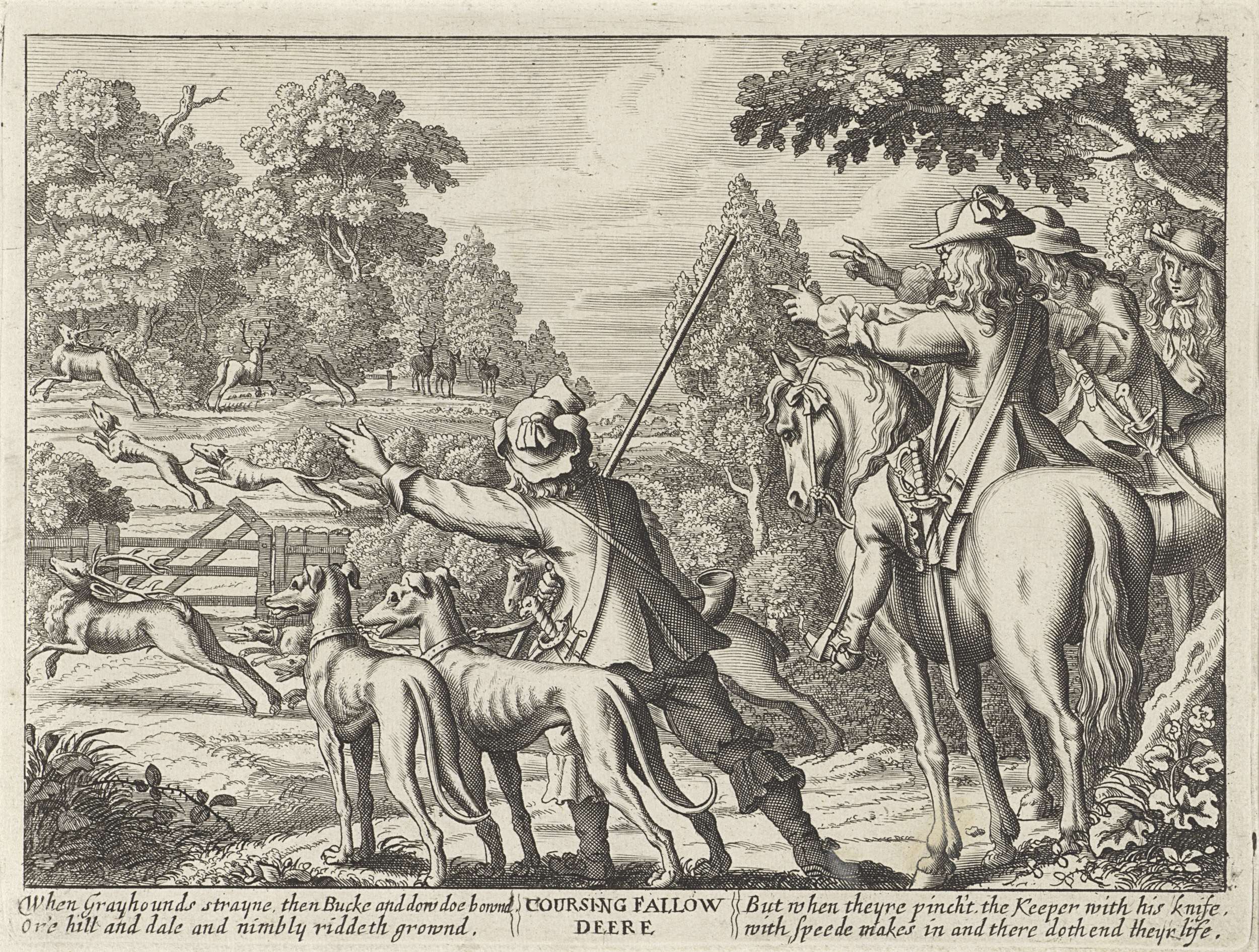
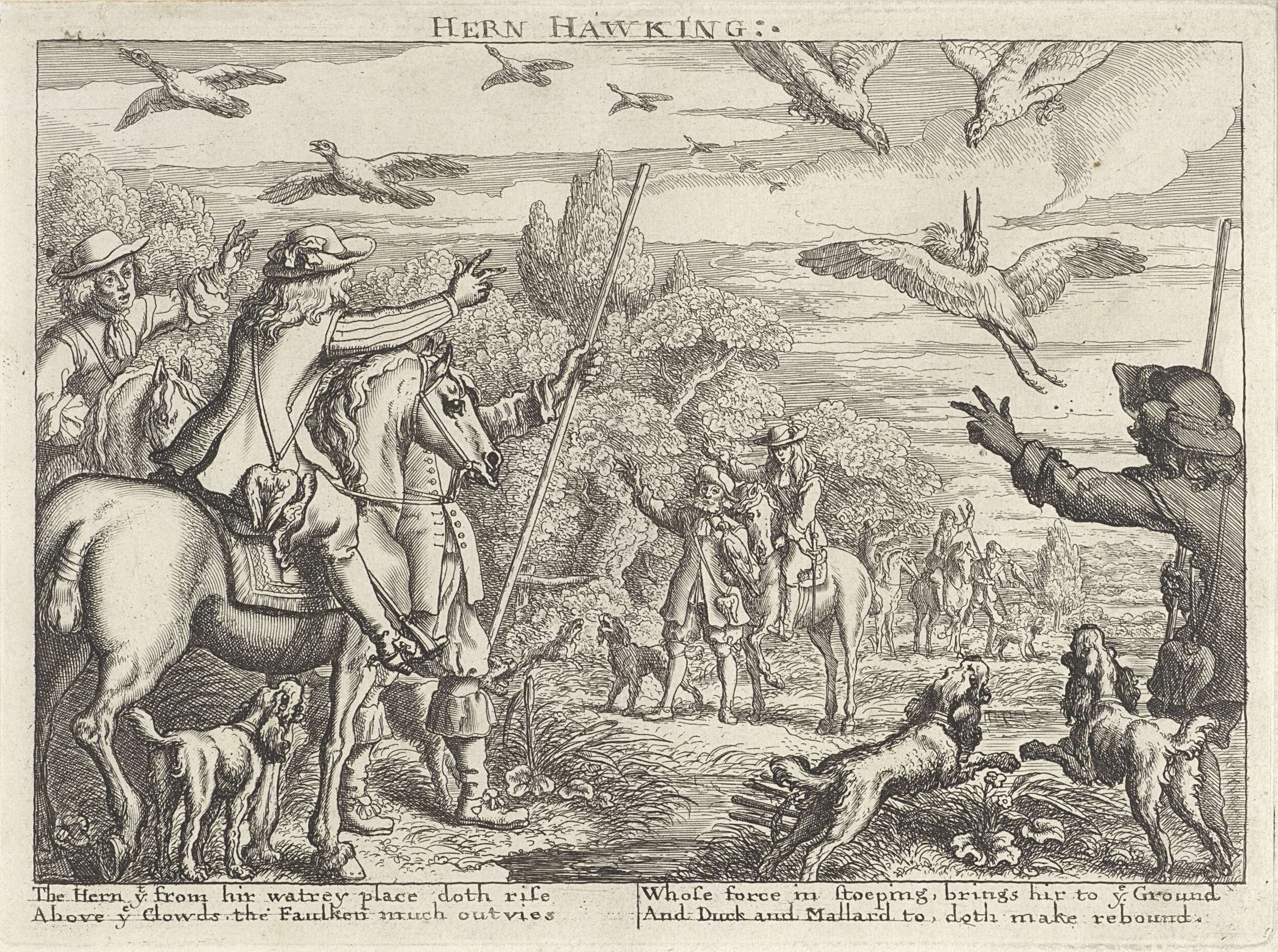
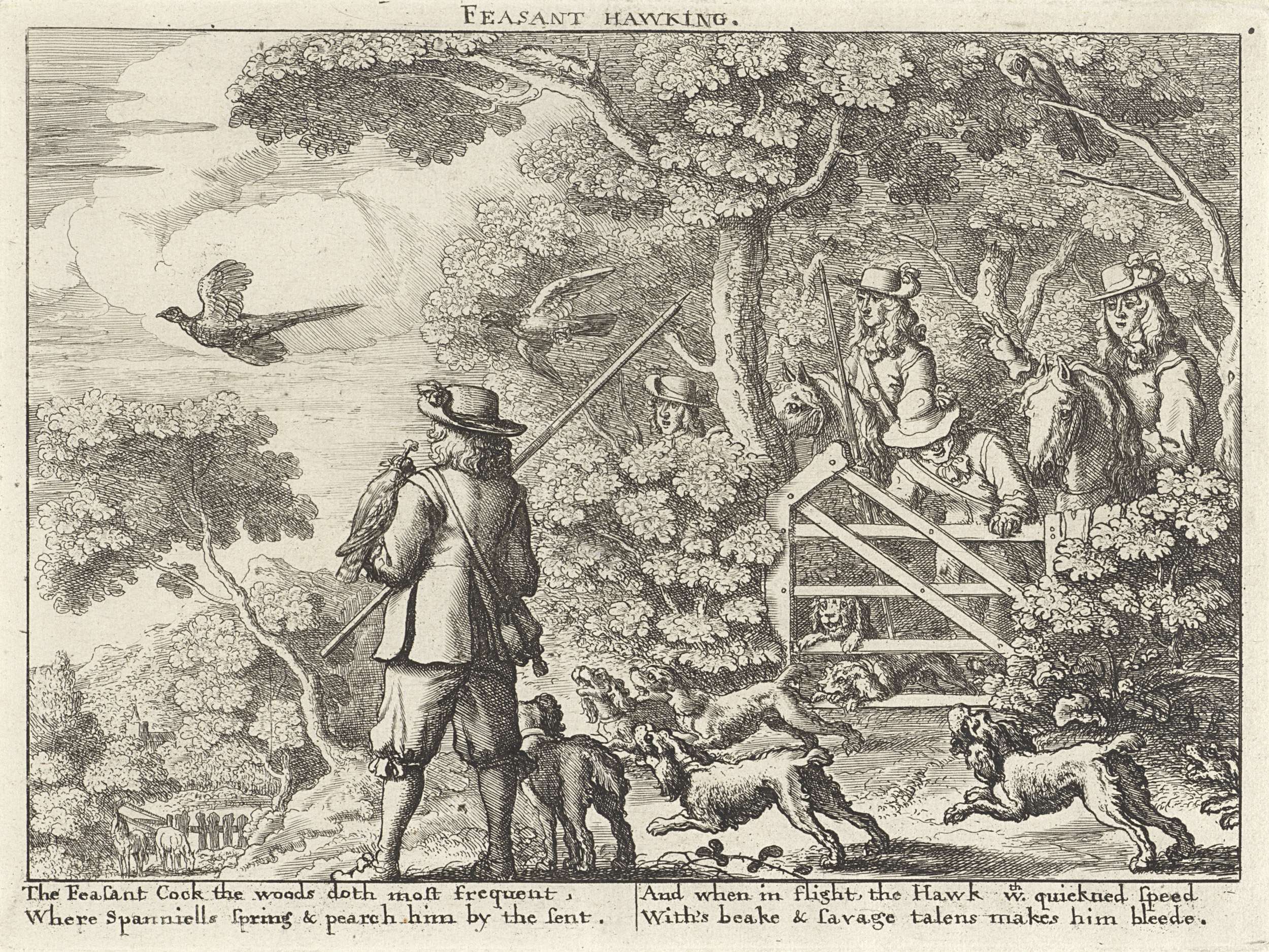
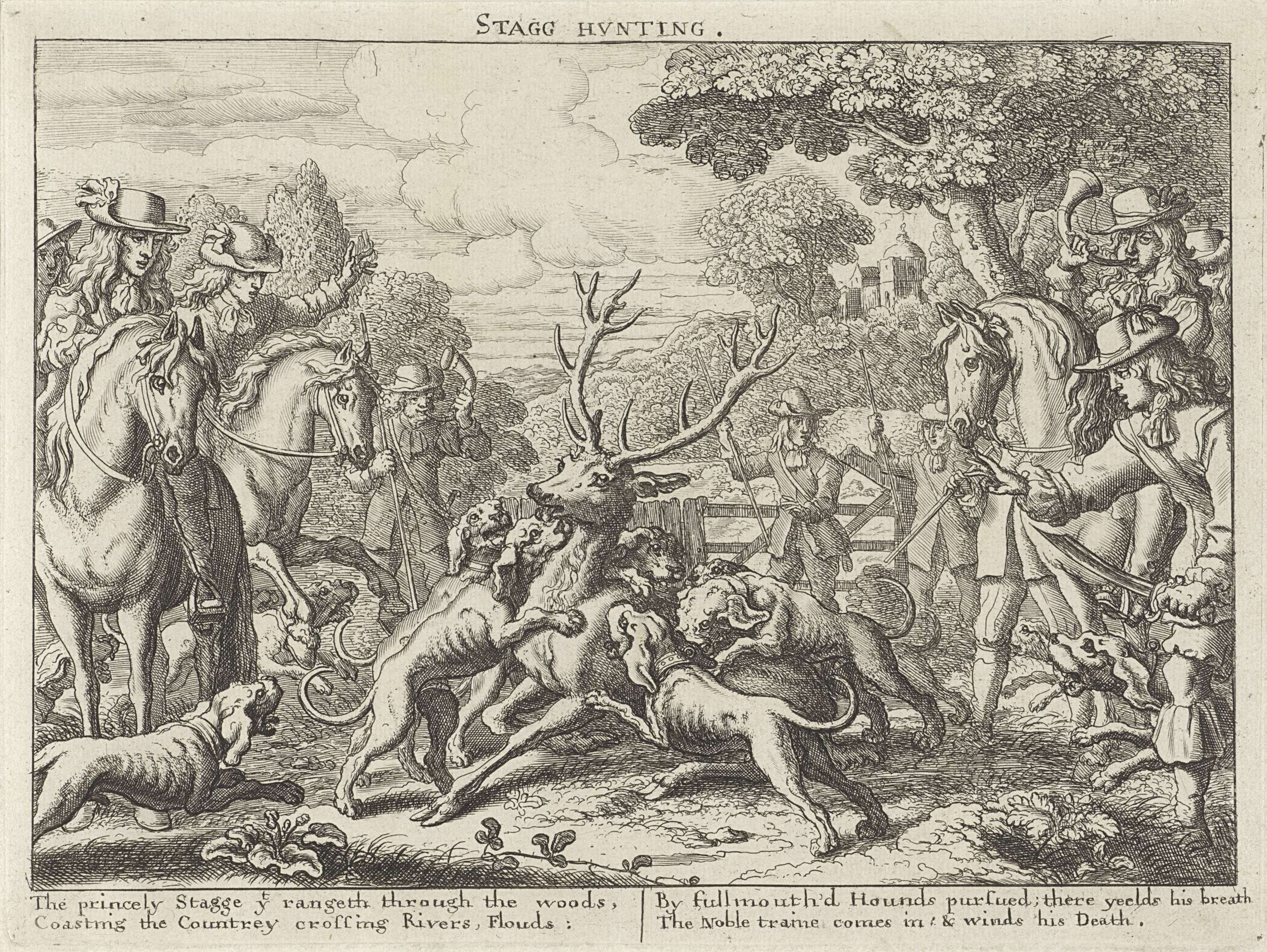
“Every brushstroke is a heartbeat remembered.” In the quietude of a moment captured on canvas, the essence of memory bathes itself in the vivid colors of life, loss, and time's passage. Look closely at the center, where a flock of partridges seems to flutter just above the ground, caught in a fleeting dance of survival. The hunting dog, poised and alert, almost vibrates with energy, its gaze fixed intently on the birds, while a distant figure raises a gun, the tension palpable. Notice how the warm golden hues of the setting sun spill across the fields, painting shadows that stretch like long-forgotten memories.
The composition artfully balances movement and stillness, inviting the viewer to ponder the imminent clash of nature and human intent. Yet, a deeper narrative simmers beneath the surface. The hunting scene embodies a duality—the thrill of the chase juxtaposed with a fragile reverence for life. The dog’s eager posture reflects instinct and loyalty, while the partridges symbolize vulnerability in the face of predation.
The surrounding landscape, lush yet expansive, serves as a reminder of the ephemeral beauty of existence, capturing both the chase and the serene stillness of an impending moment of loss. Richard Gaywood painted this scene in 1671, during a time when the Dutch Golden Age was flourishing. Living in England, he was influenced by the rich tradition of Dutch landscape and hunting scenes, which often reflected the complexity of man’s relationship with nature. As the world around him experienced political and social transformations, his work resonated with the intricate balance of life and death, echoing the sentiments of an era deeply invested in both the beauty and brutality of existence.