Hertenjacht — History & Analysis
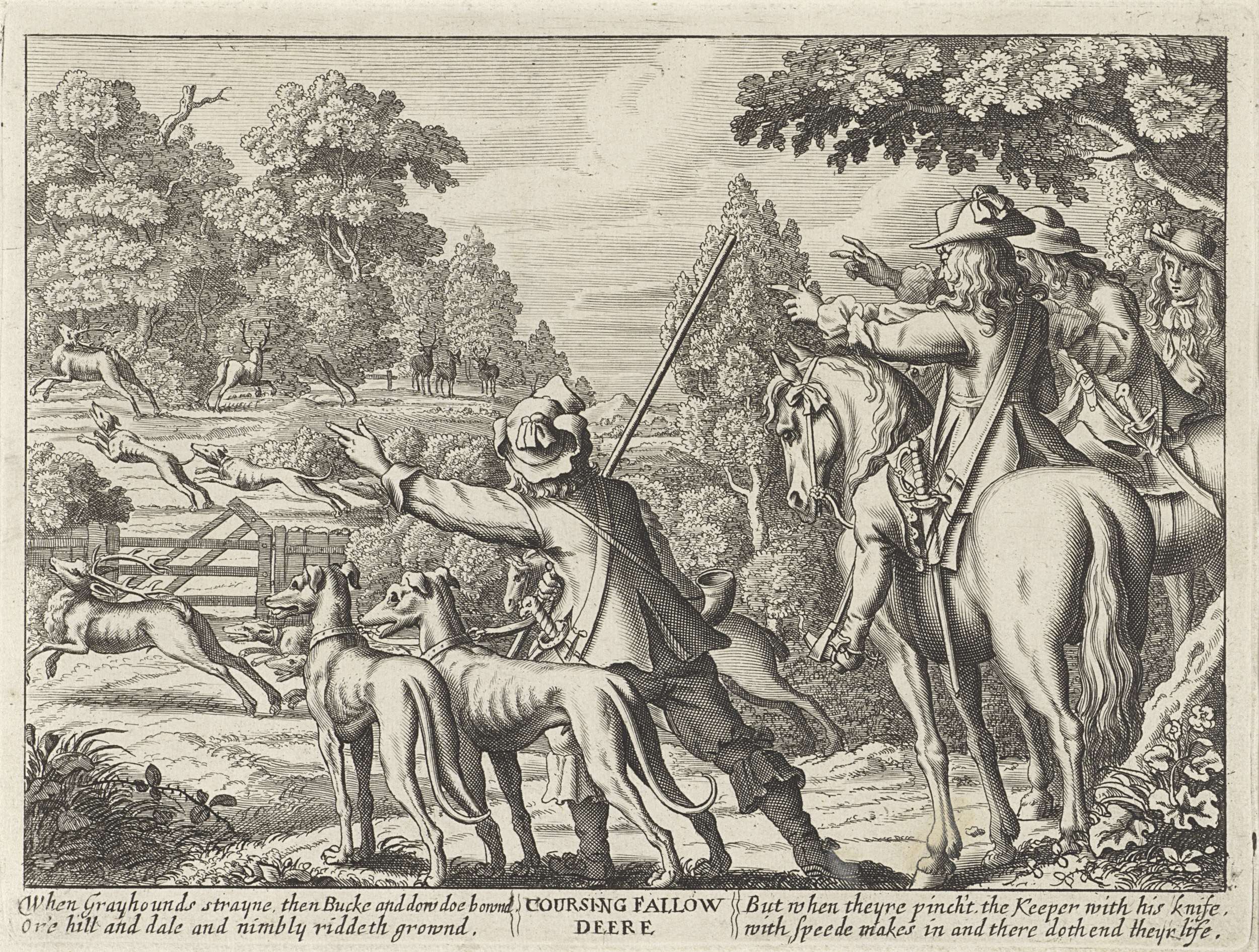
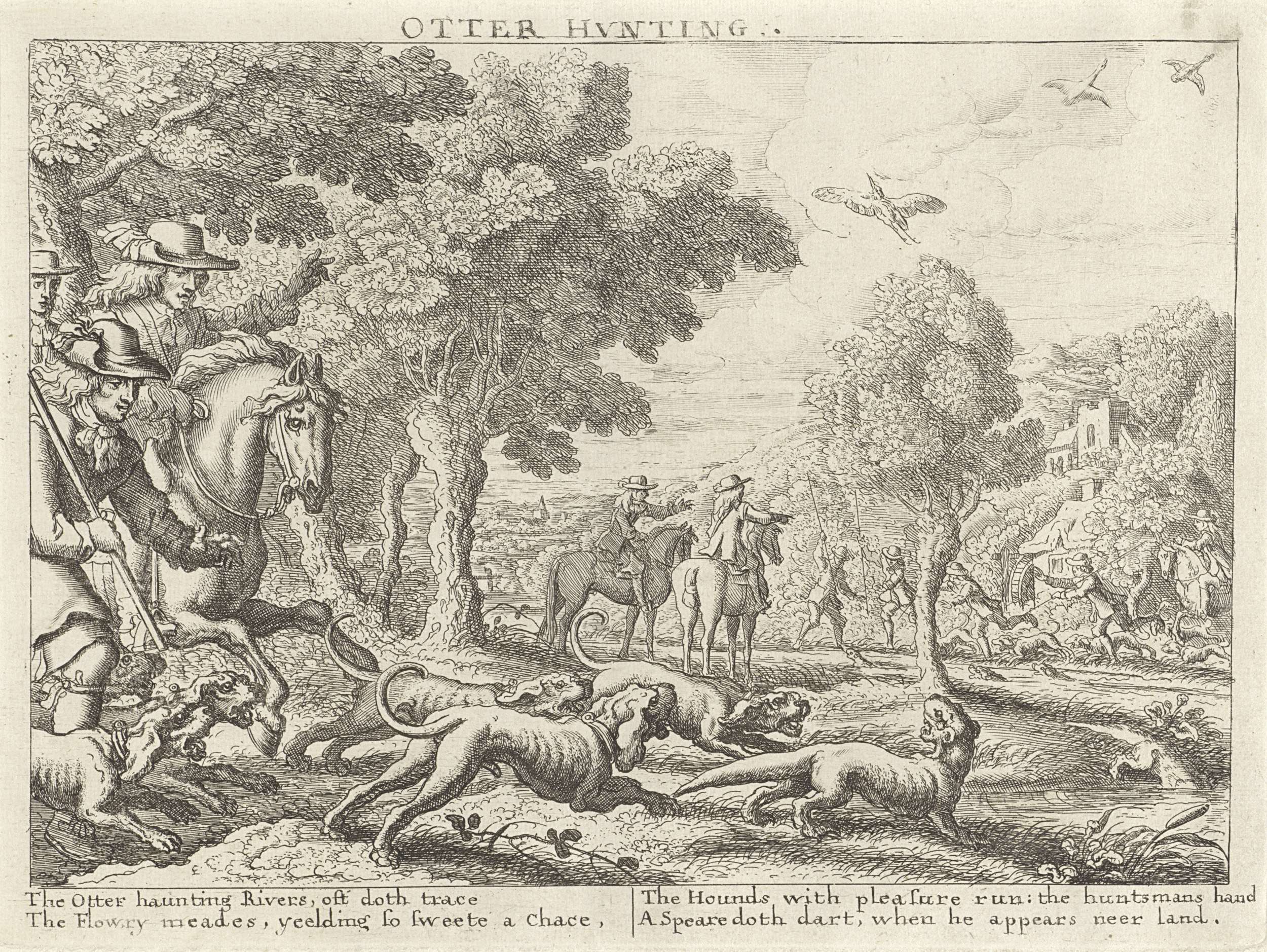
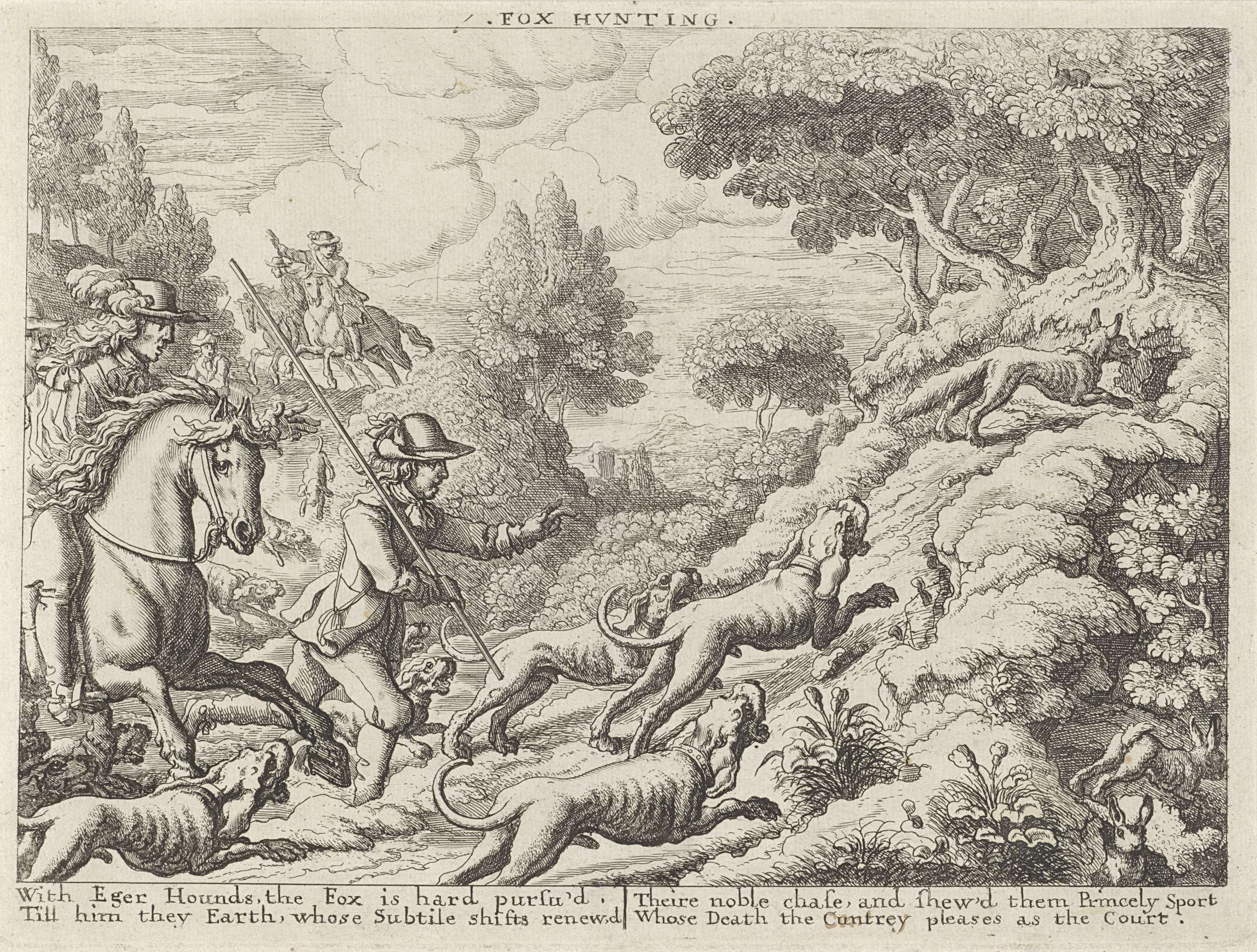
“Art reveals the soul when the world turns away.” Each brushstroke of color in this striking artwork invites us to peer into an emotional landscape, revealing the depths of human experience often kept hidden from view. Look to the center of the composition, where bold, vibrant hues clash and dance harmoniously, leading your gaze toward the dramatic action at play. The rich greens and browns evoke the lushness of the hunting grounds, while dashes of crimson remind us of the life-and-death stakes involved. Notice how the figures are not merely hunters; their postures and expressions speak to a complex interplay of adrenaline, fear, and exhilaration, capturing the essence of a moment frozen in time.
Beneath the surface, Hertenjacht encapsulates the age-old struggle between man and nature, reflected in the way the hunters’ determination contrasts with the wild grace of the stag. The careful detailing of the animal’s fur against the backdrop of the forest reflects a tension between civilization and the untamed wilderness, hinting at a deeper dialogue about humanity’s place in the natural order. Each color choice amplifies this tension, drawing us into a narrative that resonates even centuries later.
Created in 1671, Richard Gaywood was living in a period marked by evolving artistic styles and the rise of the Dutch Golden Age. Painting in England, he found himself influenced by both classical themes and the burgeoning interest in naturalism. This was a time when artists began to explore emotion and movement in ways that challenged previous conventions, allowing Gaywood to bring a fresh vision to his portrayal of the hunt.