Hertenjacht van het keurvorstelijk hof van Saksen — History & Analysis
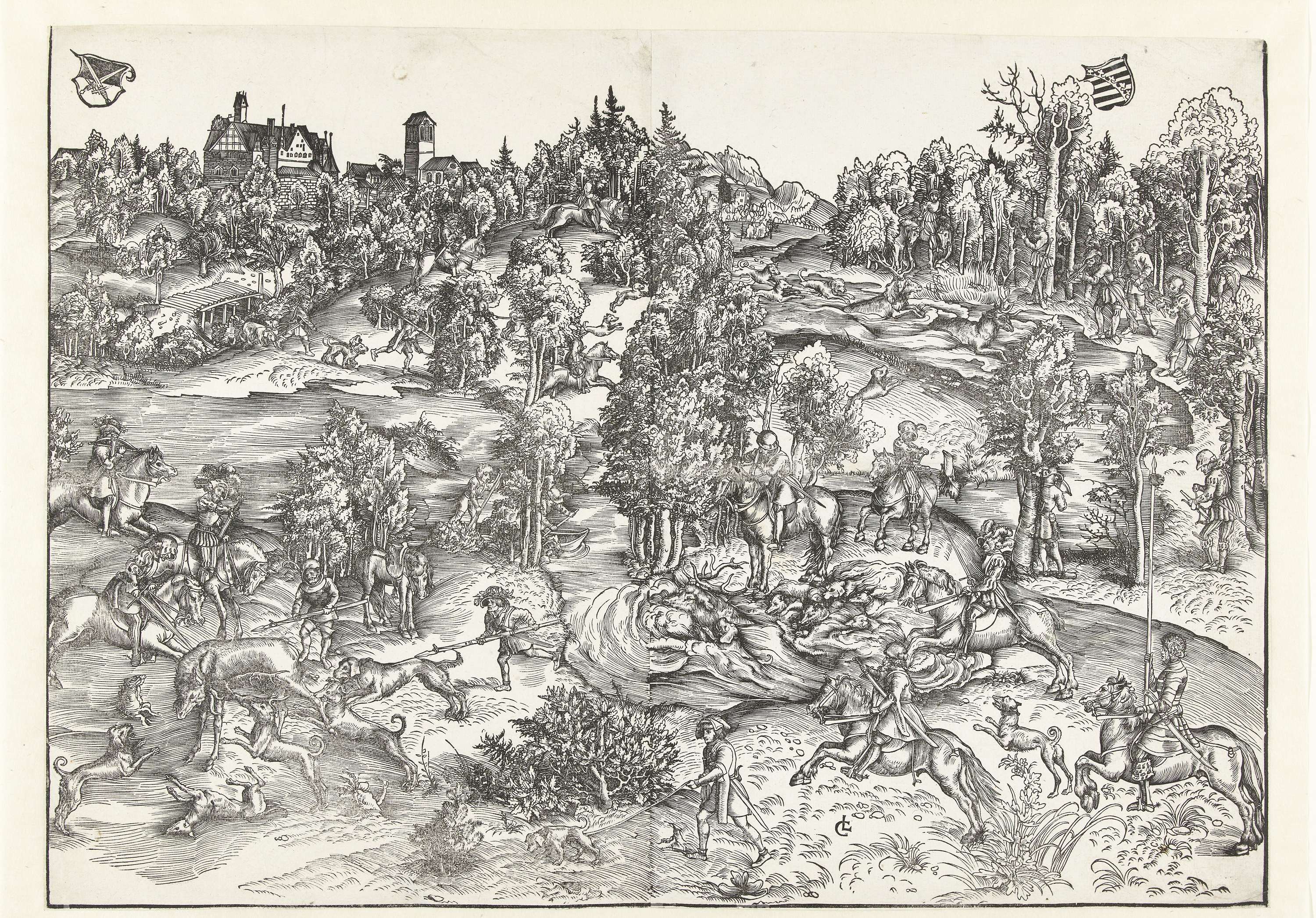
“Every brushstroke is a heartbeat remembered.” In moments of transformation, a glimpse of the past collides with the present, leaving traces of what once was. Each color carries a story, each figure a journey, inviting us into a world where history breathes anew. Focus on the vibrant palette of greens and browns that envelop the scene, drawing your eyes to the central figures engaged in the royal hunt. Notice how the delicate brushwork captures a sense of movement—the horses in mid-gallop, the dogs in eager pursuit, while the hunters wield their weapons with both elegance and intent.
The interplay of light and shadow creates a dynamic tension, emphasizing the thrill of the chase against the backdrop of the serene, sprawling forest. Upon closer inspection, the painting's contrasts emerge vividly. The majesty of the hunters stands in stark opposition to the wildness of nature, symbolizing the delicate balance between power and vulnerability. The figures, adorned in rich textiles, seem to possess an ethereal quality, highlighting their elevated status while the untamed landscape serves as a reminder of the primal instincts that drive both man and beast.
This tension evokes a sense of urgency, as if time itself is about to transform the scene forever. Lucas Cranach (I) created this work between 1504 and 1508 during his tenure at the court of Saxony in Germany. This period marked a significant evolution in his style, as the artist combined elements of realism with rich symbolism, reflecting the Renaissance's influence on Northern European art. The painting not only captures a royal spectacle but also mirrors the shifting cultural landscape of the time, where nature and humanity were increasingly intertwined in the narrative of power and transformation.