Het grote paard — History & Analysis
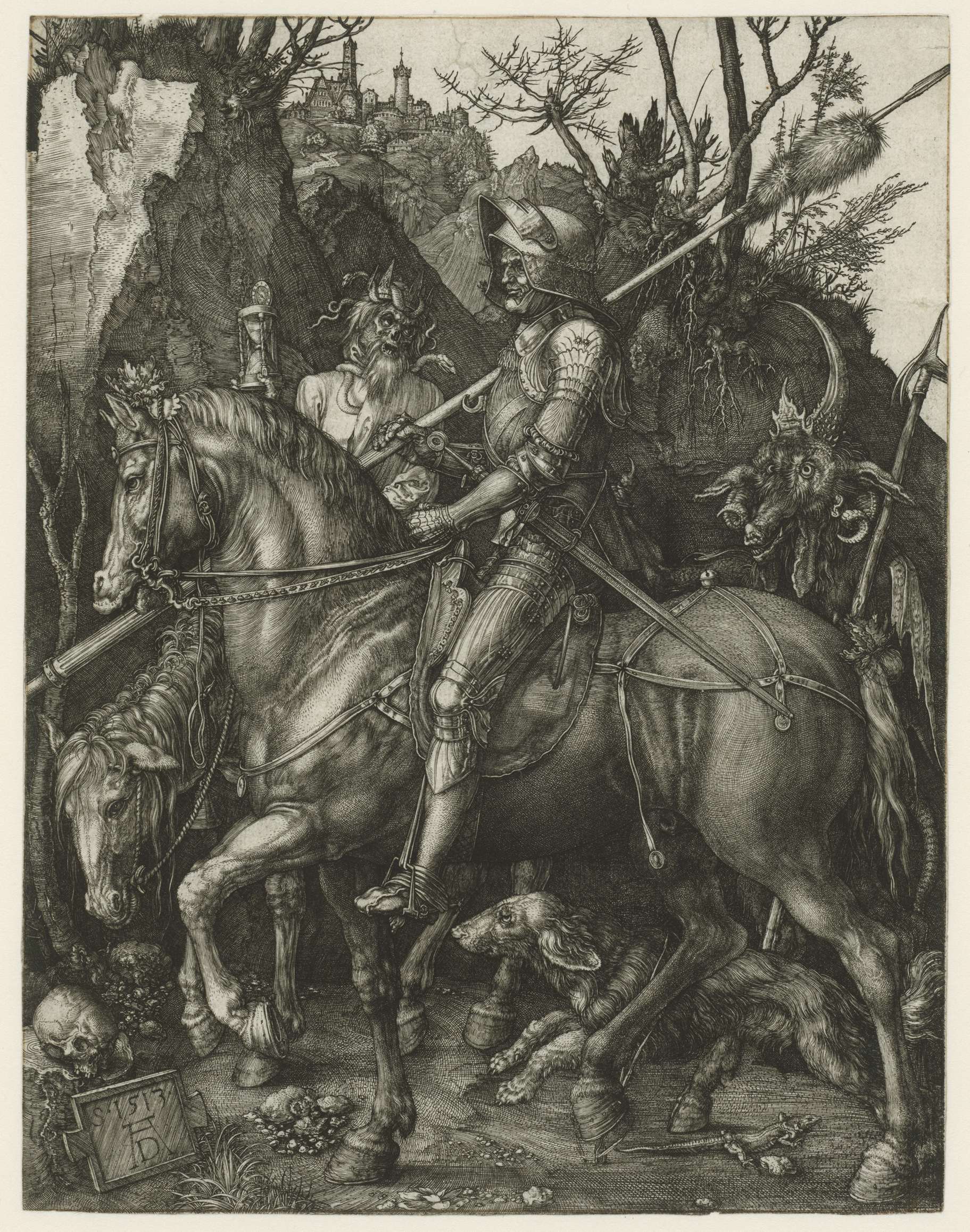
When did color learn to lie? Het grote paard reveals the tension between artistry and authenticity, a legacy steeped in the complexities of representation. It invites contemplation on truth within the bounds of beauty. Look to the left at the magnificent horse, its powerful musculature rendered in meticulous detail, a testament to the artist's skill. The play of light across its coat captures an almost palpable texture, inviting you to reach out and touch the surface.
Notice the precise lines and rich browns and blacks that create depth, while the background fades into a softer palette, allowing the horse to dominate the canvas. Dürer’s mastery of chiaroscuro not only highlights the physical form but also evokes a sense of spirit and vitality. Beneath the surface, the painting speaks of ambition and the relationship between man and beast, showcasing the duality of strength and vulnerability. The horse stands not just as an animal but as a symbol of nobility, power, and the human desire for conquest.
The delicate balance of naturalism and stylization questions what it means to depict life, suggesting that even the most vivid colors can mask underlying truths. In 1505, Dürer was at the height of his artistic career, operating in Nuremberg, a hub of trade and culture. He had recently returned from Italy, where he absorbed the innovations of the Renaissance, and began experimenting with new techniques. This period was marked by an increasing interest in the human form and nature, as artists sought to establish their legacy in a rapidly changing world.