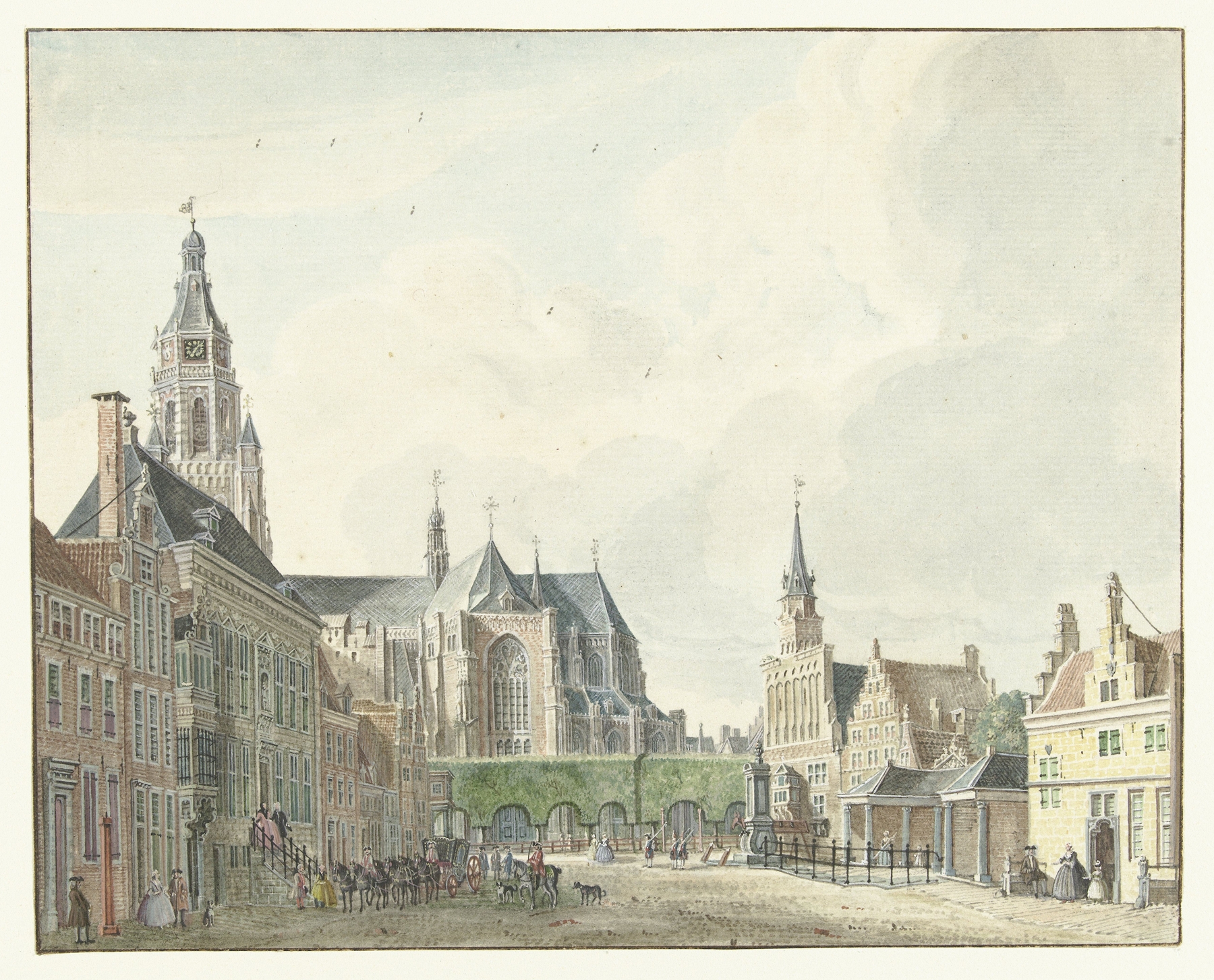
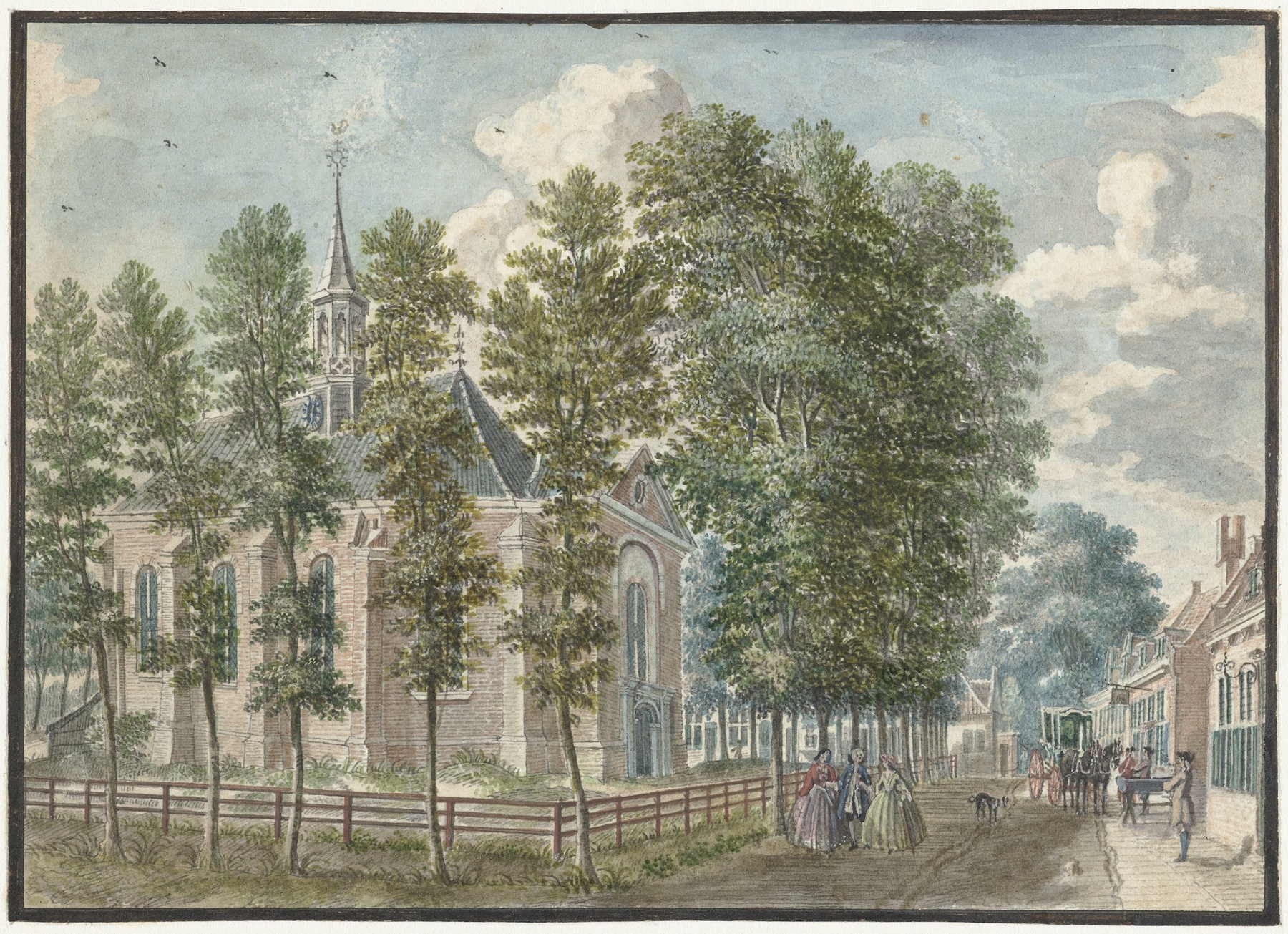
Het Huis Hunderen bij Twello — History & Analysis
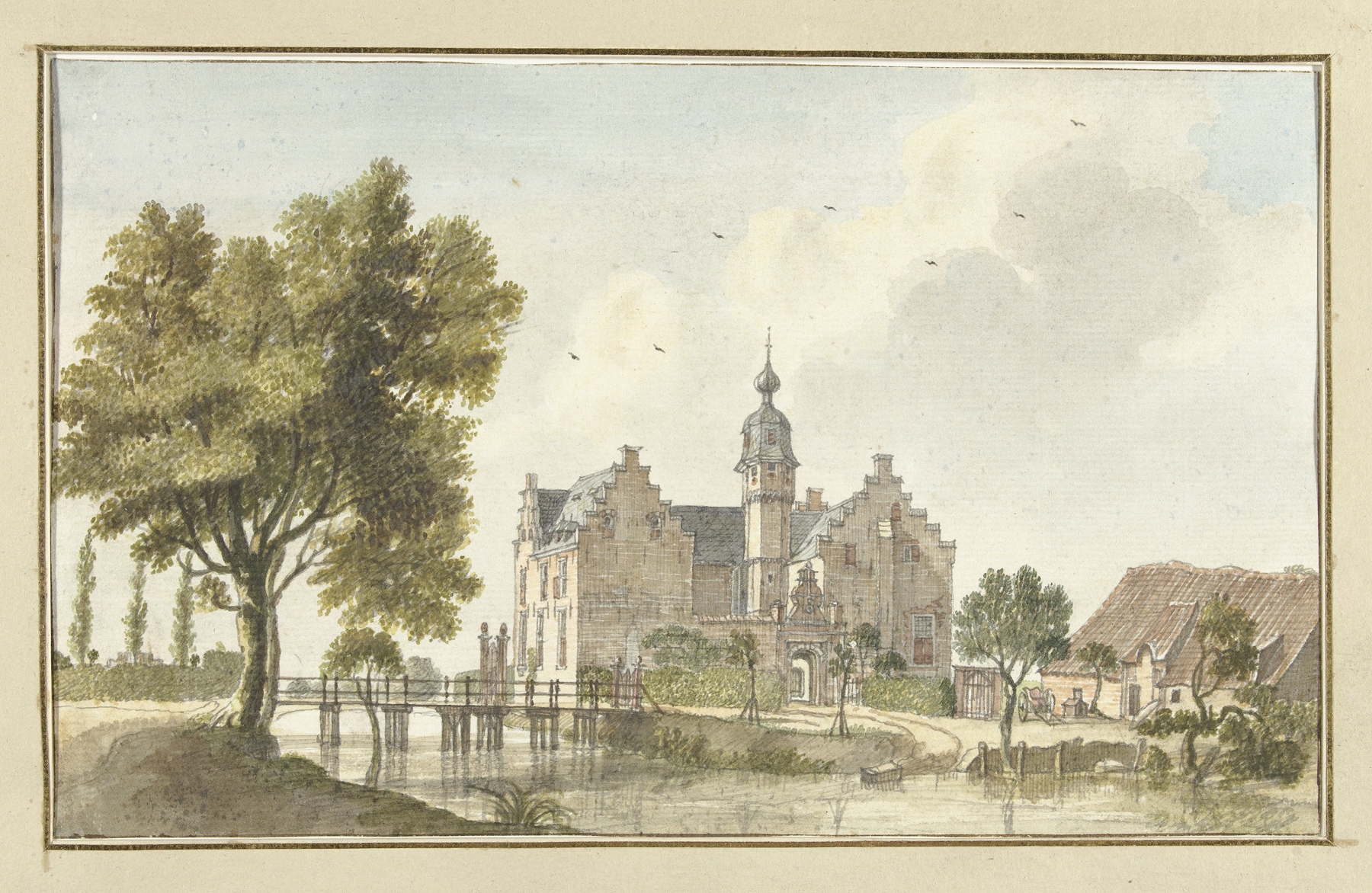
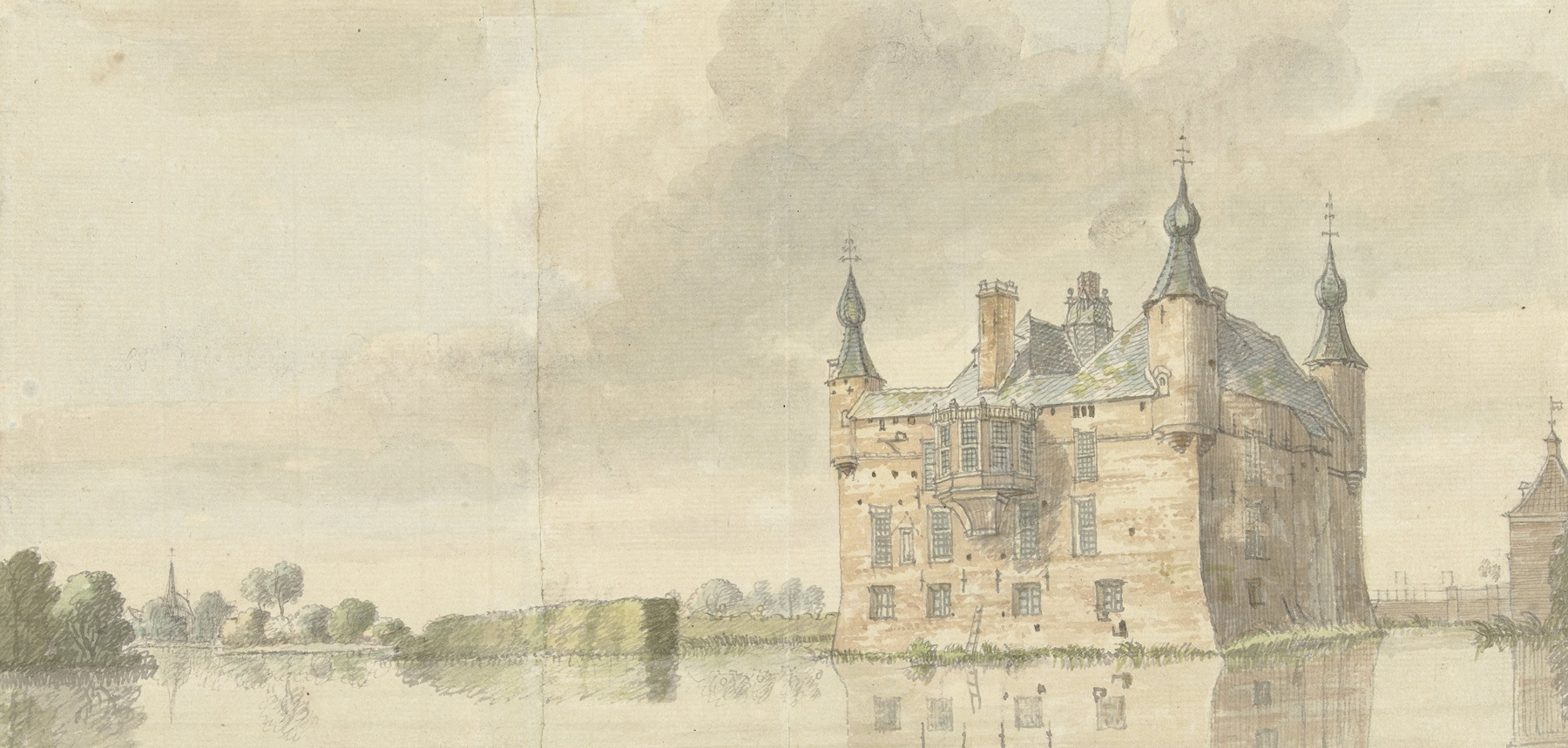
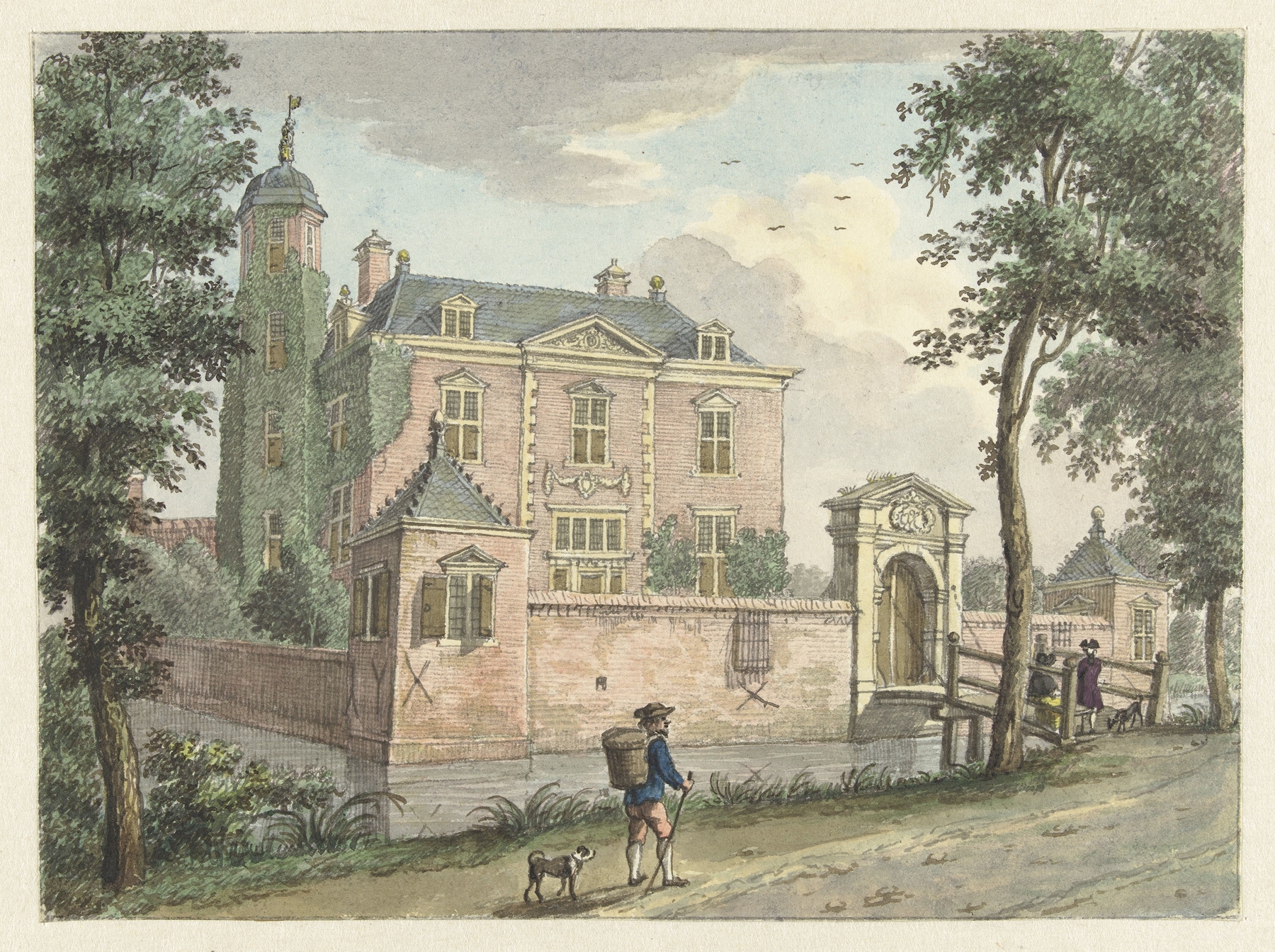
“Sometimes beauty is just pain, disguised in gold.” In the stillness of a moment, the essence of awakening often lies just below the surface, waiting to be discovered. Look to the left, where the delicate strokes of verdant greens and shimmering golds define the landscape of Het Huis Hunderen bij Twello. The rolling hills rise gently, bathed in dappled sunlight, creating a tranquil atmosphere that contrasts with the hidden emotions layered within. The composition leads your eye across the canvas, drawing you toward the quaint structure—a house nestled among trees, hinting at the coexistence of nature and human life.
As you delve deeper, notice the juxtaposition of light and shadow, symbolizing the duality of existence. The vibrant colors evoke a sense of nostalgia yet carry an underlying tension, as if the beauty of the scene belies the stories of those who lived there. Each brushstroke seems to whisper of memories, both joyous and sorrowful, intertwining the beauty of the landscape with the weight of past lives. The serene exterior masks the complexities of human experience, a reminder that awakening often stems from moments of struggle.
In 1744, Jan de Beijer created this work while living in the Netherlands, a country marked by artistic evolution and the rise of landscape painting. This period saw a shift away from grand historical scenes to intimate depictions of everyday life and nature, reflecting a growing appreciation for the delicate balance between humanity and its environment. De Beijer's focus on pastoral scenes speaks to a burgeoning interest in capturing the essence of Dutch identity during a transformative era in art and society.