Het Huis te Baek — History & Analysis
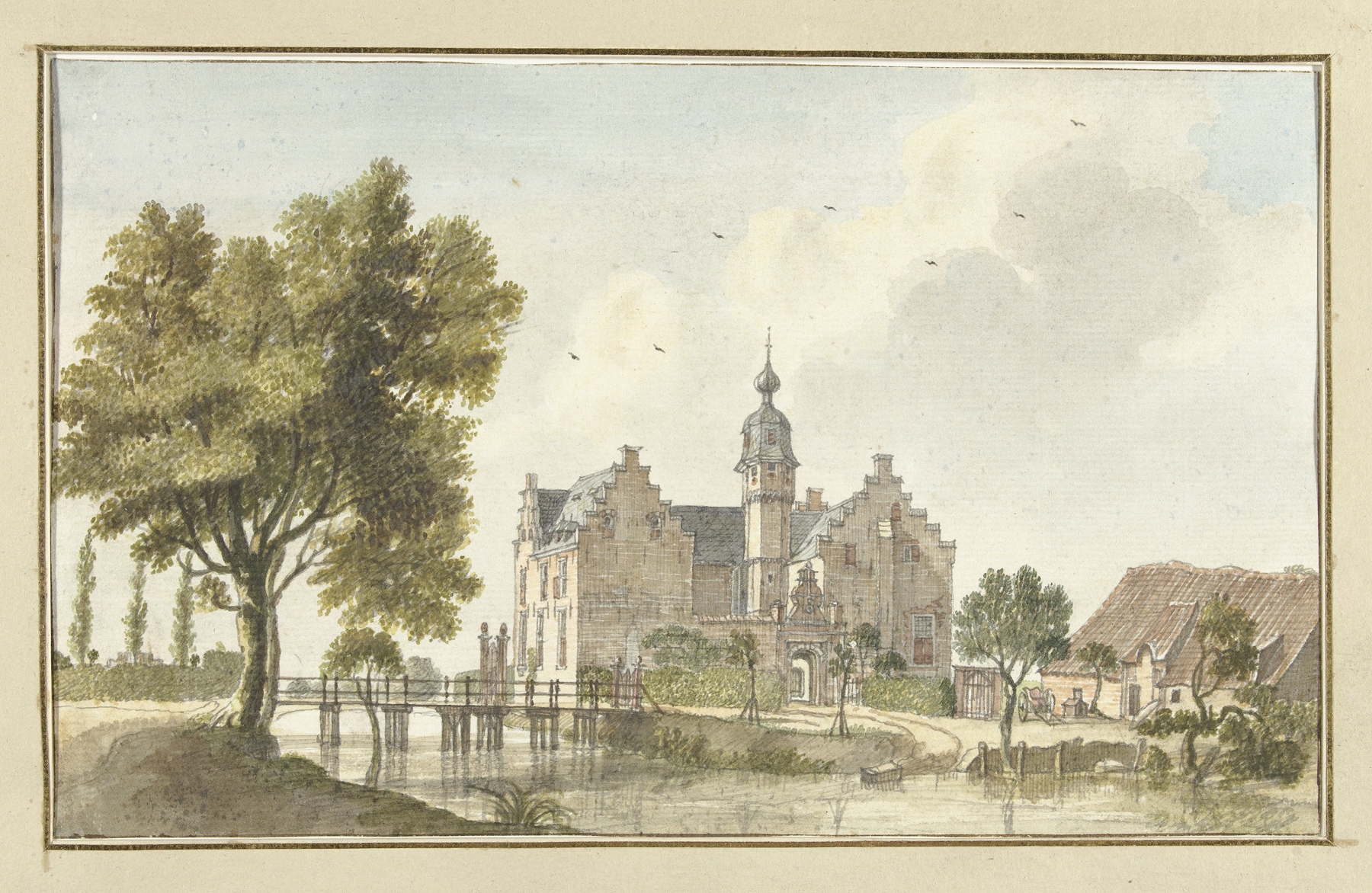
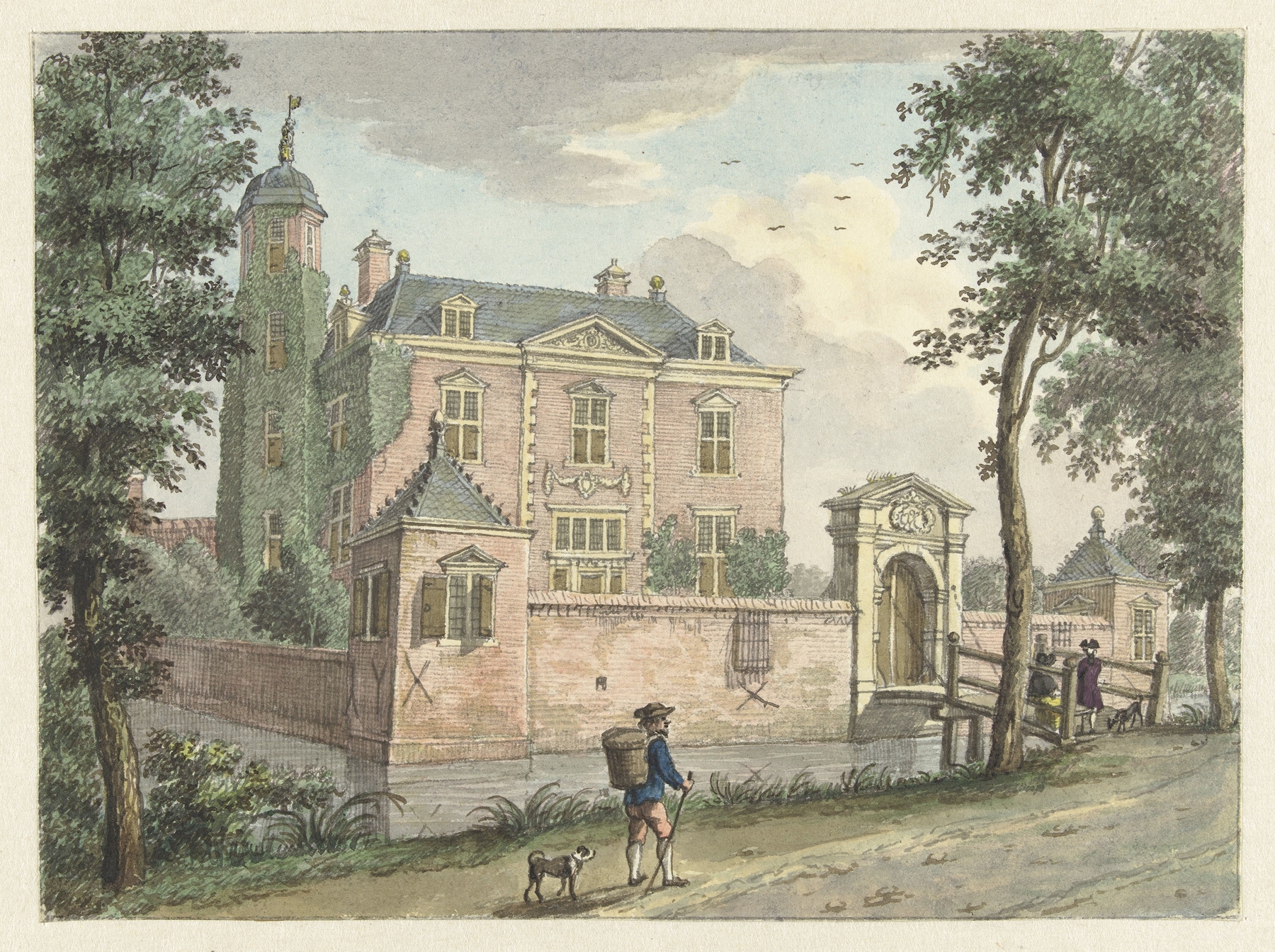
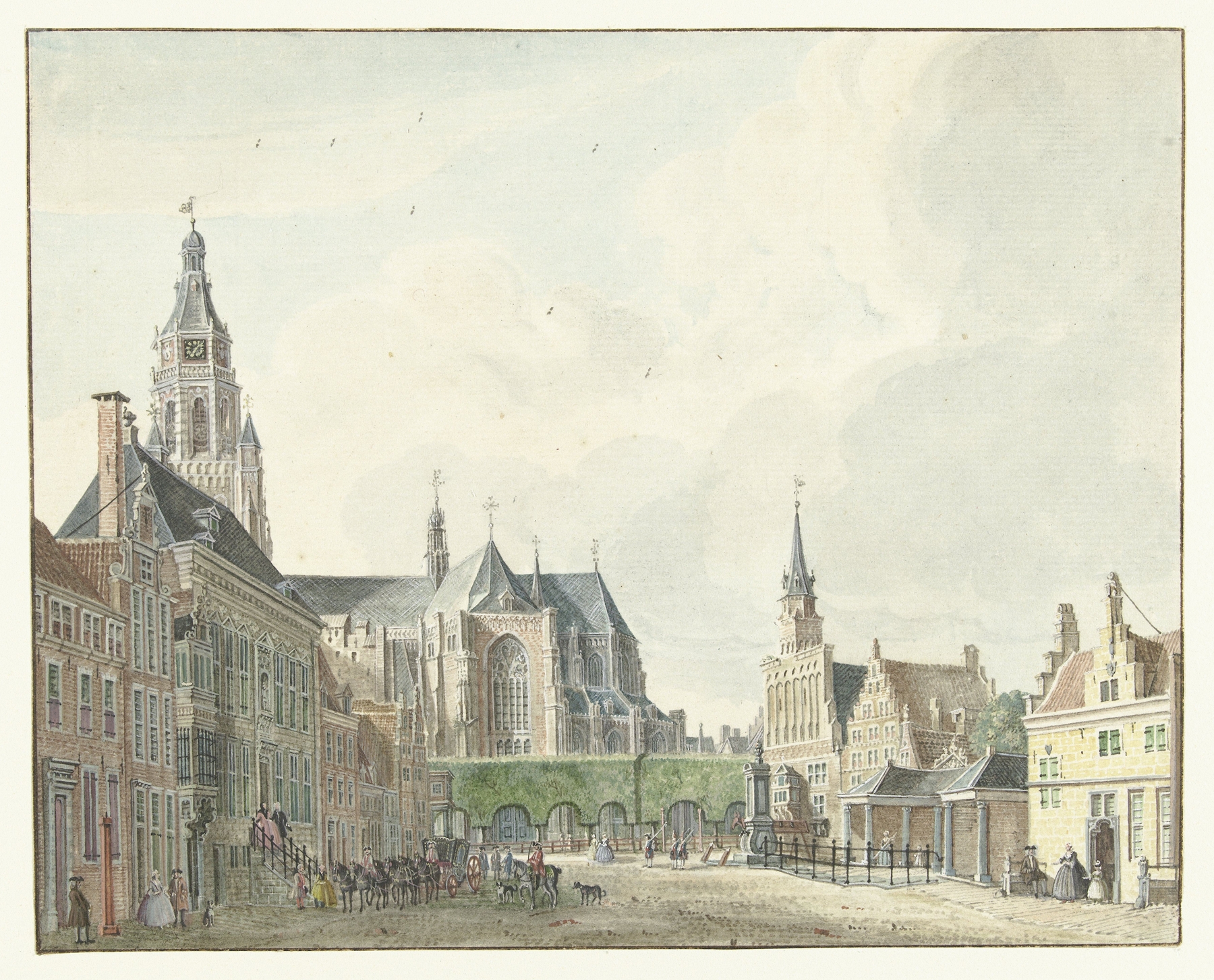
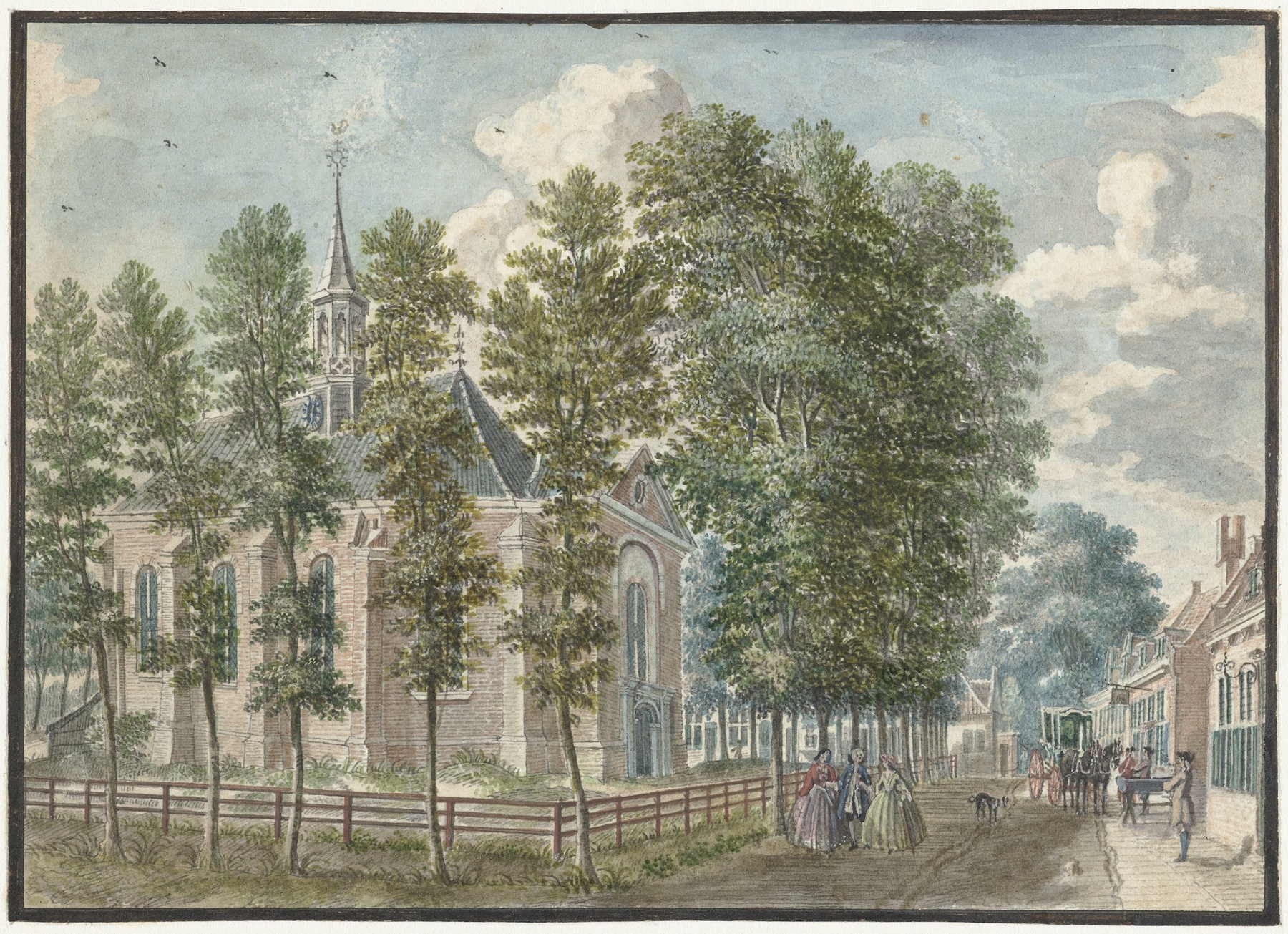
Could beauty survive in a century of chaos? The delicate interplay of light and structure suggests an answer as Jan de Beijer's Het Huis te Baek invites us into a world where tranquility reigns amidst uncertainty. Focus on the bright light cascading over the quaint house, illuminating its intricate details, inviting you to explore its warm, inviting facade. The carefully rendered trees frame the scene, their lush greens contrasting with the soft blues of the sky and the muted earth tones of the house.
The composition draws the eye toward the inviting entrance, where the play of light and shadow dances across the architecture, revealing a masterful command of perspective and a deep understanding of nature. Beneath the surface, there is an emotional tension between the serene setting and the historical context of its creation. Painted in 1743, this work emerges from a period marked by political strife and social upheaval in Europe. The idyllic scene becomes a refuge, a visual whisper of hope that suggests resilience through beauty.
The house stands not only as a physical structure but as a metaphor for stability in a tumultuous world, where light symbolizes clarity amid chaos. At the time Jan de Beijer painted this piece, he was navigating the complexities of the Dutch Golden Age. The art world was alive with developments in landscape painting, yet Beijer's focus on light and architecture reflects a moment of personal expression within the broader narrative of artistic evolution. This piece stands as a testament to his ability to capture the essence of a serene moment, even as the world around him was fraught with turmoil.