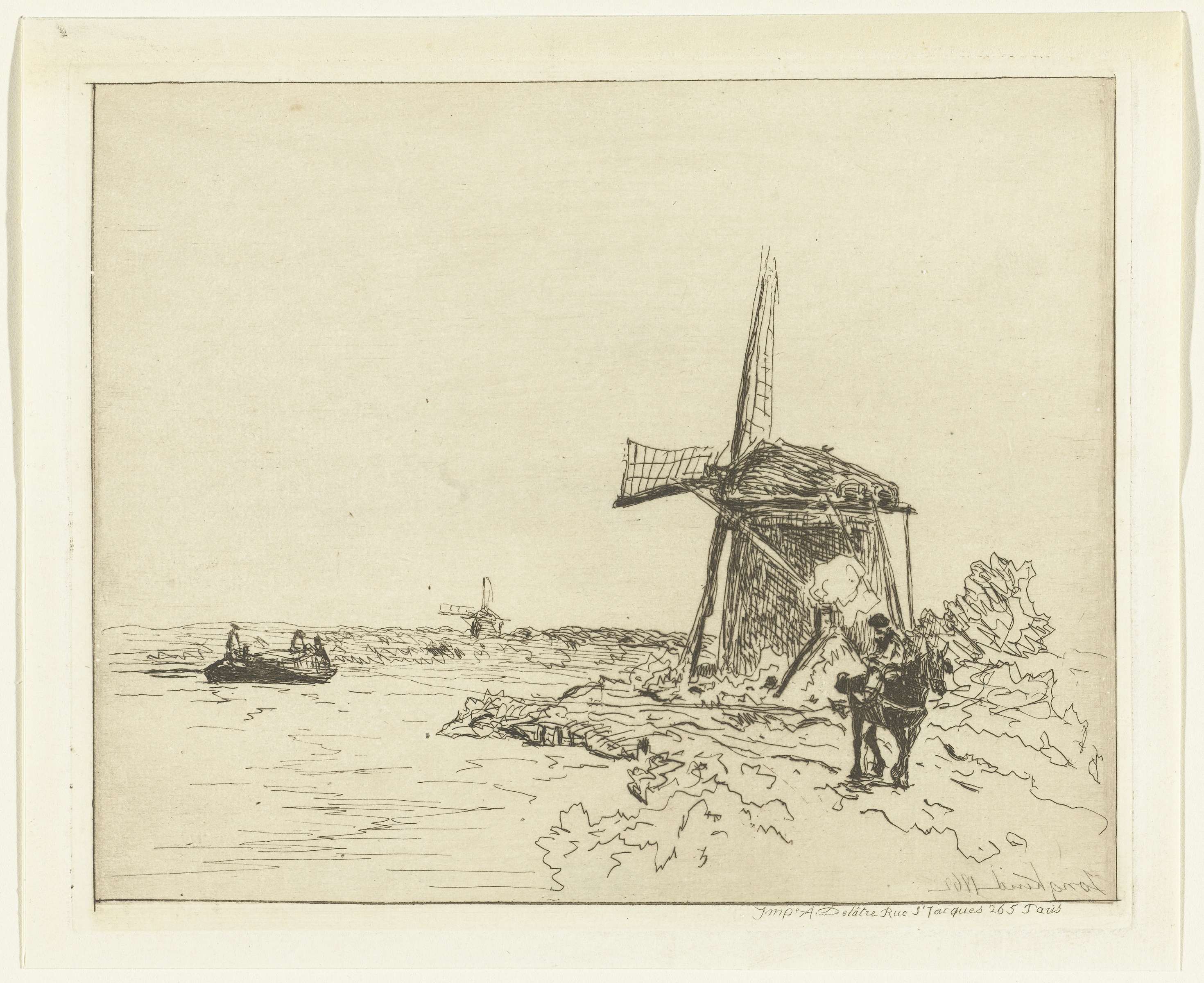
Het jaagpad — History & Analysis
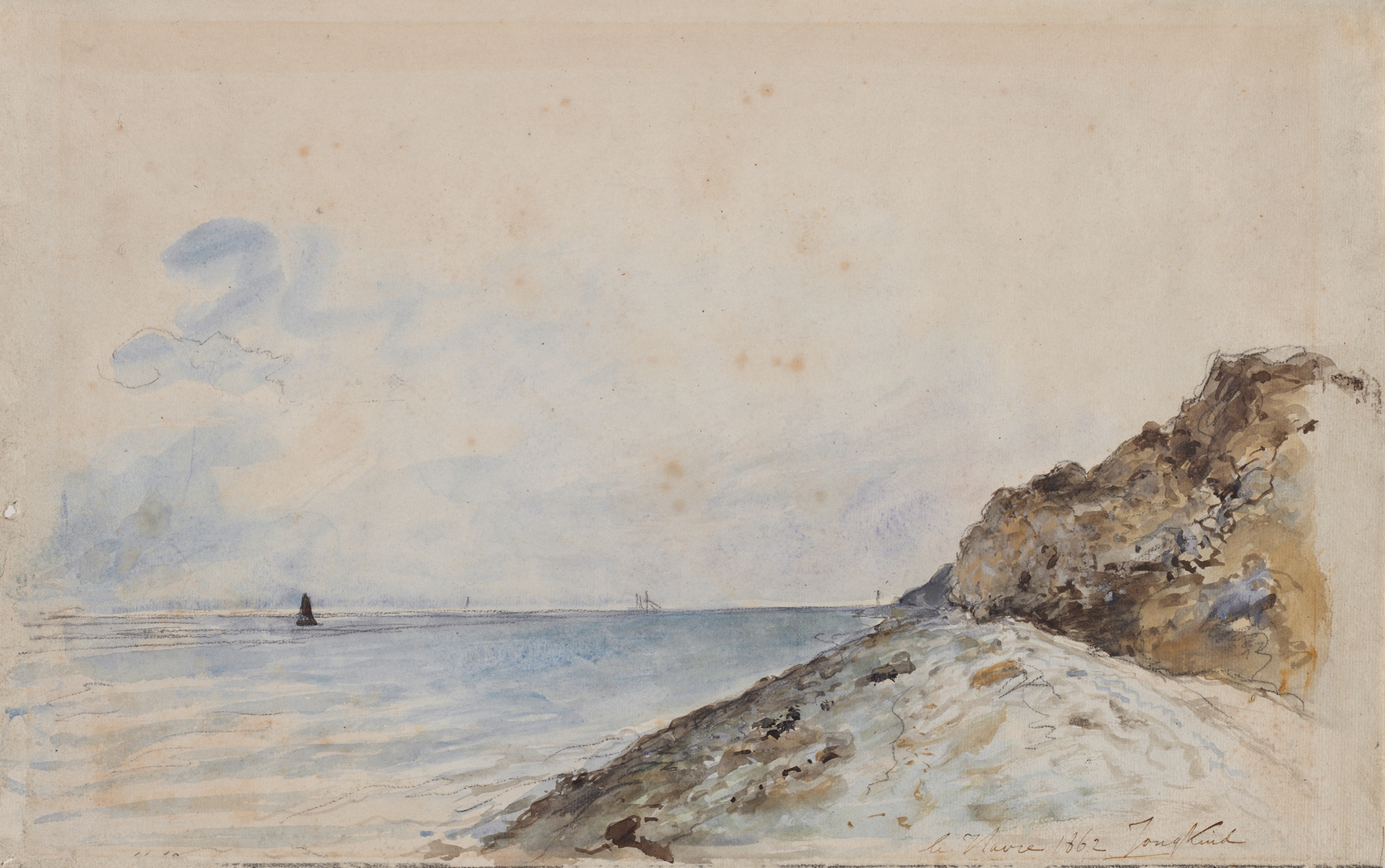
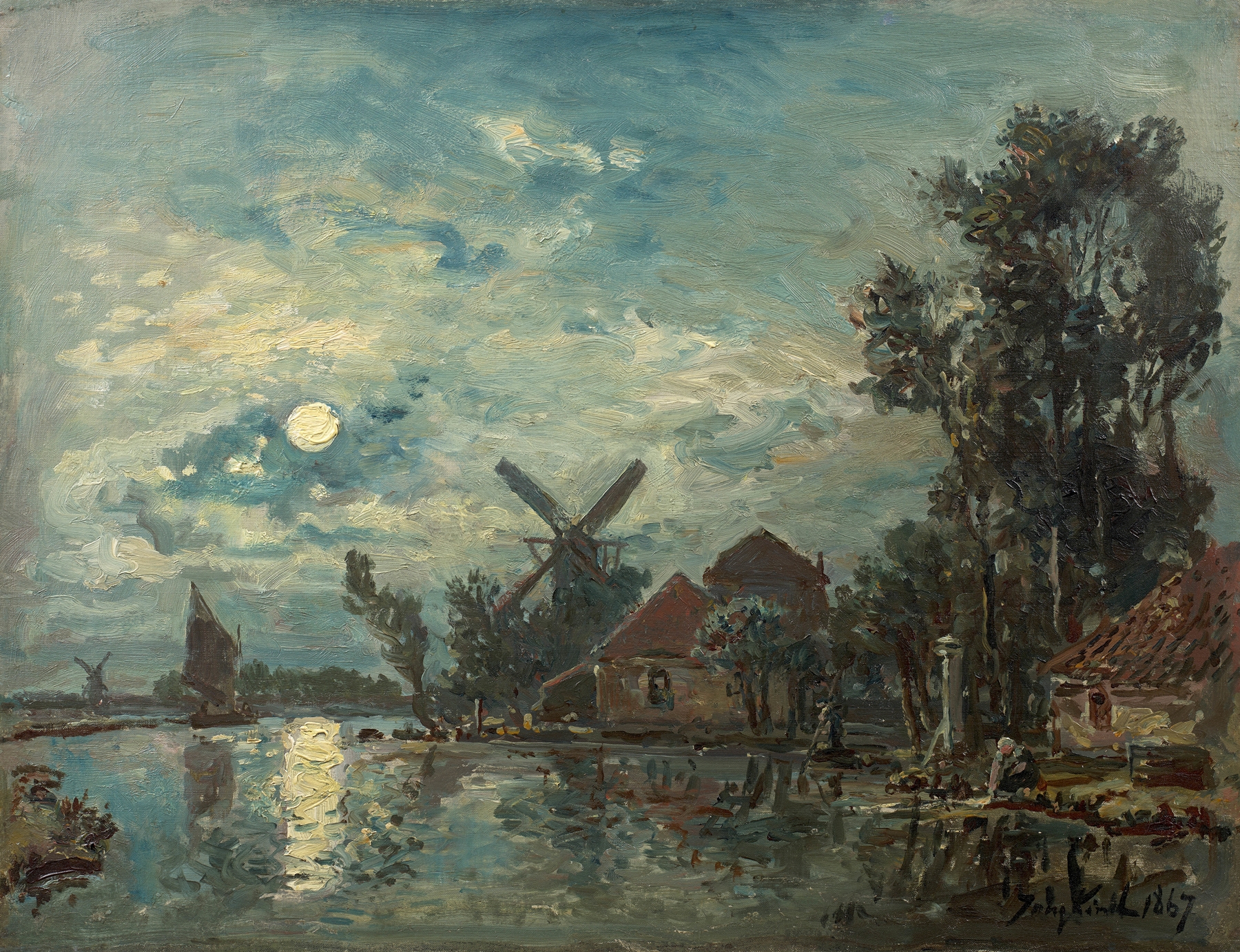
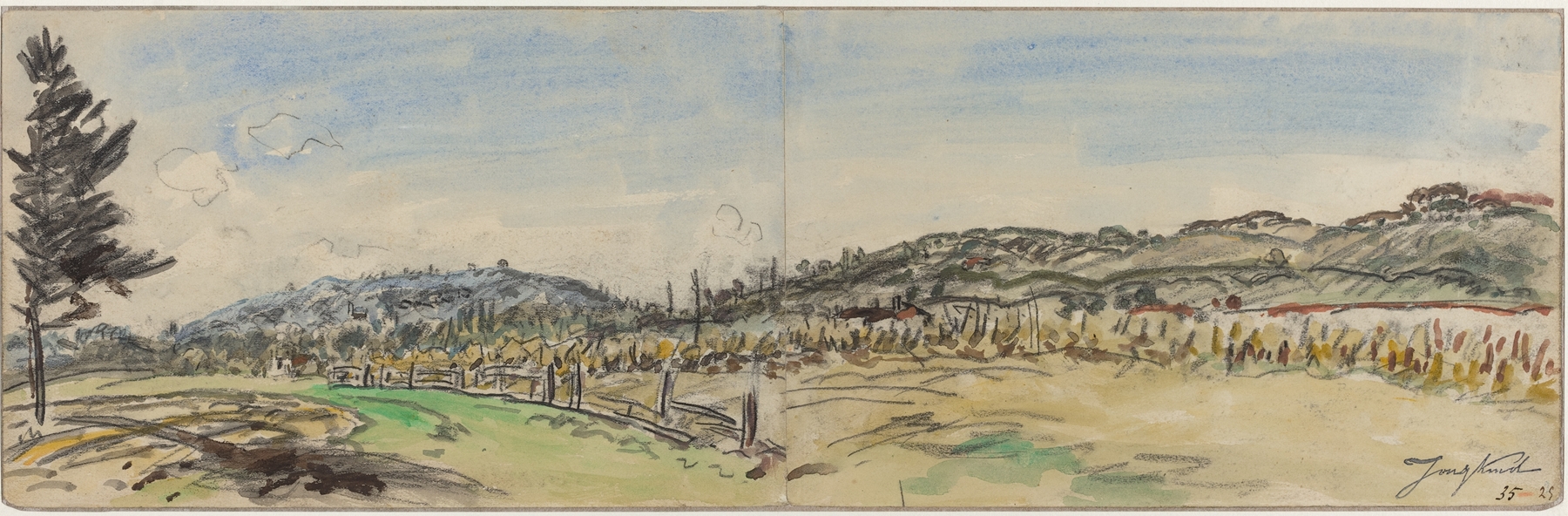
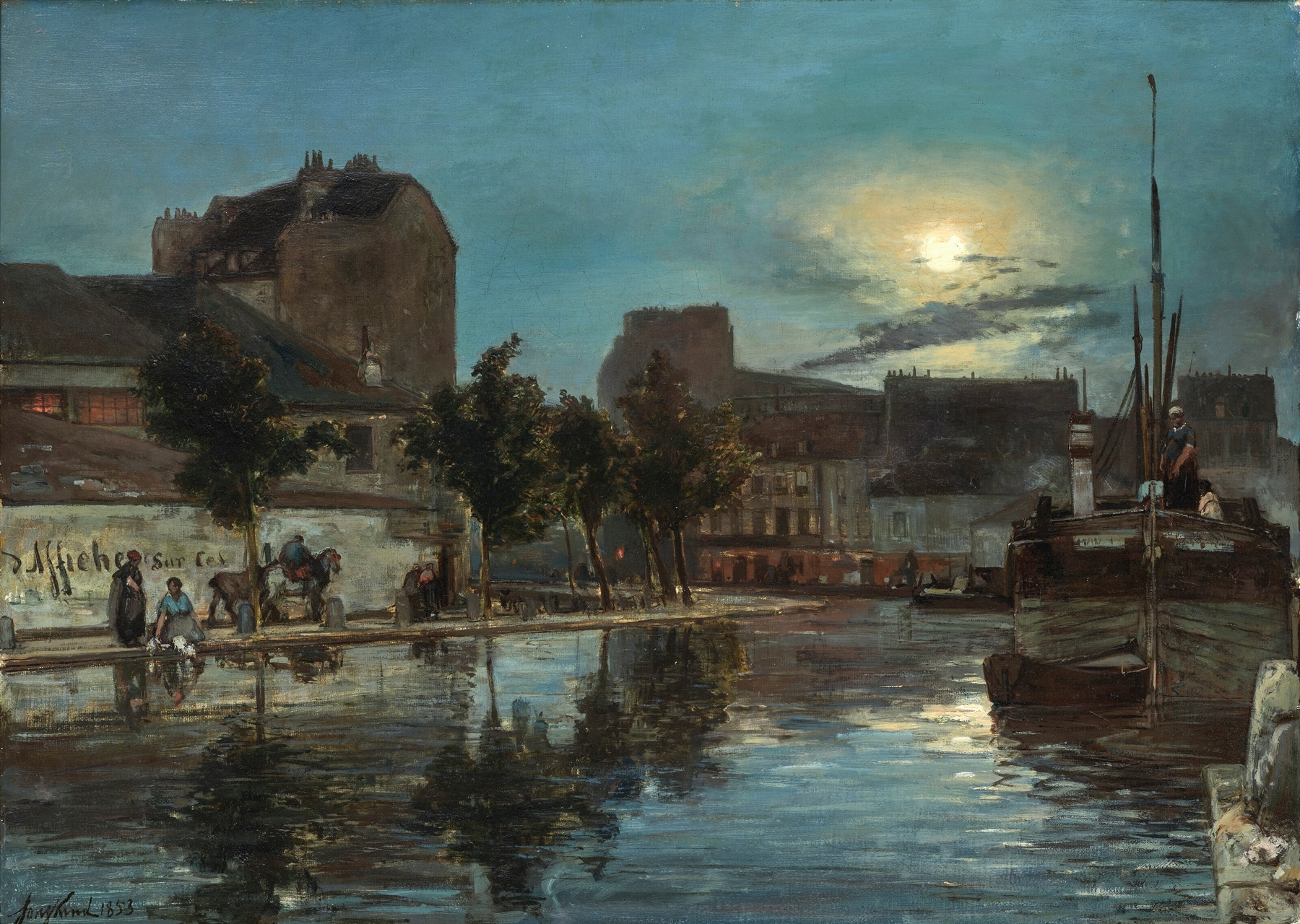
“Every silence here is a confession.” In the stillness of a path not yet traveled, echoes of awe linger like morning mist, inviting contemplation and wonder. Focus on the left where the serene landscape stretches, revealing a winding path that draws the eye toward an unseen horizon. The soft brushwork captures delicate nuances of light, with warm golden hues blending seamlessly into cooler blues and greens, creating a balance between earth and sky. Notice how Jongkind’s palette illuminates the scene, invoking an almost ethereal quality, as if time stands still within this quiet moment.
The juxtaposition of the narrow path against the expansive sky hints at both journey and introspection. Each stroke of paint seems to pulse with the tension between the vastness of nature and the intimacy of one’s own thoughts. The organic shapes of trees and foliage frame the composition, suggesting a protective embrace, while the path teases with uncertainty—an invitation to explore yet also a reminder of isolation.
Johan Barthold Jongkind painted this piece in 1862 while living in France, a period marked by his influential role in the development of Impressionism. Although his style was often overshadowed by contemporaries, Jongkind's mastery of light and color paved the way for future artists. During this time, he was transitioning from the traditional techniques he had learned to a more innovative approach that focused on capturing the fleeting qualities of nature.