Het stoomschip met hulpzeilvermogen ‘Henry Edye’ van de White Cross Line — History & Analysis
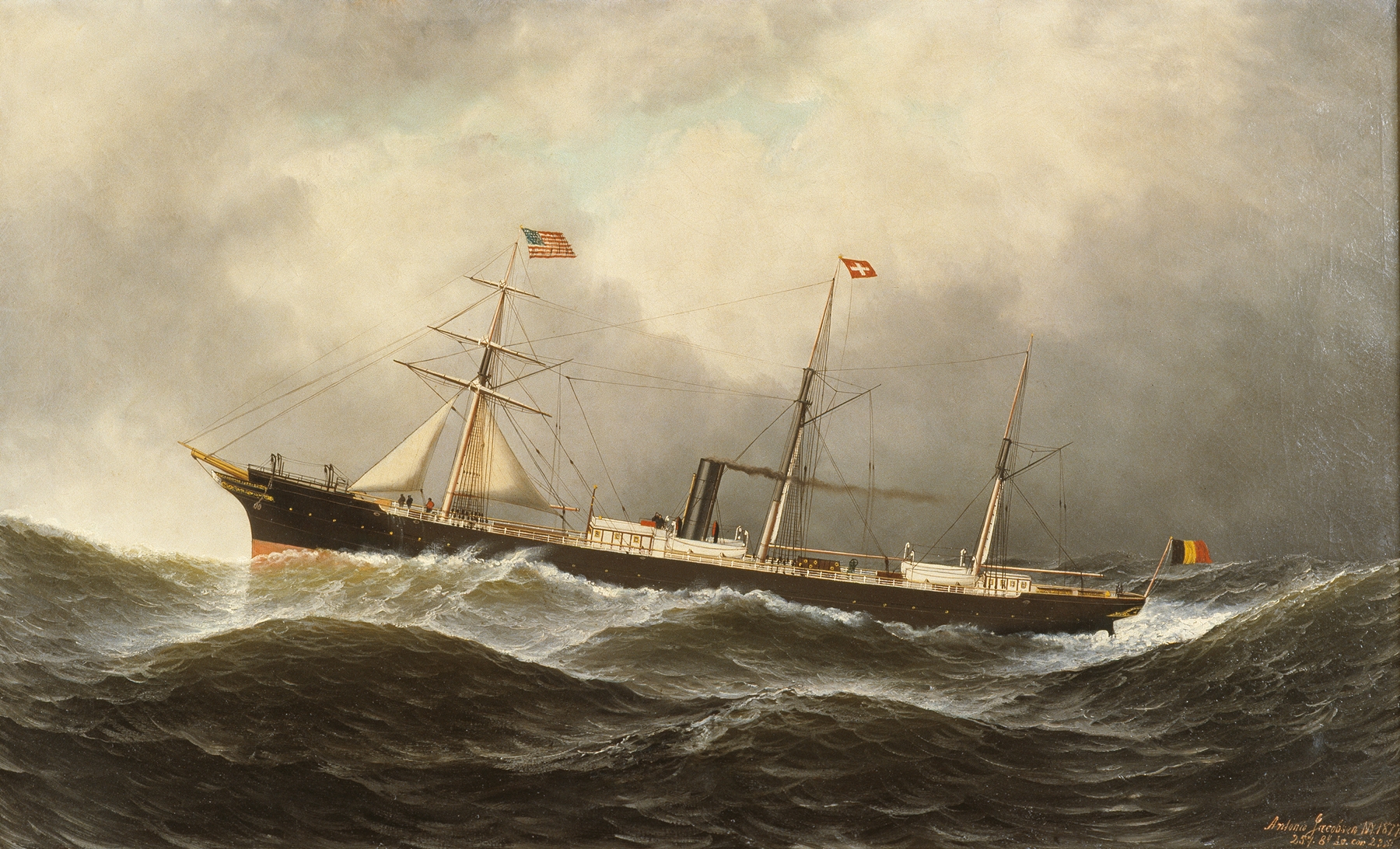
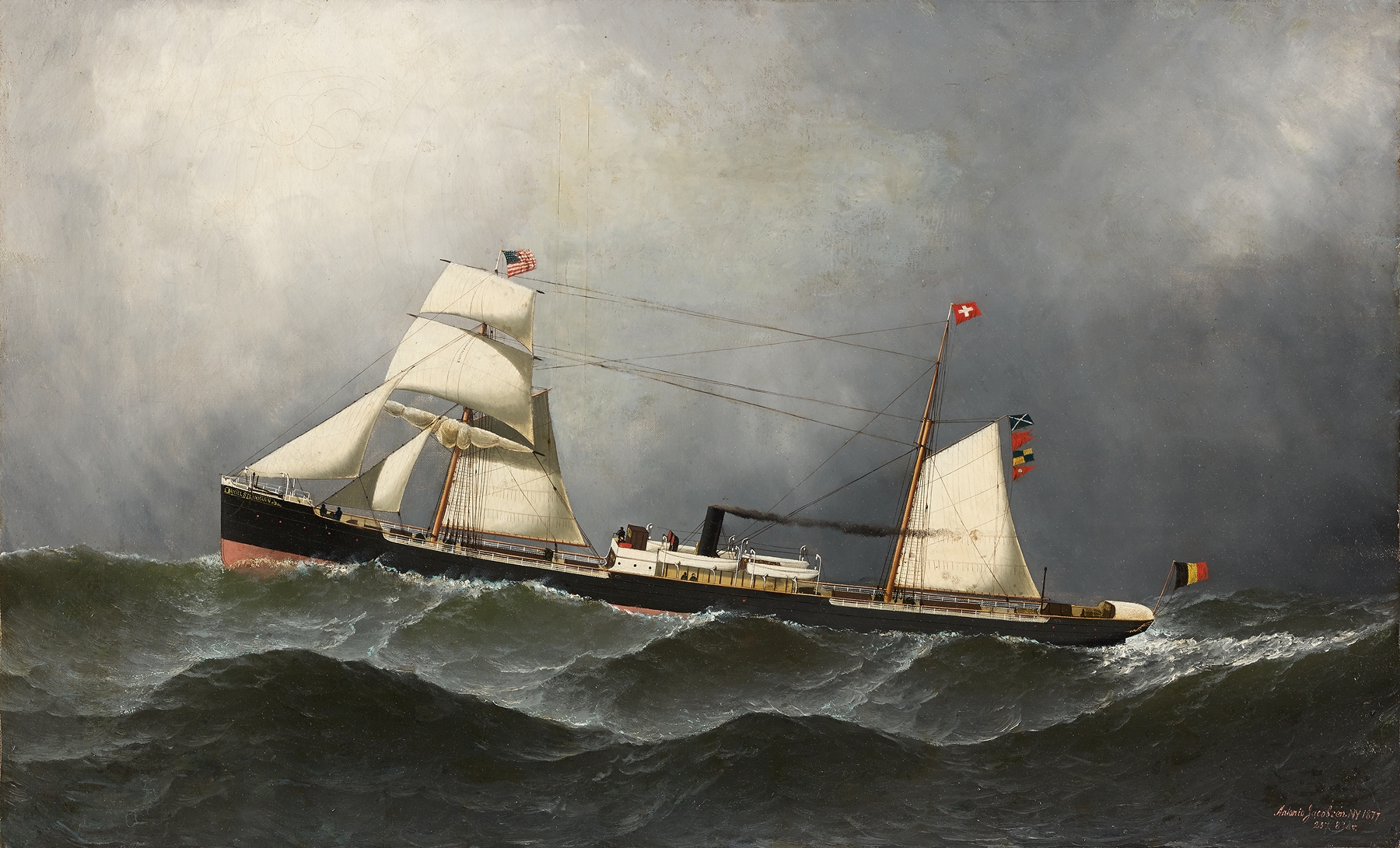
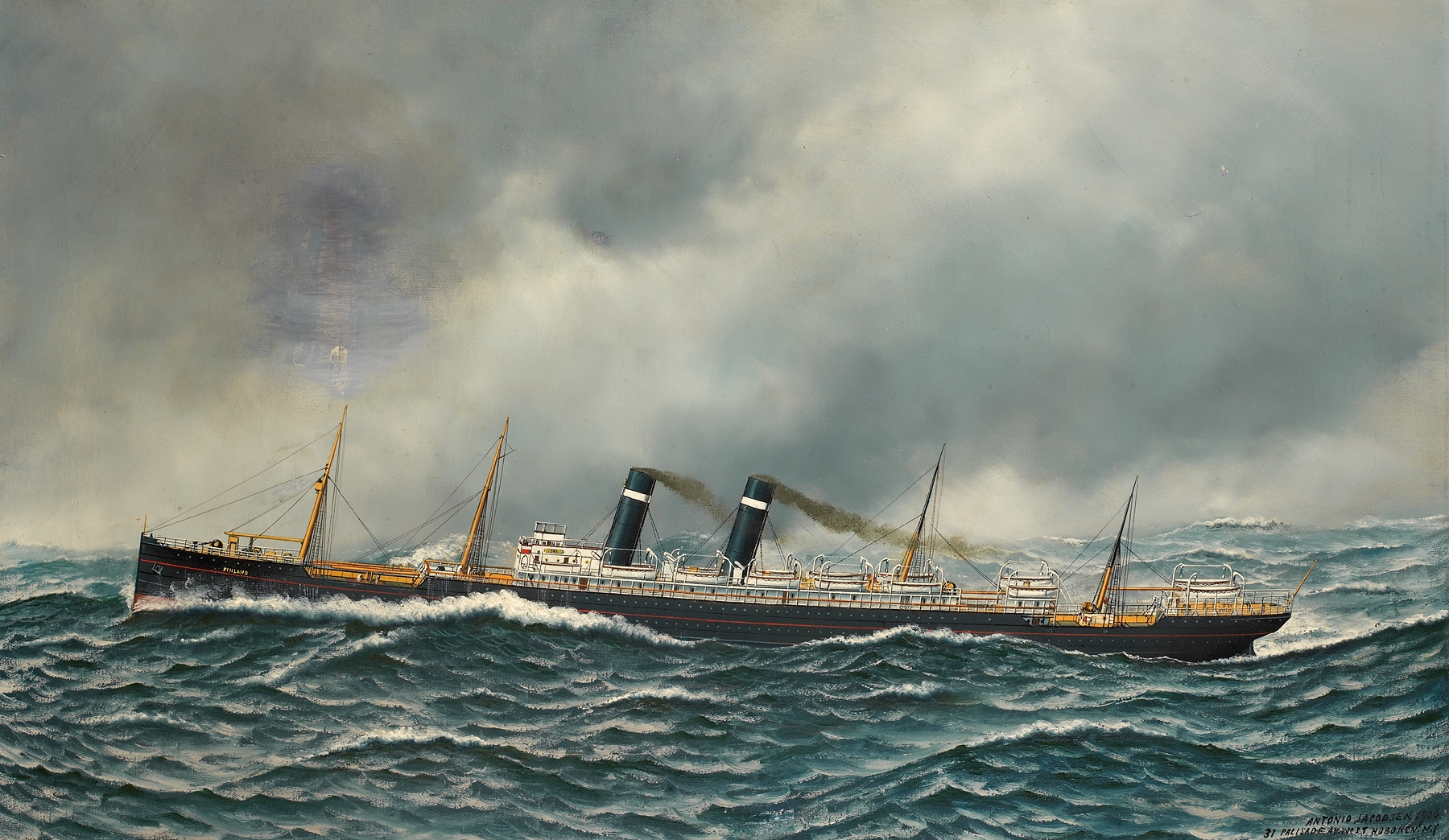
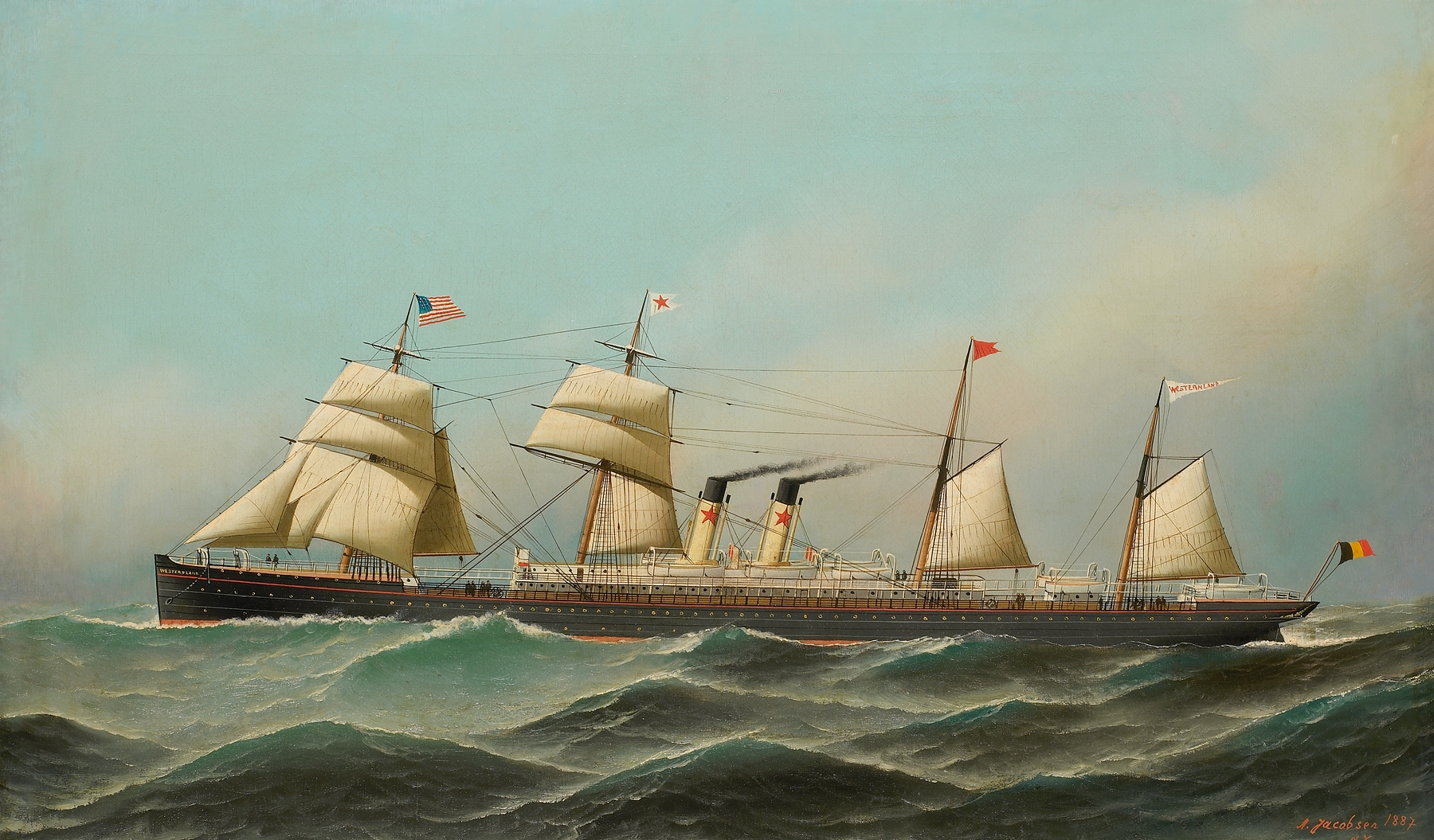
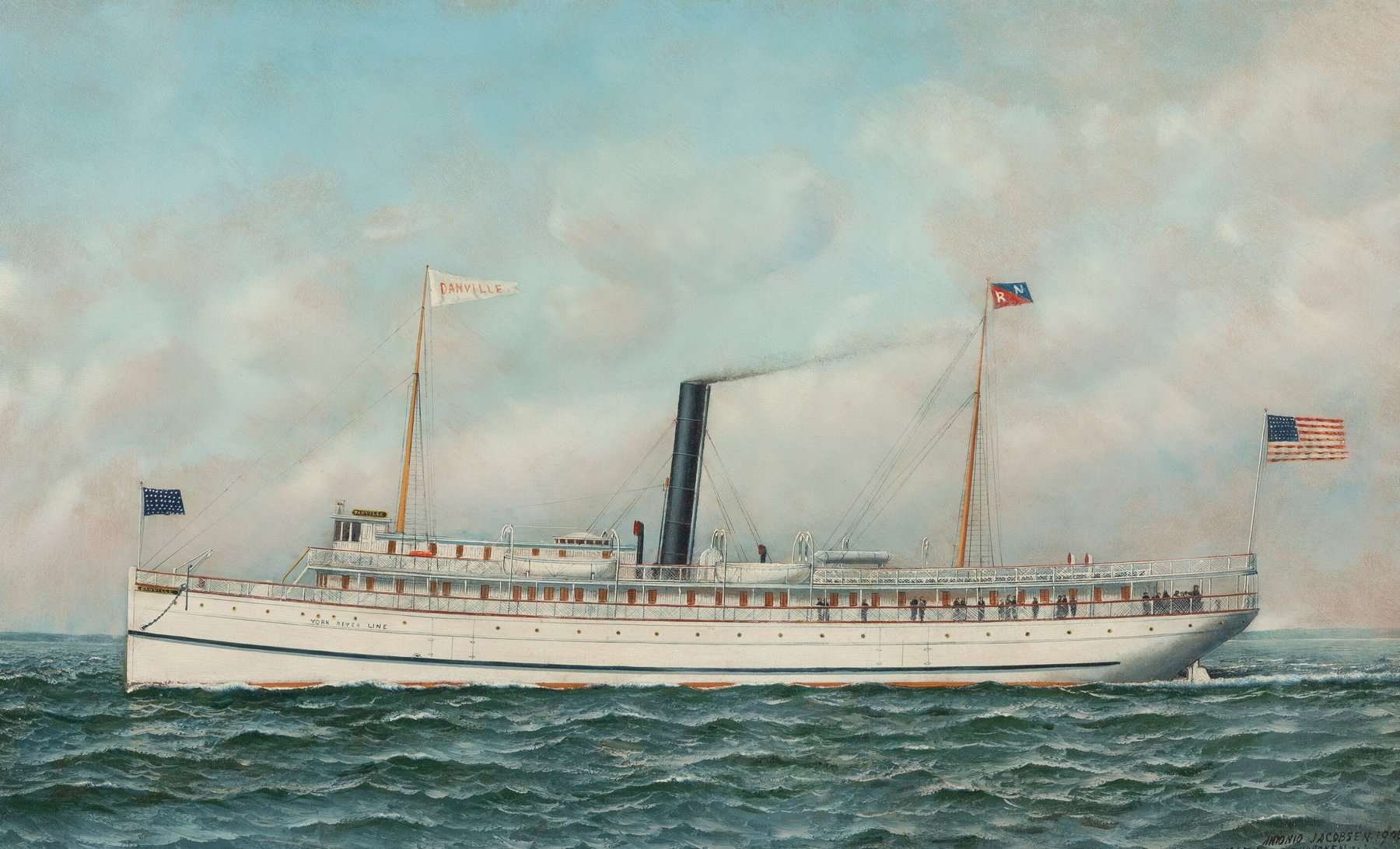
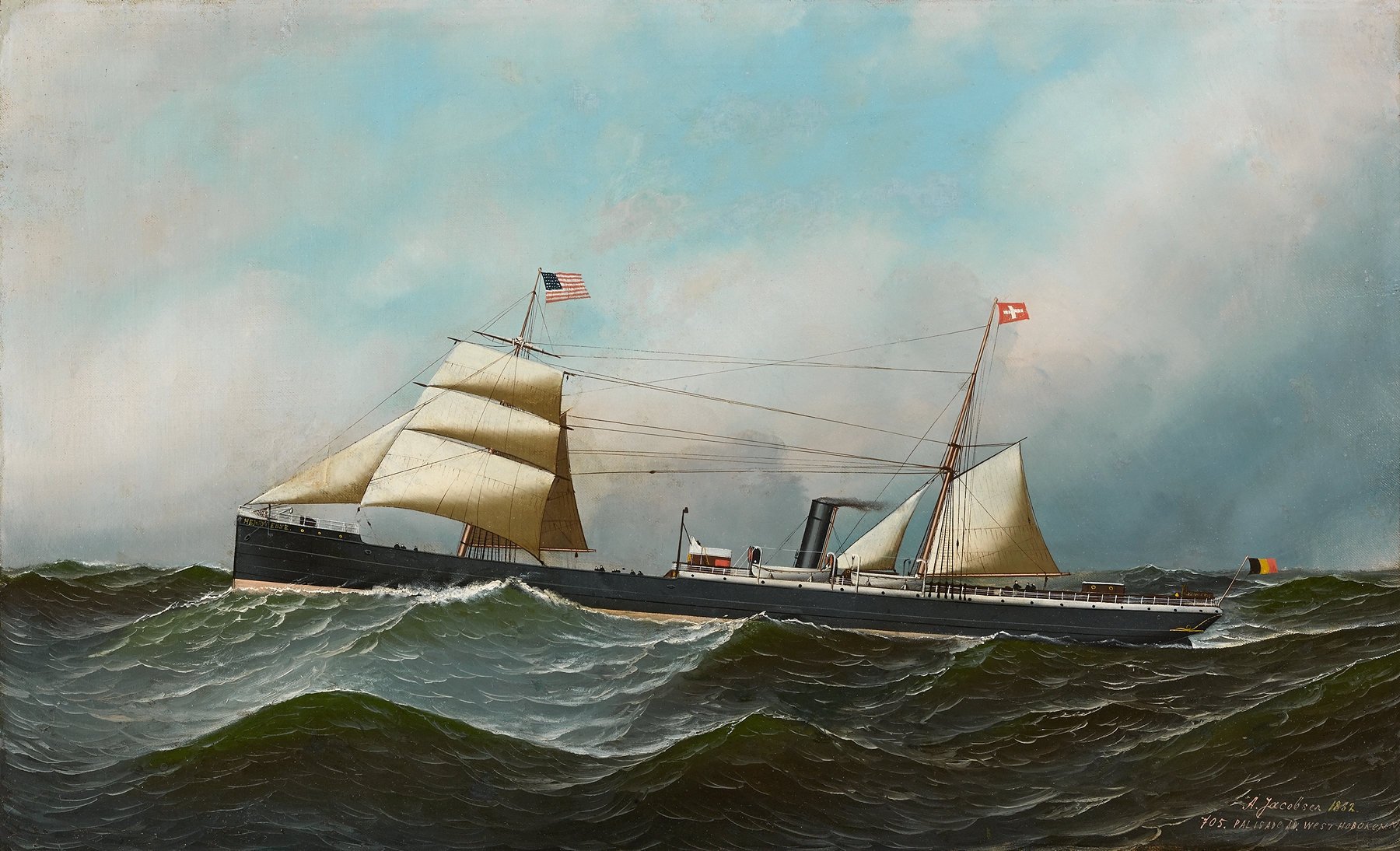
“Between color and silence, truth hides.” This notion echoes through the canvas, suggesting a delicate interplay between rebirth and the passage of time. A ship, like a phoenix rising, is poised against a backdrop of endless potential. Focus on the majestic steamship, Henry Edye, gliding effortlessly across the water. Notice how the subtle palette captures the serenity of the sea, with soft blues and greens harmonizing beautifully. The meticulous detailing of sails and steam puffs contrasts with the expansive sky—a reminder of the vessel's dual nature, both a man-made marvel and a product of nature’s forces.
The artist's brushwork creates a sense of movement, drawing the eye toward the horizon as if inviting us to journey alongside the ship. Beneath the surface, the painting speaks to the resilience of innovation in an era of transformation. The ship embodies not just a physical voyage, but an emotional journey—the struggle between progress and the echoes of tradition. The interplay of light and shadow hints at the duality of industry: the promise of advancement entwined with the potential for disruption.
This tension gives the image a pulse, as if the ship is both a symbol of rebirth and a vessel carrying past legacies into the future. Antonio Jacobsen painted Henry Edye in 1882, during a time when maritime technology was rapidly evolving. Based in New Jersey, Jacobsen was known for his ship portraits, capturing the essence of vessels that played pivotal roles in commerce and adventure. This period marked a significant chapter in maritime history, where steam power was eclipsing traditional sailing ships, reflecting a world on the brink of modernity.