Het schip De Salamander — History & Analysis
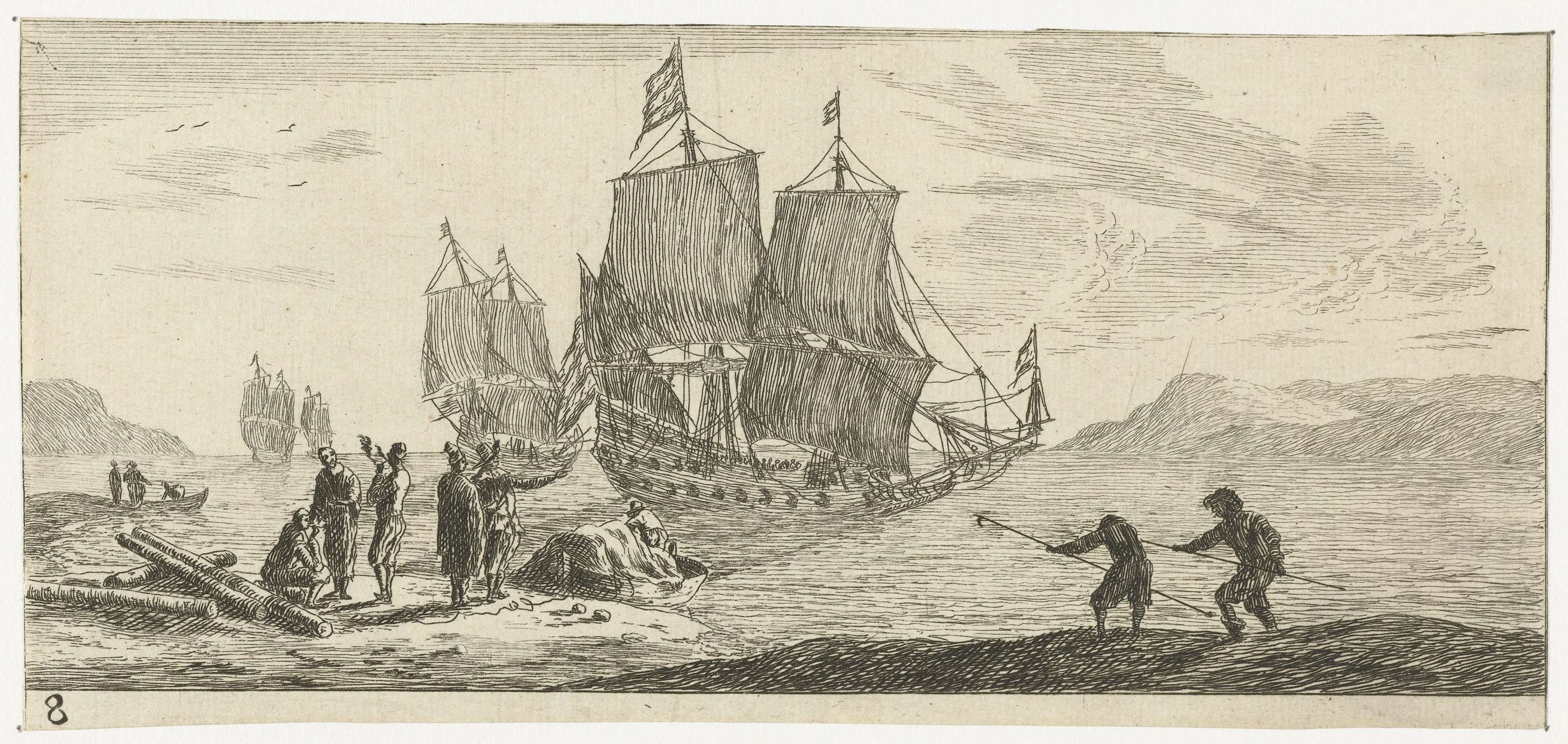
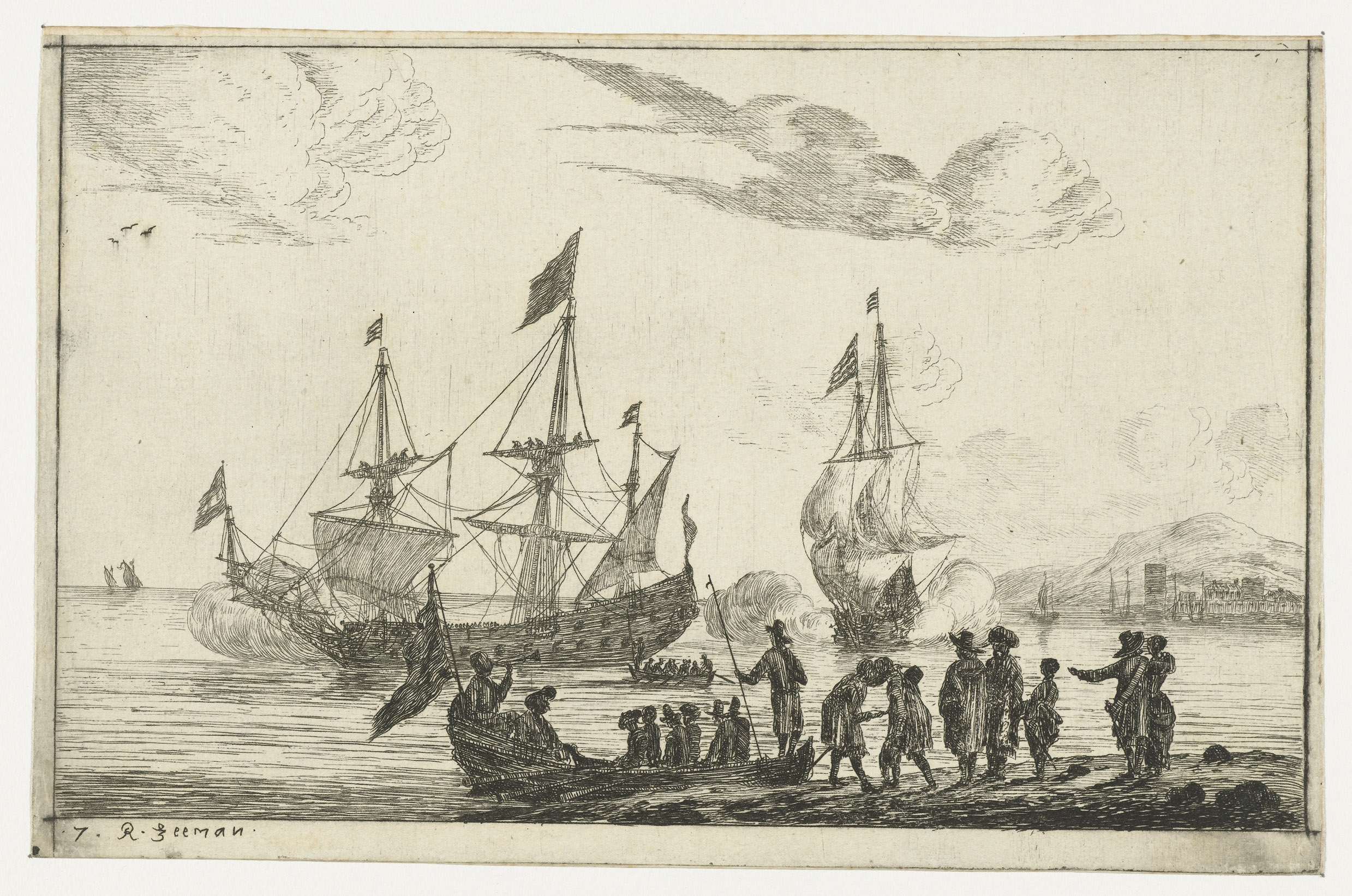
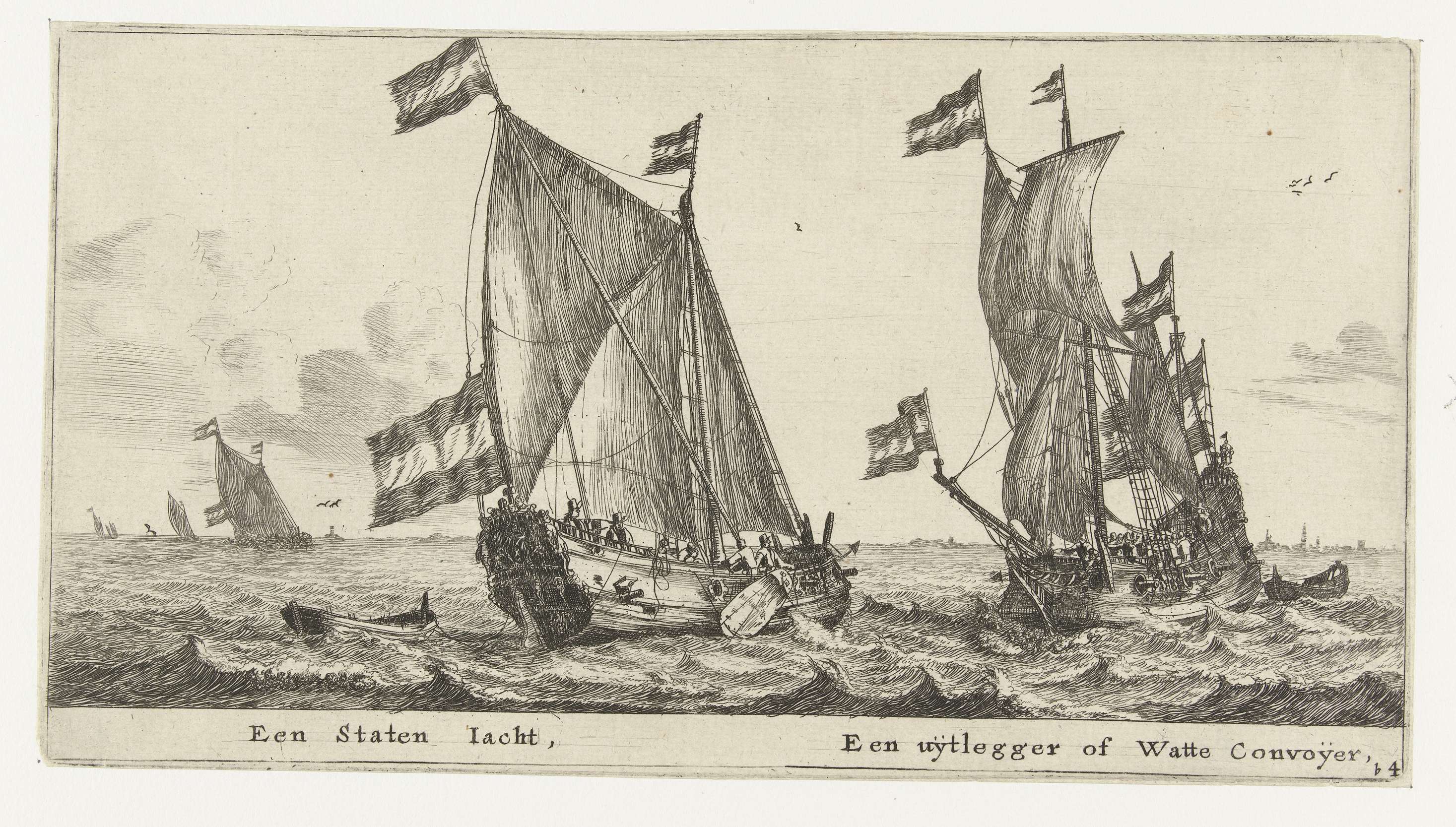
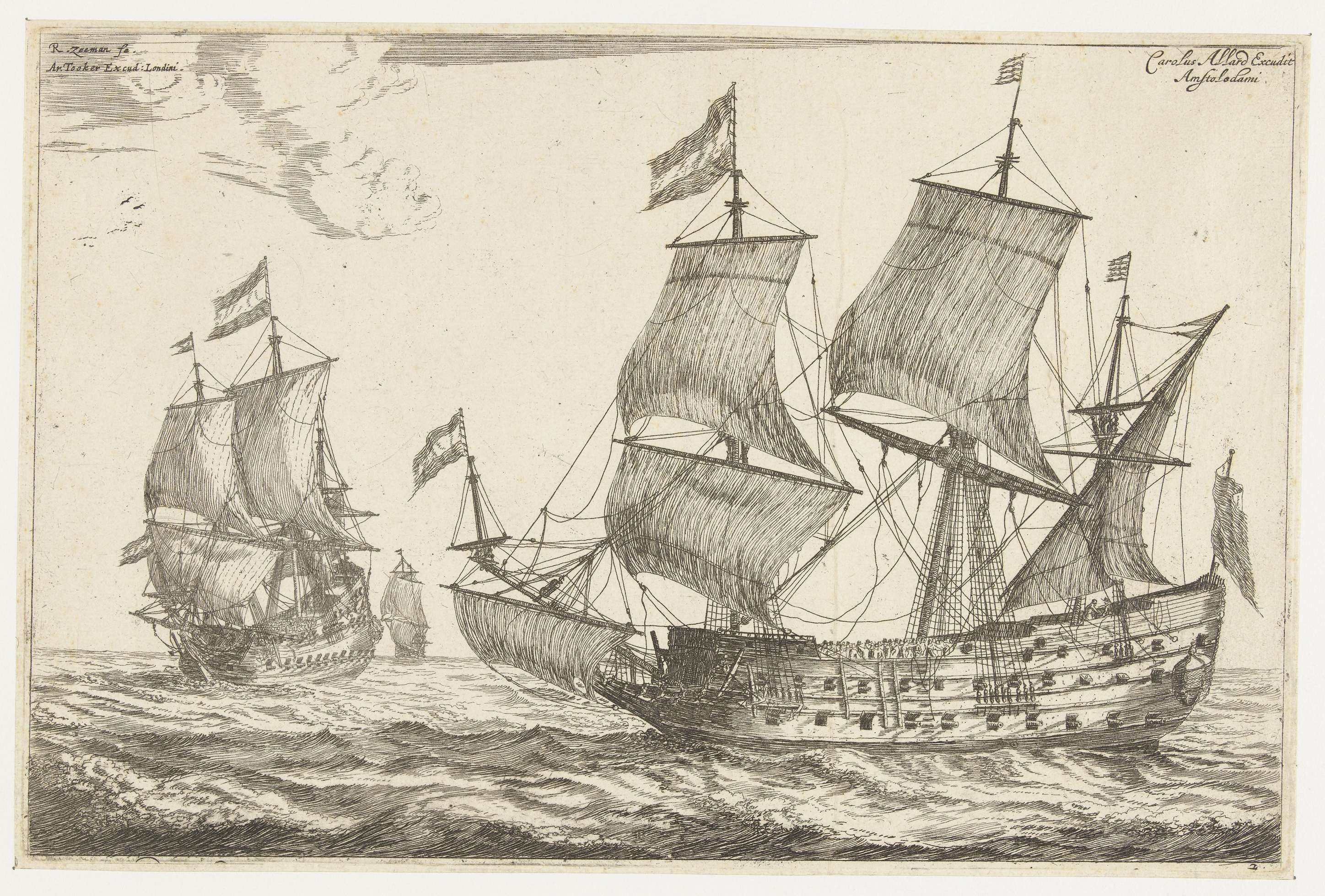
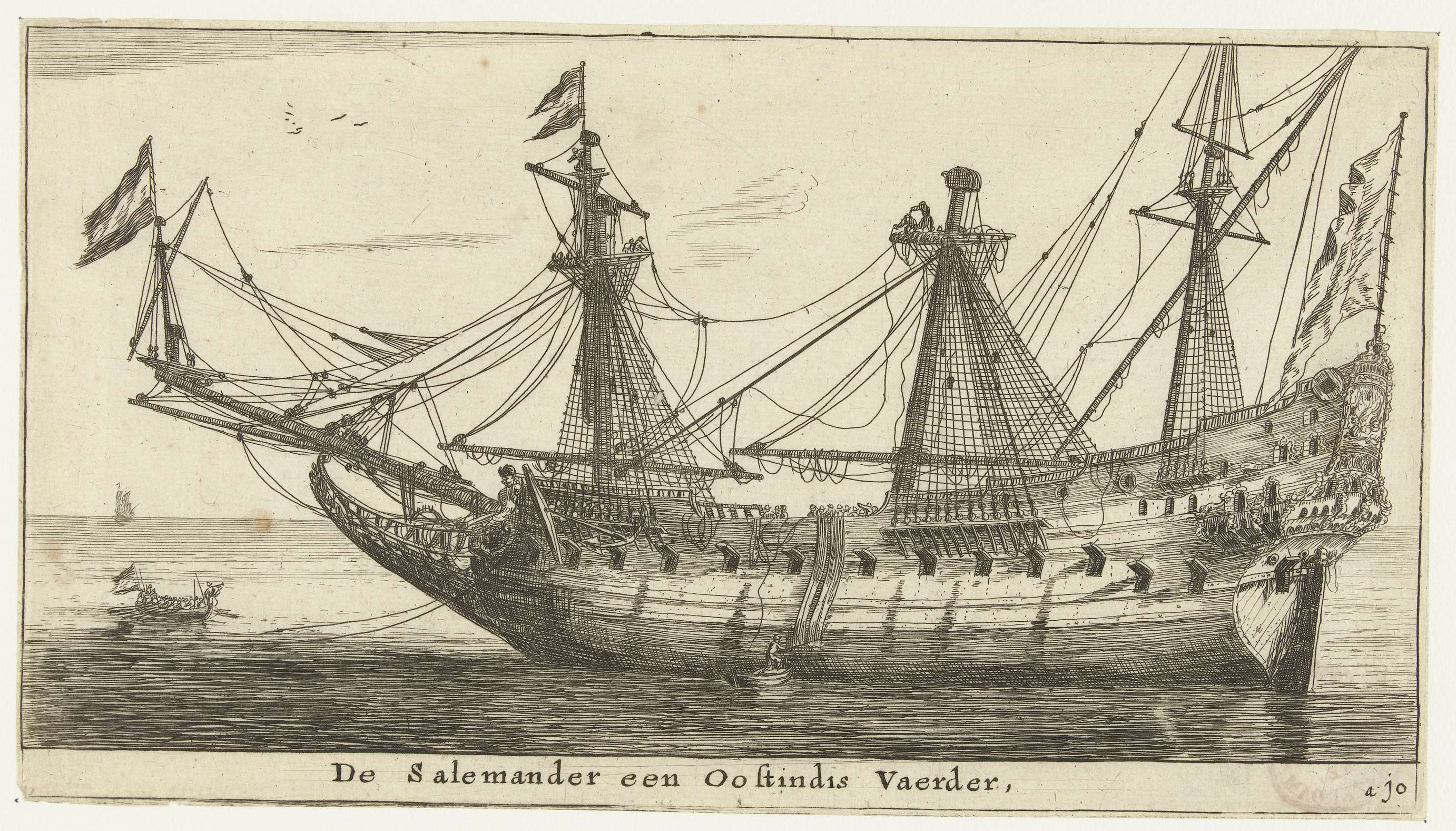
What if beauty was never meant to be finished? The interplay of truth and imperfection weaves a tapestry across the canvas, inviting contemplation. Look to the left at the majestic ship, De Salamander, its sails billowing against a sky that dances with light and shadow. Notice how the artist meticulously captures the details of the vessel's rigging, the texture of the wooden hull gleaming under the warm sun.
The blue hues of the water lend a tranquil depth, contrasting sharply with the dynamic brushwork of the clouds swirling above, creating a sense of movement that draws the eye across the entire composition. Delve deeper into the subtleties of the scene: the way the ship’s reflection shimmers in the water hints at the duality of existence—reality versus perception. Observe the almost imperceptible ripples beneath the surface, suggesting that what lies beneath is just as significant as what is above. This tension between surface beauty and concealed truths resonates throughout the painting, inviting viewers to explore the layers of meaning inherent in maritime journeys and the human experience.
Reinier Nooms created this piece between 1652 and 1654 during a period of flourishing maritime trade in the Netherlands. As a skilled marine painter, he was influenced by the vibrant seafaring culture of his time, capturing not only the vessels but also the spirit of adventure that defined an era. The work exemplifies the Dutch Golden Age, where artists sought to document the intricacies of life at sea, reflecting both the socio-economic realities and the romantic ideals of exploration.