Het Weense dubbelhuwelijk: Maximiliaan bespreekt met de koning van Hongarije en zijn broer de huwelijken tussen hun (klein)kinderen — History & Analysis
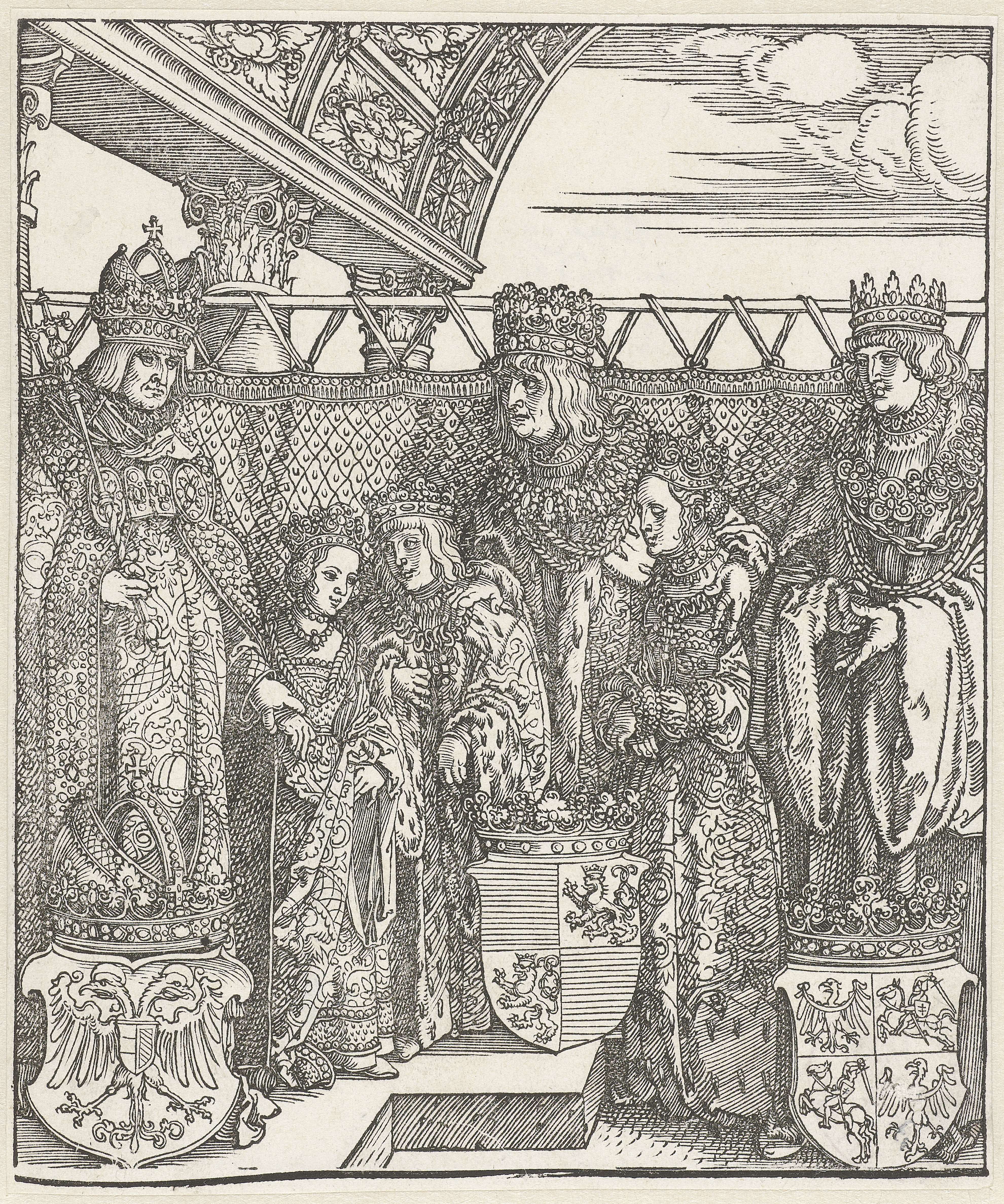
Is this a mirror — or a memory? In Het Weense dubbelhuwelijk, chaos thrums beneath the surface of a seemingly diplomatic meeting, where negotiation and legacy wrestle for dominance in the minds of those gathered. Look to the center of the composition, where Maximilian stands resolute, his arm extended in a gesture both commanding and inviting. Notice how the intricate patterns of his garments reflect not just wealth, but the complexity of alliances being formed.
The deep, rich colors of the robes blend with the softer hues of the background, creating an interplay that pulls the viewer into this moment of pivotal significance. The tension in the painting lies in the juxtaposition of the regal figures against the delicate details of their attire and surroundings. Each character's expression hints at underlying motives; the raised eyebrows, slight frowns, and narrowed eyes speak volumes about the stakes at hand. This gathering is not merely about love and marriage; it also encapsulates the intricacies of power and politics, as the future of their lineages hangs precariously in the balance.
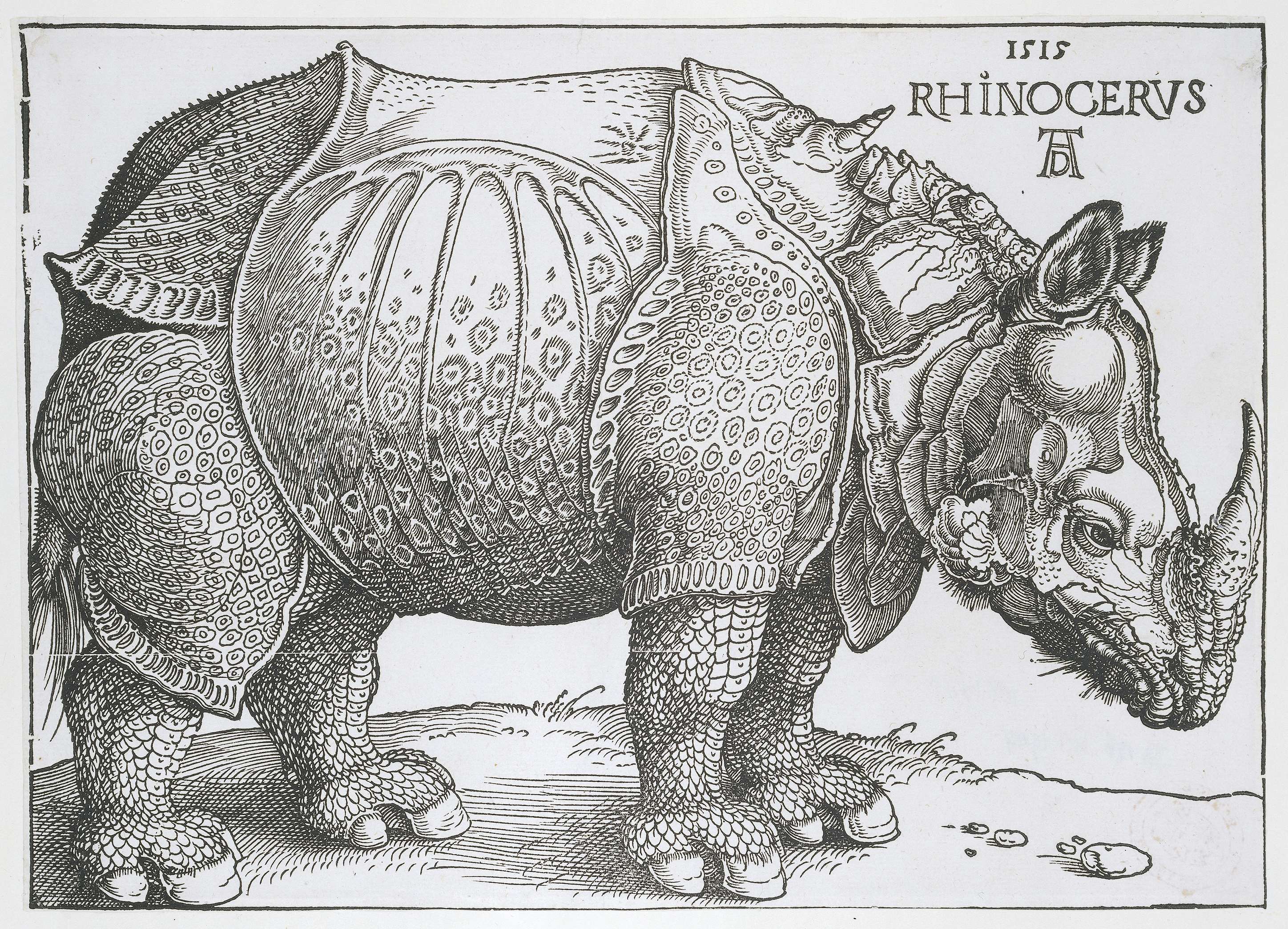
Albrecht Dürer painted this work in 1515 amid a flourishing period of Northern Renaissance art. He was navigating the transition between traditional medieval subjects and more humanist themes, influenced by his travels and encounters. Instantly recognizable for his meticulous detail and ability to infuse narrative depth, Dürer’s exploration of complex social themes was reflective of a turbulent Europe, where dynastic marriages could alter the course of history.