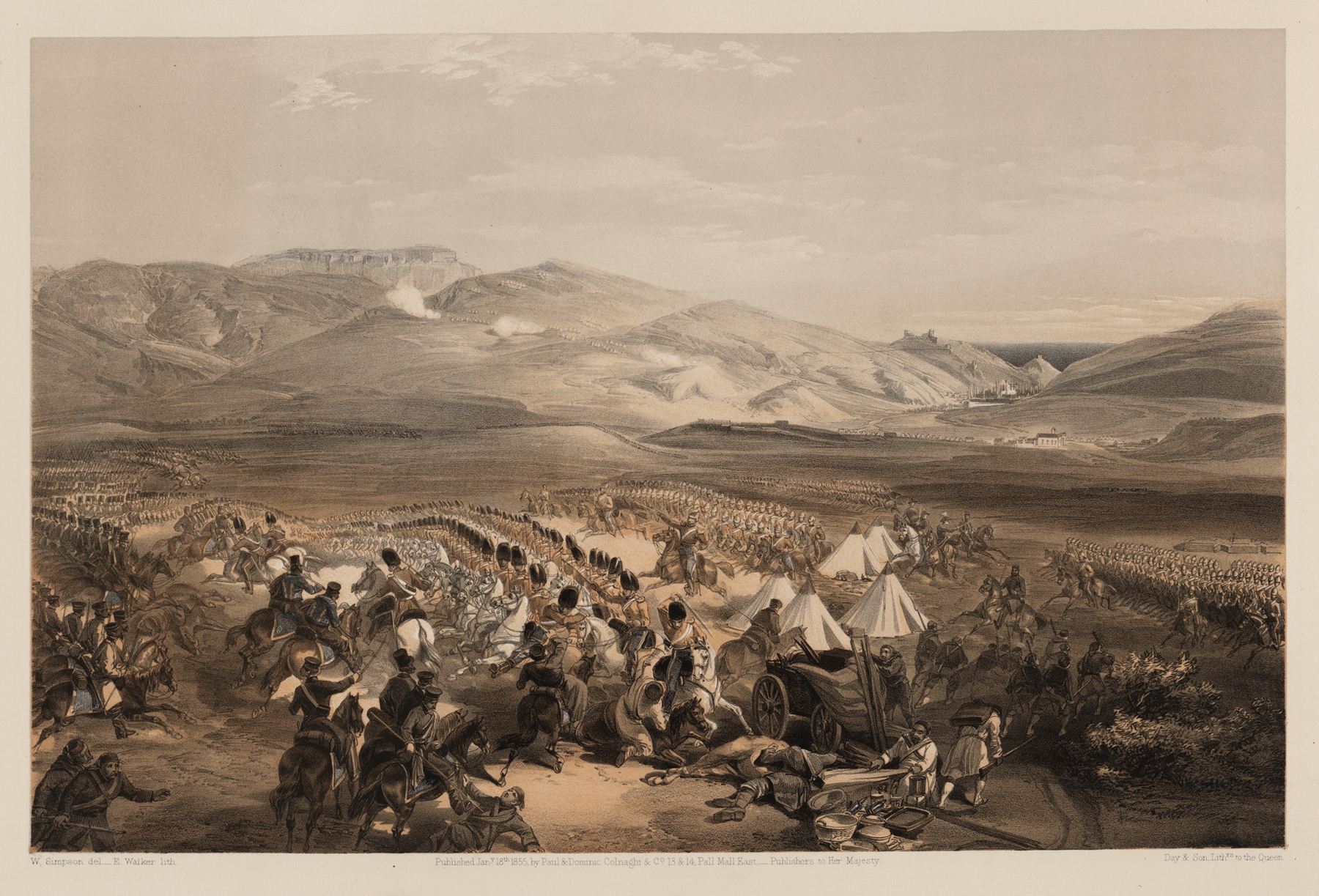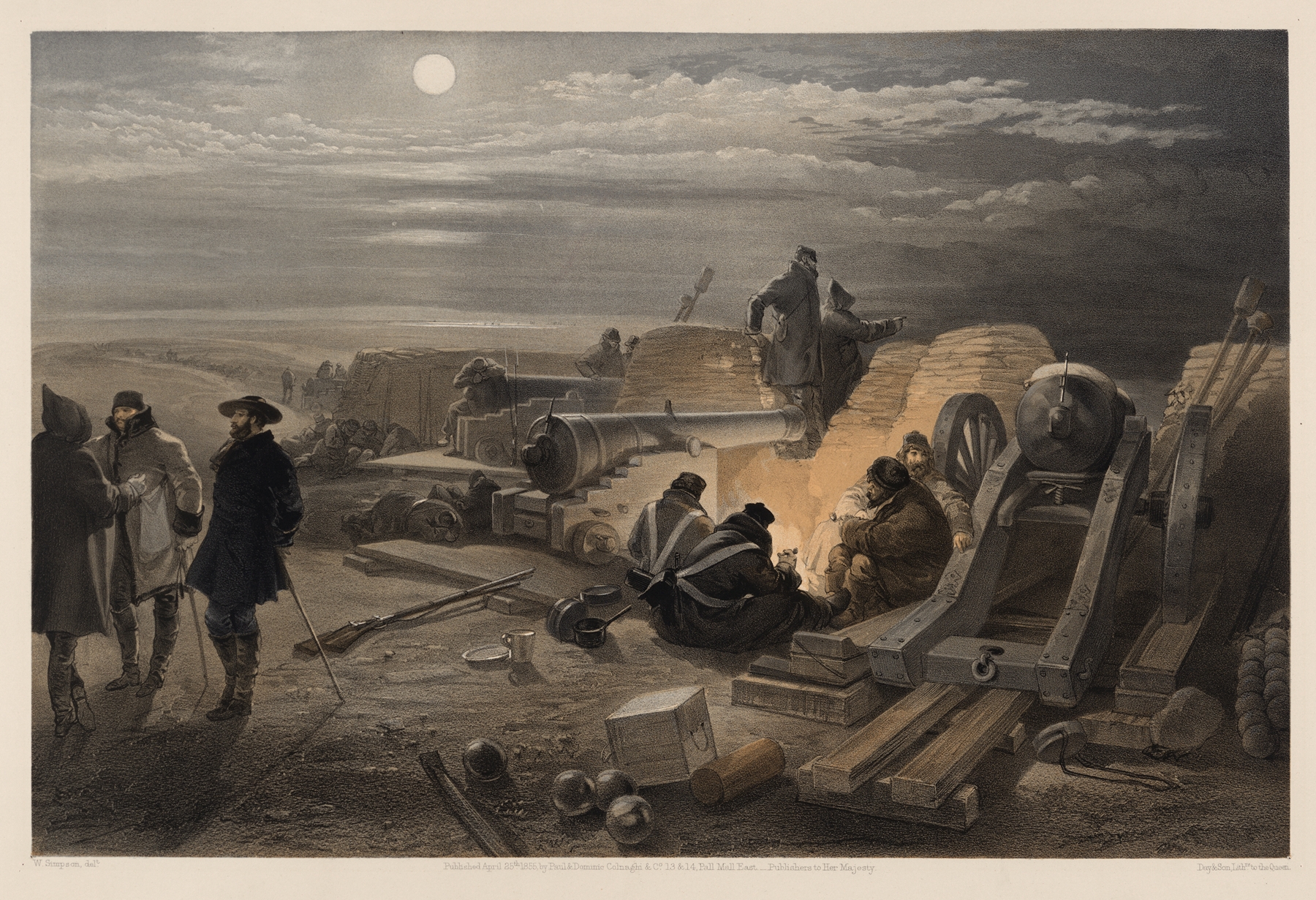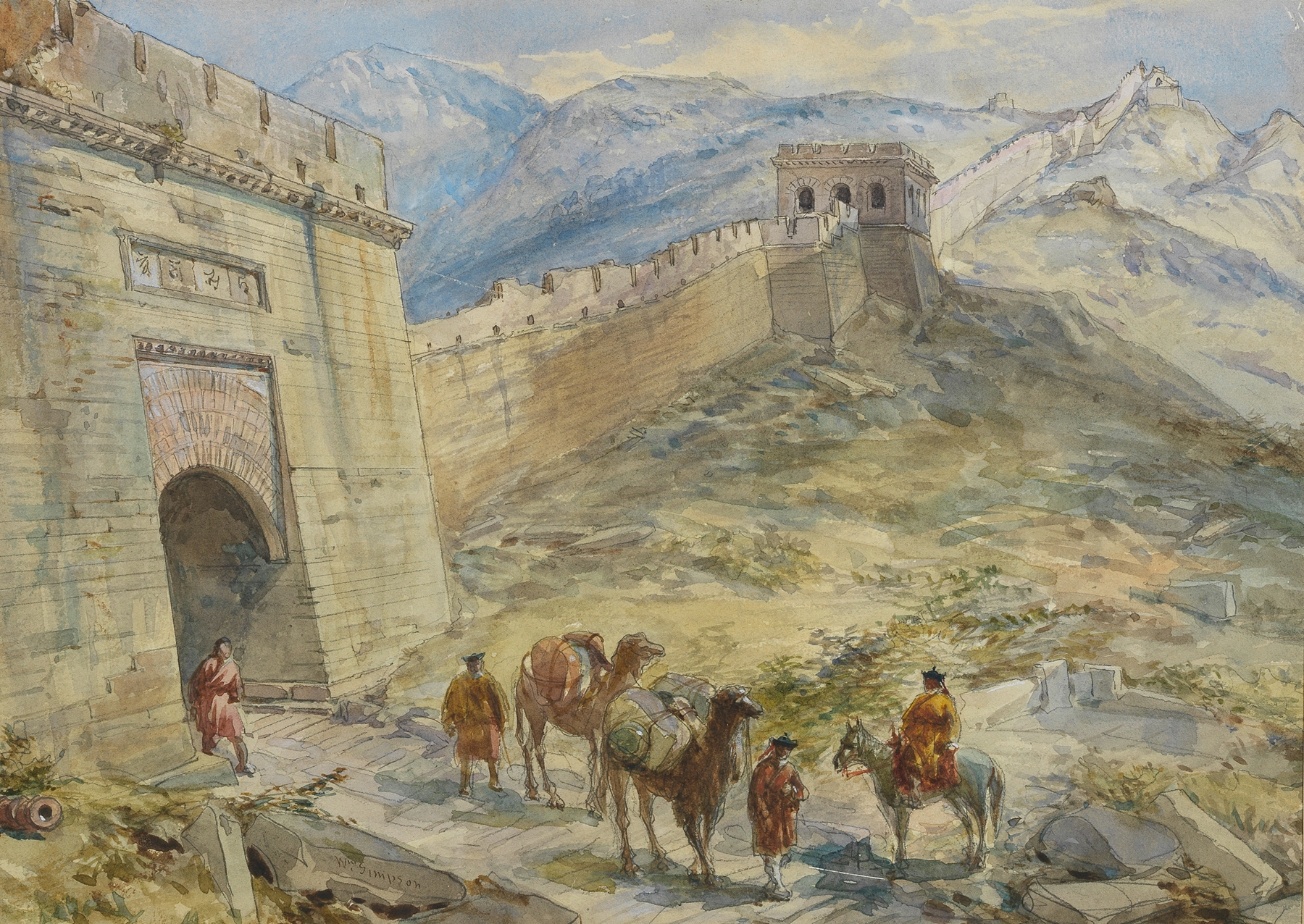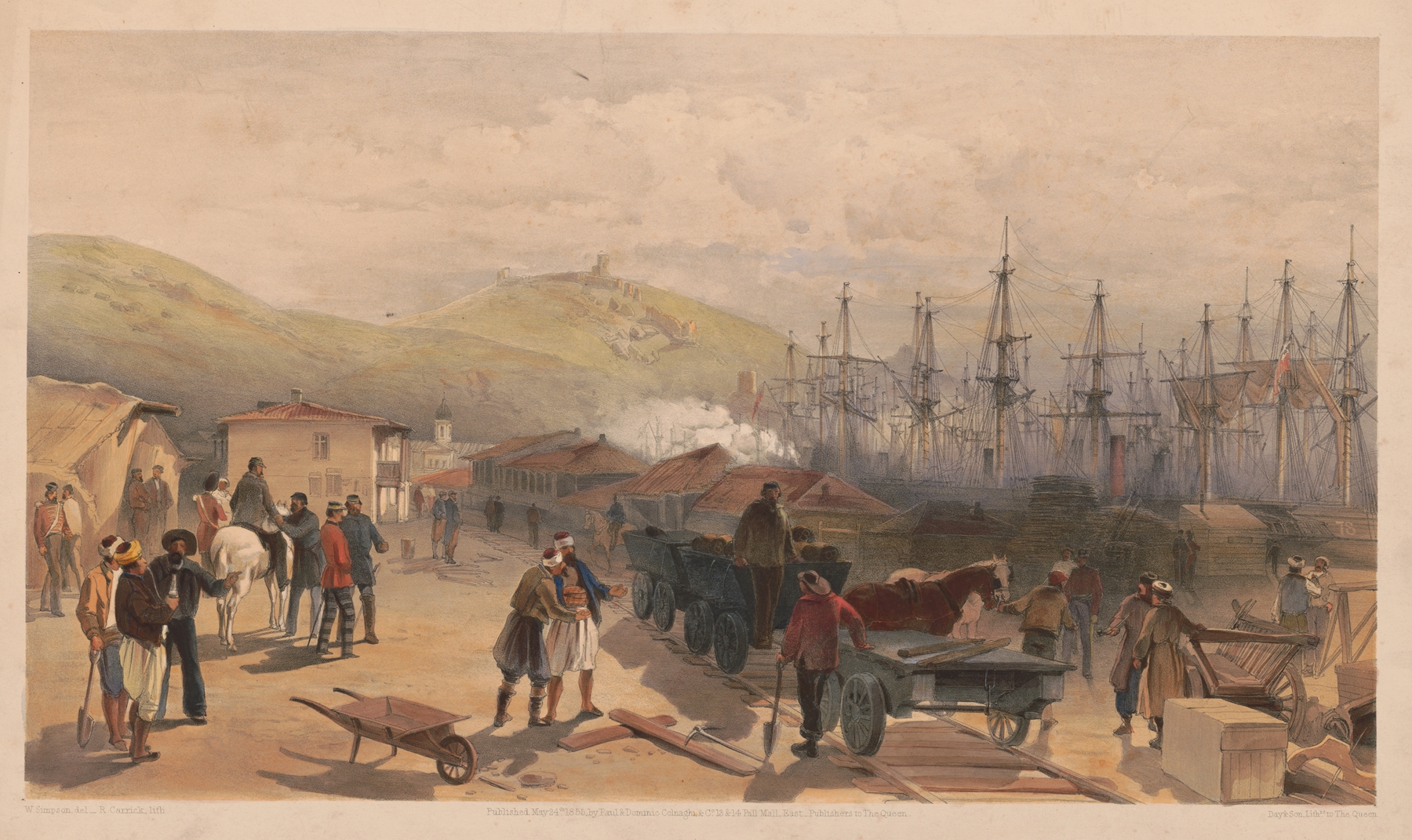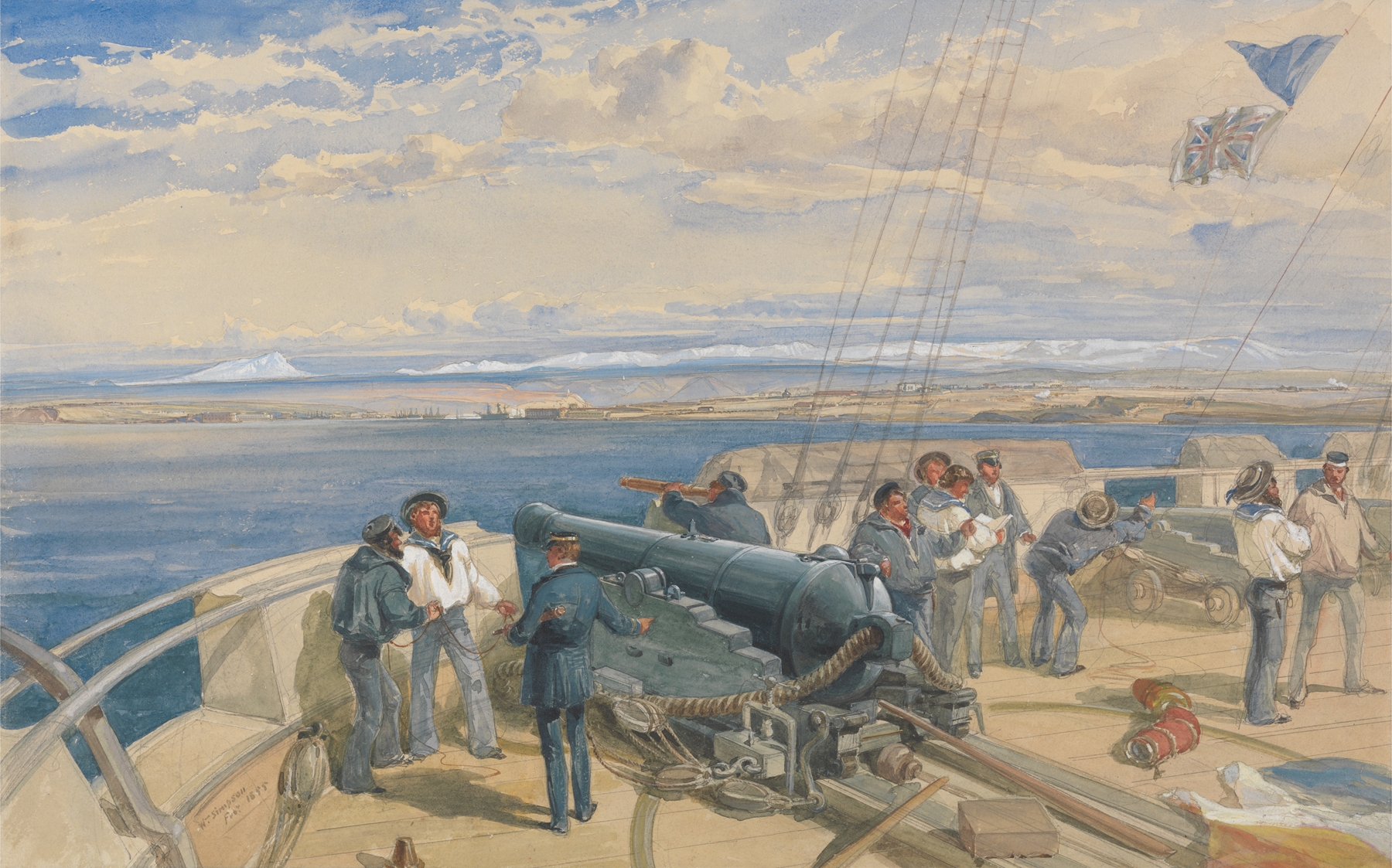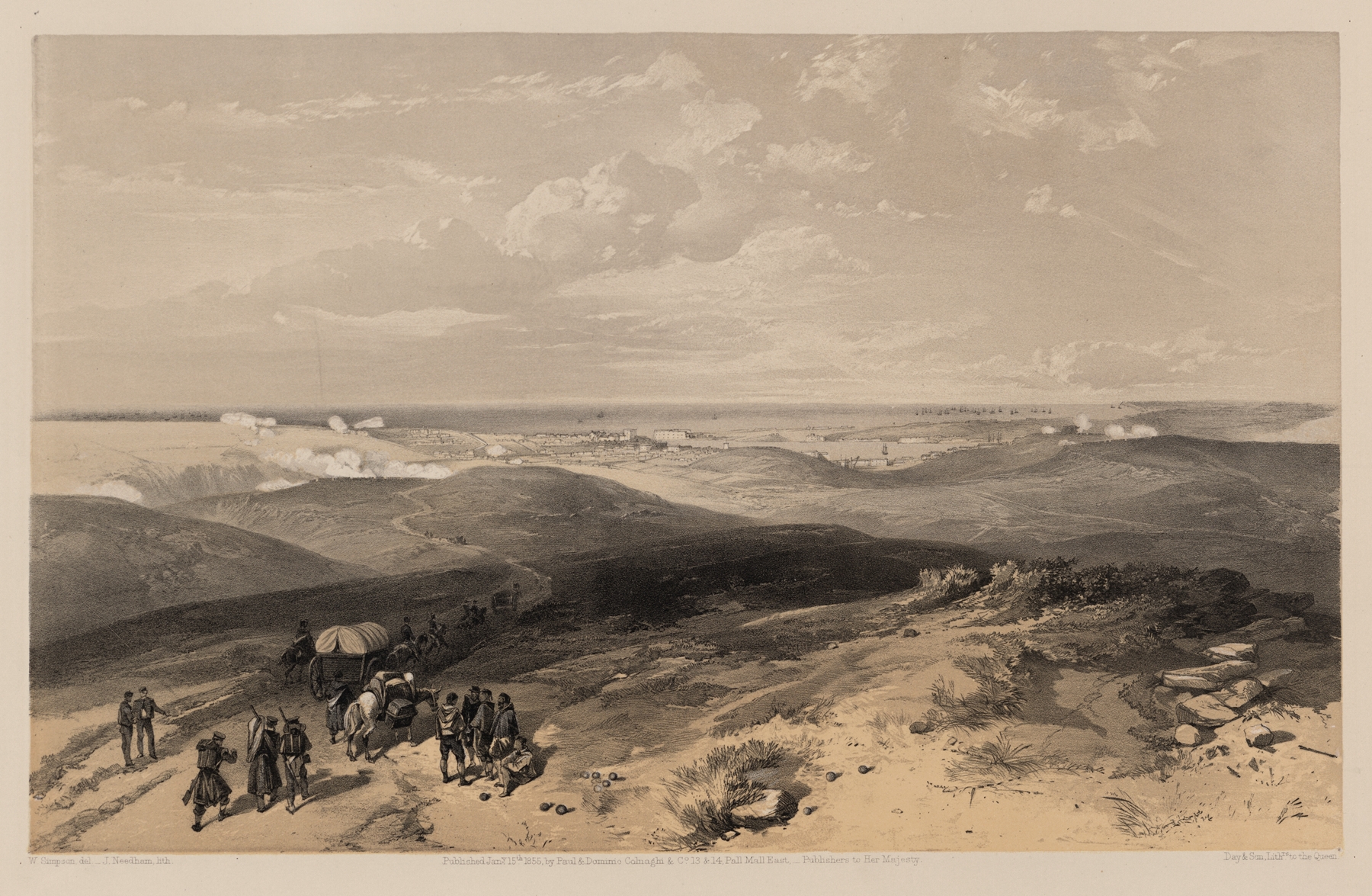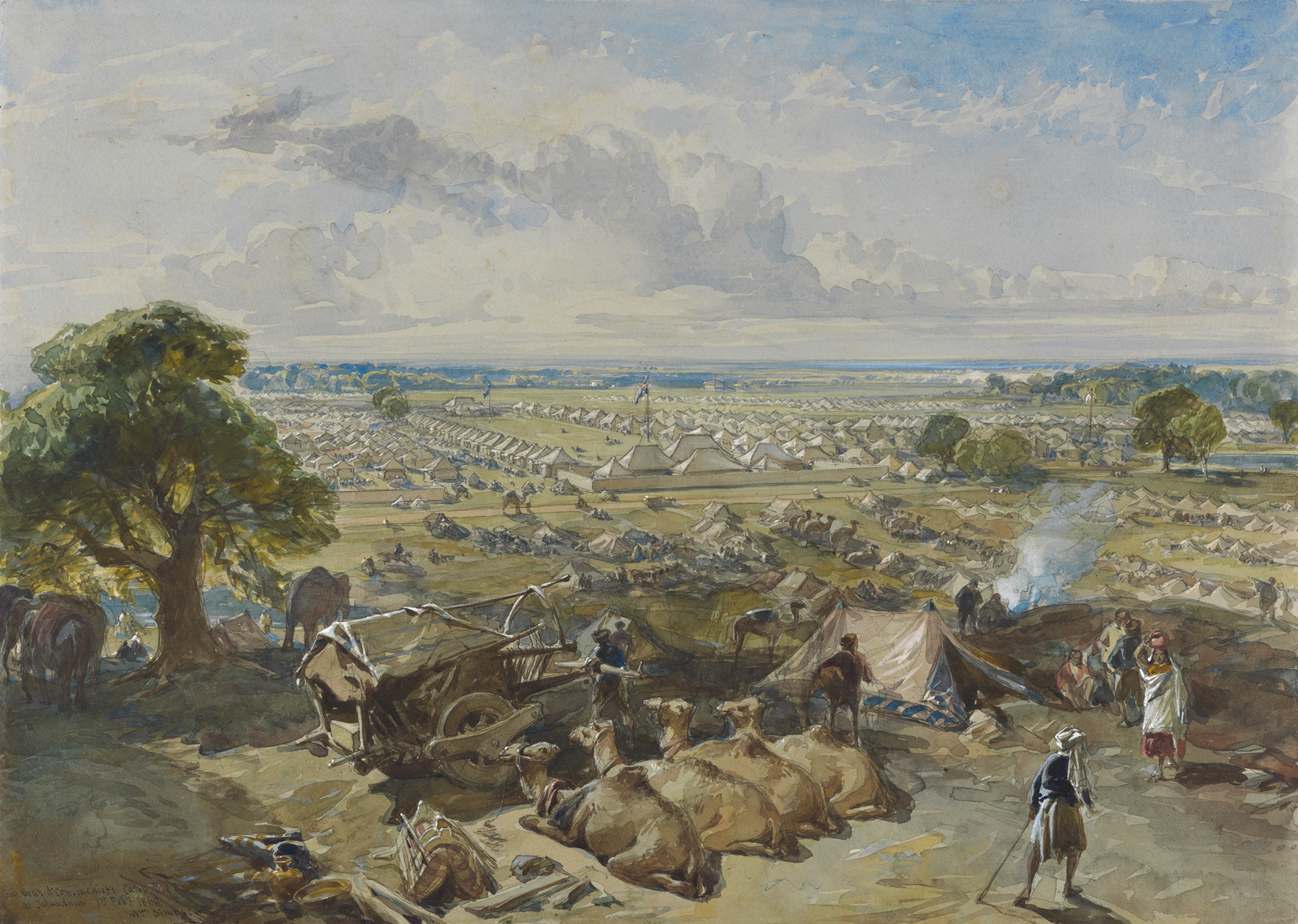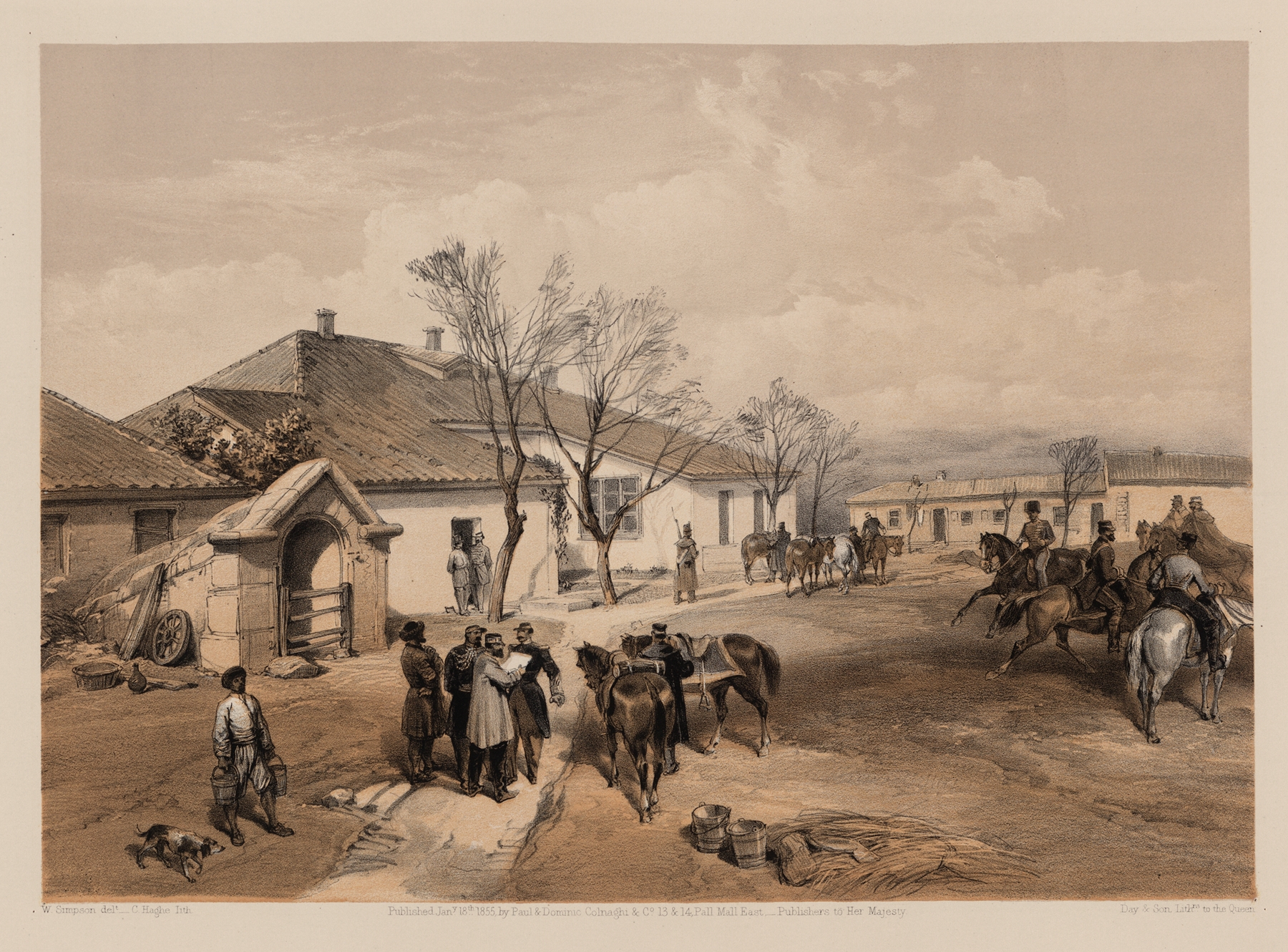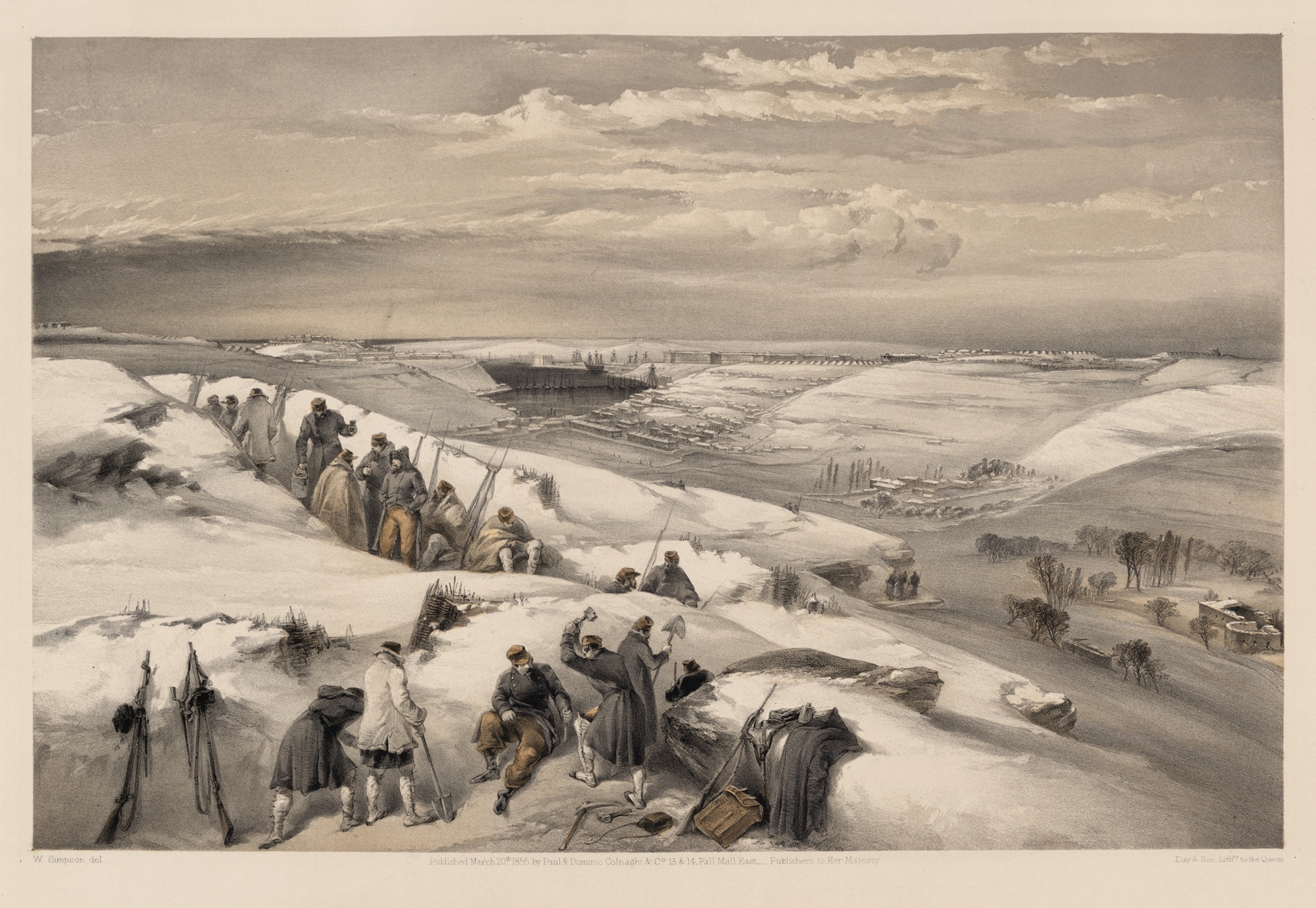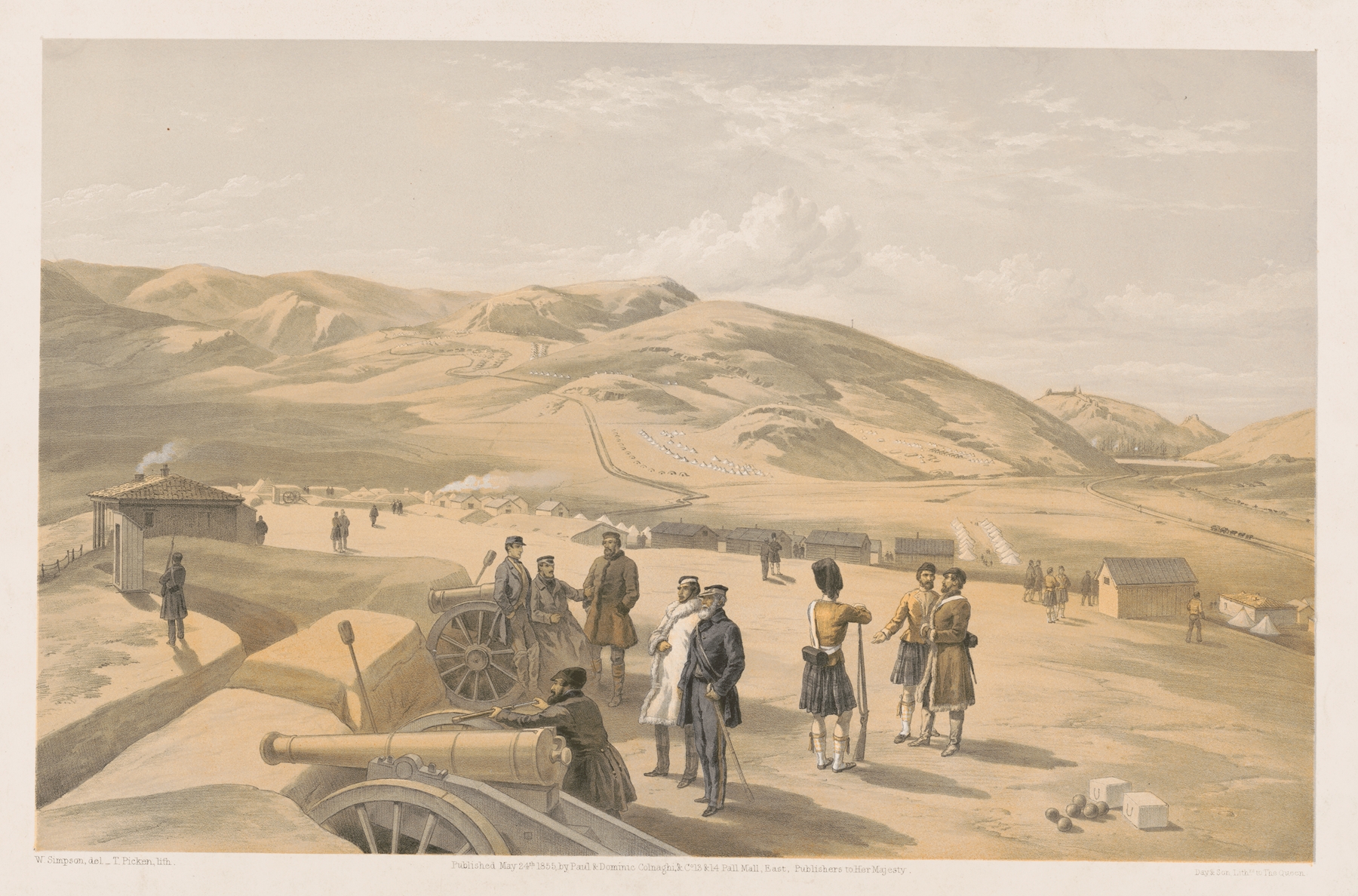
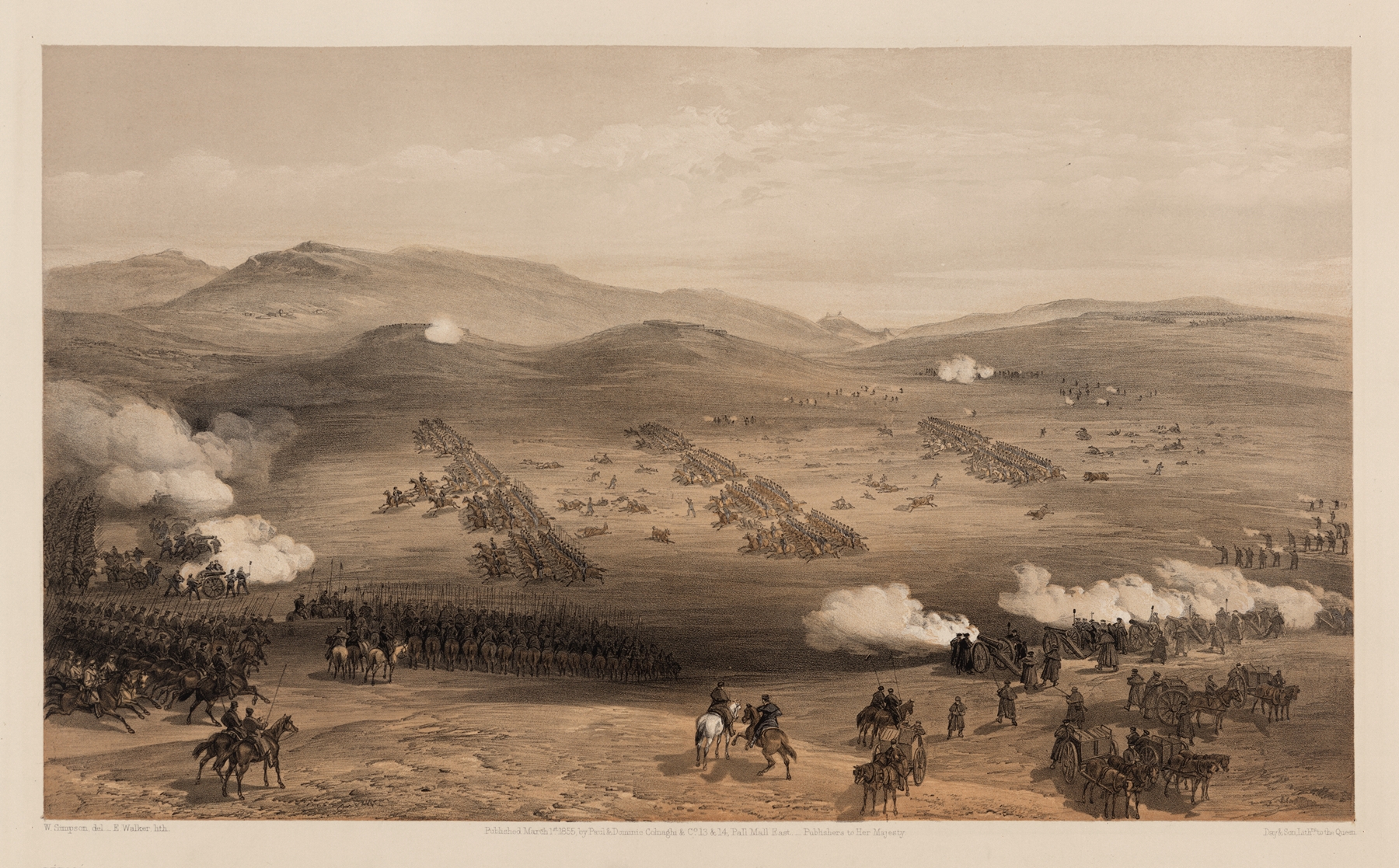
What if beauty was never meant to be finished? In the sweeping landscapes of human endeavor, the essence of awe rests not only in the majestic vistas but in the stories that unfold within them. Focus first on the expansive horizon that beckons from the background, where rolling hills meet the sky, painted in soft hues of blue and green. The camp lies in the foreground, filled with soldiers going about their daily routines, their forms animated against the stillness of the landscape. Notice how the light filters softly through the clouds, casting a gentle glow on the tents and illuminating the faces of the men, revealing their resolve and weariness. Every brushstroke feels deliberate, capturing both the vitality of life and the stark reality of war. Dig deeper into the emotional tensions held in this scene: the juxtaposition of the serene beauty of nature against the backdrop of military duty highlights the fragility of existence. The soldiers, though engaged in mundane tasks, embody a heroic spirit, their camaraderie evident even in their fatigue. These small moments, like the flicker of a campfire or a shared glance, resonate with irony, drawing a stark contrast between the peace of the landscape and the turmoil of their lives. During the Crimean War, William Simpson captured *Highland Brigade camp, looking south* in 1855, while embedded with the British forces. At this pivotal time, he sought to document not just the ferocity of battle but the everyday realities faced by soldiers. This period marked a significant transition in war art, as it began to reflect the human experience rather than mere heroics, making Simpson's work essential in understanding the intersection of beauty and hardship.