Horatius Cocles verdedigt de brug over de Tiber — History & Analysis
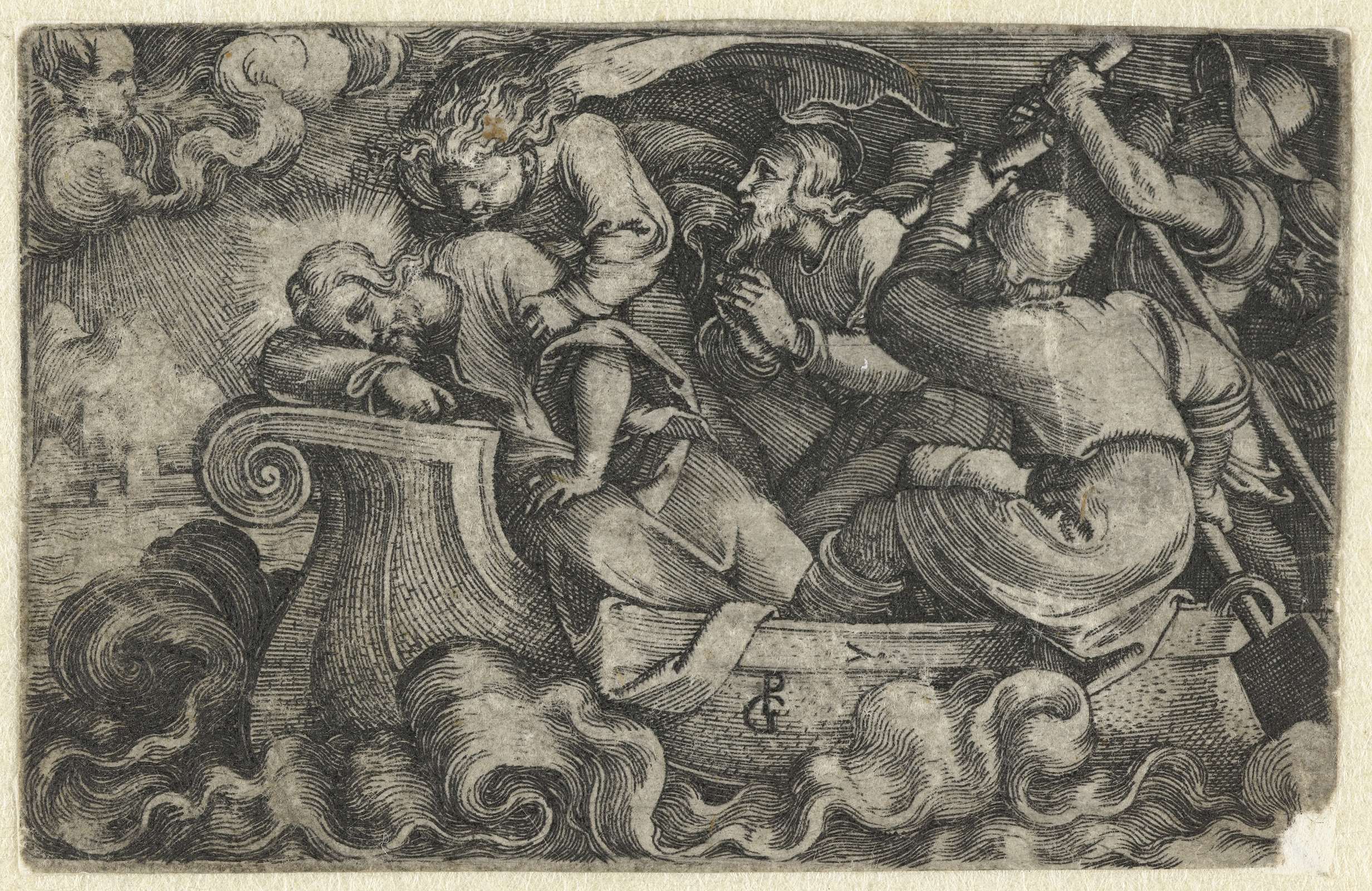
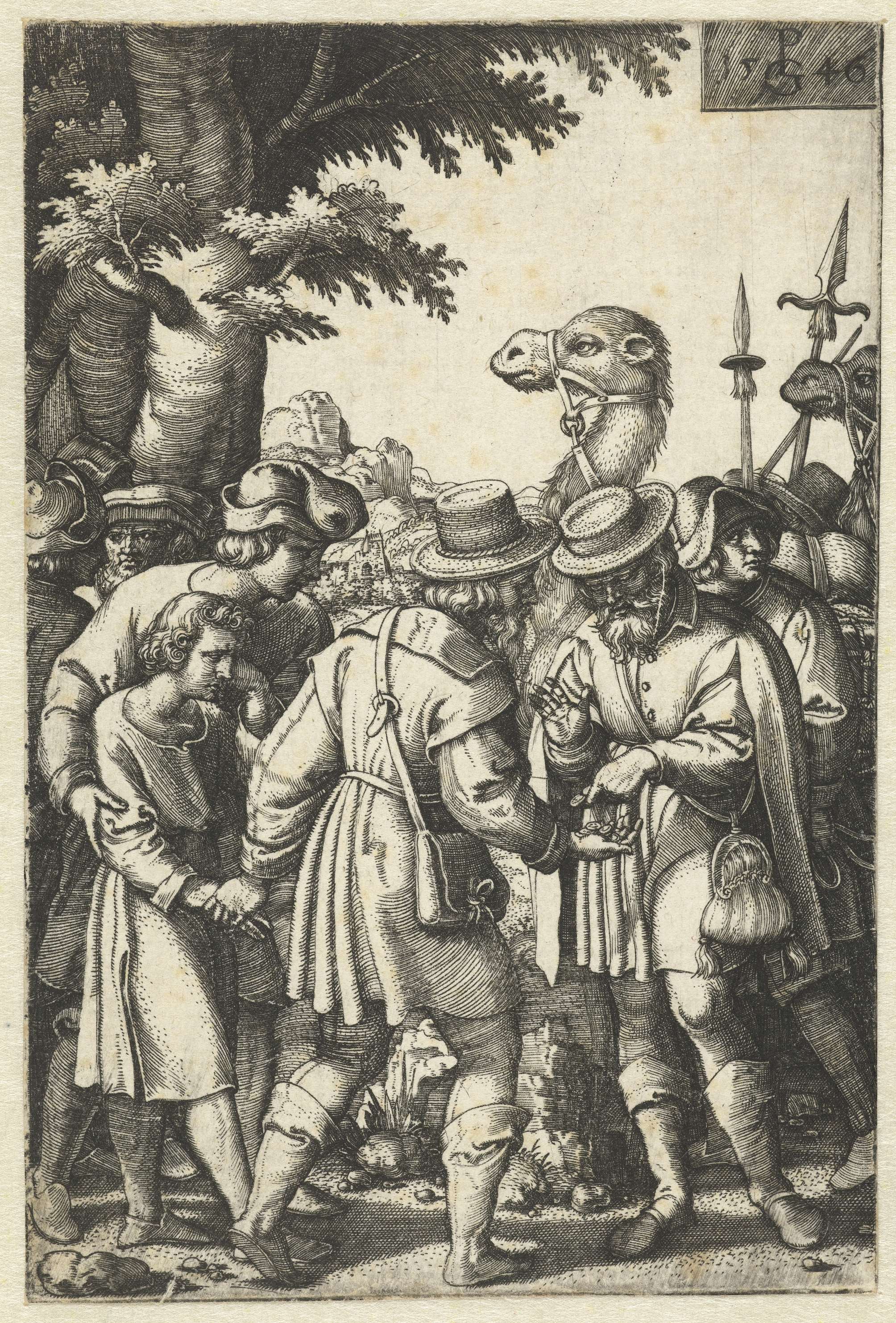
Could a single brushstroke hold eternity? In Horatius Cocles verdedigt de brug over de Tiber, the suspension of time lies in the deft combination of figures and forms, each one telling a story of valor against the tide of chaos. Look to the center, where Horatius stands defiantly, sword raised, a sentinel against a backdrop of tumult. His muscular form, defined by deep chiaroscuro, contrasts starkly with the flowing, tumultuous waters of the Tiber, painted in swirling blues and greens that seem almost alive.
Notice how the light from the unseen sun casts sharp shadows against the ancient stone bridge, amplifying the tension in the scene. The figures surrounding him are caught in various stages of tension — some retreating in fear, while others watch with rapt attention, their expressions a mix of anxiety and awe. Hidden within this tableau are themes of sacrifice and heroism, underscored by the juxtaposition of Horatius's resolved stance against the crumbling hope of his comrades. The bridge itself symbolizes the precariousness of defense, representing both physical and moral boundaries.
Each brushstroke adds depth to the drama, creating an illusion of movement that transforms a static moment into an urgent narrative of survival and valor. Georg Pencz painted this work during the late Renaissance in Nuremberg, a time marked by political turbulence and the rise of humanistic ideals. Between 1546 and 1547, as Europe grappled with the Reformation and shifting power dynamics, Pencz sought to merge classical themes with contemporary issues, capturing not just a mythological event but the very essence of human resolve in the face of adversity.