Hot Springs of Gardiner’s River, Yellowstone — History & Analysis
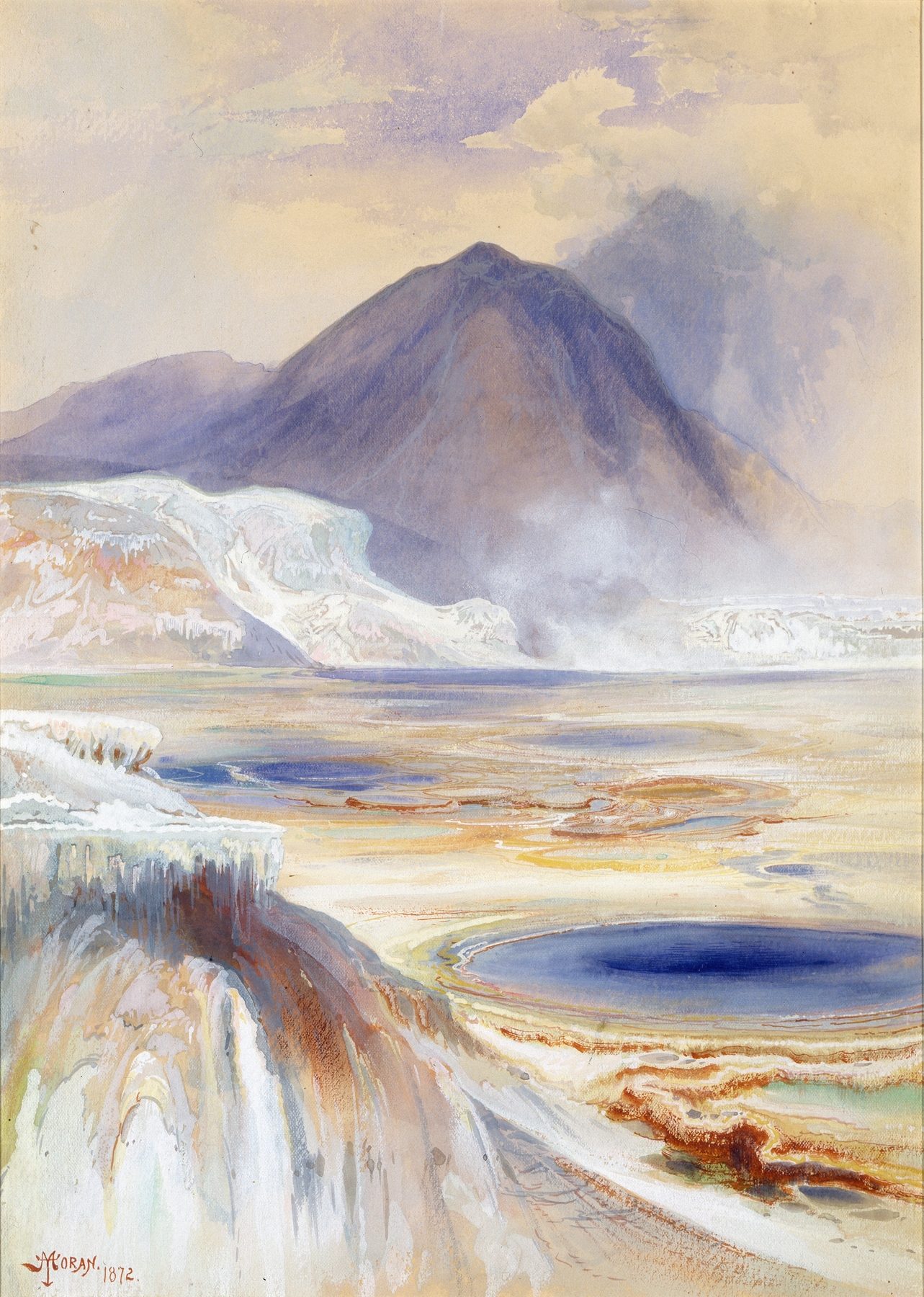
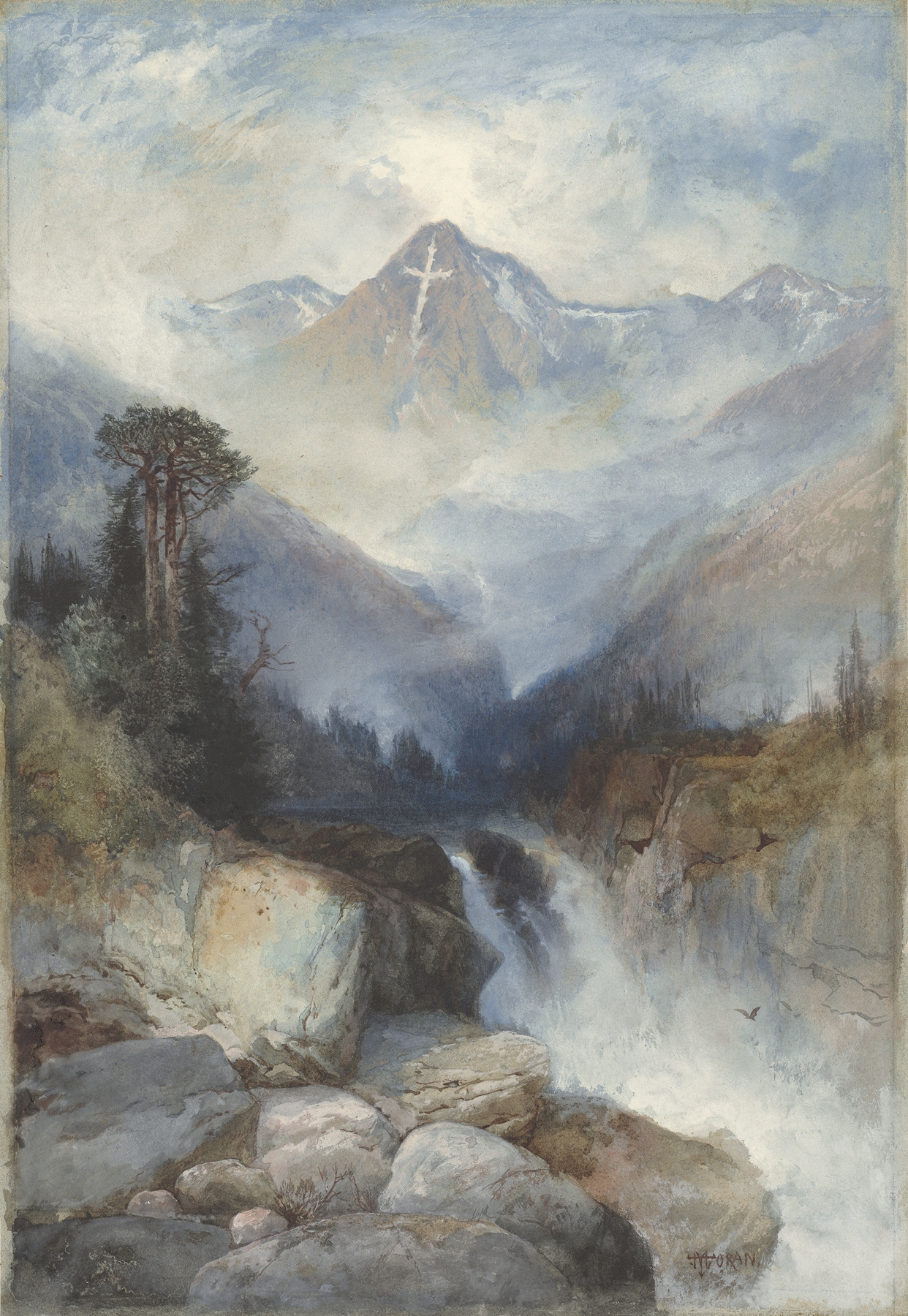
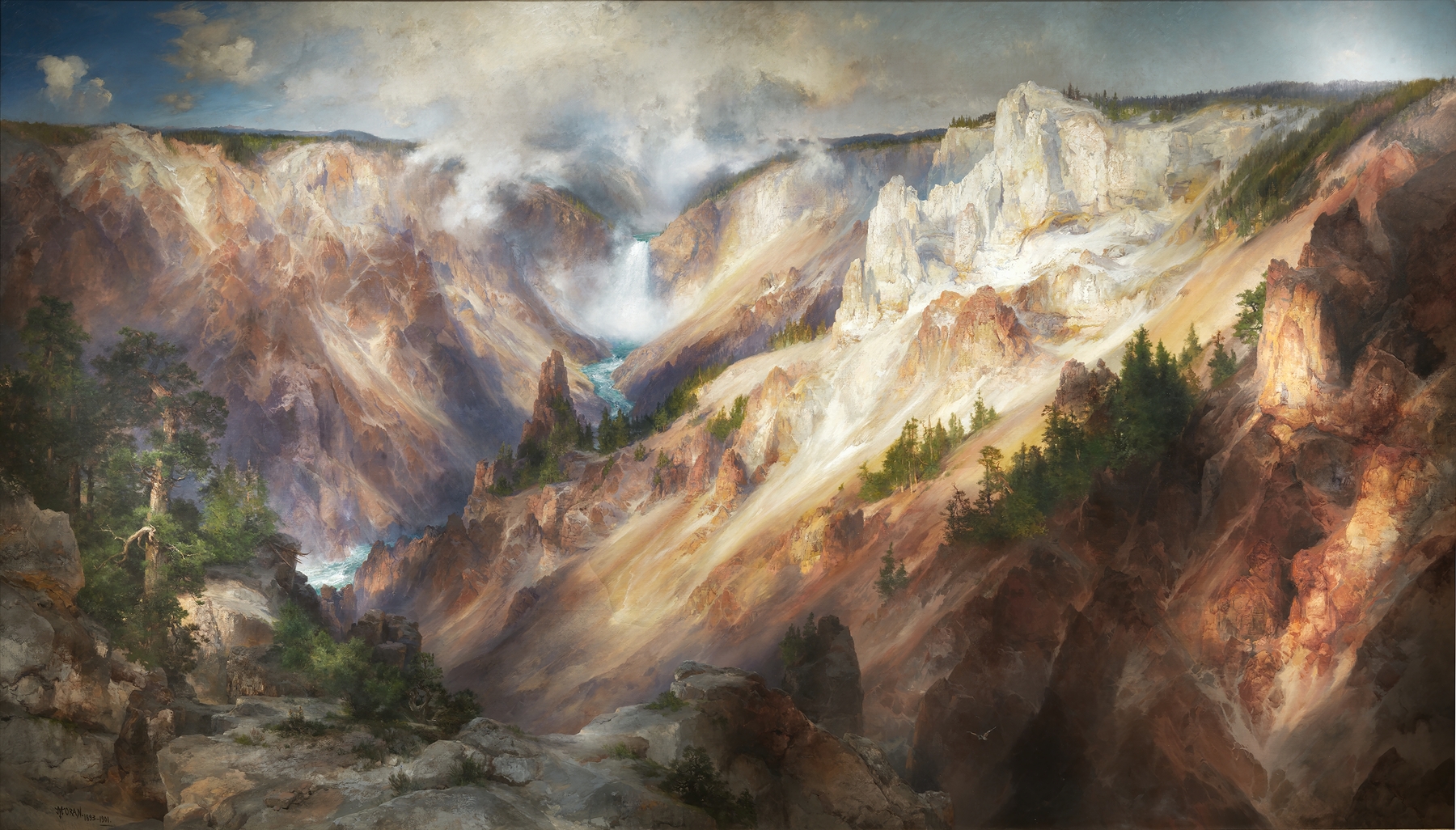
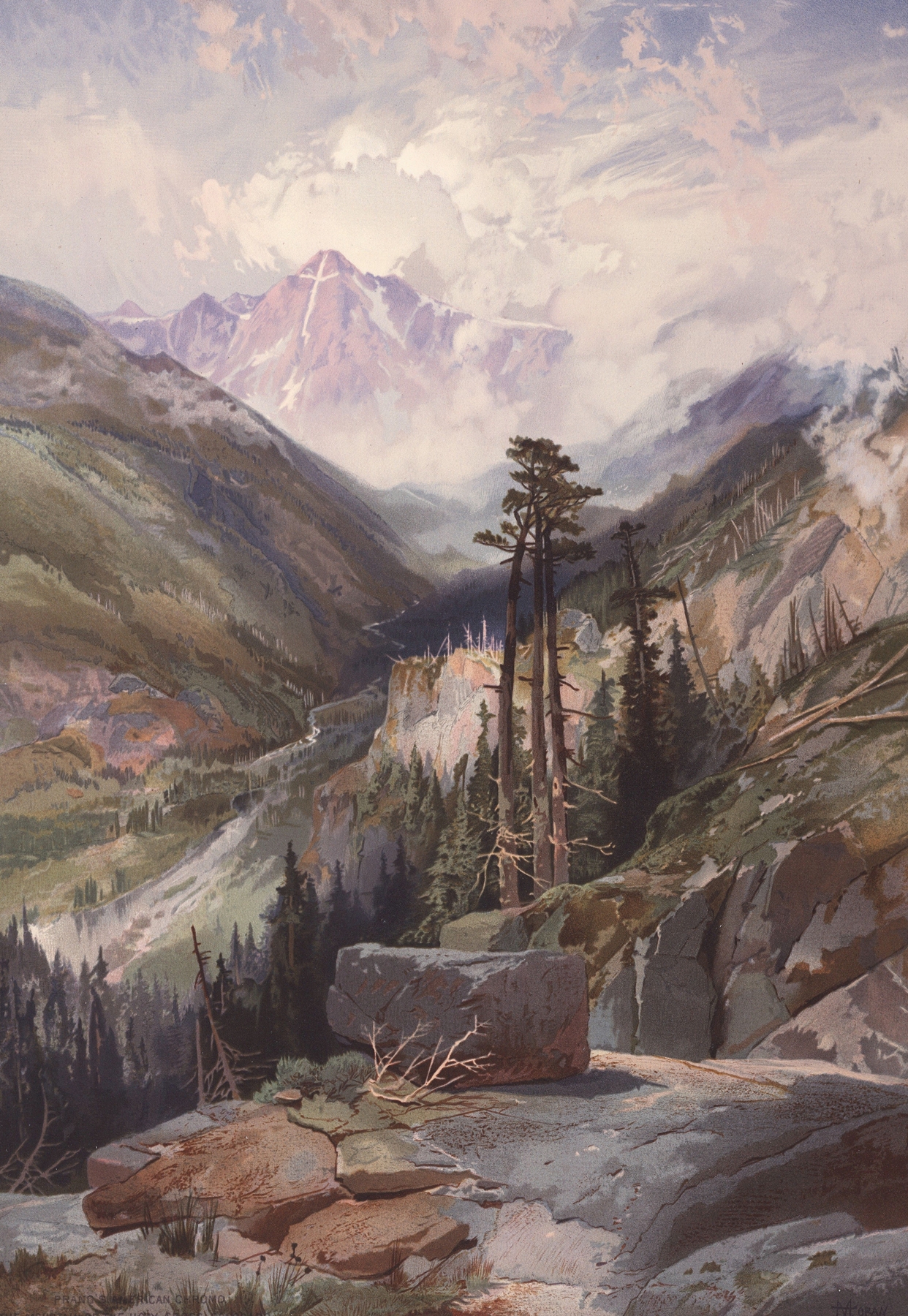
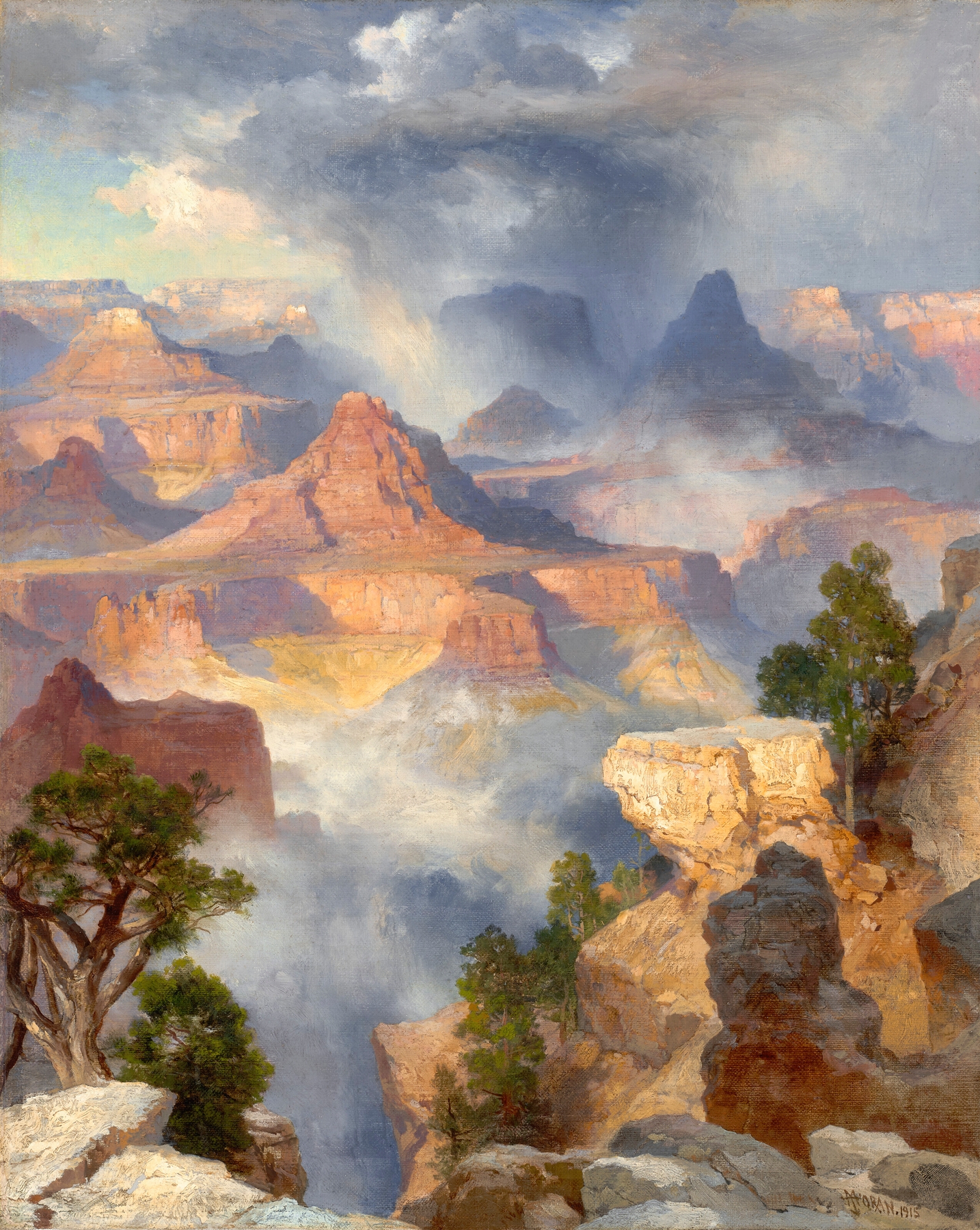
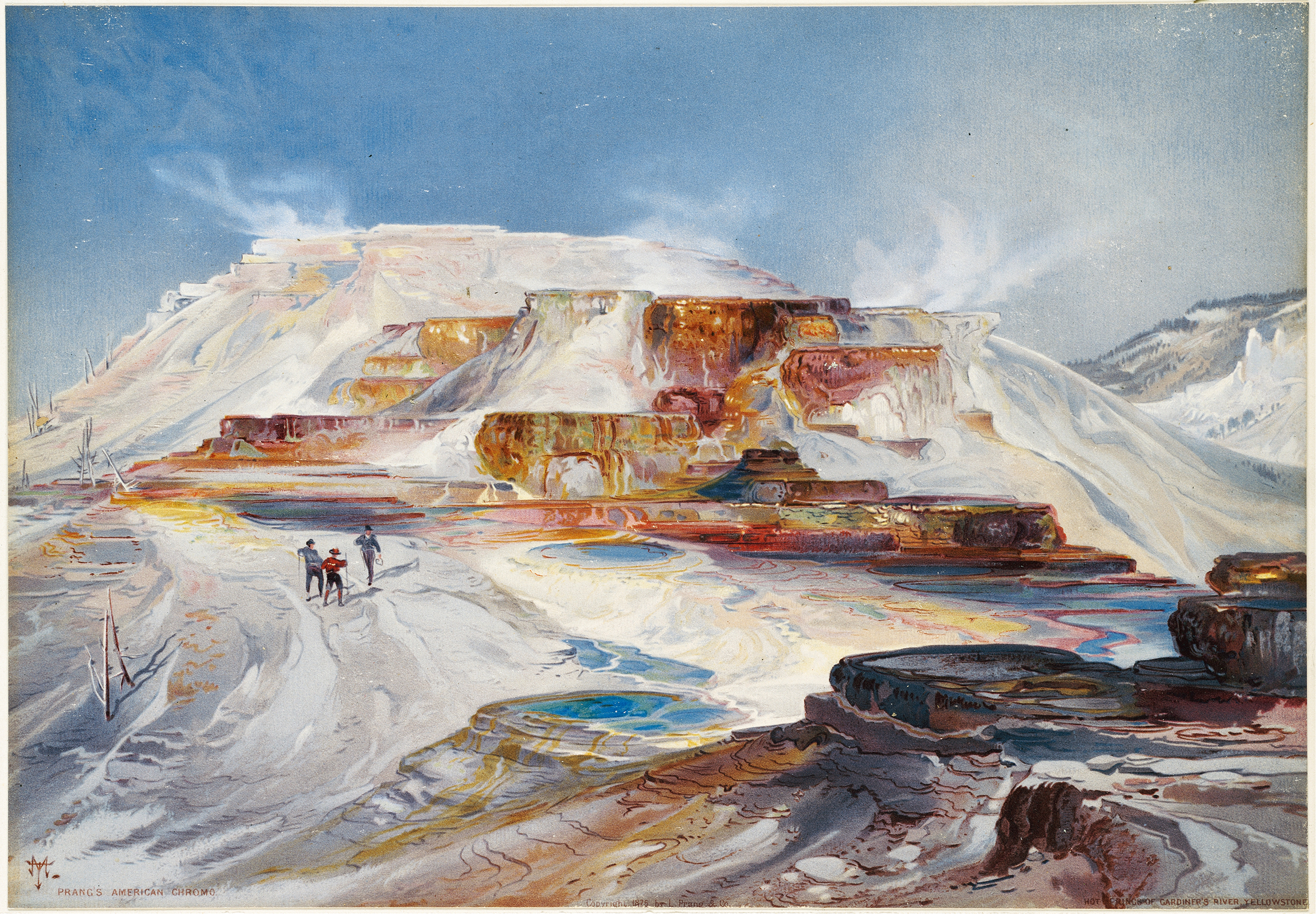
Did the painter know this moment would outlive them? The essence of a dream, captured against the wild backdrop of nature’s raw beauty, invites contemplation of impermanence and eternity. Focus on the swirling hues of blue and orange that breathe life into the hot springs; they shimmer like a mirage on the canvas. Notice how the artist juxtaposes vibrant colors with stark white steam, creating a dance between heat and cold, movement and tranquility.
The sweeping lines of the landscape guide your gaze from the foreground’s vivid pools to the distant mountains, which stand sentinel in their muted tranquility, embodying both grandeur and solitude. Delve deeper into the contrasts that flourish within this piece: the effervescent warmth of the springs against the frigid air, the delicate balance between chaos and calm. Observe how the steam rises, obscuring visions of the past while simultaneously inviting dreams of the future. Each brushstroke whispers of nature’s power—a reminder that while the springs may bubble and churn, the mountains will remain, timeless guardians of the land.
In 1875, the artist painted this work while immersing himself in the breathtaking landscapes of Yellowstone during a time when America was rediscovering its natural wonders. This era was characterized by a growing appreciation for the American West, as well as a burgeoning interest in the sublime beauty of untouched nature. Moran’s connection to the land and its ethereal qualities resonates through his work, aligning perfectly with the ideals of the Hudson River School, which emphasized the spiritual connection between humanity and the natural world.