Houses in Dresden — History & Analysis
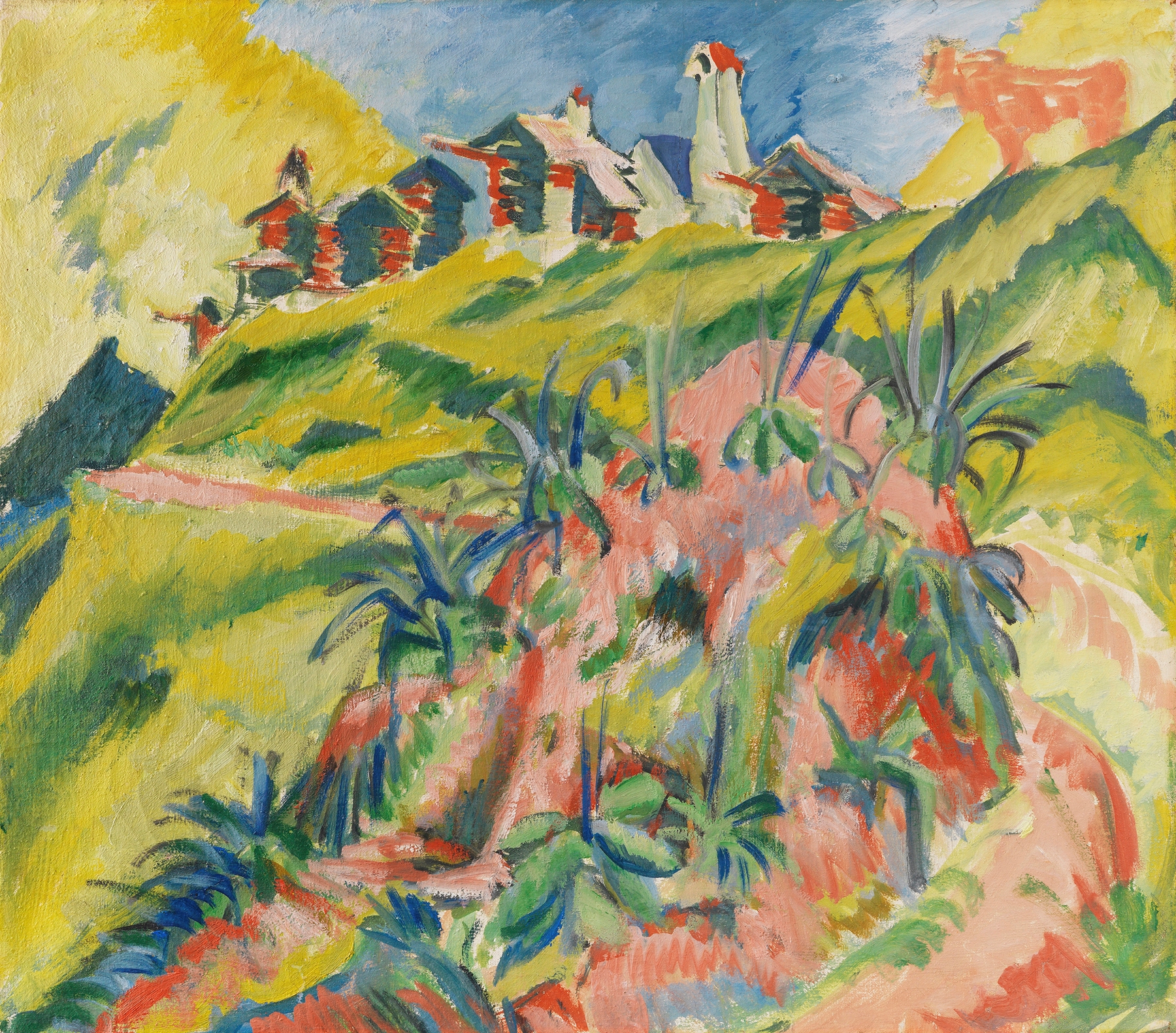
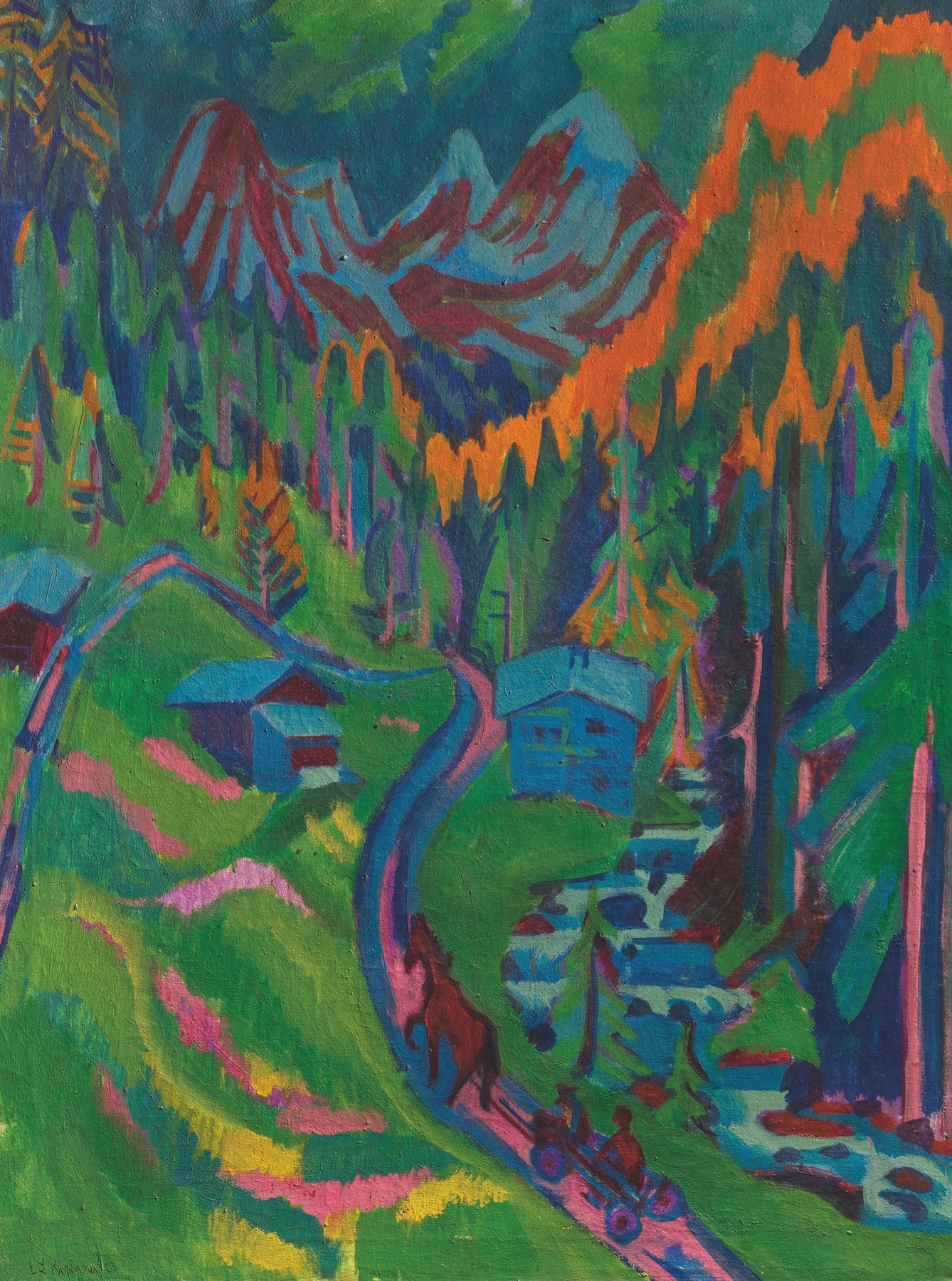
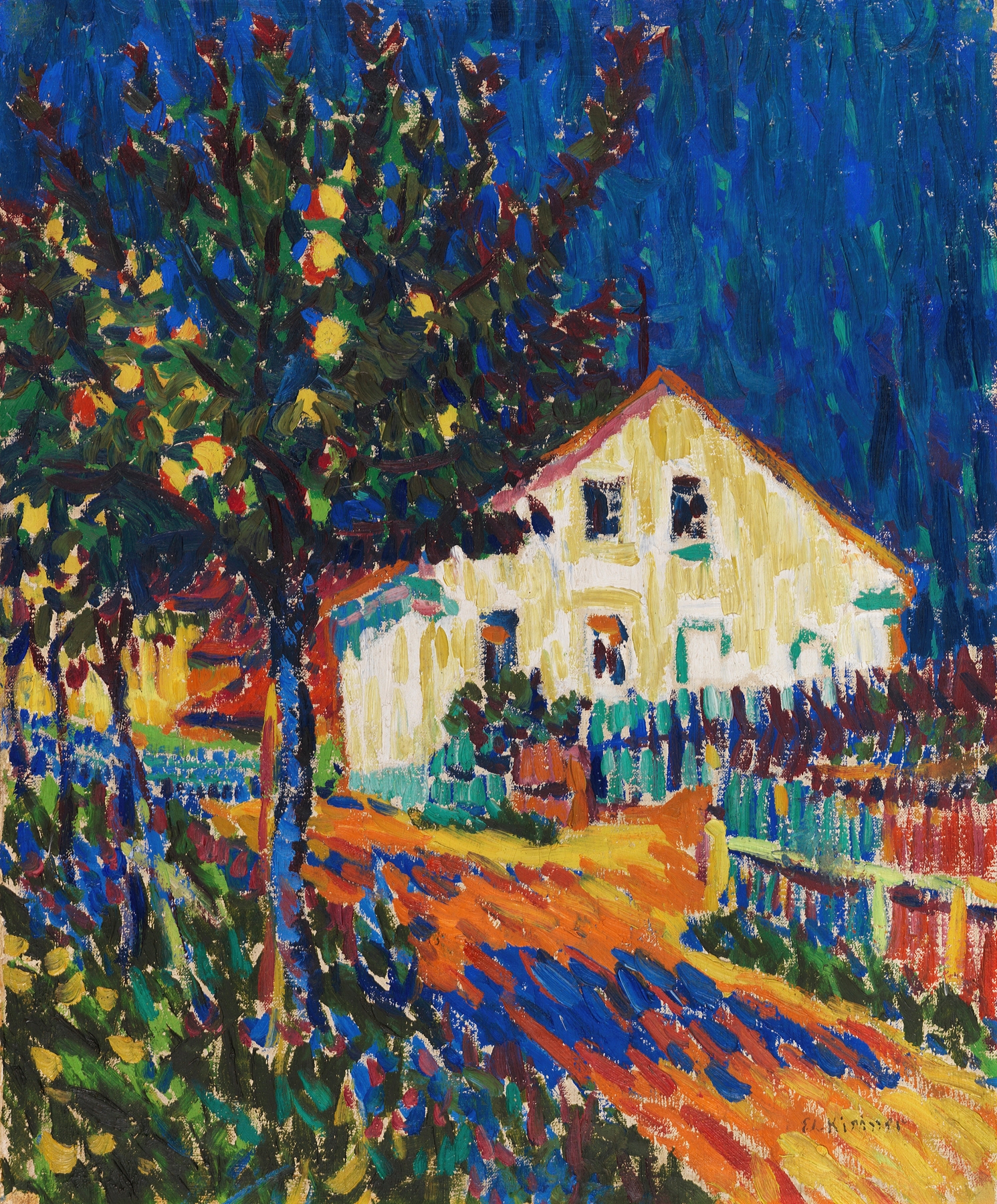
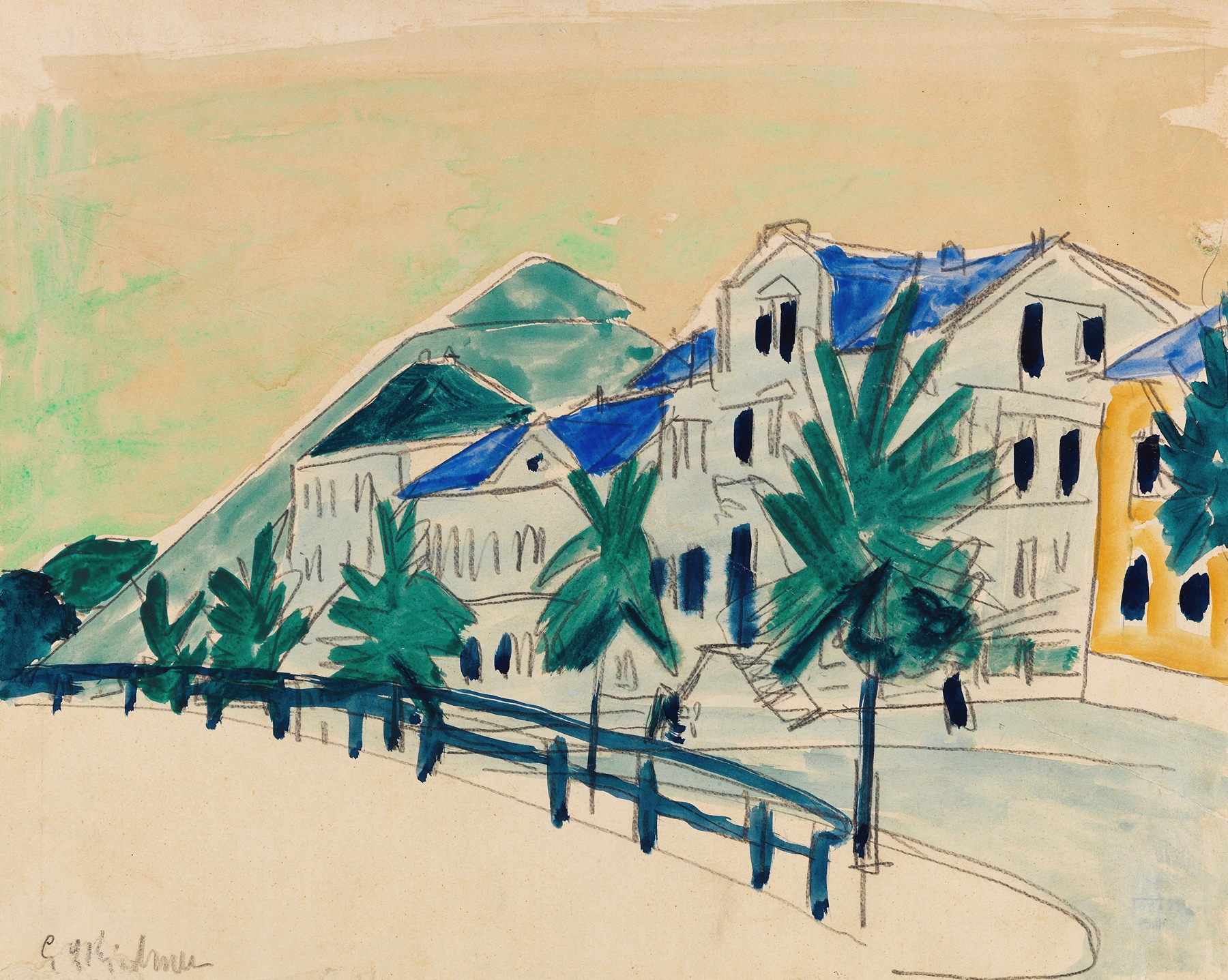
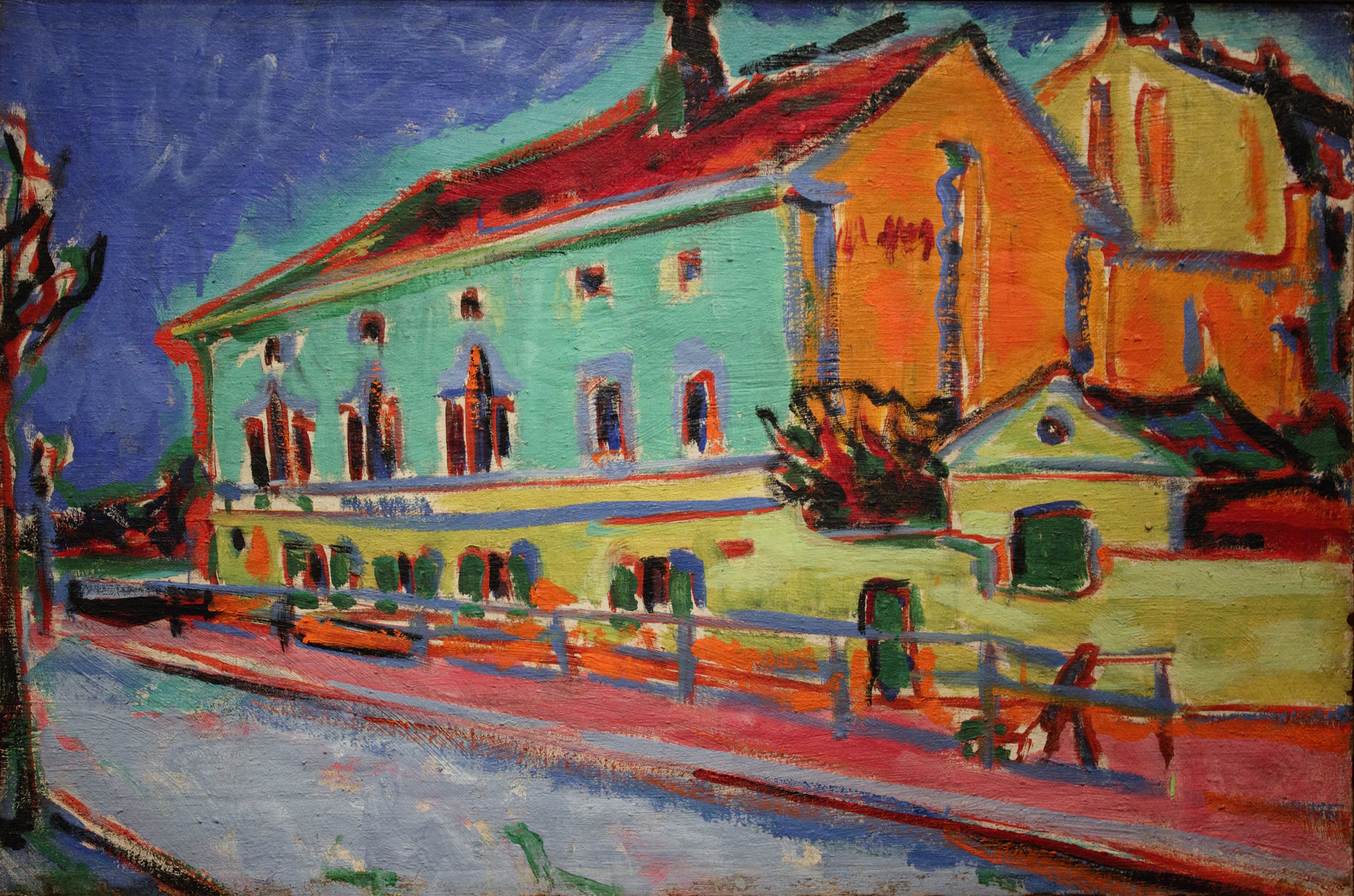
“Sometimes beauty is just pain, disguised in gold.” Light dances across the facades of Houses in Dresden, an intricate testament to the duality of vibrancy and melancholy. Look to the foreground, where the warm hues of ochre and soft pastels beckon your gaze. Notice how the light strikes the surfaces of the houses, illuminating their textured walls with an almost palpable warmth, contrasting against the cool shadows that linger between them. The composition, with its angular shapes and dynamic lines, invites a sense of movement, suggesting that these buildings, though still, hold stories within their walls.
As you delve deeper, consider the interplay of light and shadow, which reveals the hidden struggles of the urban landscape. The vibrant colors, while celebrating the architecture, juxtapose the weight of emotional turmoil lurking beneath the surface. Each edifice stands proud, yet there’s an underlying tension — a hint of isolation amid the bustling vibrancy of urban life.
The artist encapsulates this duality, reflecting the complexity of human experience enshrined in architectural beauty. In the early 20th century, Kirchner was a pivotal figure in the Expressionist movement, capturing the essence of modernity while grappling with personal turmoil. Painted during his time in Dresden, when the city was flourishing yet fraught with societal changes, this work reflects his efforts to reconcile his artistic vision with the chaos of the modern world, a theme that permeated his oeuvre.