Houses In The Woods — History & Analysis
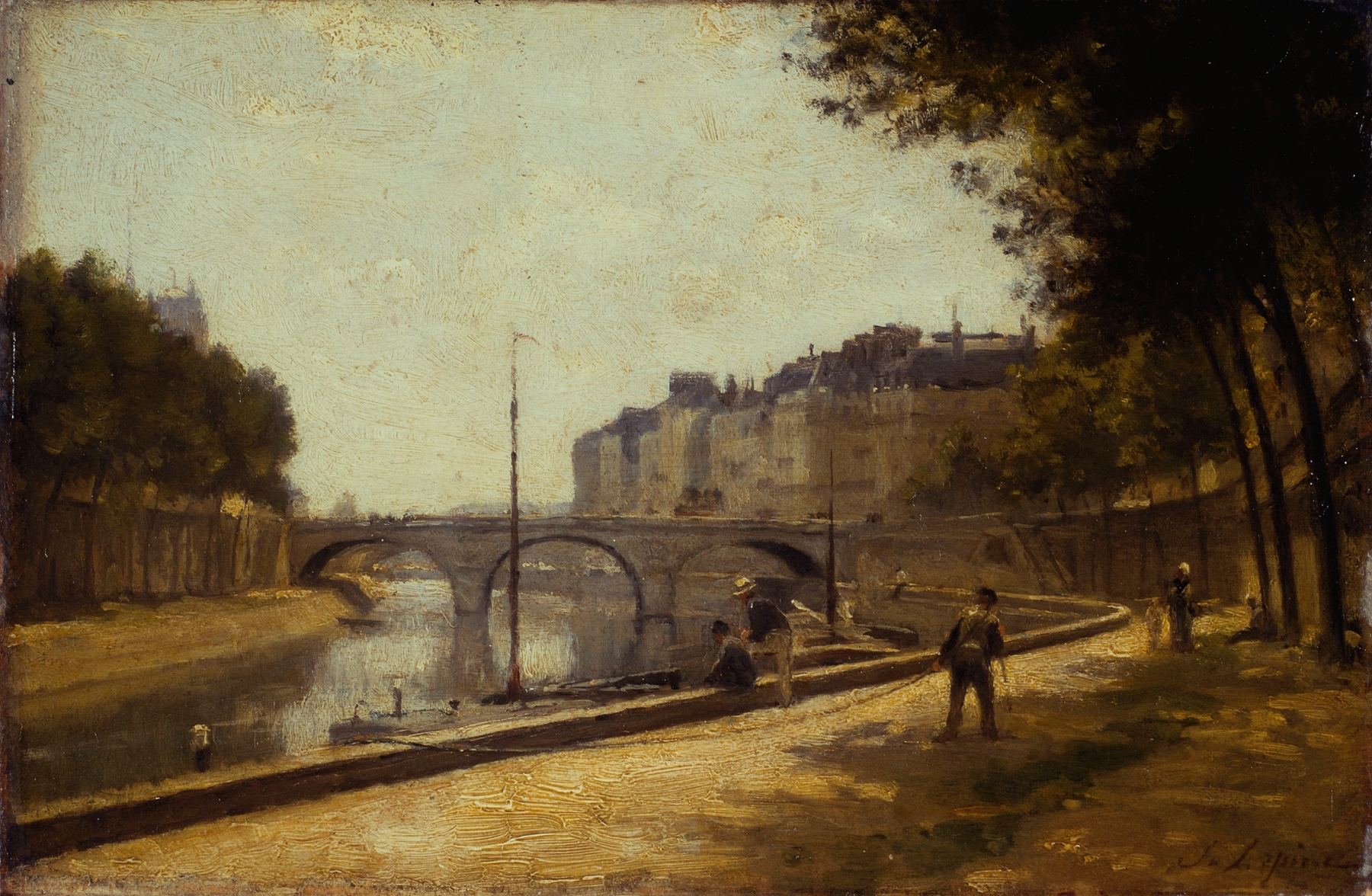
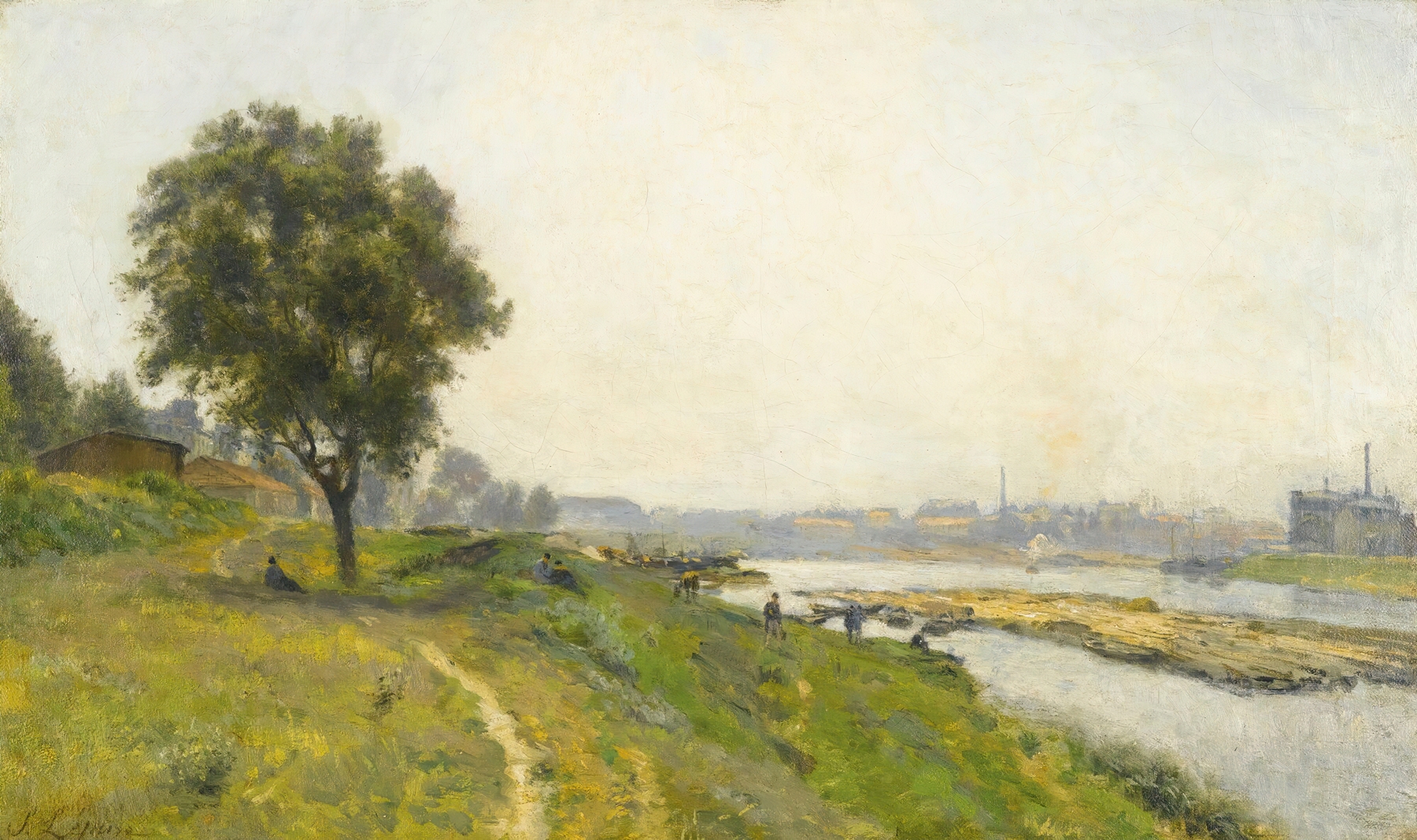
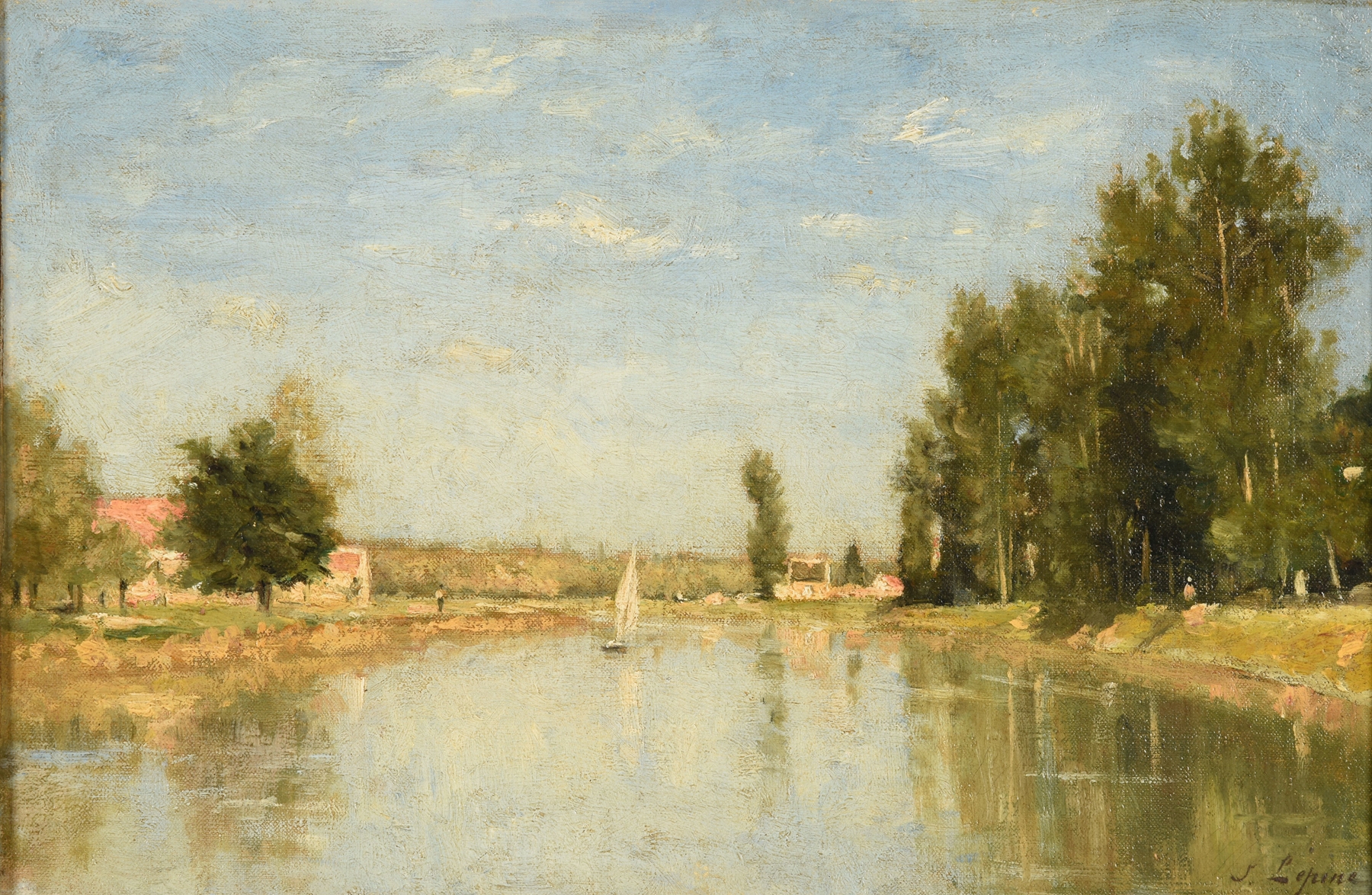
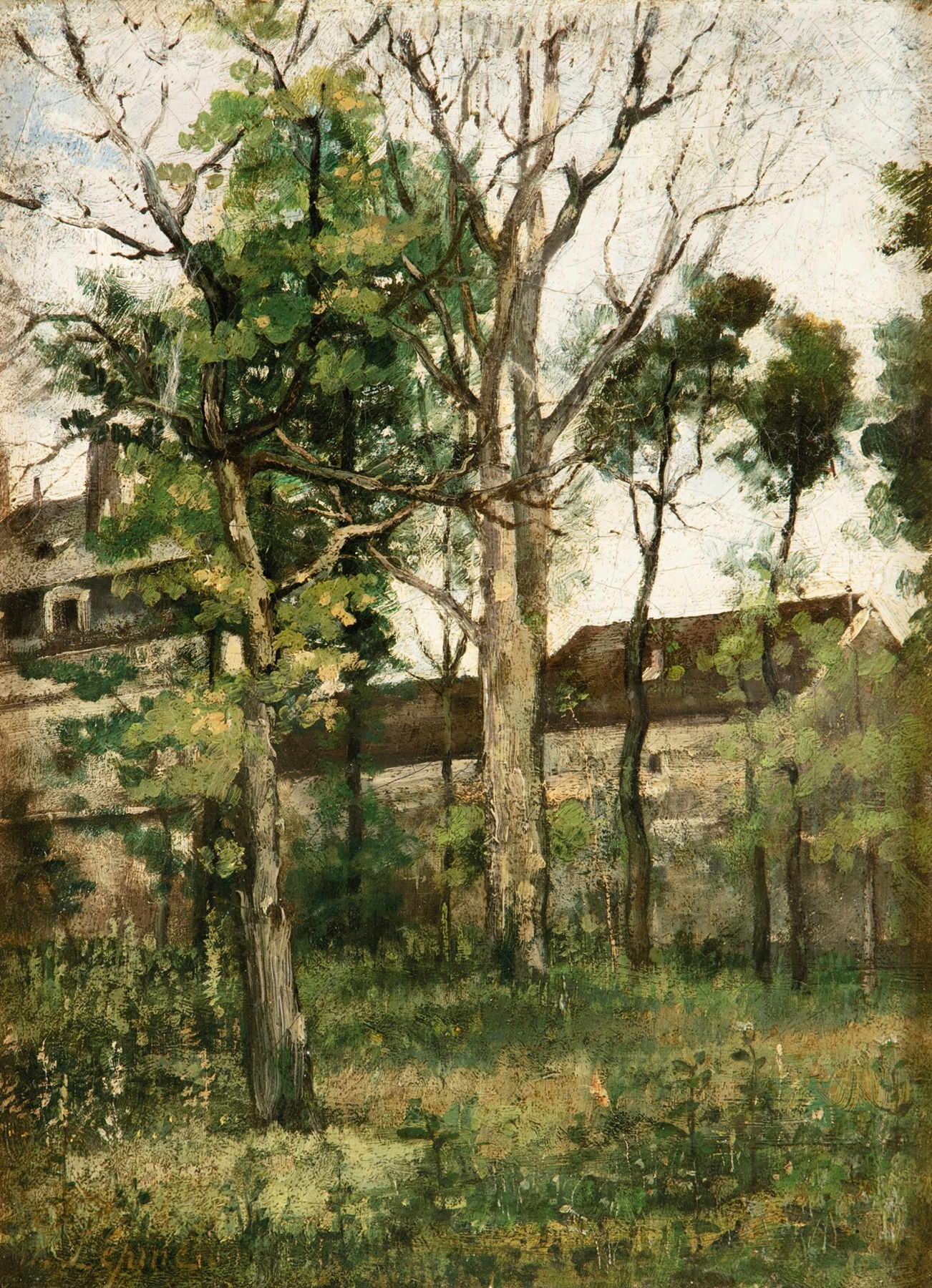
“The canvas doesn’t lie — it simply waits.” Within its stillness lies a whisper of hope, a promise that the beauty of nature can thrive despite the encroaching shadows of time. Look to the left of the canvas at the delicate interplay of light filtering through the trees, casting dappled shadows across the forest floor. The houses, nestled among the verdant embrace, appear almost ethereal, their simple forms rendered in soft, earthy tones that blend seamlessly with the surrounding foliage. Notice how the artist employs a palette of greens and browns, harmonizing them to create a sense of tranquil unity, inviting the viewer to step into this secluded haven.
Within the serene composition lies a poignant tension: the juxtaposition of human habitation against the wildness of nature. Each house, though crafted by human hands, seems to bow to the towering trees above, suggesting a balance between man and the environment that is fragile yet hopeful. The gentle winding path leading into the depths of the woods beckons exploration, symbolizing both the journey of life and the inherent connection between humanity and the natural world.
Stanislas Lépine created this piece during a time when Impressionism was gaining prominence, capturing the subtleties of light and atmosphere in art. Though the exact date is unclear, his work reflects an era when artists sought to express the beauty and complexity of everyday scenes. In a world moving rapidly toward industrialization, Lépine’s focus on nature offers a timeless reminder of simplicity, peace, and the enduring spirit of hope.