Hunting Birds of Prey at a Mountain Stream — History & Analysis
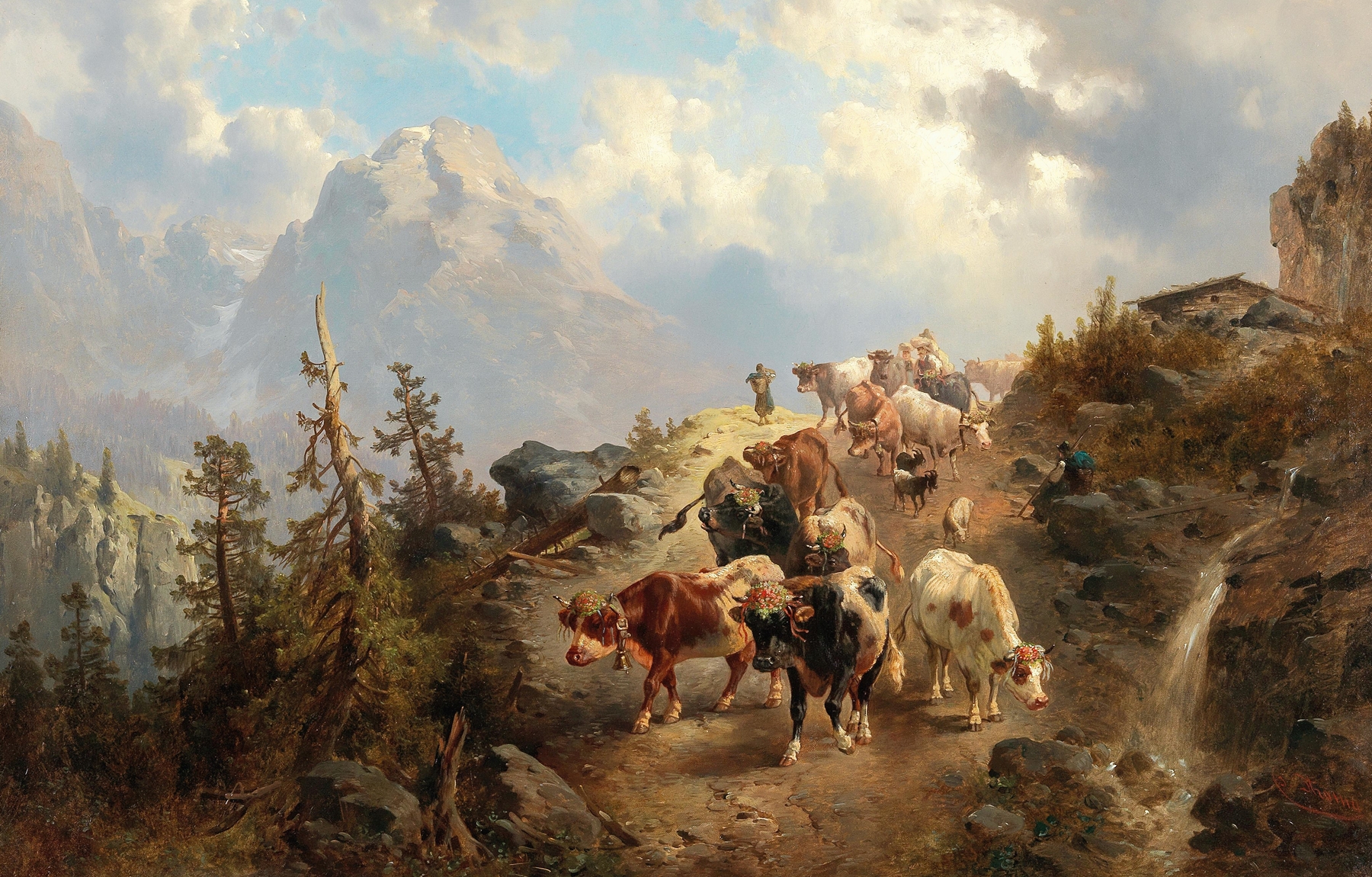
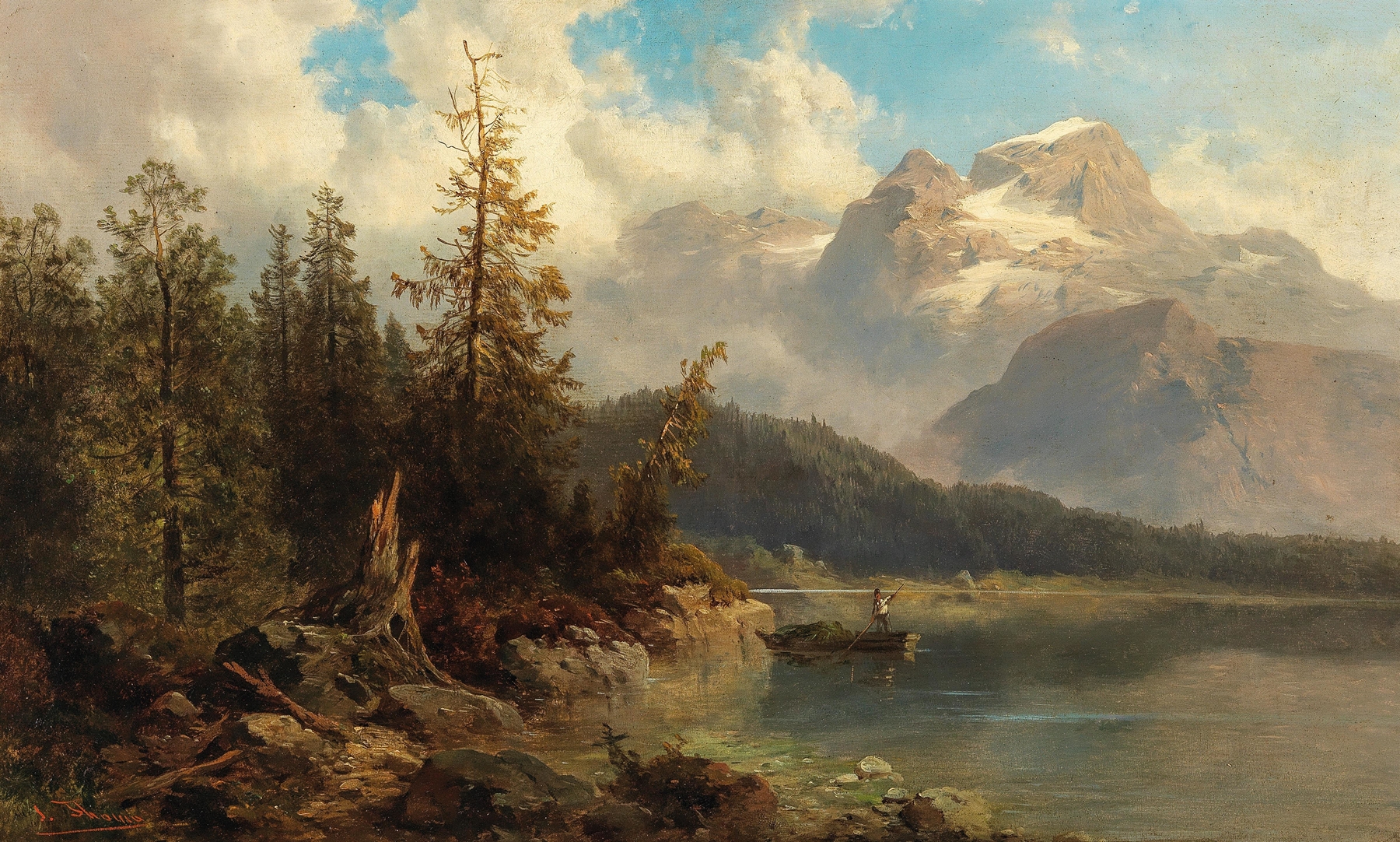
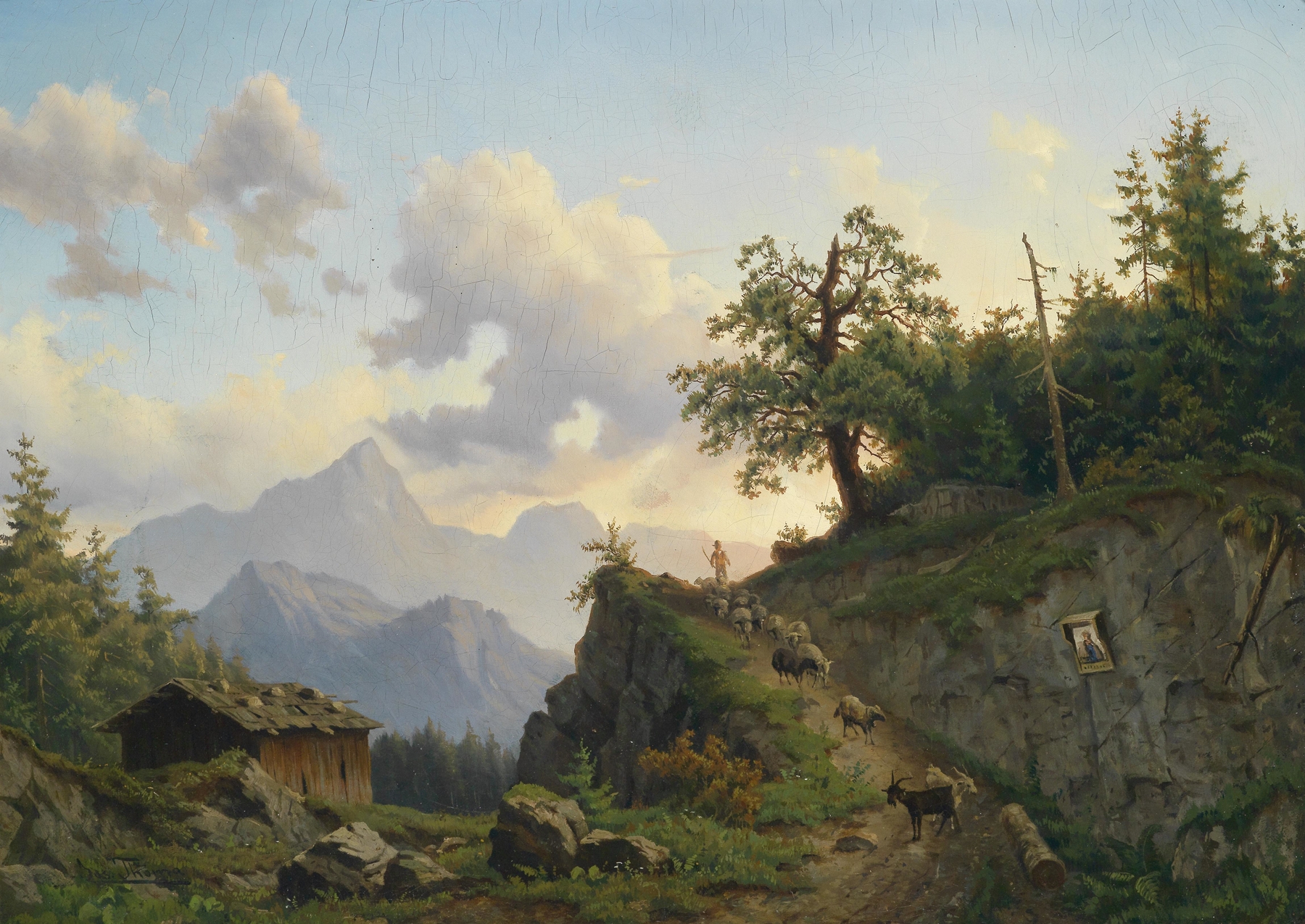
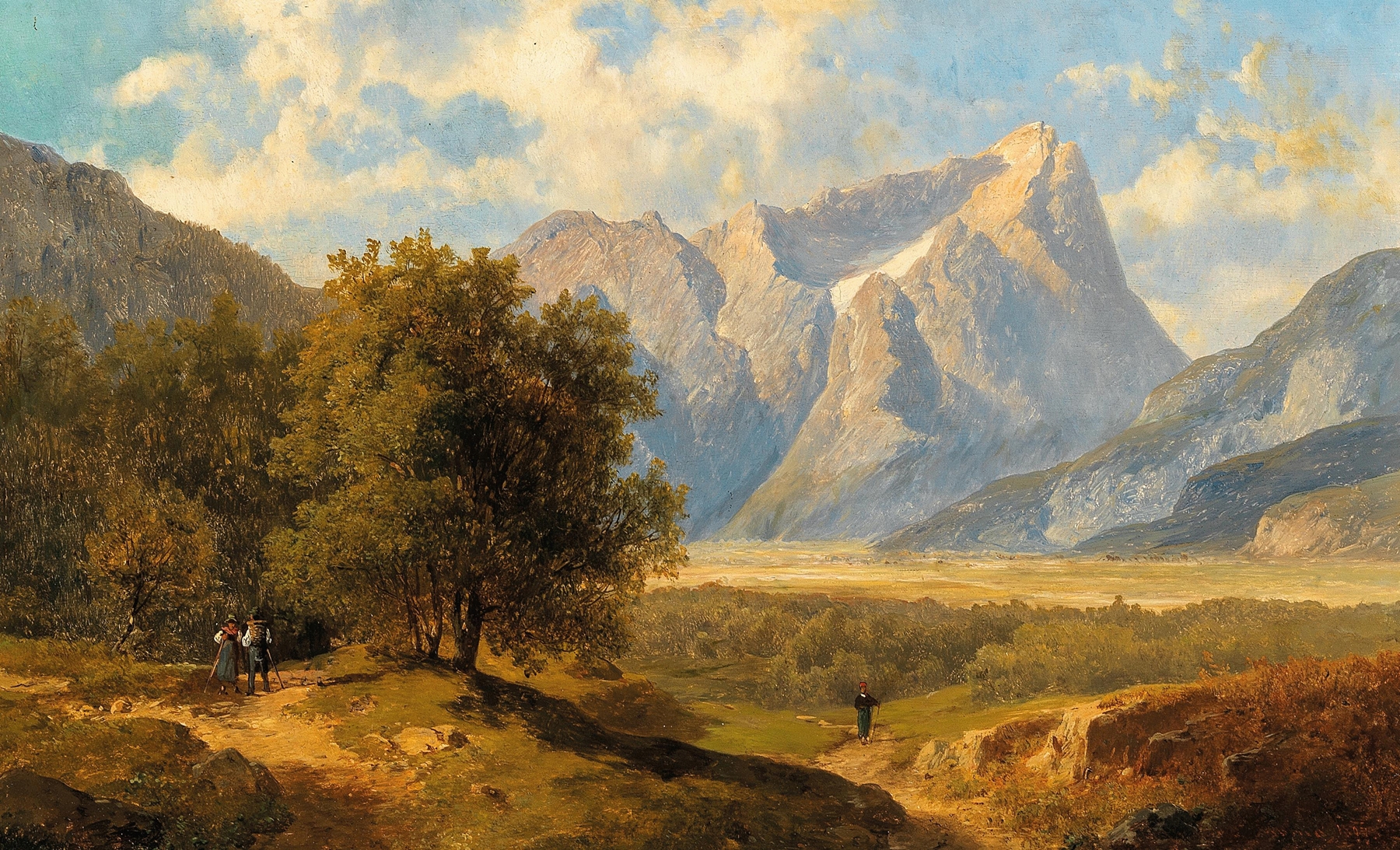
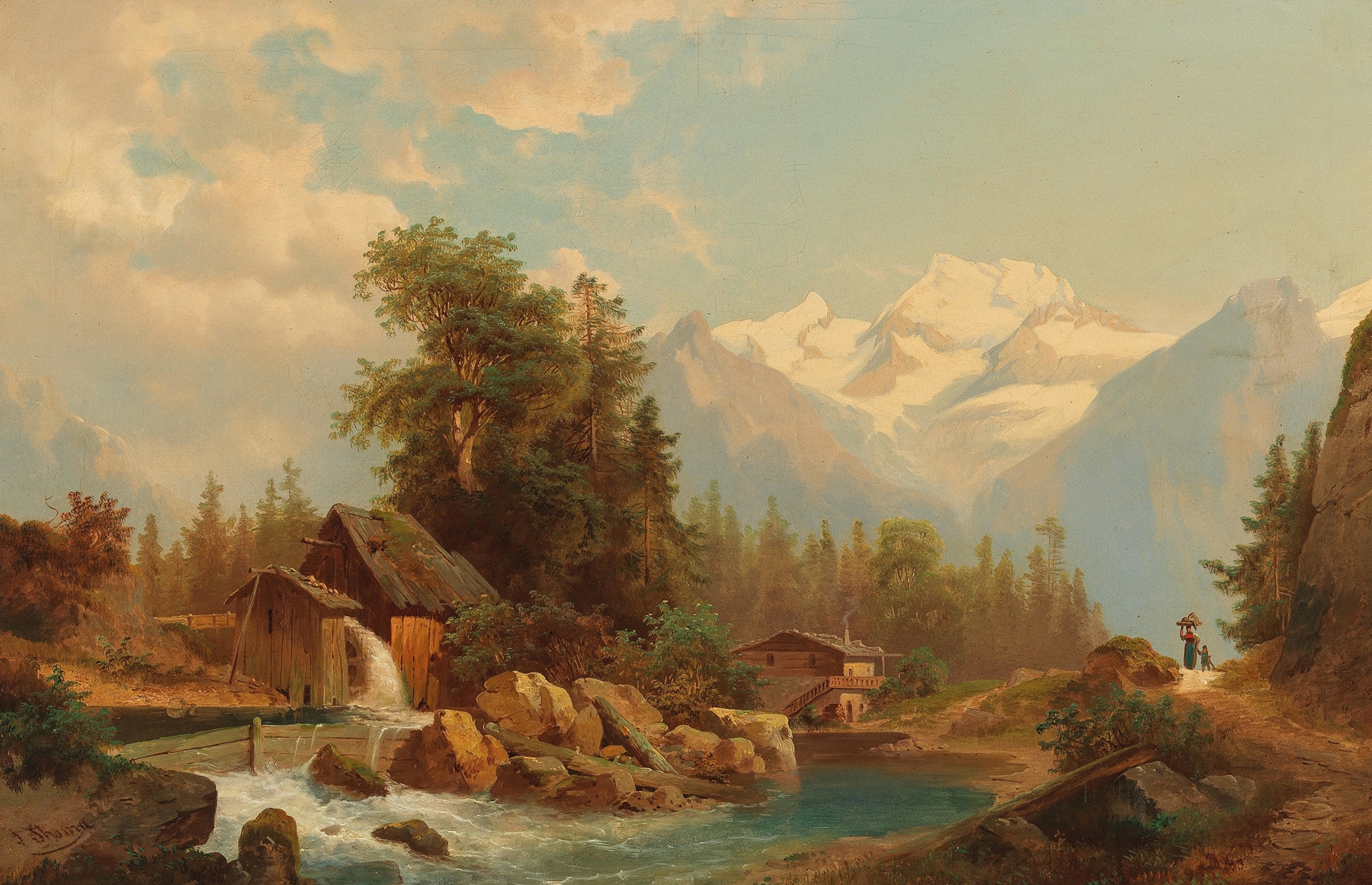
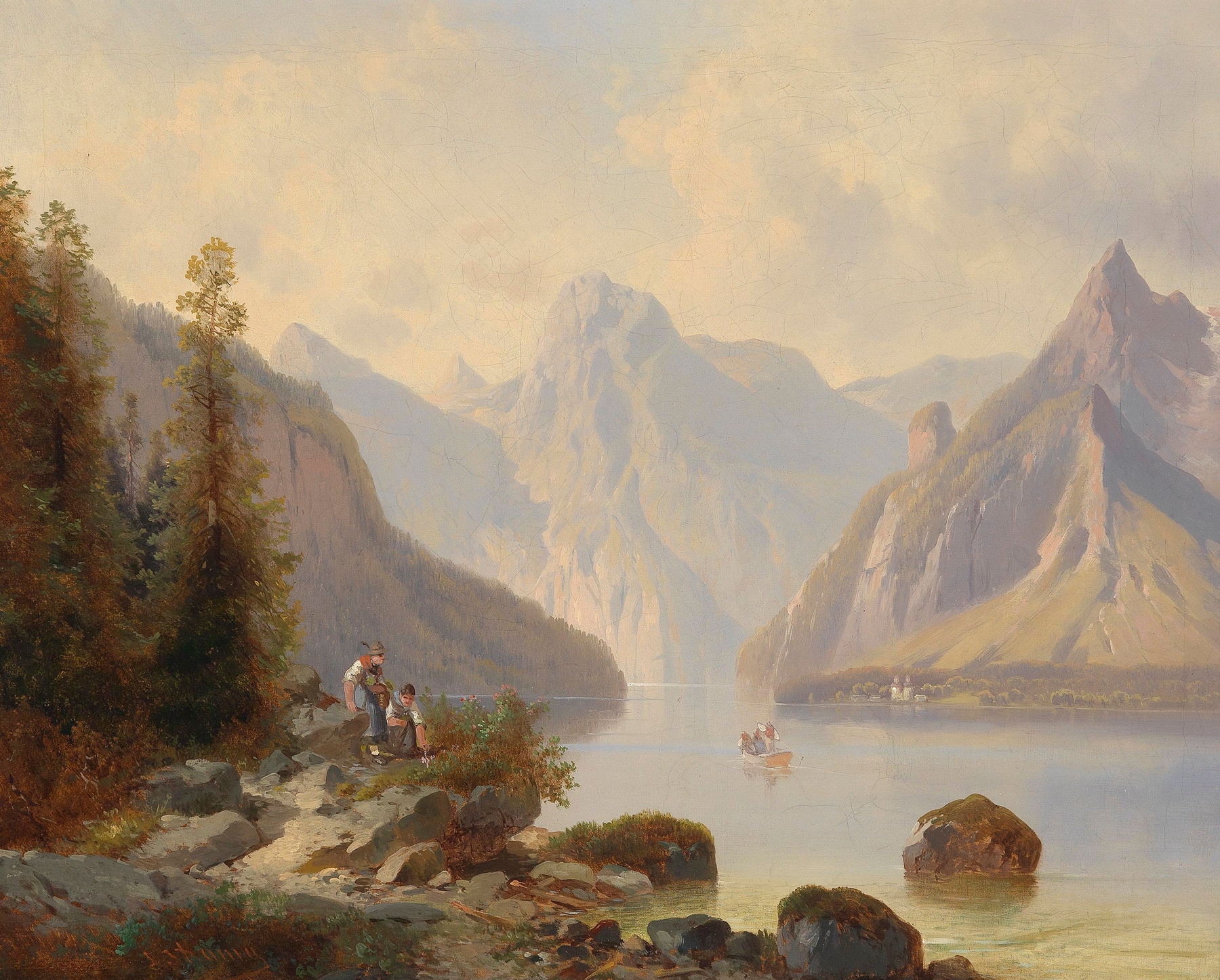
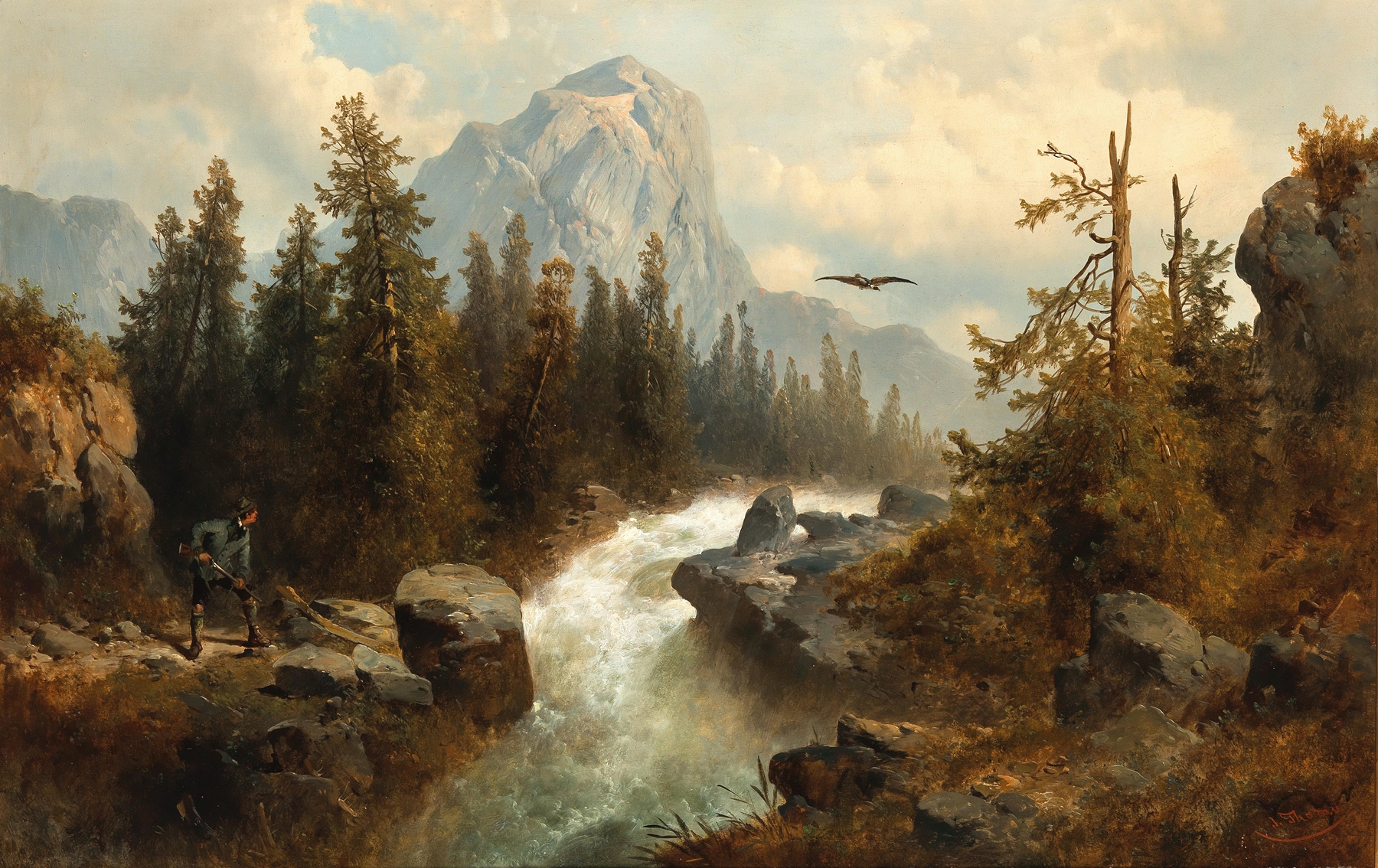
Can paint confess what words never could? In Hunting Birds of Prey at a Mountain Stream, innocence breathes through every brushstroke, inviting the viewer to explore the delicate balance between nature and the human experience. Look to the foreground, where a serene mountain stream glistens under the watchful gaze of towering trees. The soft hues of emerald greens and earthy browns evoke a sense of tranquility, while vibrant strokes define the fluttering movement of birds mid-hunt. Notice how the dappled light cascades through the branches, creating a play of shadow and brightness that accentuates the moment’s fleeting beauty.
The careful blending of colors reveals both the excitement of the chase and the stillness of the surrounding landscape. Yet beyond its surface charm lies an undercurrent of tension. The juxtaposition of the hunters and their prey serves as a reminder of nature’s ruthless cycle, where innocence is often marred by the instinct to survive. The scattered feathers, delicate yet poignant, hint at the fragility of life, while the still stream represents both a moment of calm and the inevitability of change.
This subtle interplay invites reflection on the choices we make within the confines of our own existence. Josef Thoma created this work during a time of transition in the late 19th century, a period marked by an increasing fascination with the natural world. Living in Austria, he was influenced by the burgeoning Romantic movement, which emphasized emotion and the sublime beauty of nature. Thoma's exploration of innocence and the complex relationship between humanity and the wild captures the essence of his artistic journey, while also resonating with a deeper universal truth.