I. Burggarten — History & Analysis
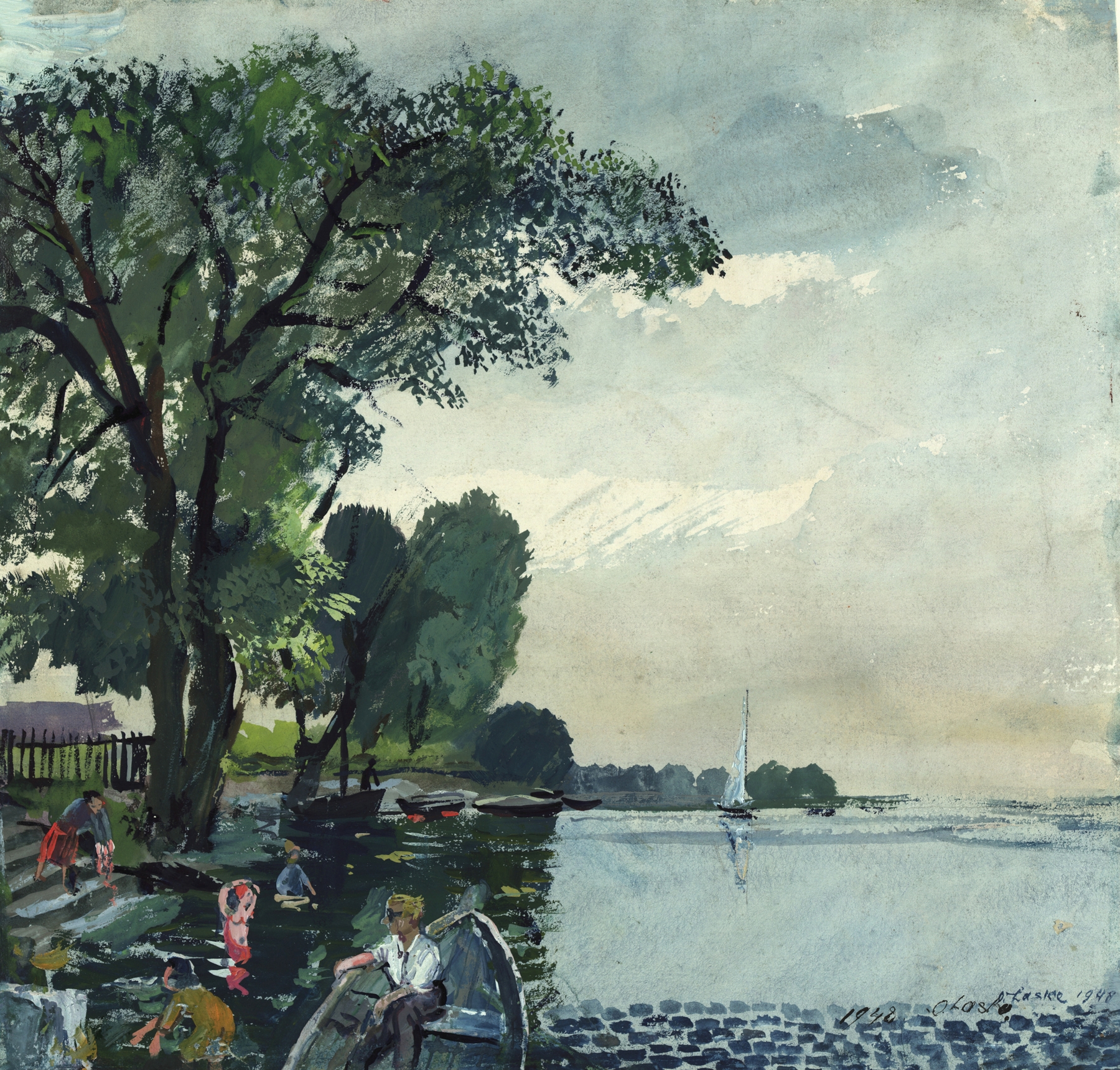
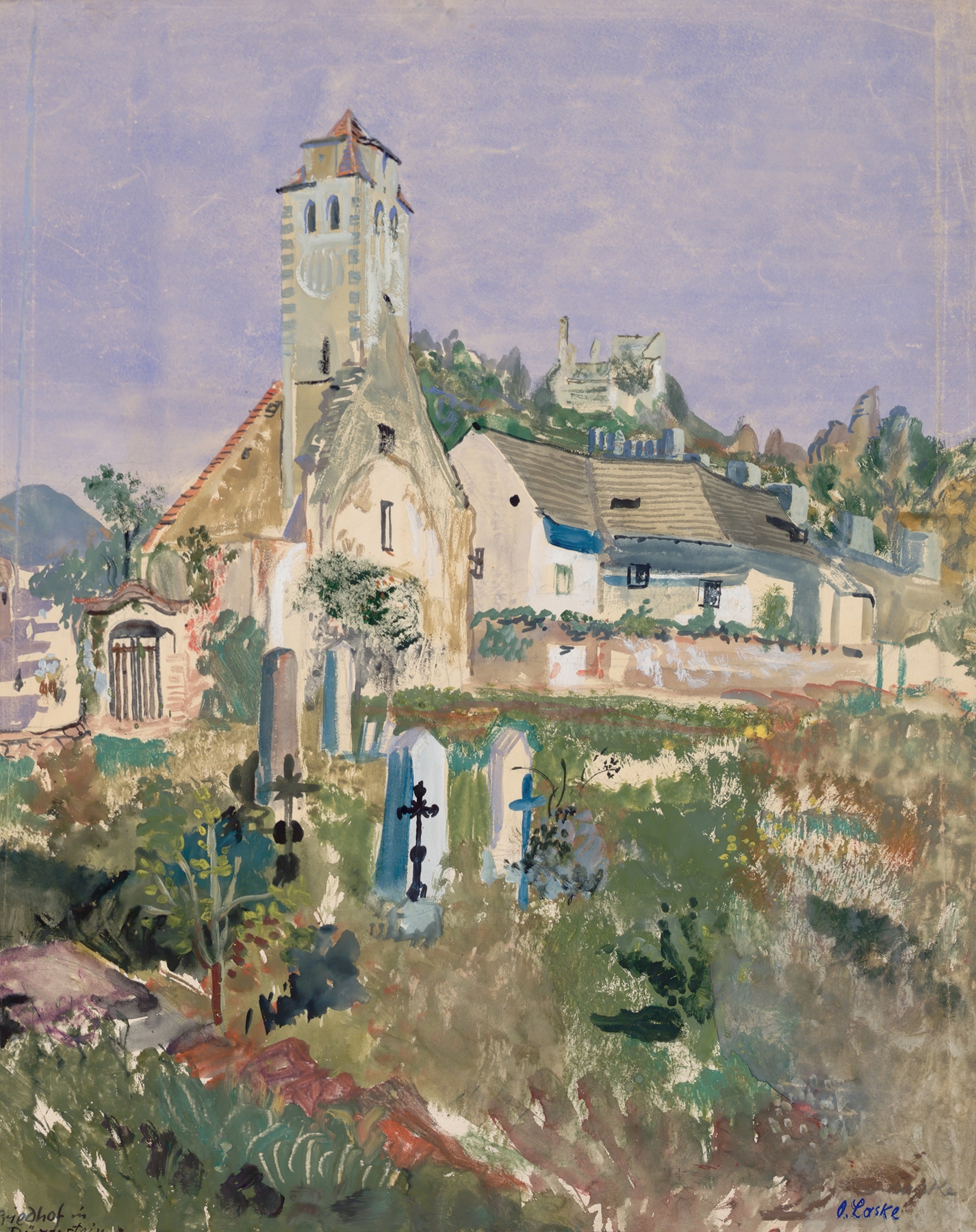
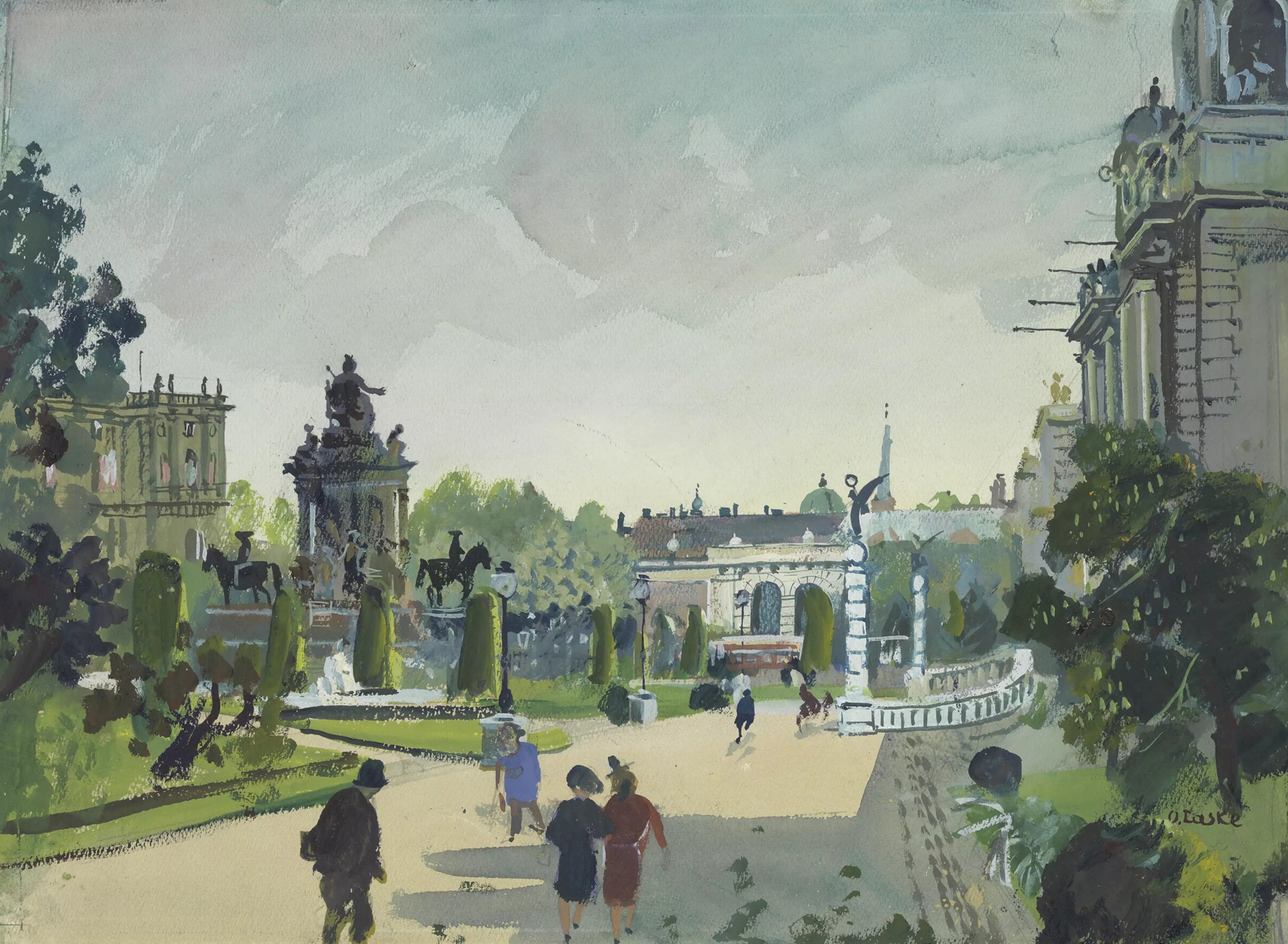
When did color learn to lie? In a world where beauty can disguise brutality, this artwork invites us to question the true nature of what we see. Focus on the striking contrast of lush greens and deep, shadowy hues that envelop the garden scene. The vibrant foliage bursts with life, yet beneath this vivid surface lies an unsettling tension, suggesting a hidden violence within the tranquility.
Notice how the light dapples through the leaves, illuminating certain areas while casting others into darkness, creating a haunting duality that compels the eye to wander and ponder. The interplay of color reveals more than mere aesthetics; it serves as a metaphor for the conflict between serenity and chaos. Each stroke is meticulously crafted, yet the erratic splashes of darker tones hint at an underlying turmoil. The viewer might feel as if they are standing at the precipice of a moment, where beauty teeters on the brink of the unsettling, echoing the complexities of the human experience and its often concealed violence.
Oskar Laske painted this piece in 1950, during a period when post-war Europe was grappling with the scars of conflict and the quest for identity amid unprecedented change. Immersed in the art scene of Vienna, Laske was influenced by the stylistic movements around him, seeking to express the emotional weight of his times. This work illustrates not only his skill but also the pervasive sense of unease that hung over a society striving to reconcile its past with a hopeful future.