Ideale Landschaft mit Fluss und Brückenruine (Der Morgen) — History & Analysis
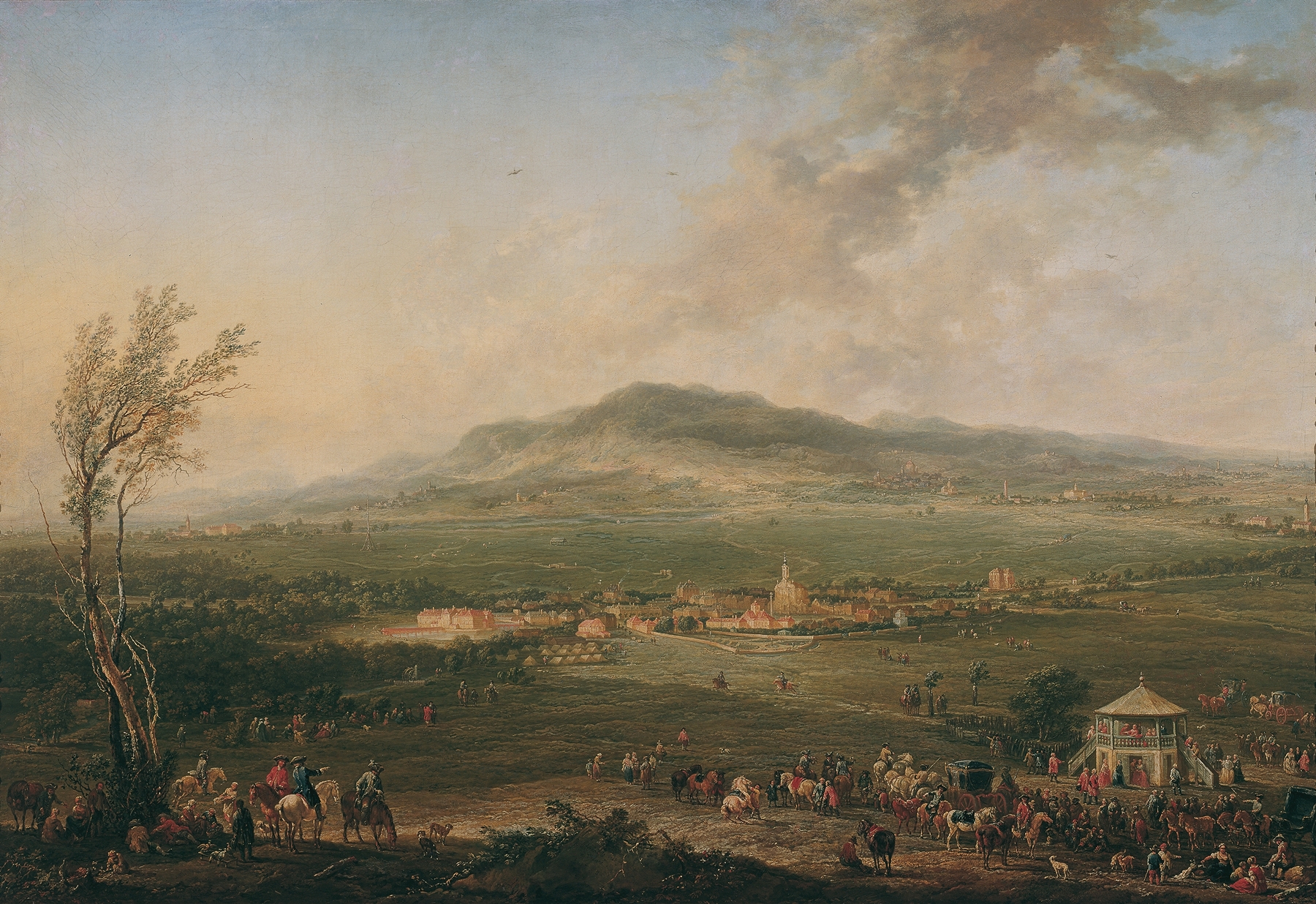
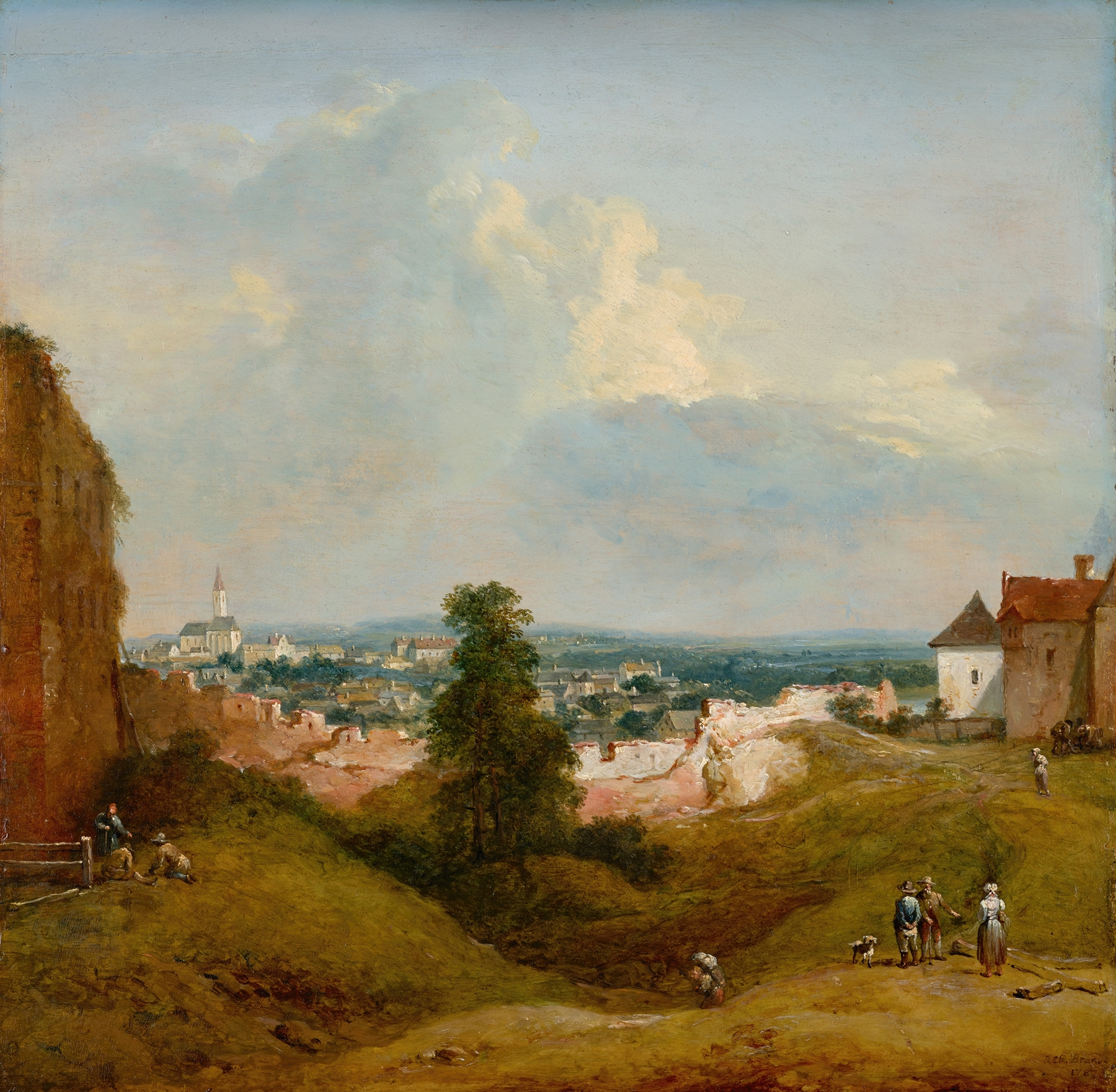
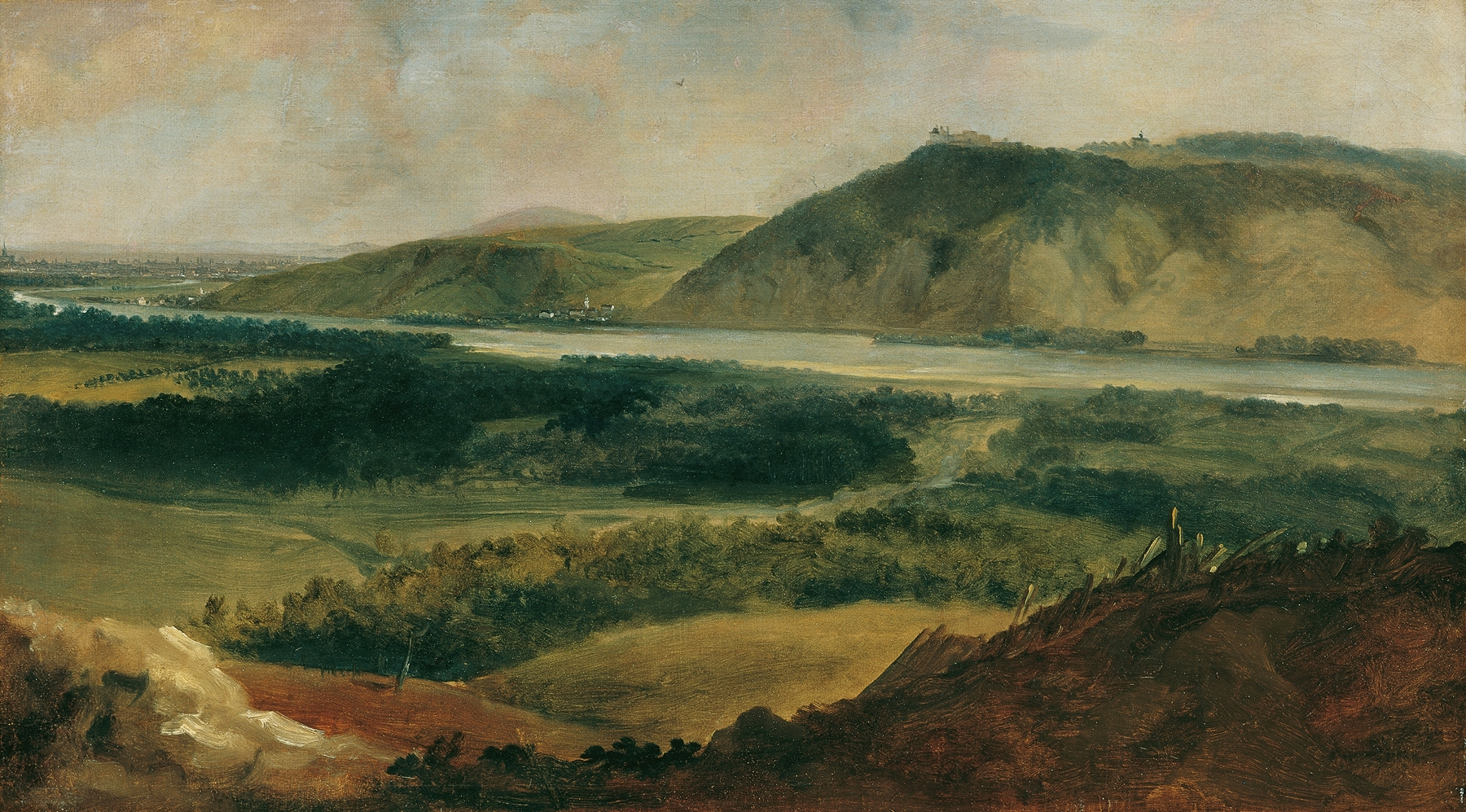
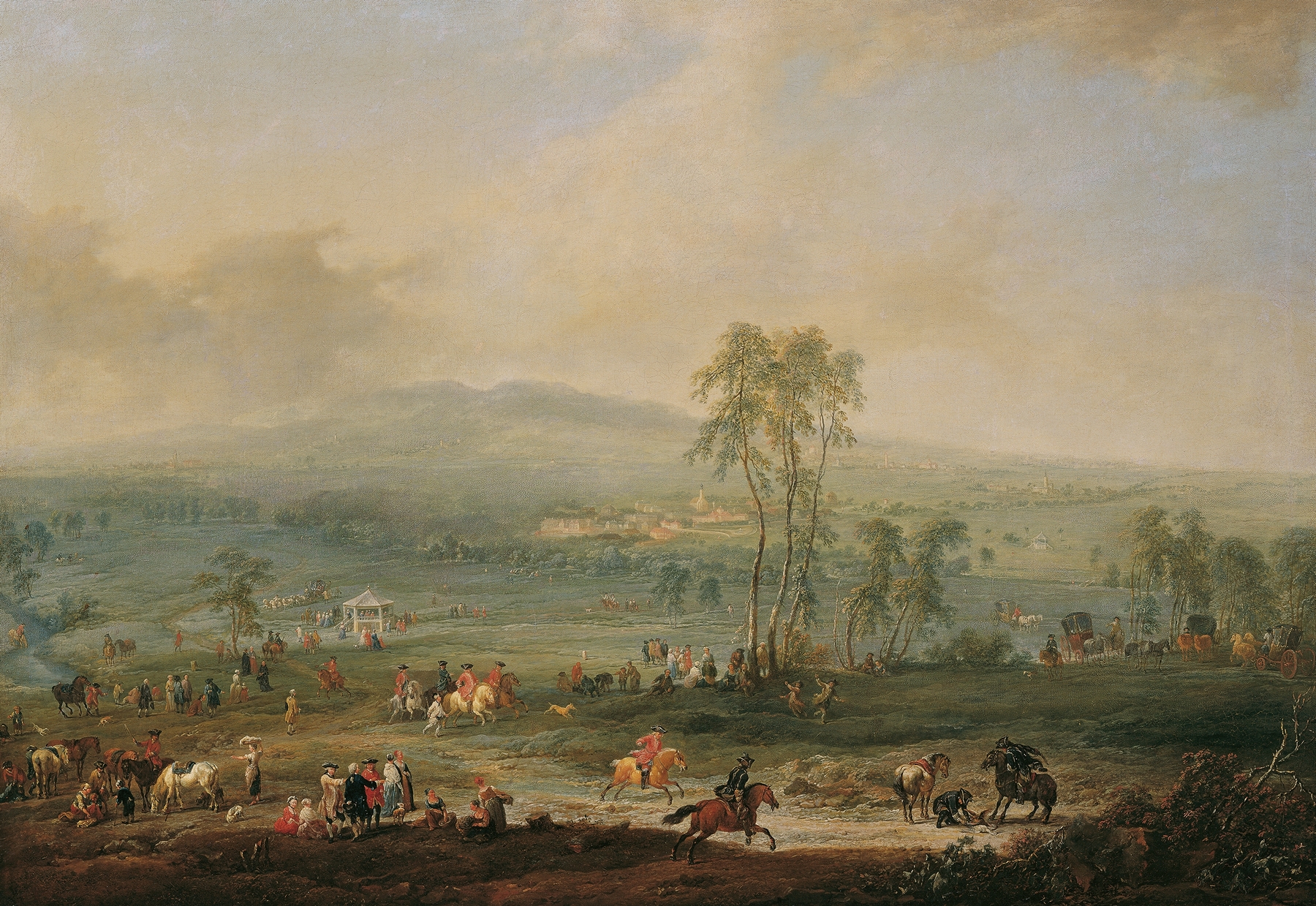
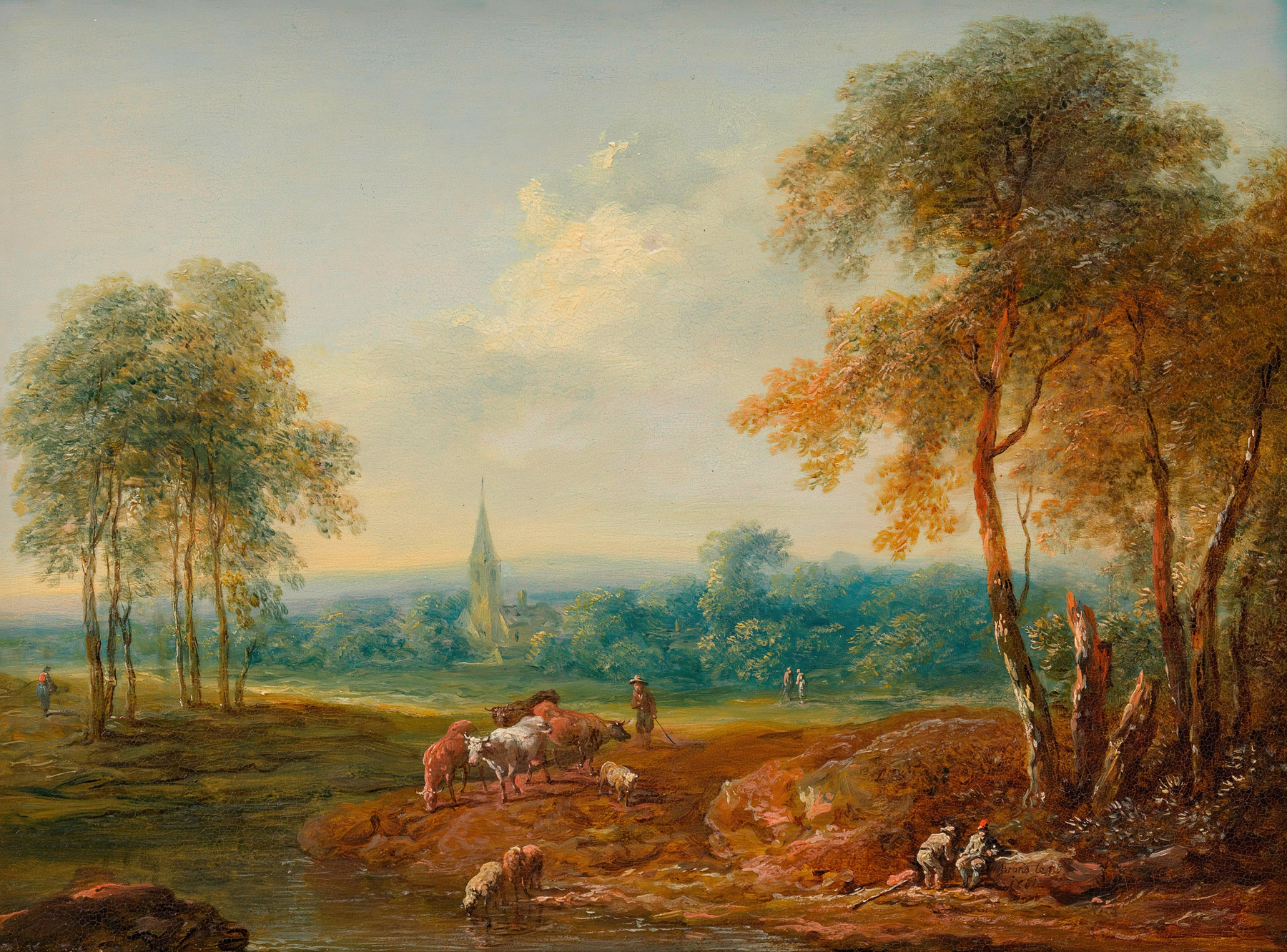
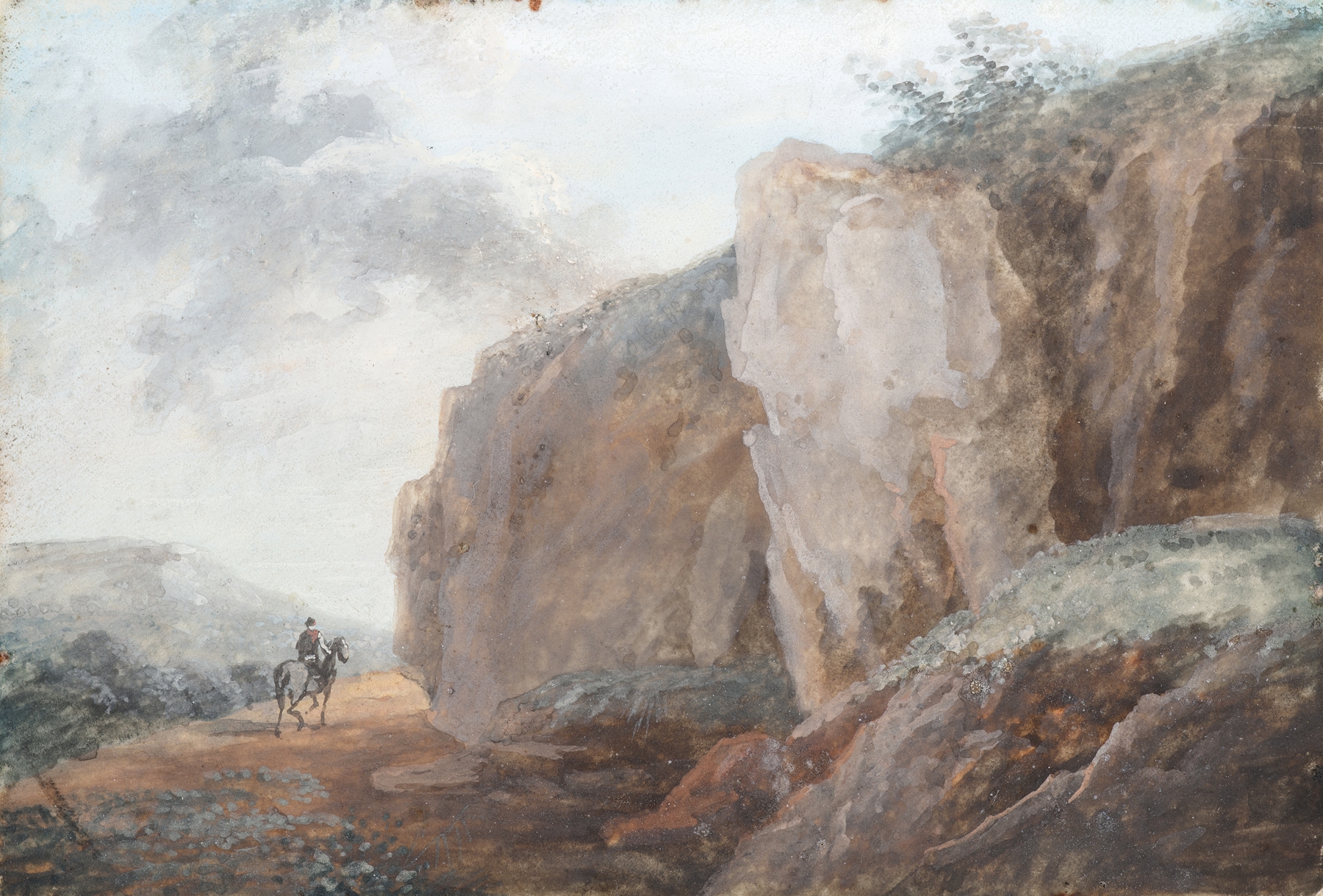
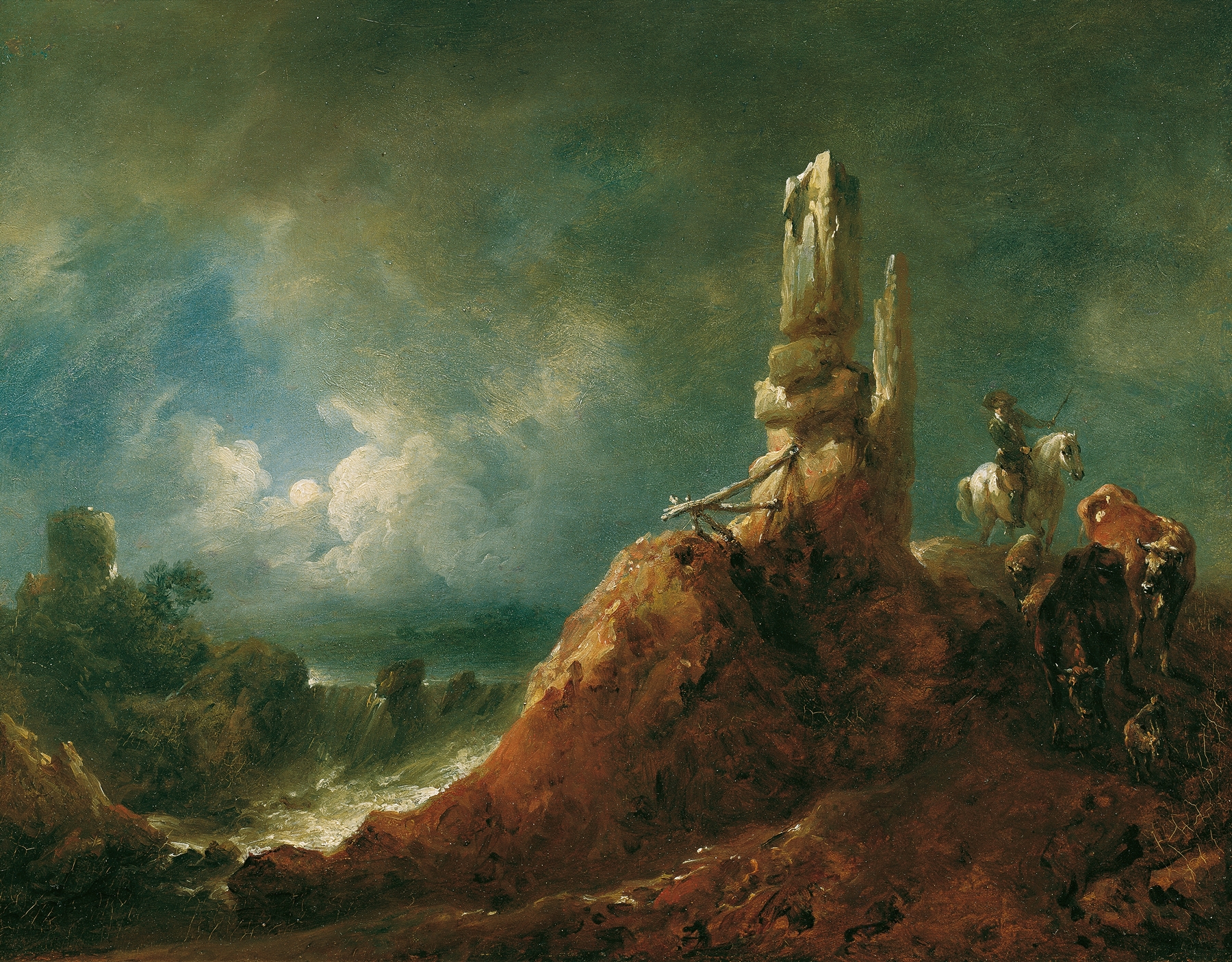
“The canvas doesn’t lie — it simply waits.” In the silence of visual art, illusions unfold, revealing layered realms beneath the surface. What do we perceive when we look closer, and how does it shape our understanding of reality? Focus first on the serene river that flows horizontally across the painting, its shimmering surface reflecting the early morning light. Look to the left where a delicate bridge hints at forgotten stories, its crumbling stones softly embracing the verdant landscape.
The soft palette — muted greens and warm pastels — creates a dreamlike ambiance, inviting the viewer to linger in this idyllic setting. Notice how the gentle brushstrokes evoke a sense of tranquility, yet suggest an atmosphere weighted with nostalgia. Delve deeper into the contrasts at play: the fleeting beauty of nature juxtaposed with the decay of human structures. The river, a symbol of time, flows effortlessly past the bridge's remnants, hinting at the passage of life and the inevitability of change.
The ethereal light that bathes the scene suggests hope and renewal, while the ruin implies loss and the passage of time — an invitation to reflect on one's own impermanence. Johann Christian Brand created this landscape between 1770 and 1780, during a period when Romanticism began to influence art. Living in Germany, Brand was captivated by the natural world, seeking to portray its beauty alongside human interventions. This work reflects the era's fascination with the sublime and the interplay between nature and civilization, a theme that resonates deeply across centuries.