Prisoners on a Projecting Platform — History & Analysis
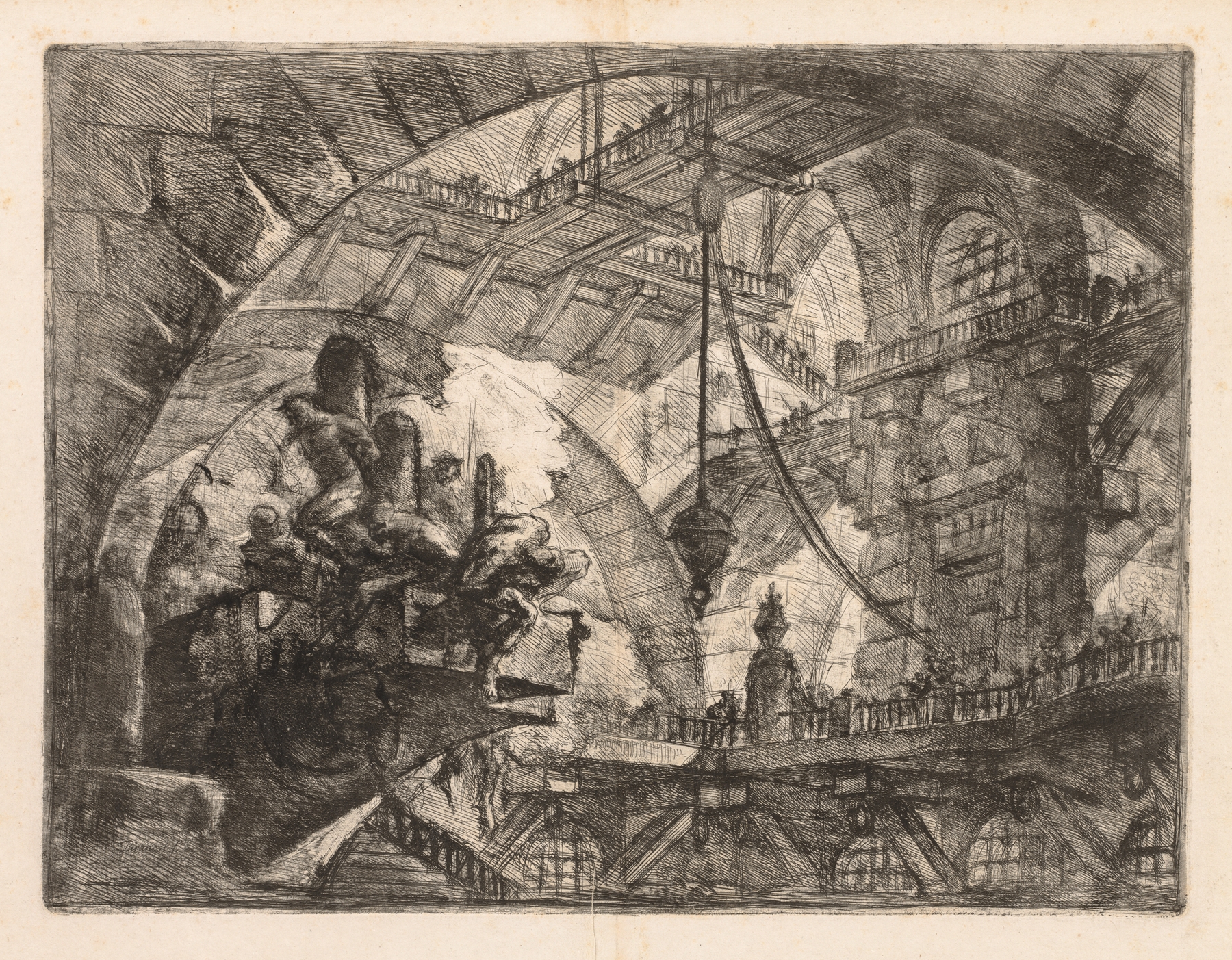
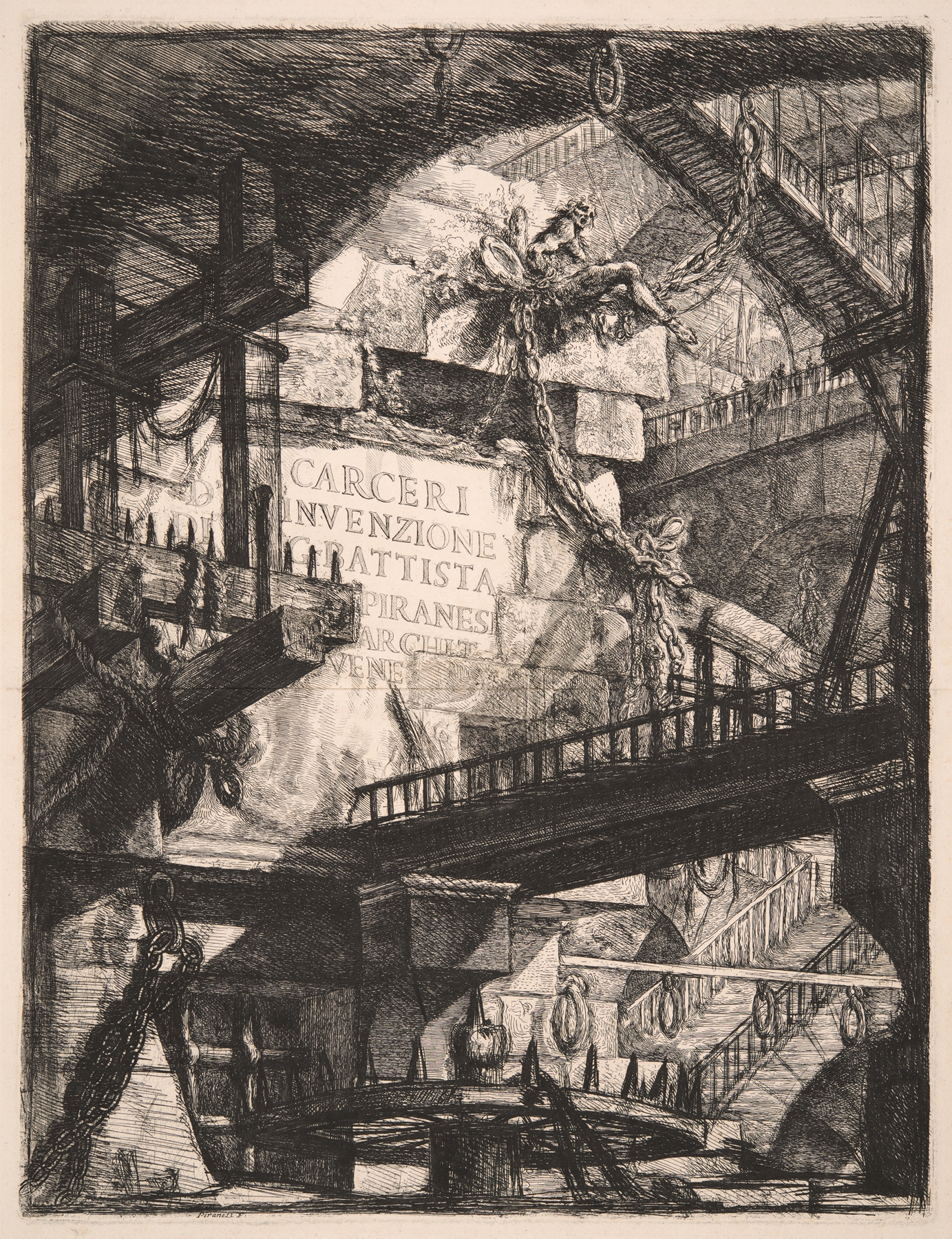
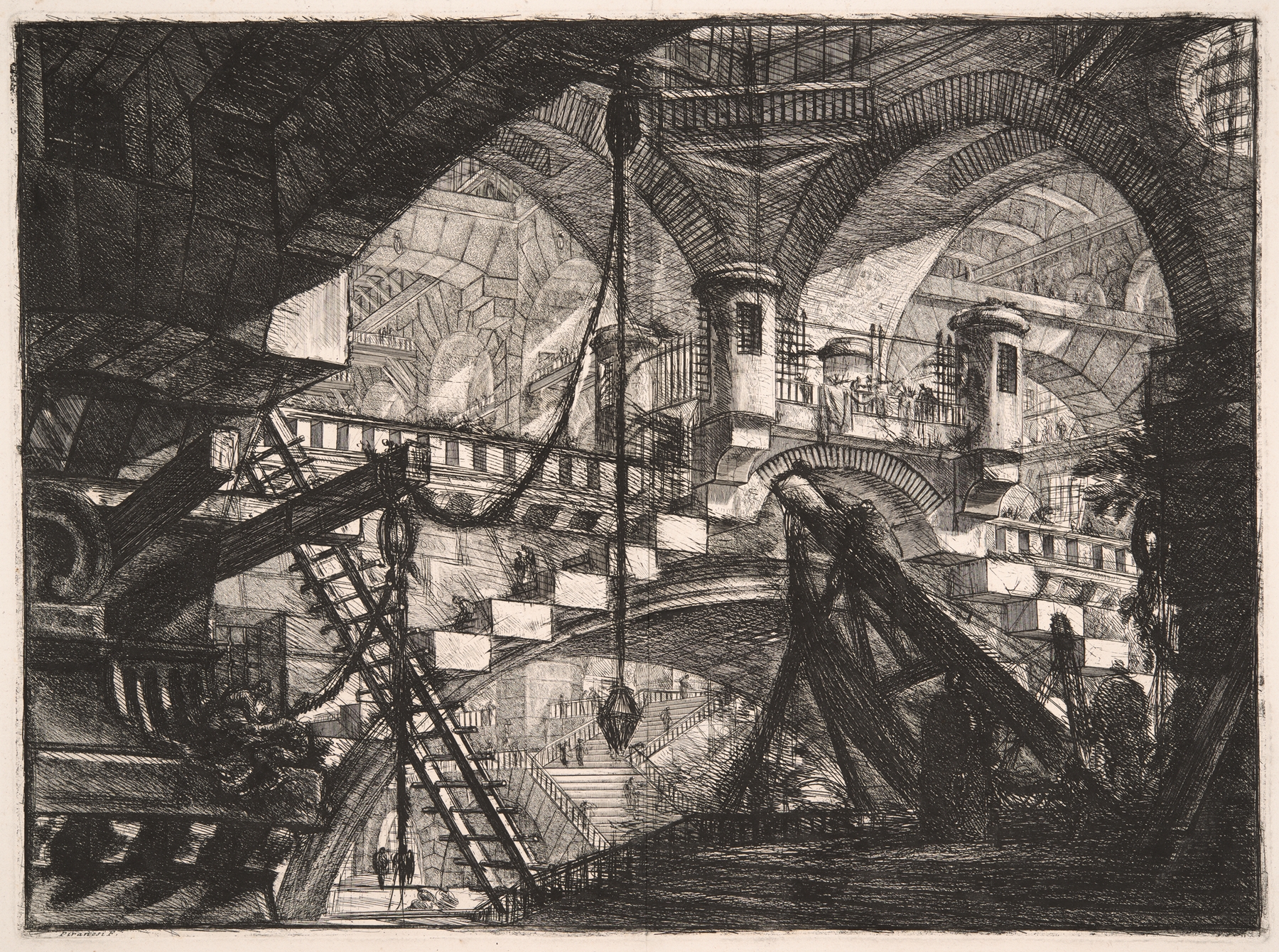
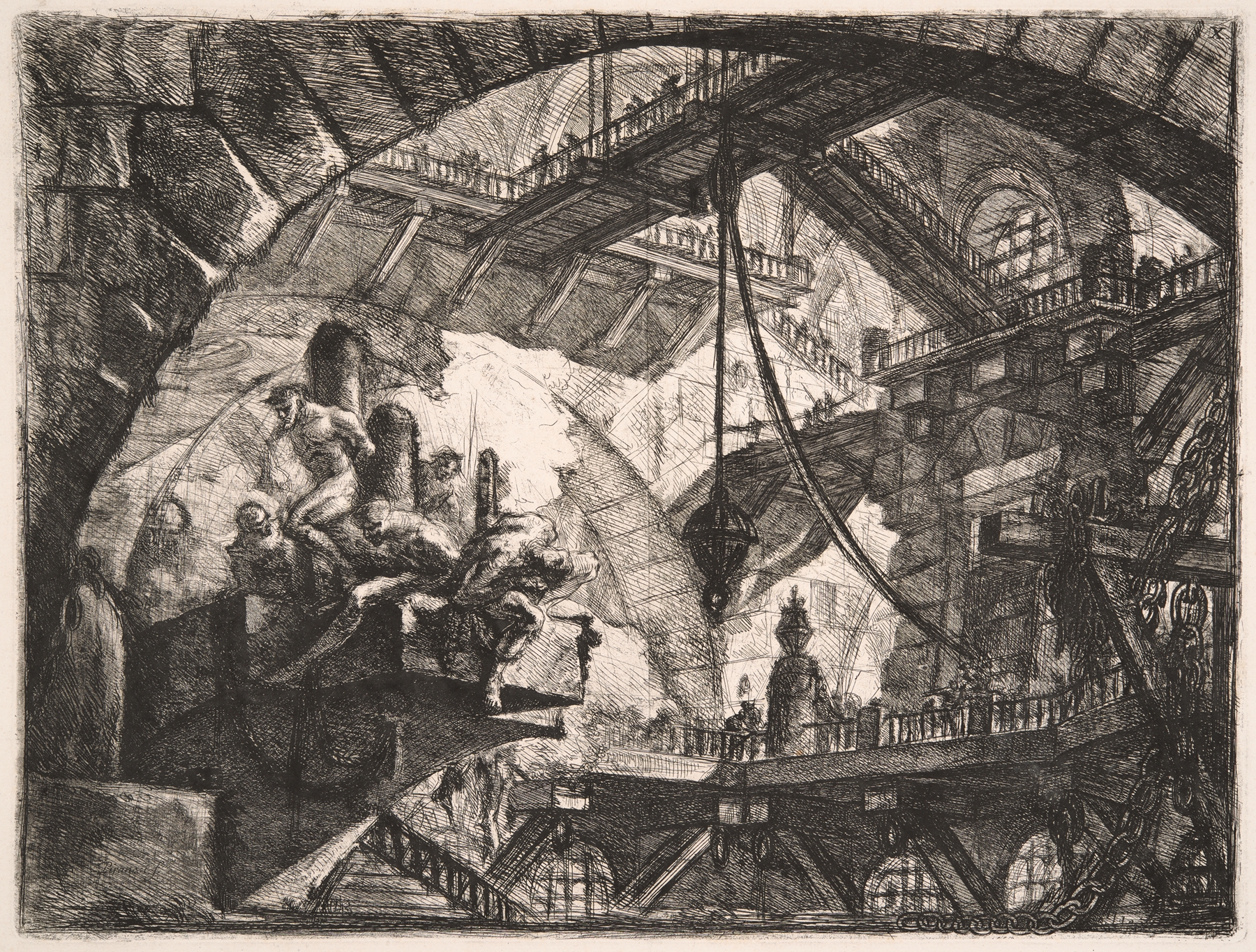
“Every silence here is a confession.” In the haunting stillness of Prisoners on a Projecting Platform, shadows loom larger than life, creating a sense of confinement that is palpable and gripping. The interplay between light and dark reveals the emotional weight of imprisonment, inviting viewers to peer into the void of despair and isolation. Look to the foreground where stark architectural elements jut out, framing the figures of prisoners poised at the edge of a precipice. The chiseled details of the platform's ancient stone contrast sharply with the soft, fleeting light that bathes the scene, guiding the eye to the prisoners’ fragile silhouettes.
Notice how the delicate use of chiaroscuro emphasizes their resignation; their bodies, caught between hope and hopelessness, emerge from the depths of shadow as if striving for a freedom they cannot reach. Beneath the surface, the painting invokes a deeper dialogue around the nature of power and captivity. The imposing structures surrounding the prisoners symbolize authority and entrapment, while their positioning on the platform hints at a precarious balance between visibility and obscurity. The artful use of shadow casts doubt on their fate—are they merely spectators in their own suffering, or do they still cling to dreams of escape?
Each brushstroke encapsulates an emotional tension between despair and resilience. In 1761, Piranesi, already recognized for his evocative etchings of architecture, created this work during a time of artistic exploration and innovation in Europe. Living in Rome, he was deeply influenced by the ruins of classical antiquity, often grappling with themes of decay and memory. This piece reflects his preoccupation with the human condition, merging the grandeur of architecture with poignant narratives of struggle and confinement, echoing the socio-political uncertainties of his era.