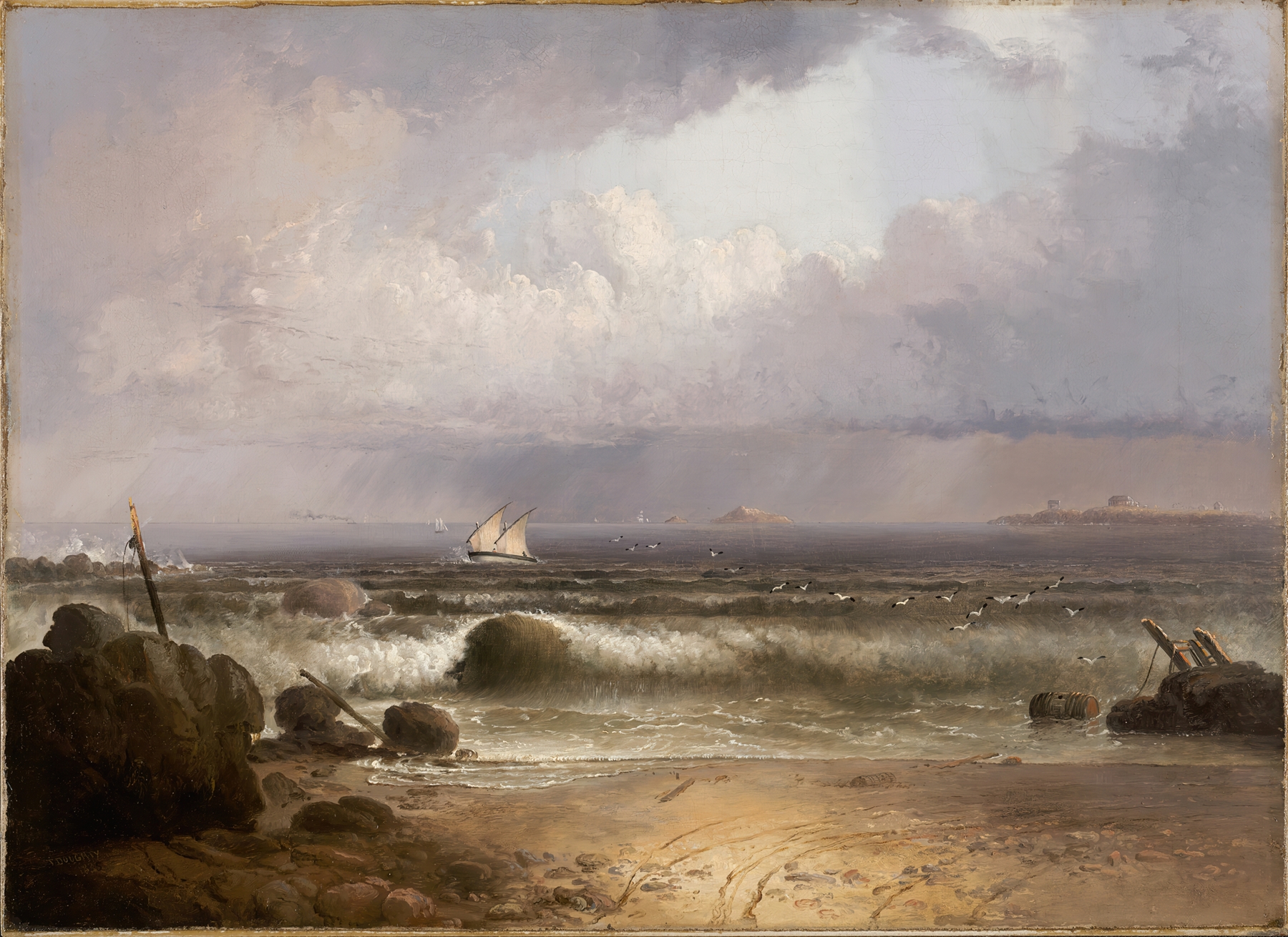
In Nature’s Wonderland — History & Analysis
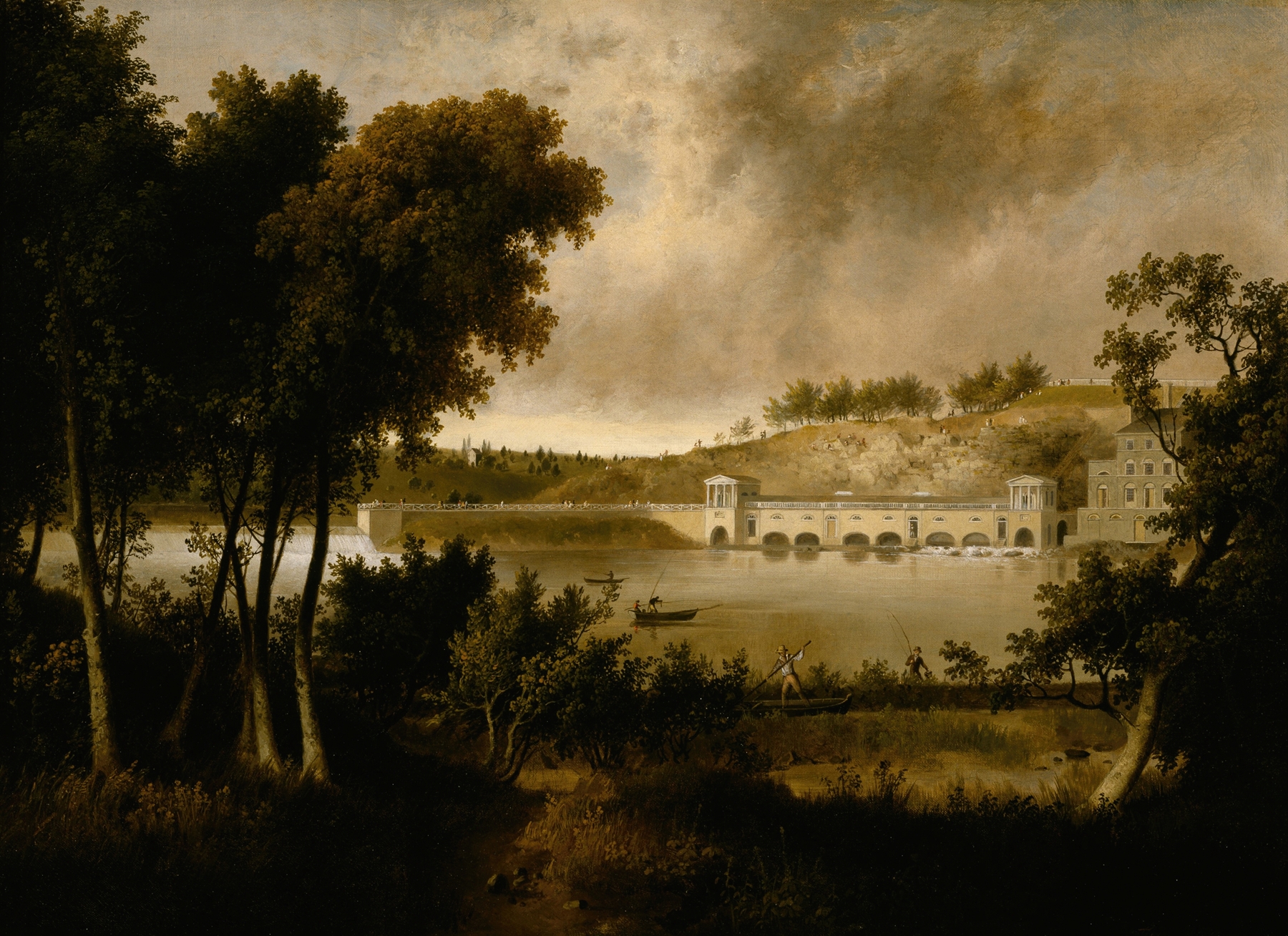
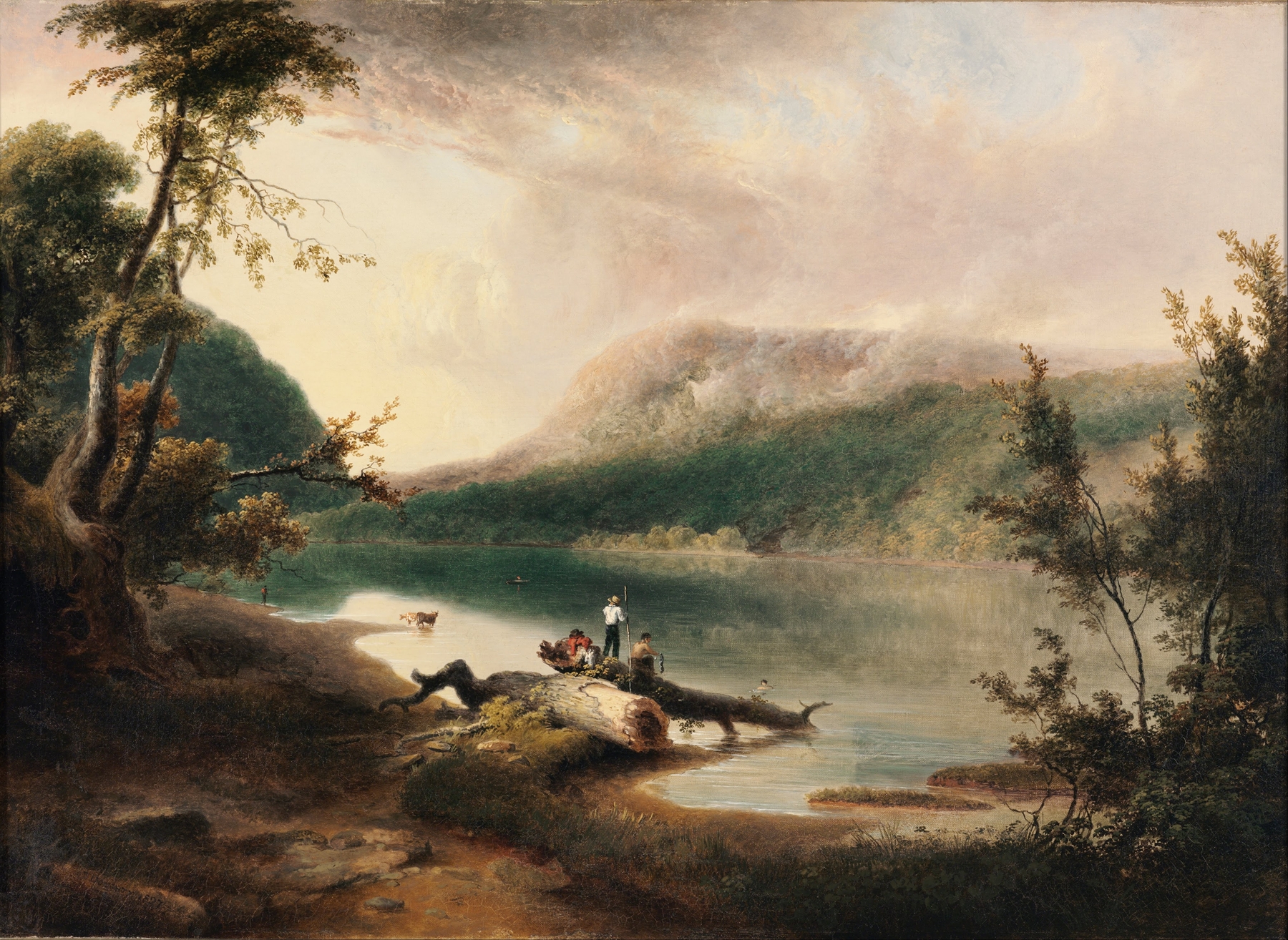
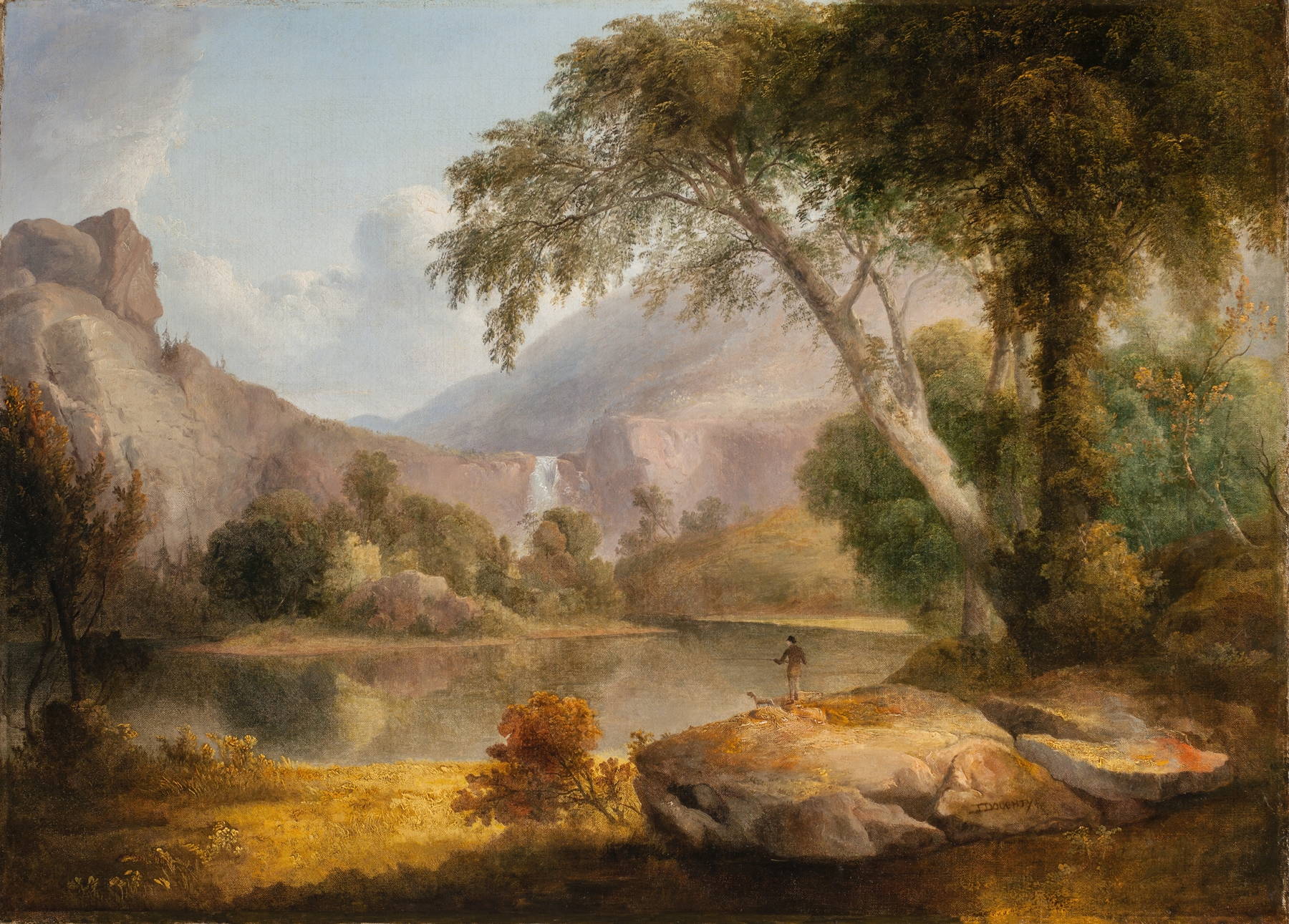
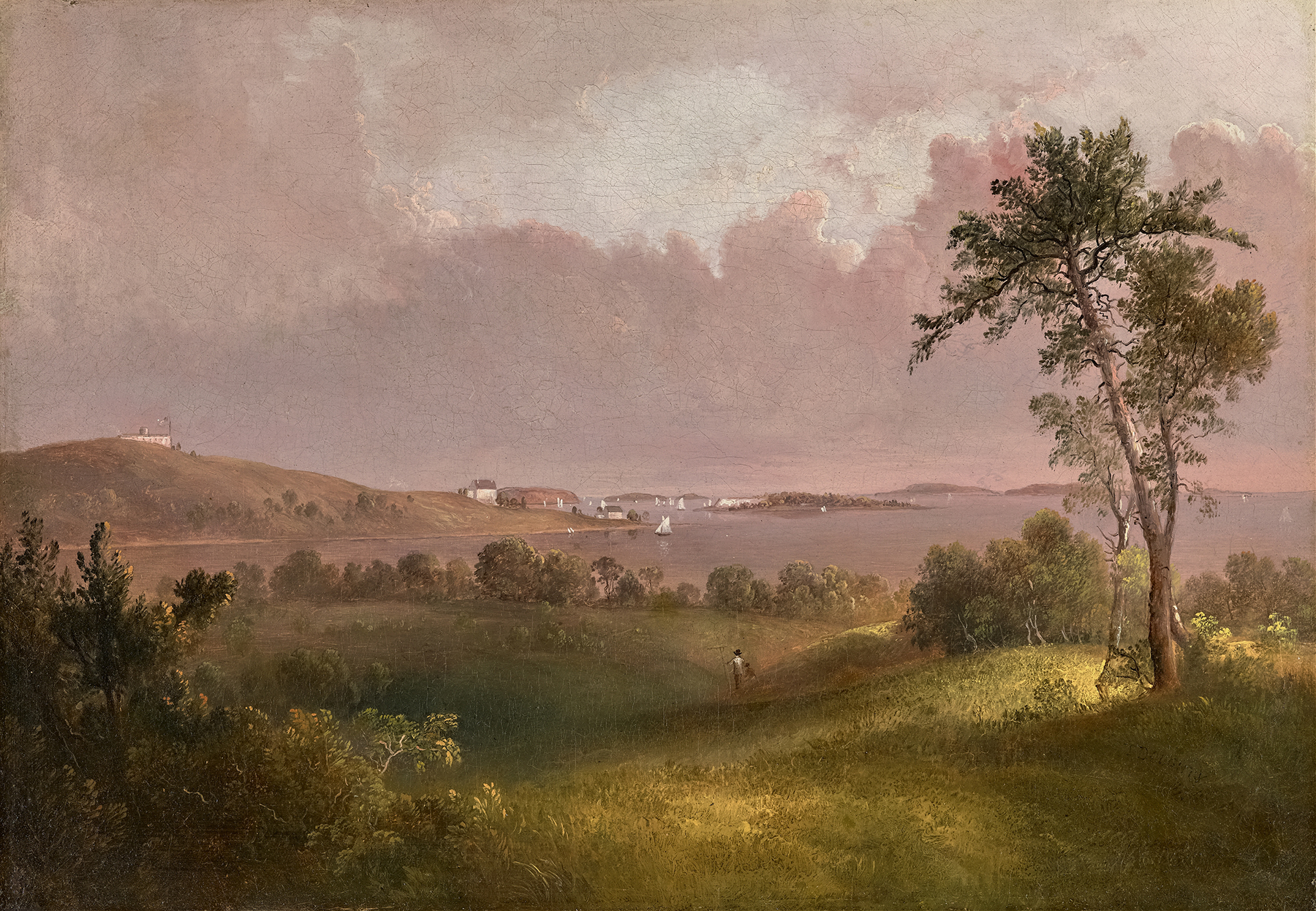
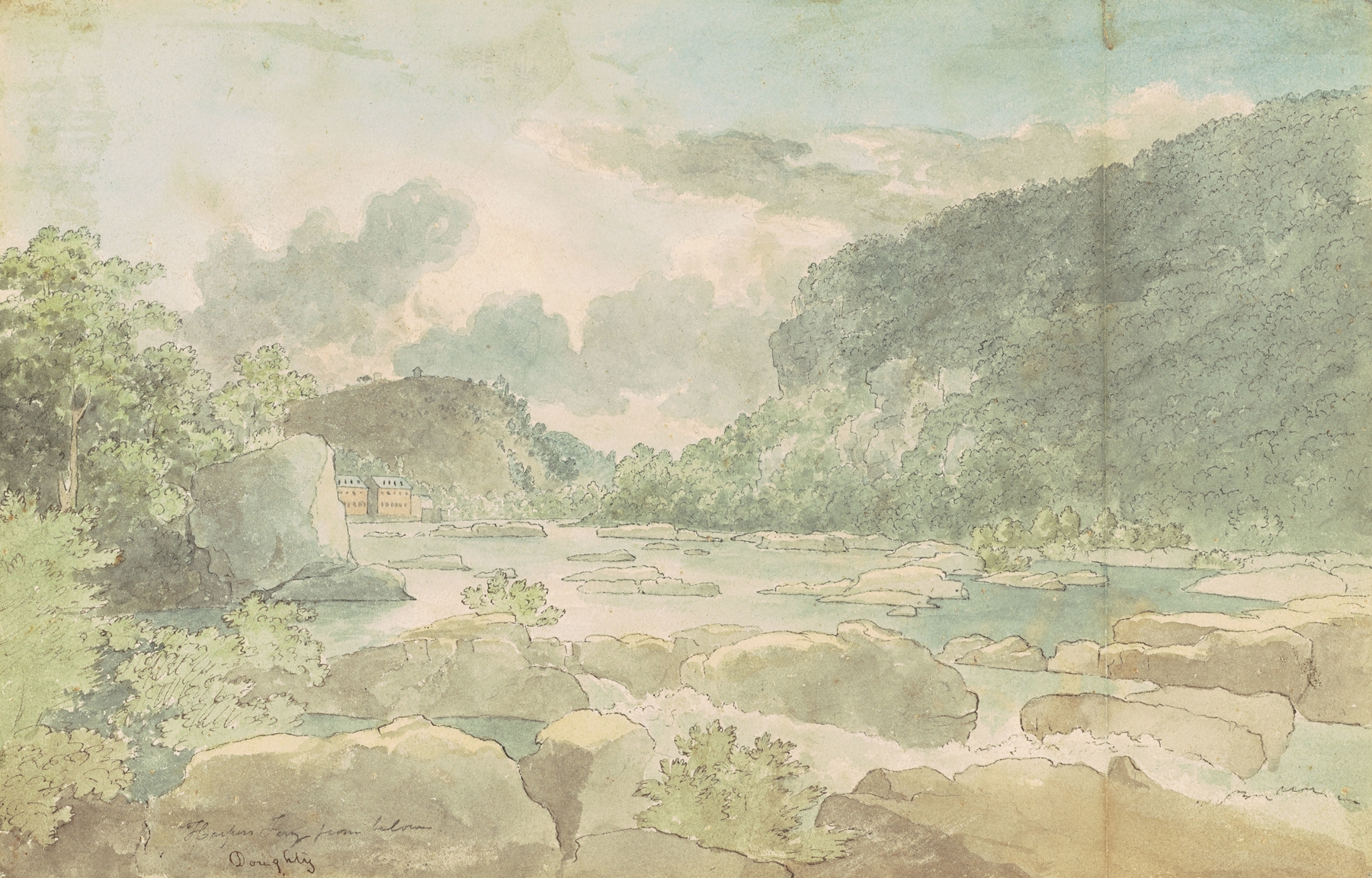
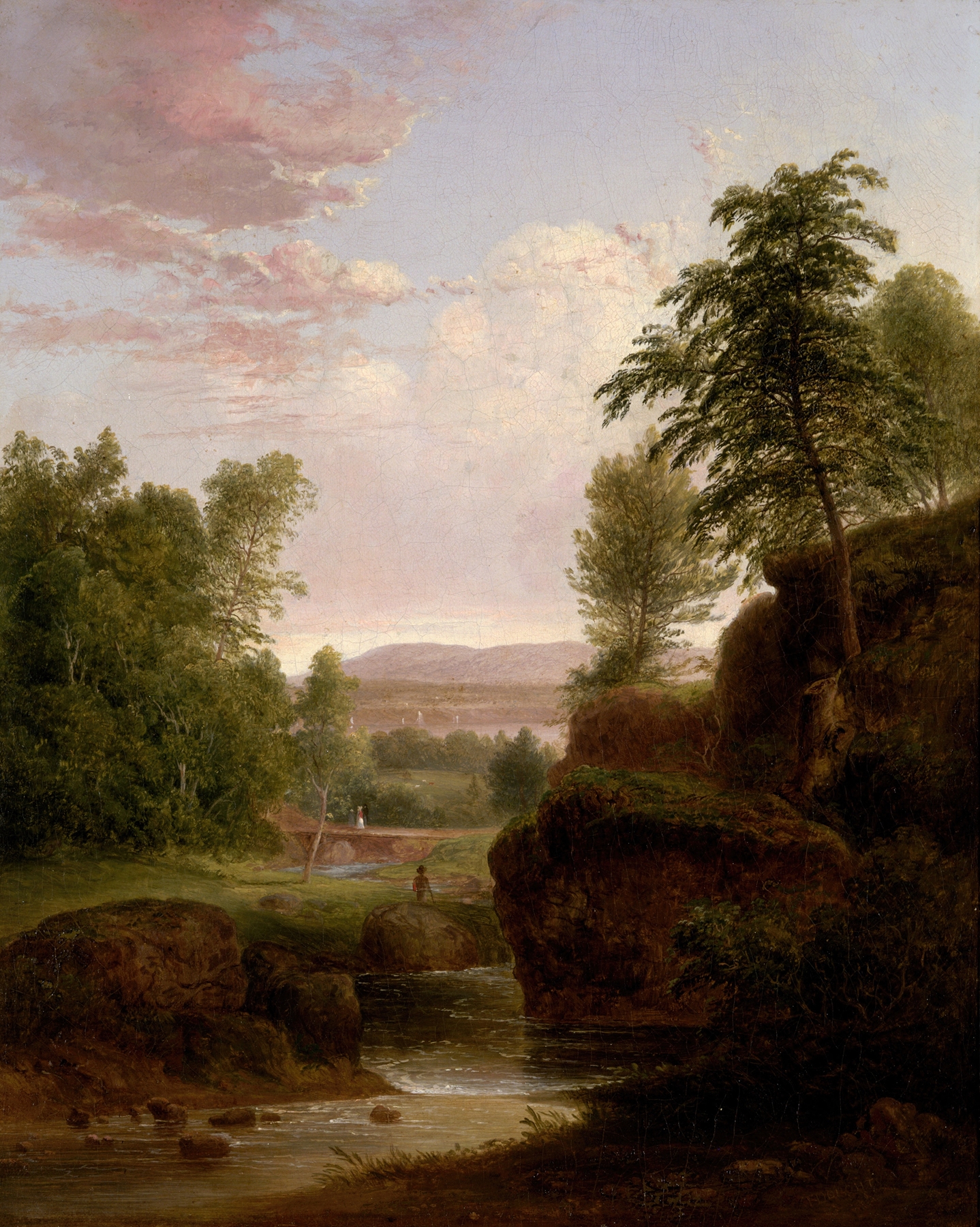
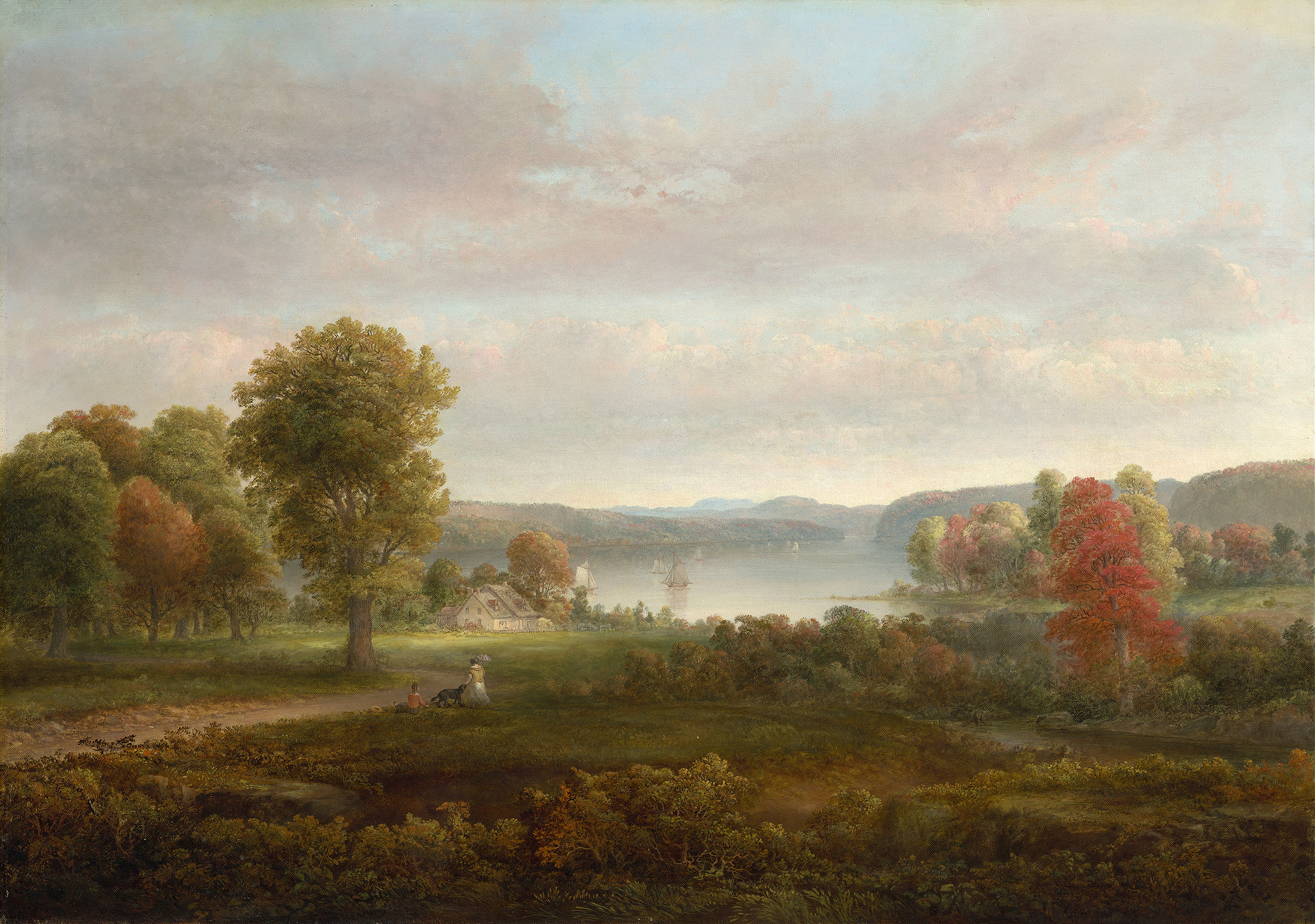
“Between color and silence, truth hides.” In Nature’s Wonderland invites the viewer into a sacred dialogue between the ethereal and the earthly, a space where divinity whispers through the hues of landscape. Look to the left at the delicate interplay of light filtering through the trees, illuminating the lush undergrowth. The composition is masterfully balanced, with a serene river winding through the scene, reflecting the vibrant greens and warm browns of the surrounding foliage. Notice how the soft brushstrokes evoke a sense of tranquility while the palette offers a harmonious blend of vivid colors, each stroke contributing to the canopy of life above.
Beneath this picturesque charm lies a deeper conversation about nature's role in spirituality. The towering trees can be seen as guardians of secrets, their majesty hinting at the divine presence within the ordinary. The river, a symbol of transition and flow, suggests an eternal cycle of life and rebirth, inviting contemplation about humanity’s connection to the natural world. Hidden in the gentle shadows and bright highlights are the whispers of solitude and reflection, urging the viewer to pause and listen.
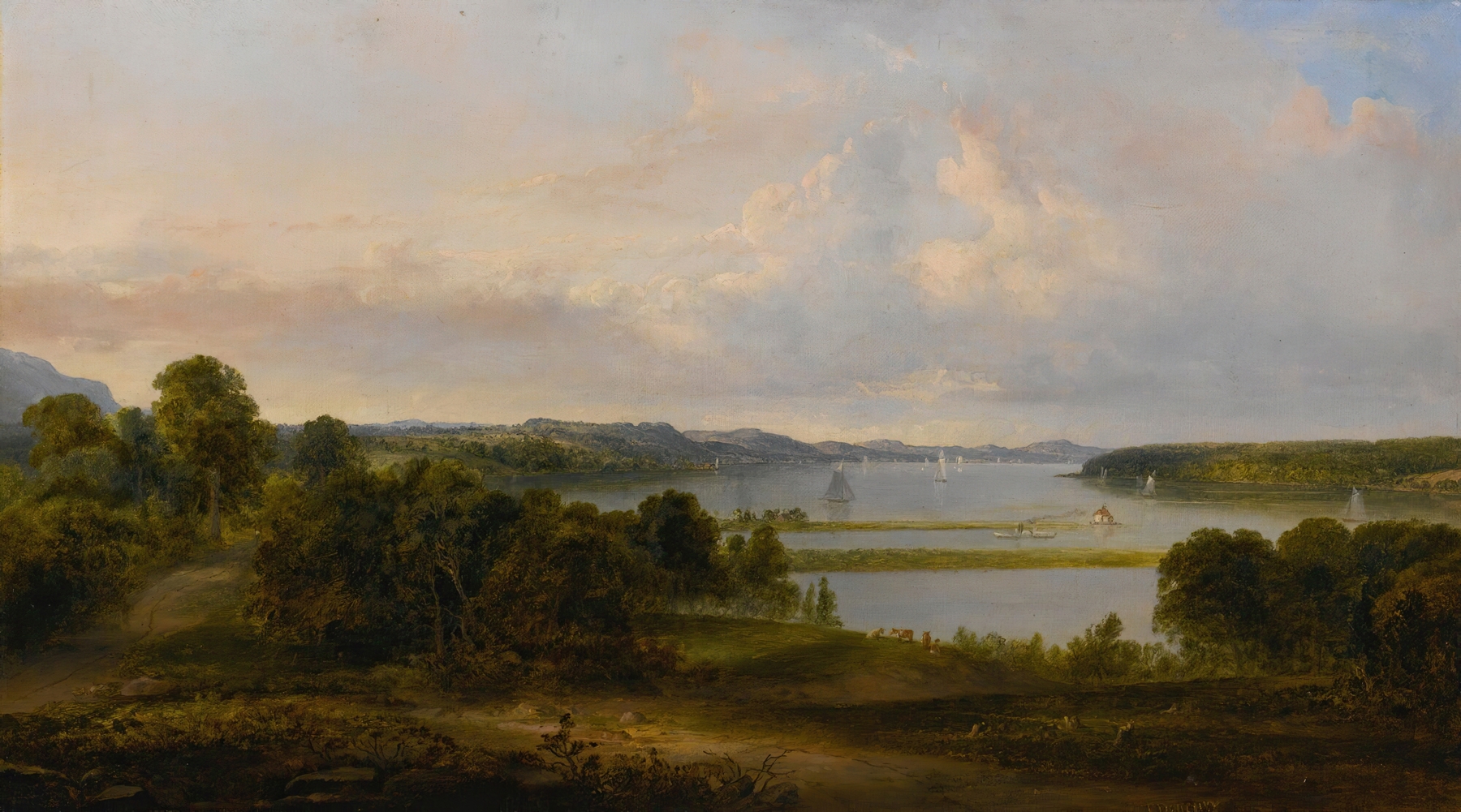
In 1835, Thomas Doughty painted In Nature’s Wonderland during a time when America was exploring its own identity, both culturally and artistically. He was part of a burgeoning movement that sought to elevate landscape painting as a serious genre, reflecting the Romantic ideals of nature’s beauty and spiritual significance. Doughty’s work emerged amidst a shift toward valuing the American landscape, capturing the essence of a nation still in the midst of its wilderness.