Indian Encampment – Evening — History & Analysis
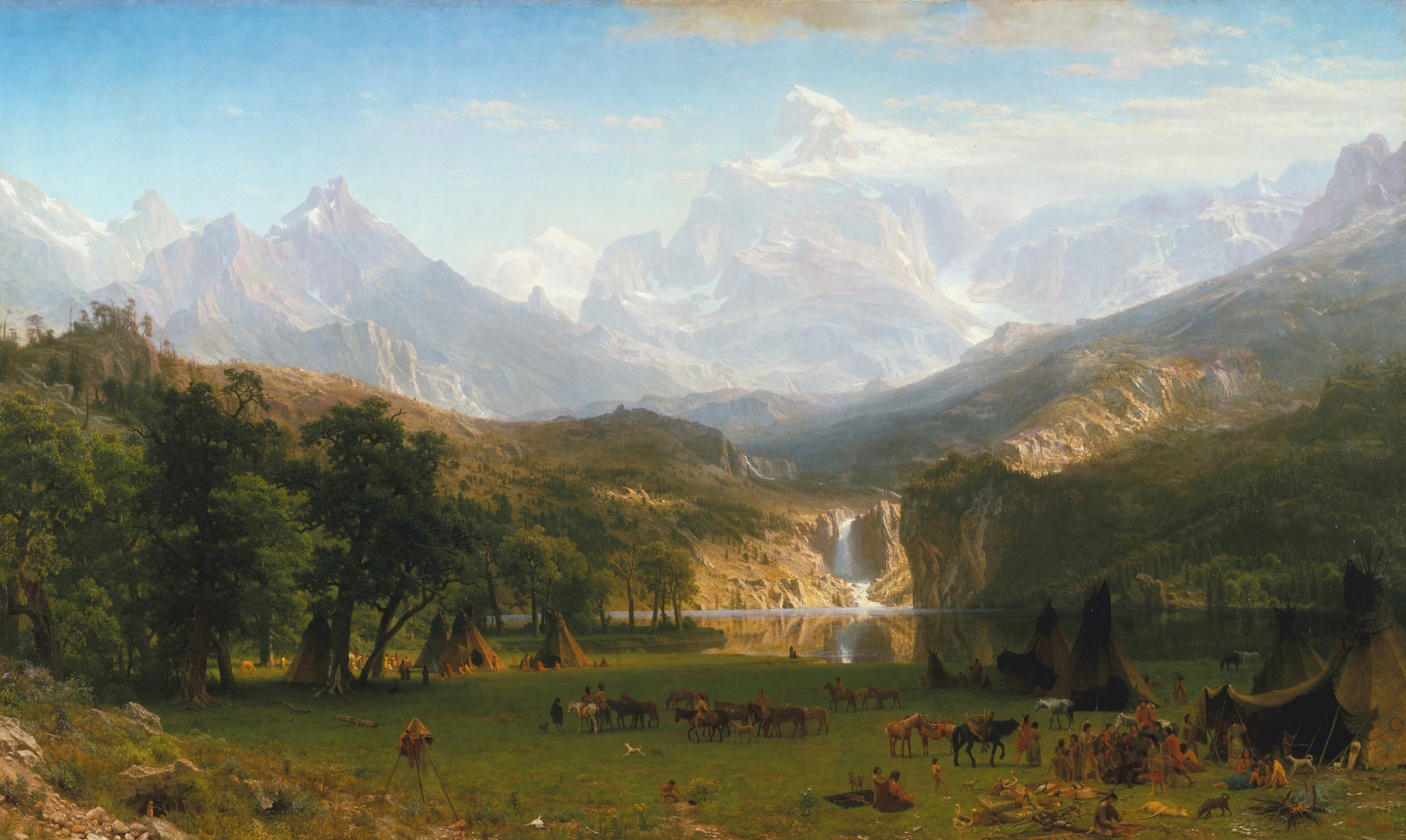
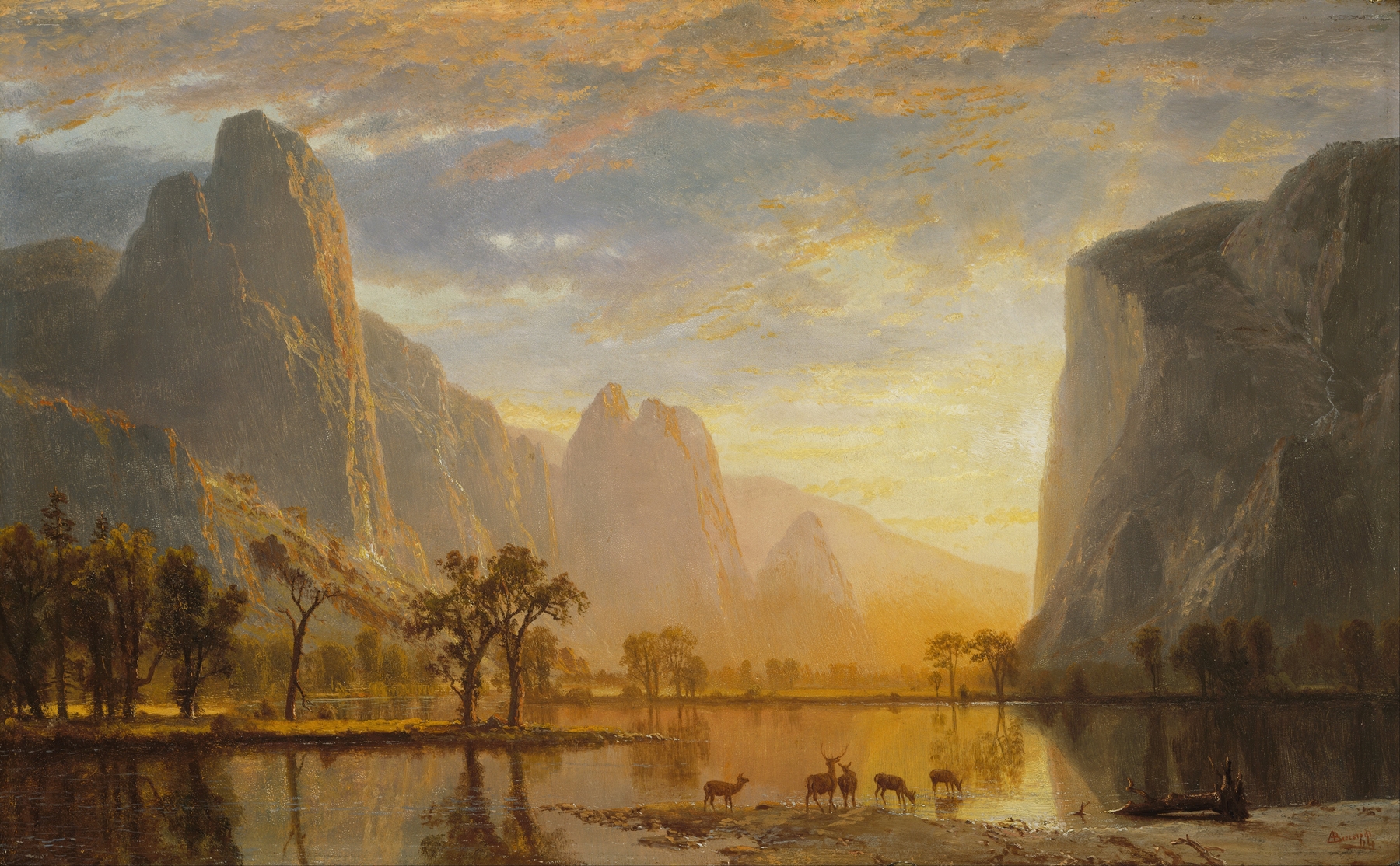
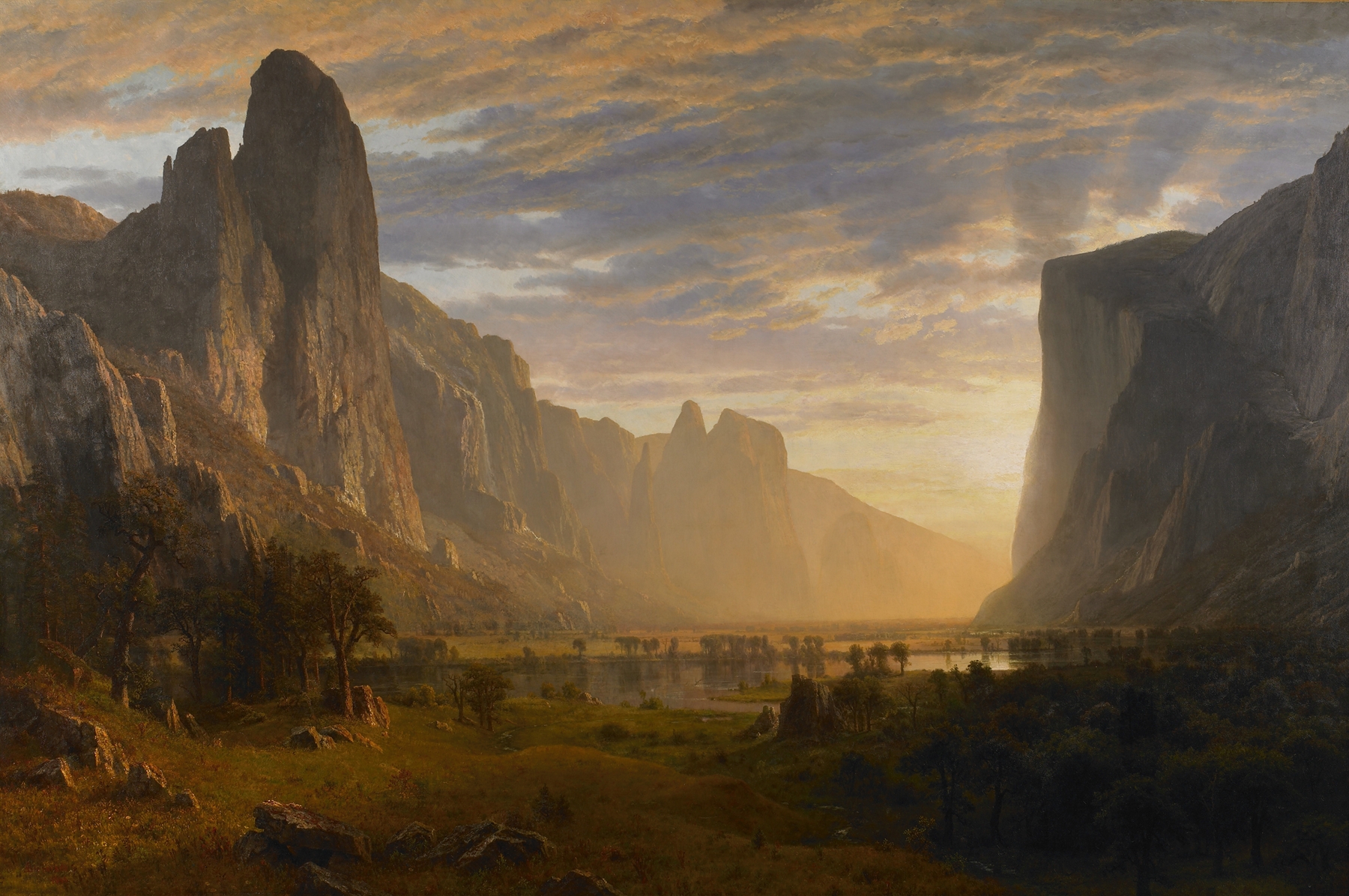
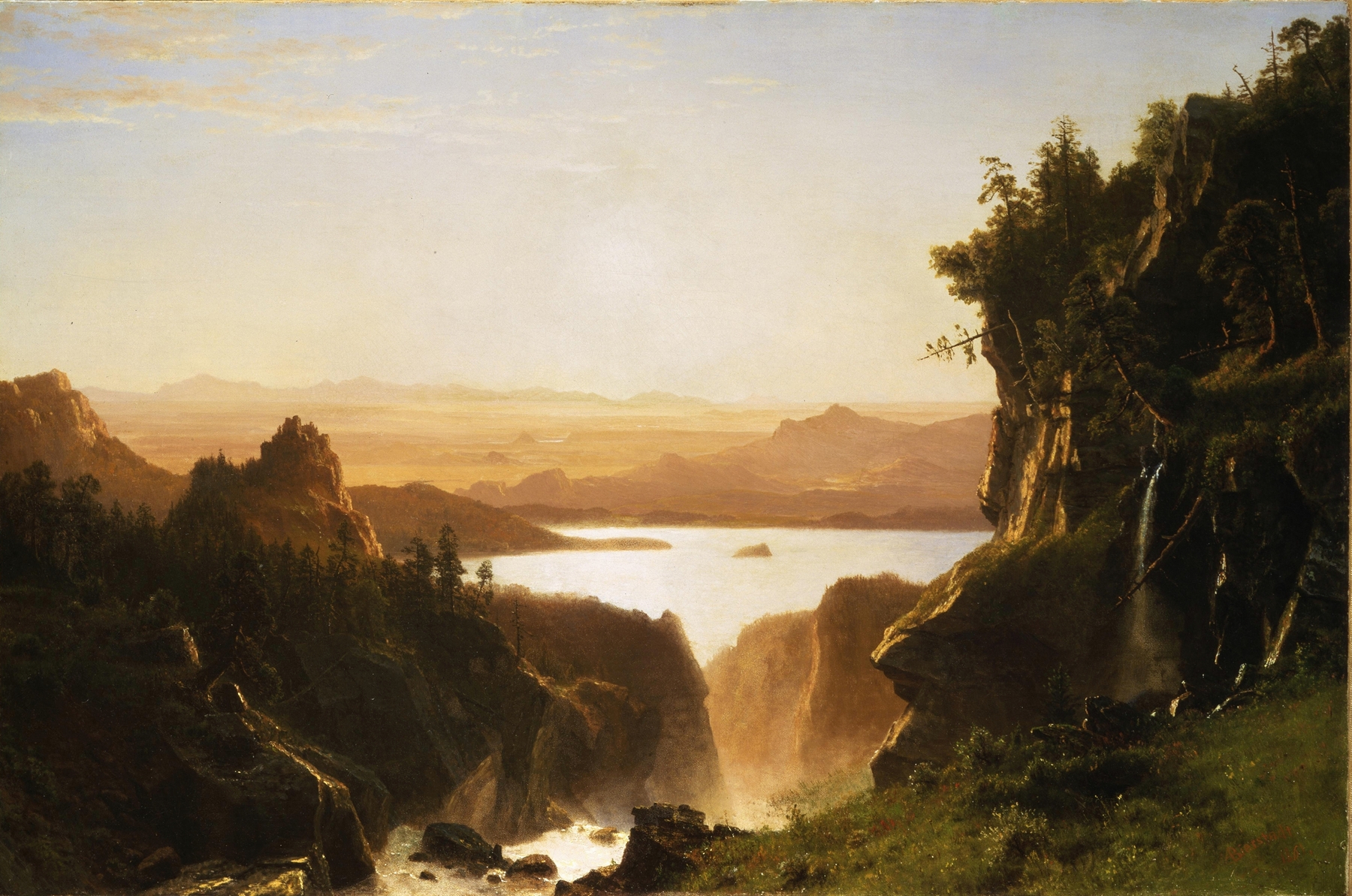
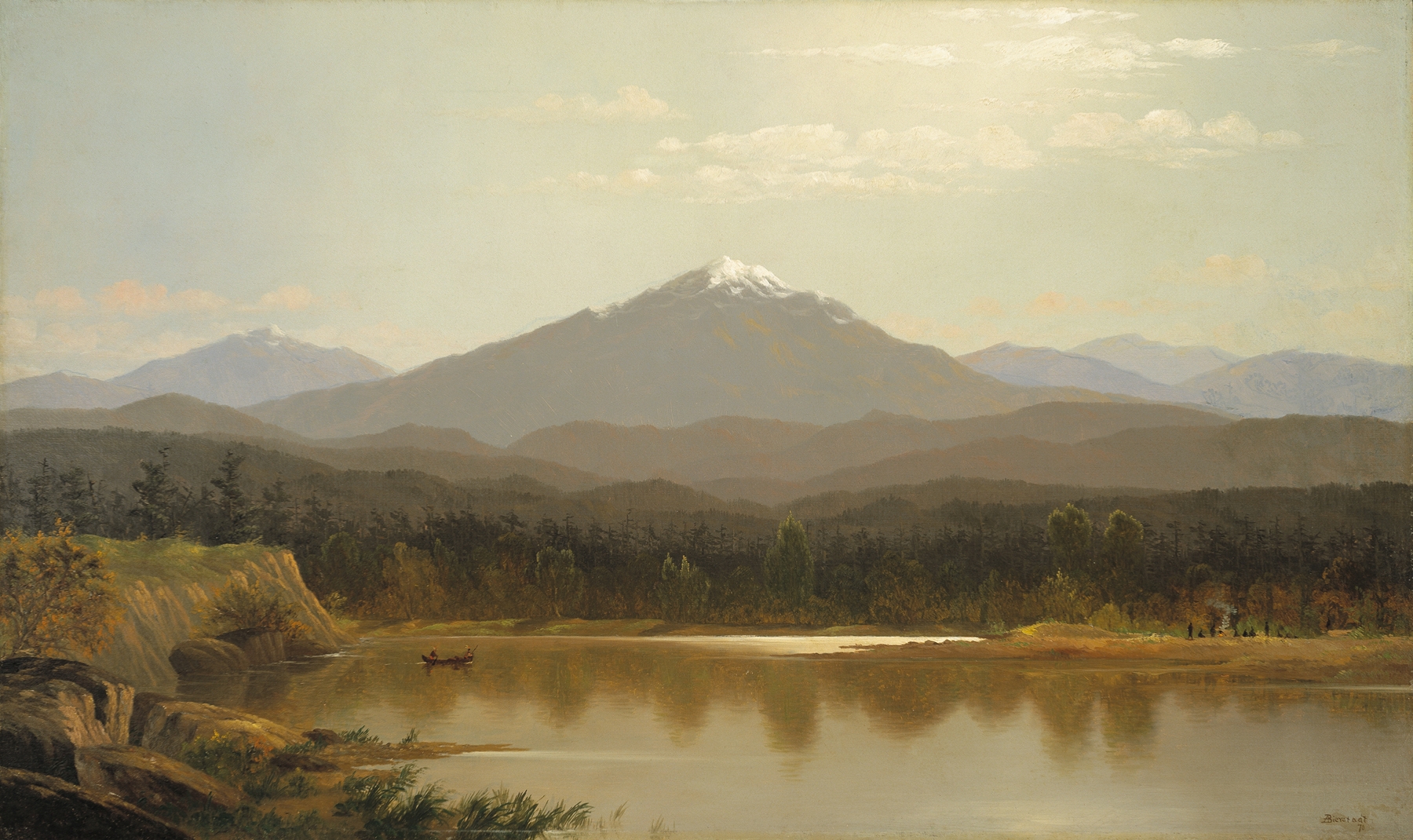
“To paint is to remember what time wants us to forget.” This sentiment resonates profoundly within the serene confines of a canvas filled with the promise of hope, a fleeting moment suspended between dusk and dawn. Here, in a vista of tranquility, the essence of a vanishing world is captured — a poignant reminder of what once was and what might still endure. Focus on the warm hues that radiate from the sky, where shades of lavender and gold entwine effortlessly. The evening light caresses the encampment, casting long shadows upon the figures and their surroundings.
Notice how the flickering campfires create a soft glow, inviting the viewer’s eye to wander amongst the native inhabitants, whose quiet presence echoes a life intertwined with nature. Each brushstroke embodies a delicate balance between realism and reverie, drawing us deeper into the landscape’s embrace. Yet, beneath this idyllic surface lies a narrative steeped in contrasts. The encampment, a symbol of a rich cultural heritage, stands resilient against the encroaching forces of change and erasure.
The mountains loom majestically in the background, representing both the awe of nature and the looming threat of time. Here, the hope for continuity and connection lingers like the last light of day, interweaving the emotions of nostalgia, loss, and an enduring spirit. During the years between 1876 and 1877, Bierstadt found himself in the thick of America’s transformation, capturing the majestic landscapes of the West at a time when expansion and displacement created a complex tapestry of existence. His work reflected not only his artistic journey but also the larger narrative of a nation grappling with its identity and heritage, seeking solace in the beauty of nature and the stories that lie within it.