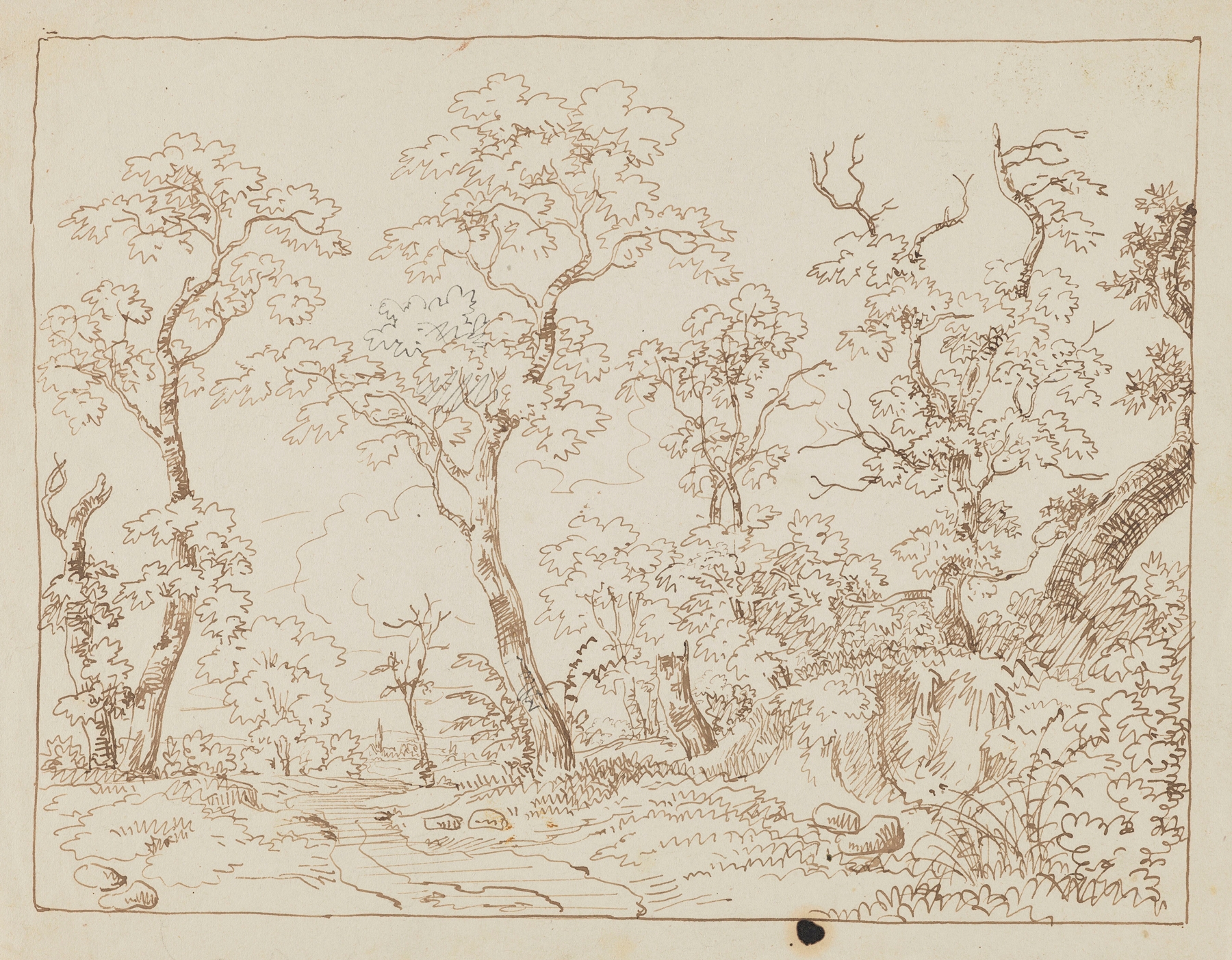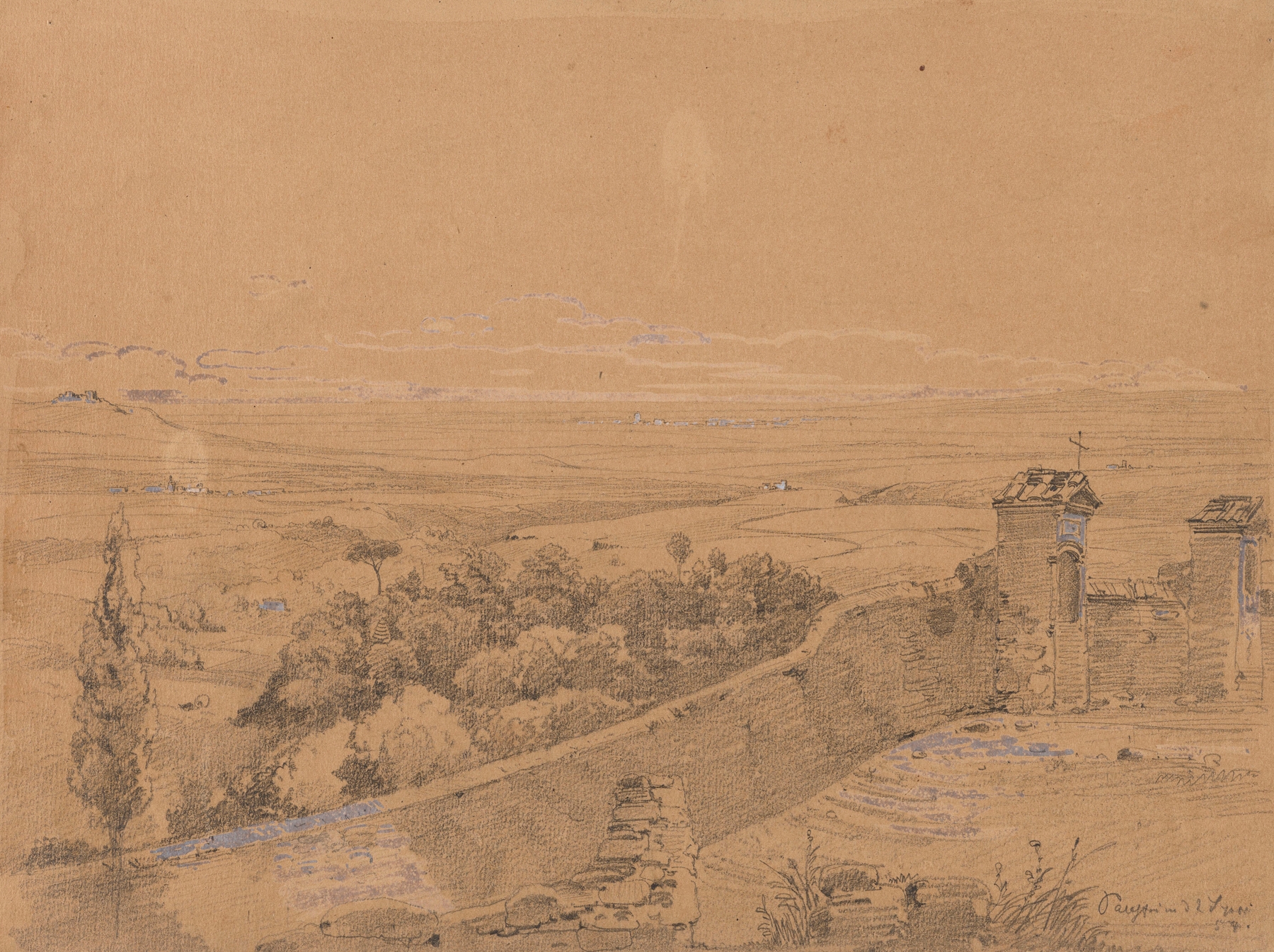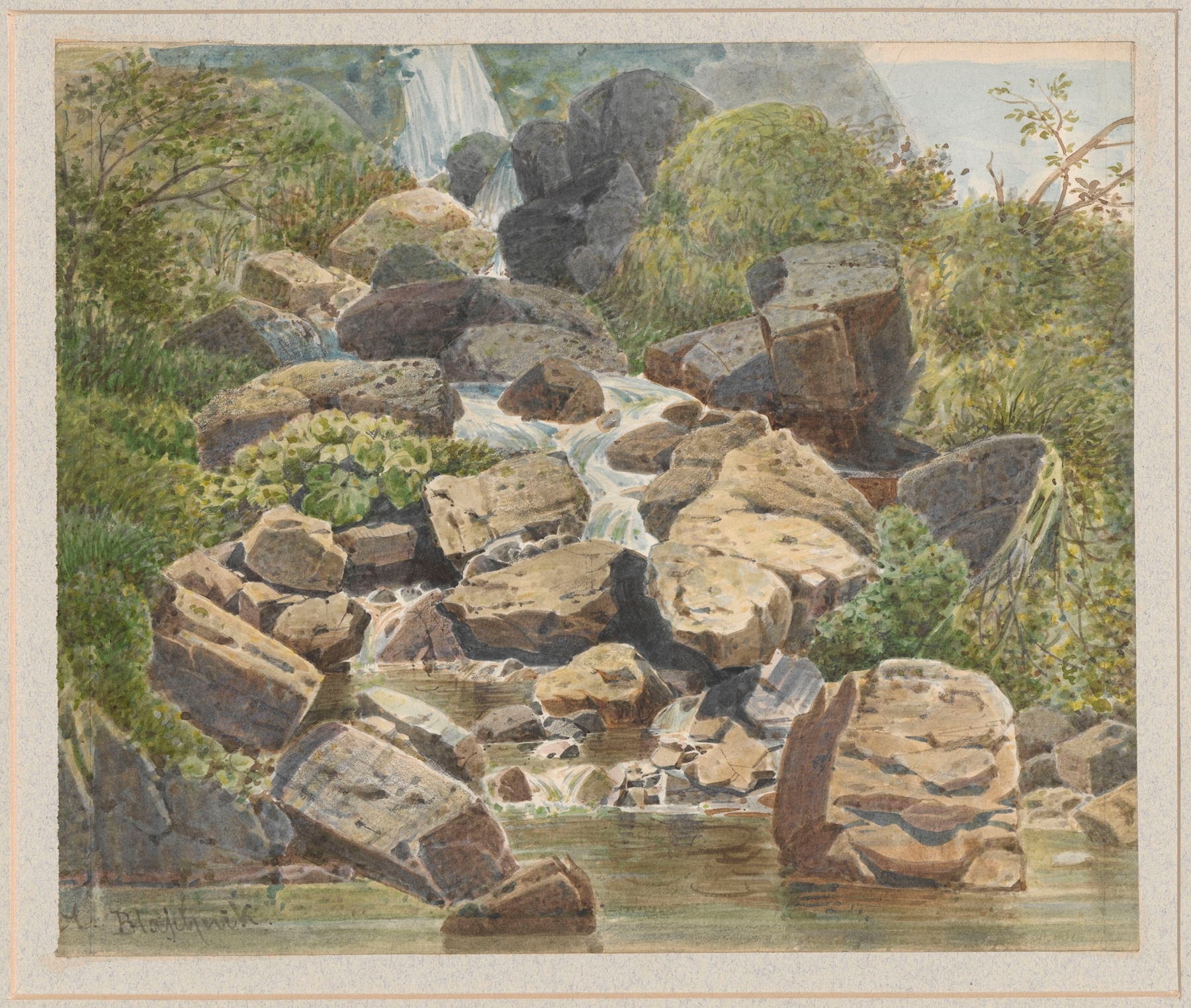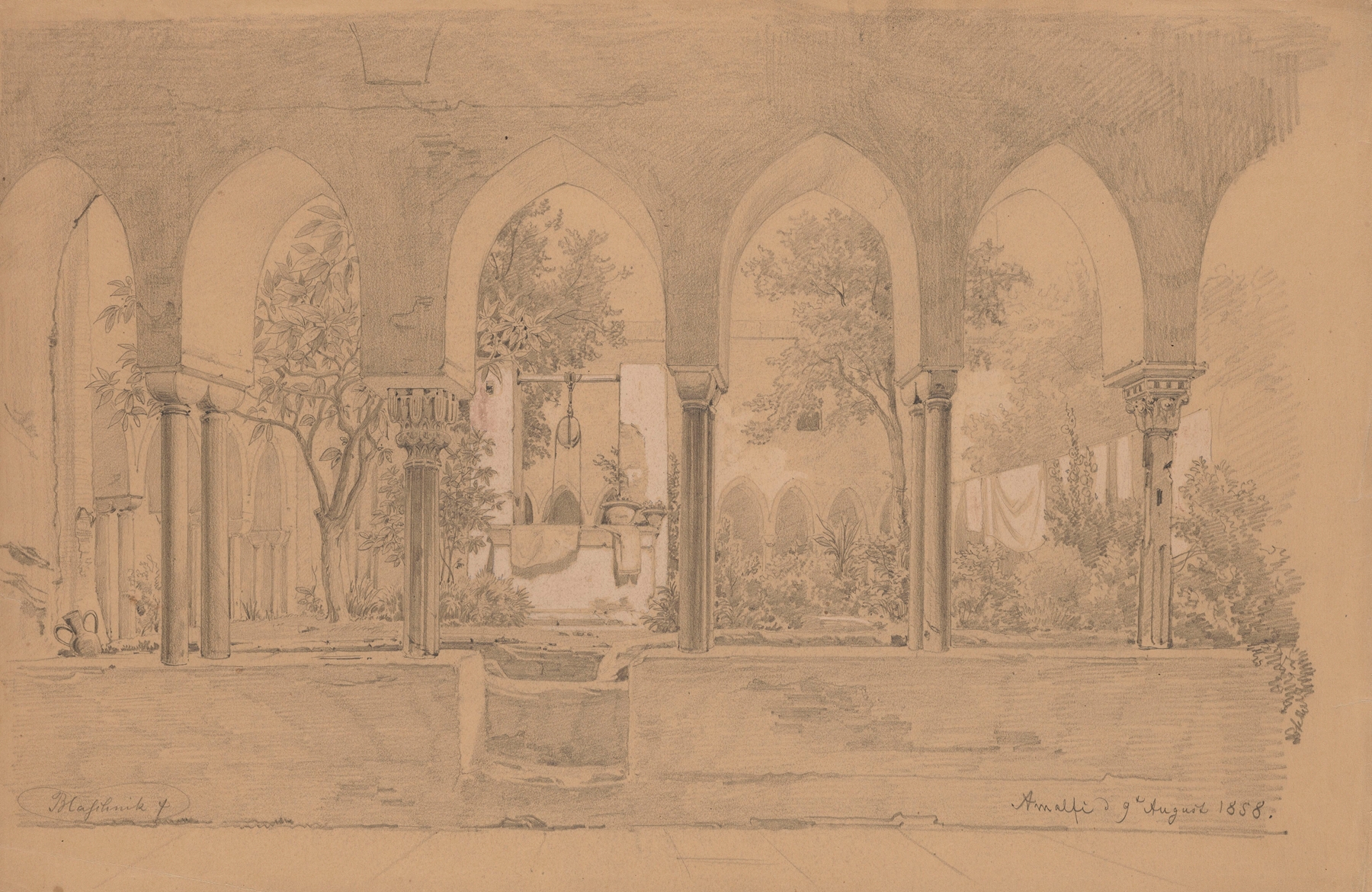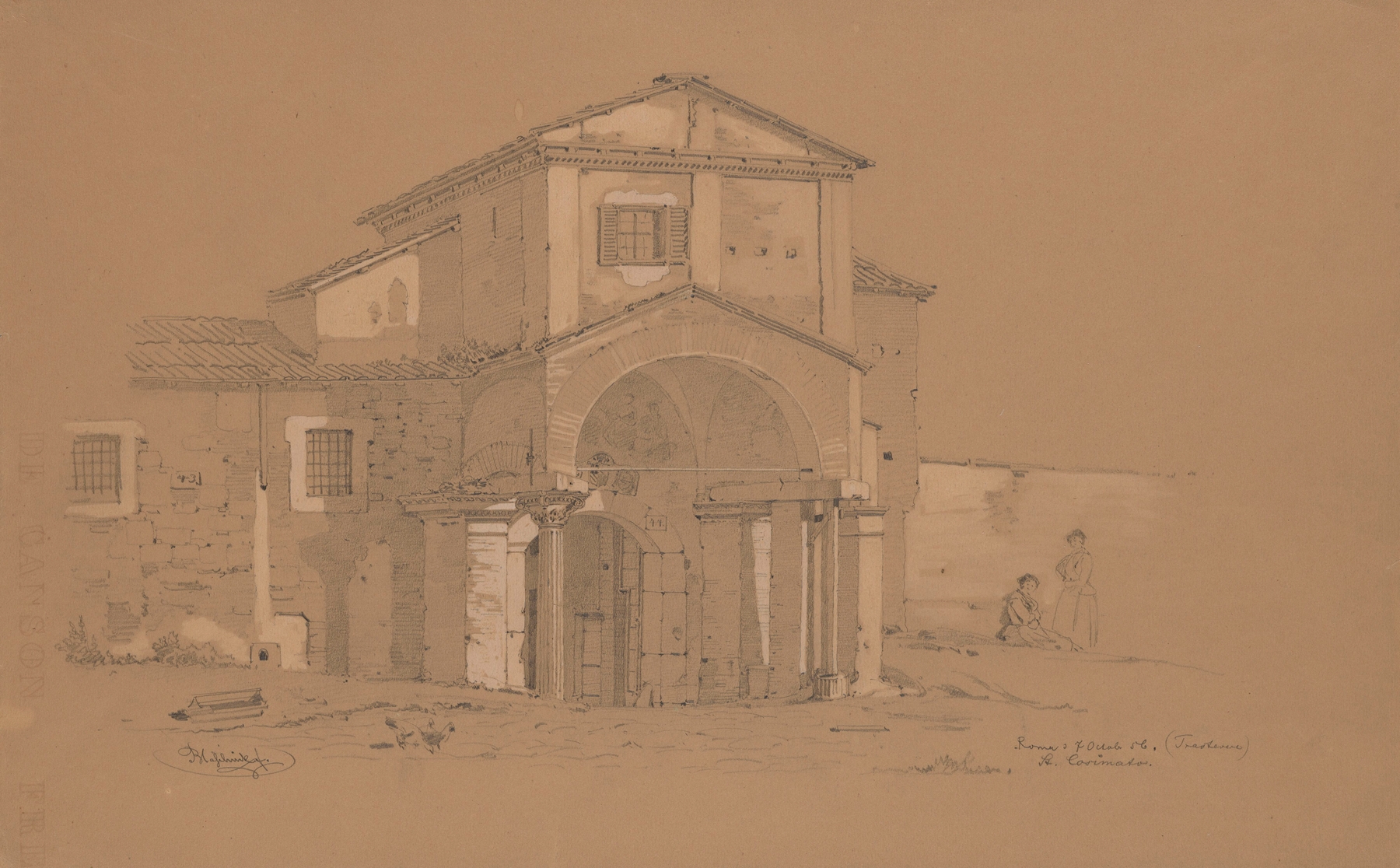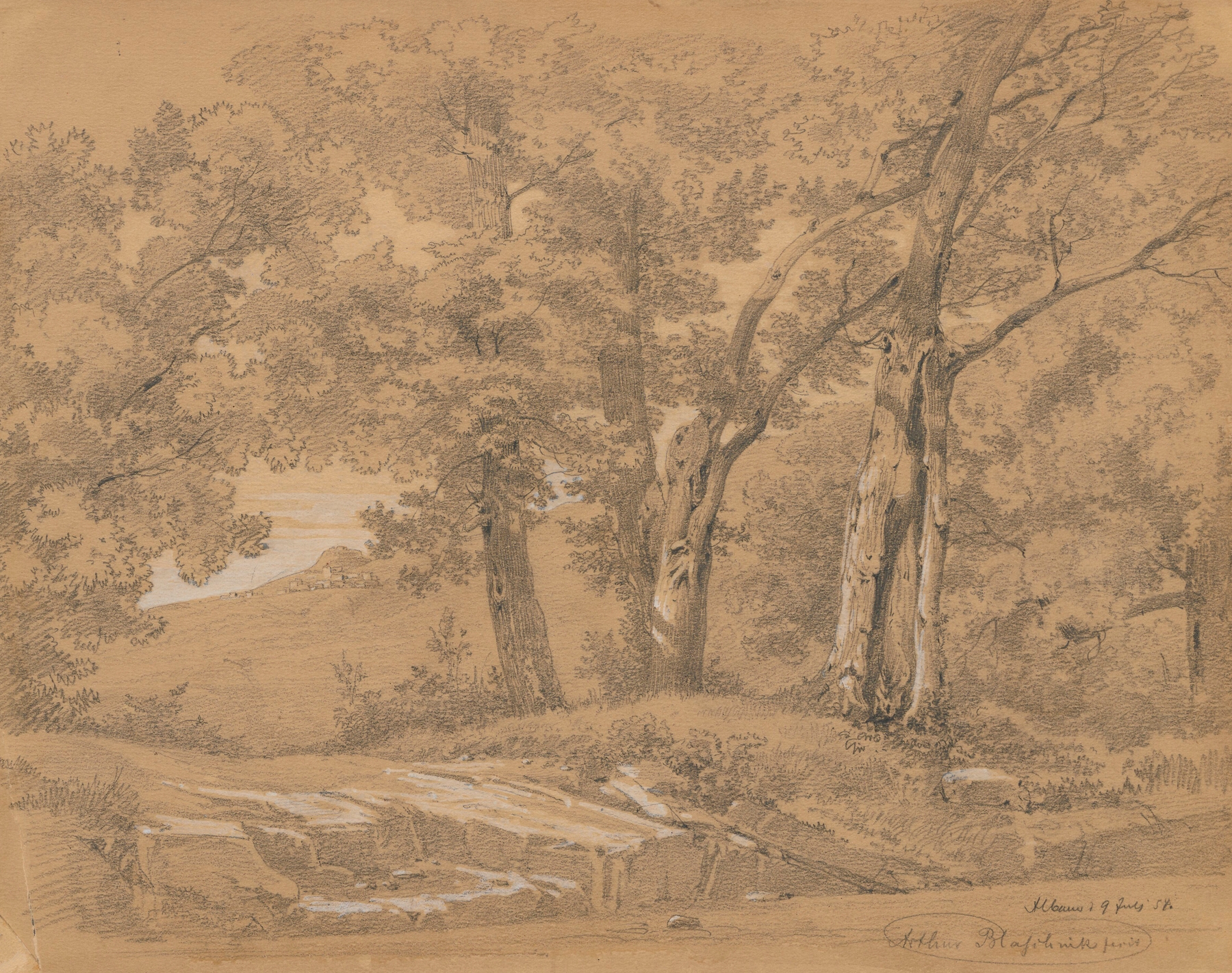
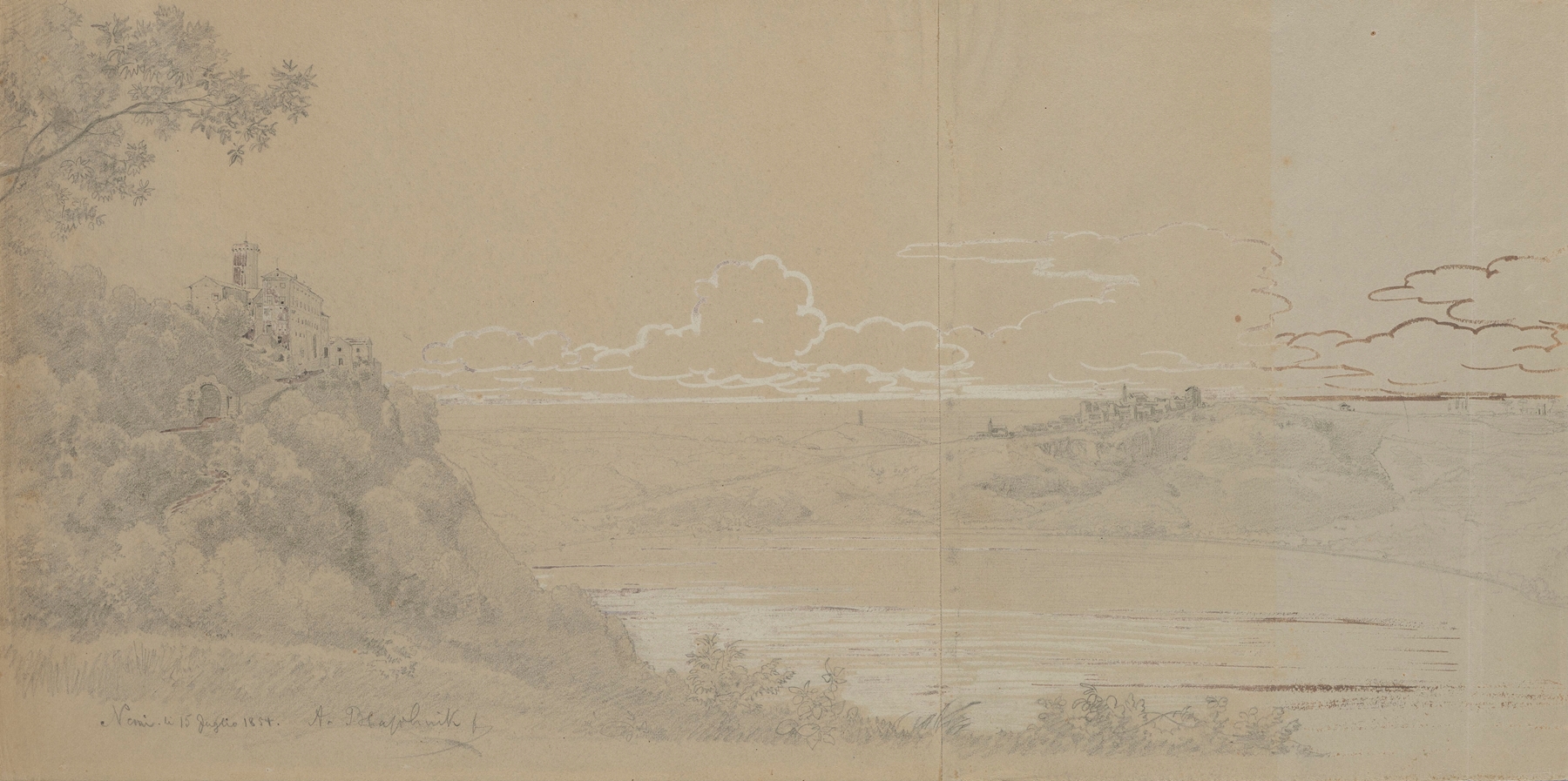
When did color learn to lie? Within the bounds of nature, truth and deception dance a delicate waltz, revealing layers of meaning in ways we often overlook. Look to the foreground, where dappled sunlight spills through the canopy, casting an intricate mosaic of light and shadow on the earth below. Notice how the artist employs a rich palette of greens and browns that vibrate with life, accentuated by the splashes of bright florals peeking through the underbrush. The brushwork captures the essence of each leaf, giving them a near-tactile quality, inviting the viewer to explore the texture and depth of this serene forest scene. Yet, amidst the tranquil beauty lies a subtle tension. The dense foliage appears inviting, yet it also conceals mysteries within its embrace. The interplay of light and shadow suggests a duality — a world of serenity and an undercurrent of secrets yet to be uncovered. The vibrant colors, while representing the life of the forest, may also hint at the fleeting nature of truth, masking what lies beneath the surface. In 1854, the artist found himself capturing this scene in the heart of Italy, a time when Romanticism was giving way to the burgeoning movement of Realism in art. Blaschnik was influenced by the lush landscapes around Albano, reflecting a period in his life marked by exploration of natural beauty and deeper philosophical questions surrounding truth. This moment in his career stands as a testament to his dedication to portraying the intricate relationship between nature and perception.